JenREES 10/8/23
Soybean Cyst Nematode: 2023 was a year for soybean diseases. I’ve been thinking about the soybean disease problems we’ve had and am planning a series of columns to talk through thoughts on management. Will focus on soybean cyst nematode for this week.
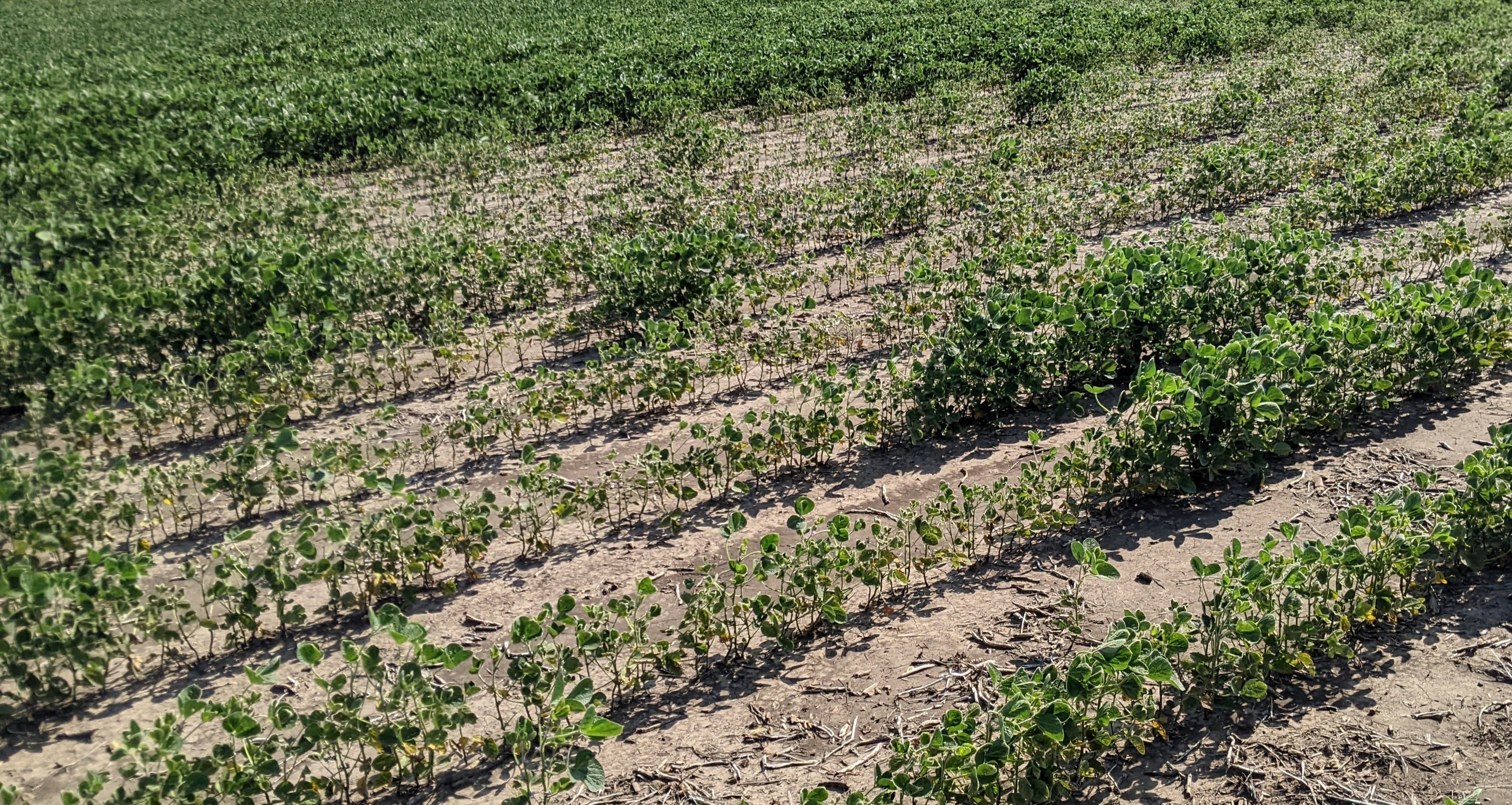
After soybean harvest is a prime time to sample for soybean cyst nematode as they’ll be at their highest levels in the soil. Soybean cyst nematode (SCN) is considered the #1 soybean disease in the U.S. as it can rob yield (up to 40%) with or without the presence of symptoms on soybean plants. When symptoms are present, they can include patchy areas of fields that may contain chlorotic and/or stunted plants. Digging up plants and carefully looking around the roots, one may observe tiny white specks that look like sand grains. With closer observation, if it is SCN, the specks will appear lemon-shaped as the female soybean cyst nematode. Technically, when the female body turns brown and dies is when it is called a ‘cyst’. Each cyst protects and contains up to 400 eggs each. When soybean is planted, juvenile nematodes hatch from eggs within the cysts during the right moisture and temperature conditions. The nematodes migrate to soybean roots where they infect, feed, breed, and then females produce new cysts full of eggs. This lifecycle occurs 3-4 times during the summer, thus, SCN populations can rapidly increase in a field in one year.
I saw that this year, a handful of times. Most field situations didn’t only have SCN as the problem, but I saw SCN populations rapidly increase from the first time fields were sampled to the next time. As you or agronomists are taking soil fertility samples this fall, split part of the 0-8” (or 0-6”) sample for testing for SCN. Or, take the soil sample in areas where the yield monitor showed yields were very low, patches where you saw disease, or field entryways. It’s also wise to take a sample from a good portion of the field for comparison. In soybean fields, take the sample a few inches off the old soybean row. However, SCN samples can also be taken from corn or other crop fields to help inform decisions if rotating to soybean next year. Place the sample cores (12-20 in total) in a plastic bucket, mix, then place in your sampling bag. I use quart-sized ziplock type bags, but there’s also SCN sampling bags available at local Extension Offices or directly from the UNL Plant and Pest Diagnostic clinic (402-472-2559). Label the bag with your contact info., field name, and that you want SCN analysis. Also be sure to fill out a completed sample submission form requesting SCN analysis and mail the samples to the UNL Plant & Pest Diagnostic Clinic (1875 North 38th Street, 448 Plant Science Hall, Lincoln, NE 68583-0722). There’s no charge for the sample analysis thanks to the Nebraska Soybean Board and your checkoff dollars. Knowing if you have SCN is the first step in management. Will share more on management in future columns.
Caring for Drought-stressed trees/shrubs: With the continuing dry conditions, this is a critical time to prepare woody plants for winter and prevent winter injury, especially to evergreens. Dry fall conditions can reduce the number of leaves, blooms and fruits trees produce the next season. Trees often delay the appearance of drought-stress-sometimes months or years after the stress occurs. Drought-stressed trees are more susceptible to secondary attack by insect pests and disease problems, such as borers and canker diseases, which can cause tree death. When watering, moisten the soil around trees and shrubs, up to just beyond the dripline (outside edge of tree leaf/needle canopy), to a depth of 8 to 12”. Avoid overwatering; but continue to water until the ground freezes as long as dry conditions persist. Use a screwdriver pushed into the soil to gauge the depth of watering.
Cedar beetles (Cicada parasite beetles): Have gotten a few calls about numerous beetles on ash and other trees that were crawling on them and flying around. The ones I’ve received samples of are cedar beetles, also known as cicada parasite beetles, which were new for me to learn about. They are about one inch long, and dark brown or black. The males have short, comb-like antennae. The beetles are harmless to trees and are laying eggs in the bark cracks. Larvae hatch, travel down tree cracks and burrow through soil looking for cicada nymphs to feed on their blood. So, they’re considered a parasite of cicadas, not of trees, and no control is needed.

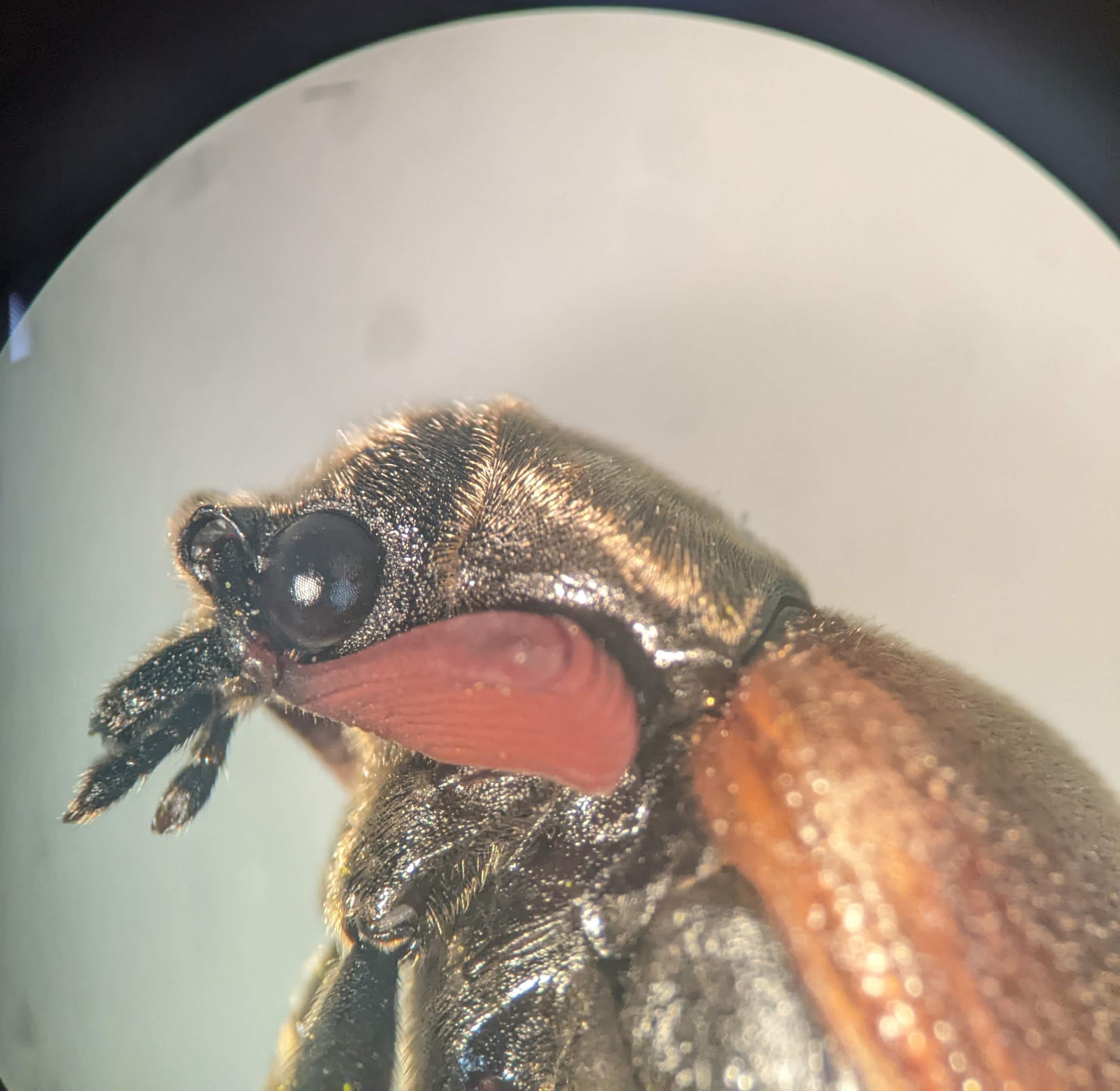

Cedar beetles/Cicada parasite beetles

Posted on October 8, 2023, in Diseases, JenREES Columns, Trees and tagged cedar beetles, cicada parasite beetles, soybean cyst nematode, watering drought-stressed trees. Bookmark the permalink. Leave a comment.


 JenResources
Leave a comment
Comments 0