Planting Considerations
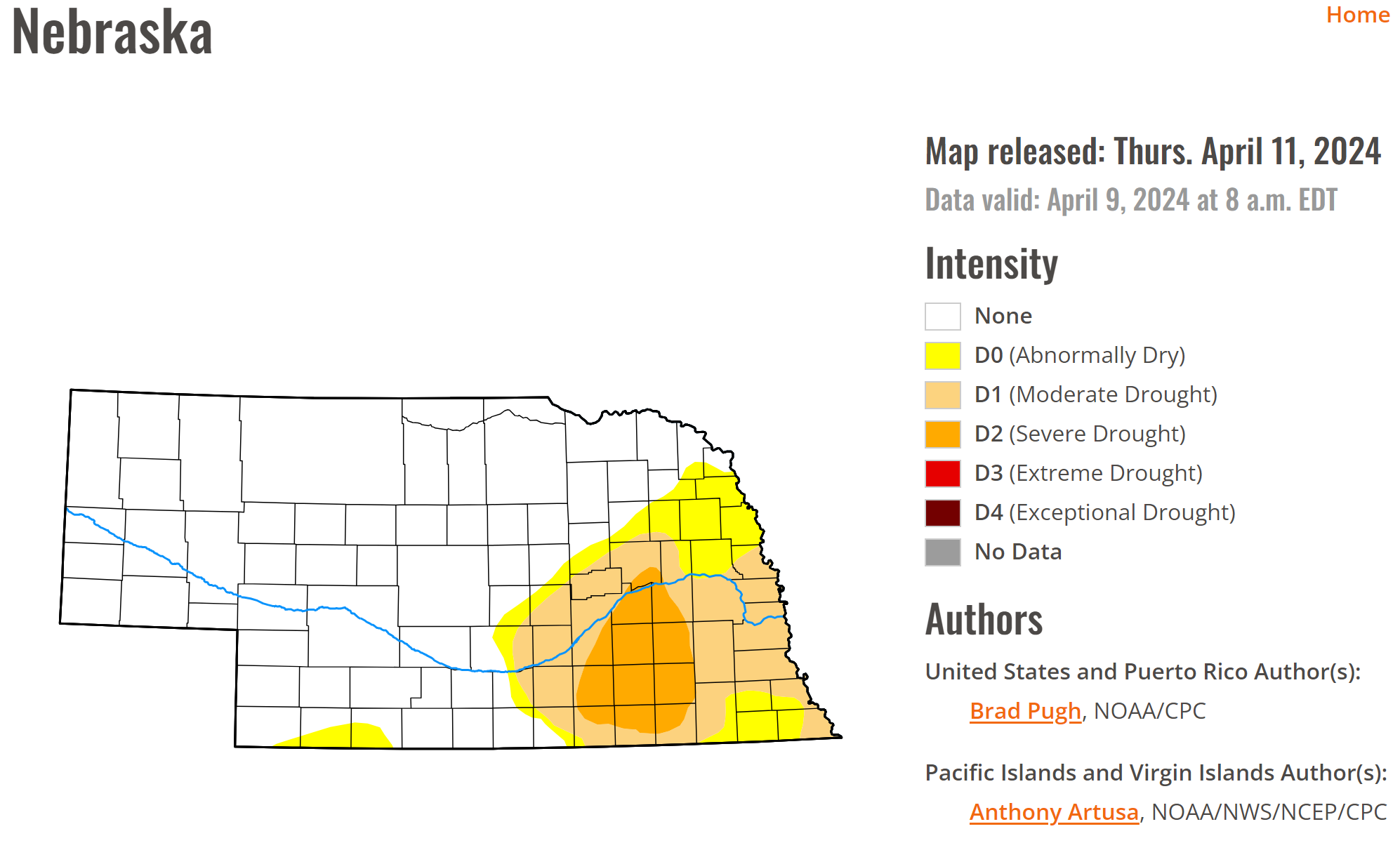
Planting Considerations: The warmer air and warming trend of soil temperatures have allowed for planting to begin last week for some. This week hopefully brings some moisture. It also looks like a cooling trend will occur the mid-half of the week with frost potential by the weekend.
Agronomically we’ve come a long way with genetics and seed treatments. Because of this, some don’t worry about soil temps. Yet every year I think most agronomists would say we can trace various problems back to a specific planting date(s) or planting window. So, I still feel they’re an important consideration.
We often hear a preference of planting corn and soybeans in as close to 50F or greater soil temperatures as possible. Below 50F, I prefer to see corn planted on a warming trend of 5-7 days like what we saw last week. The consideration is for soil temps in the mid-40’s on a warming trend with no chance of a cold snap (cold rain/snow) within 8-24 hours for soybean and 48 hours for corn. The time-frame is due to the imbibition (critical water uptake) time-frame for corn and soybean. Soybean seed uptakes water more rapidly than corn and once the imbibition phase is complete, the soybean going through the osmotic phase can tolerate 35-40F soil temps as long as soil is not saturated. Soil temps for your field can be monitored by using a thermometer or checking out CropWatch soil temps at: https://cropwatch.unl.edu/soiltemperature.
Besides soil temperatures, another part of the soil being fit for planting include the soil not being too wet to create sidewall compaction and getting the seed vee closed. I think the greater thing some will deal with is making sure there’s moisture where the seed is placed. I recommend putting corn and soybeans in the ground at 2”. That may seem deep for beans but our UNL research found 1.75” seeding depth provided the highest yield for soybean. It also provides buffered soil moisture and temperature conditions when planting soybeans early. Bob Nielsen, emeritus professor at Purdue said corn can be seeded 2.5-3” deep if that’s where uniform soil moisture is located in order to achieve uniform germination and emergence. We don’t recommend planting soybean deeper than 2.5”.
For corn seeding rates, it’s best to check with your local seed dealer as all our research shows that optimal corn population varies by hybrid. However for soybean, our recommendation after 17 years of on-farm research studies (2006-2023) in heavier textured soils and 30″ rows continues to be: plant 120,000 seeds/acre, aim for a final plant stand of 100,000 plants/acre and you’ll save money without reducing yields. If that seems too risky, try reducing your rate to 140,000 seeds/acre or try testing it for yourself via on-farm research!
One final thought, make sure you’re keeping yourself and those in your operation safe by wearing proper PPE when handling treated seed, including filling boxes, when seed gets plugged, or when digging up seed. Seed tag labels will list PPE required for the seed treatments in case you weren’t aware of this. Here’s wishing you all the best whenever the planting season begins for your farm!
Alfalfa Weevils and Army Cutworms have been showing up in some alfalfa fields and it would be good to check wheat and other small grain fields for army cutworms. The last time we saw alfalfa weevils this early was back in 2012. Larvae are green with a dark head and white stripe down the back. They can often be found near the soil during the day. Use a sweep net if possible to detect their presence, and if they are present, randomly select at least five sampling sites from across the entire field. At each site, gently pick or cut at least 10 alfalfa stems at ground level. Shake the larvae off the stems by beating the stems into a deep-sided bucket, also looking for any larvae in folded leaflet tips. Count the larvae and determine the average number of larvae per stem. Economic threshold for the mid-vegetative stages of 10-15” tall are 1.5-2 alfalfa weevils/stem (chart can be found at: https://go.unl.edu/pxhk). Highly effective insecticides for alfalfa weevil control include those that are pyrethroids (active ingredient ends in “thrin”, such as Permethrin) and products containing indoxacarb (e.g., Steward). If you spray prior to harvest, check pre-harvest interval (often 7-14 days).

Posted on April 14, 2024, in JenREES Columns and tagged planting considerations. Bookmark the permalink. Leave a comment.


 JenResources
Leave a comment
Comments 0