Pesticide App Regulations Part 2
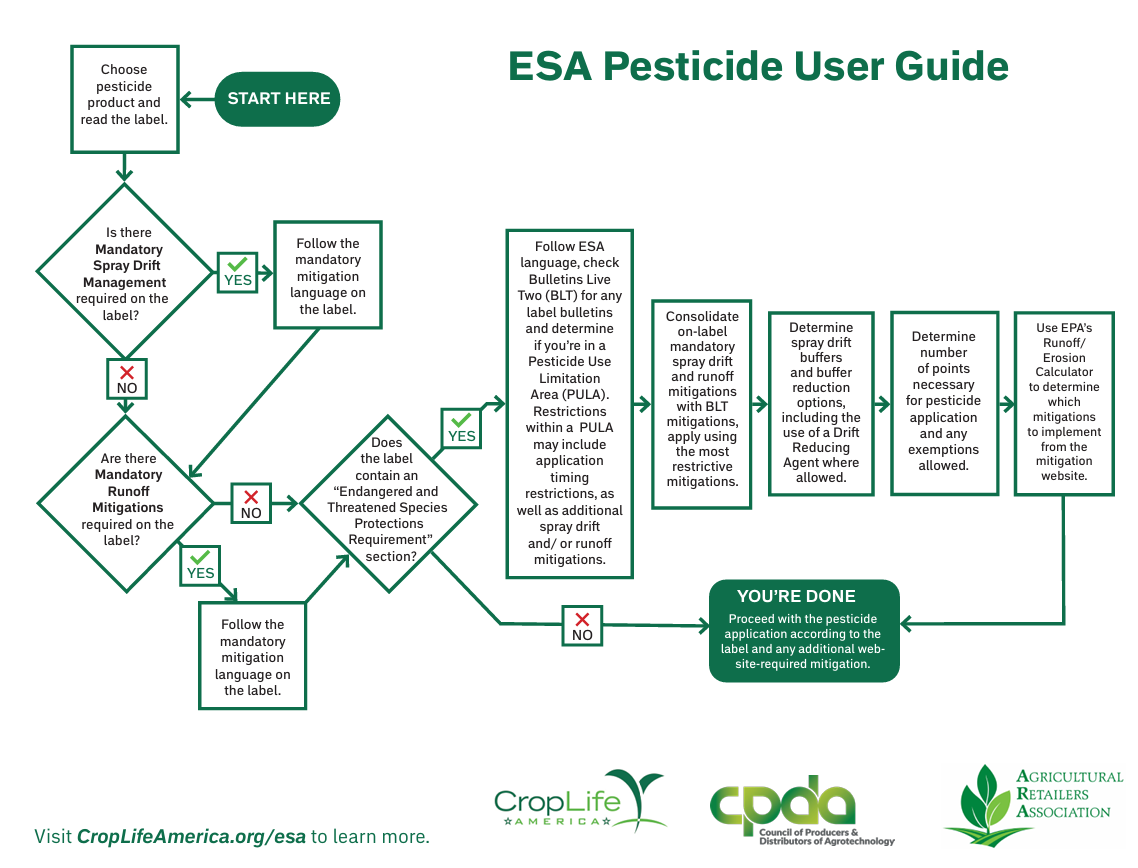
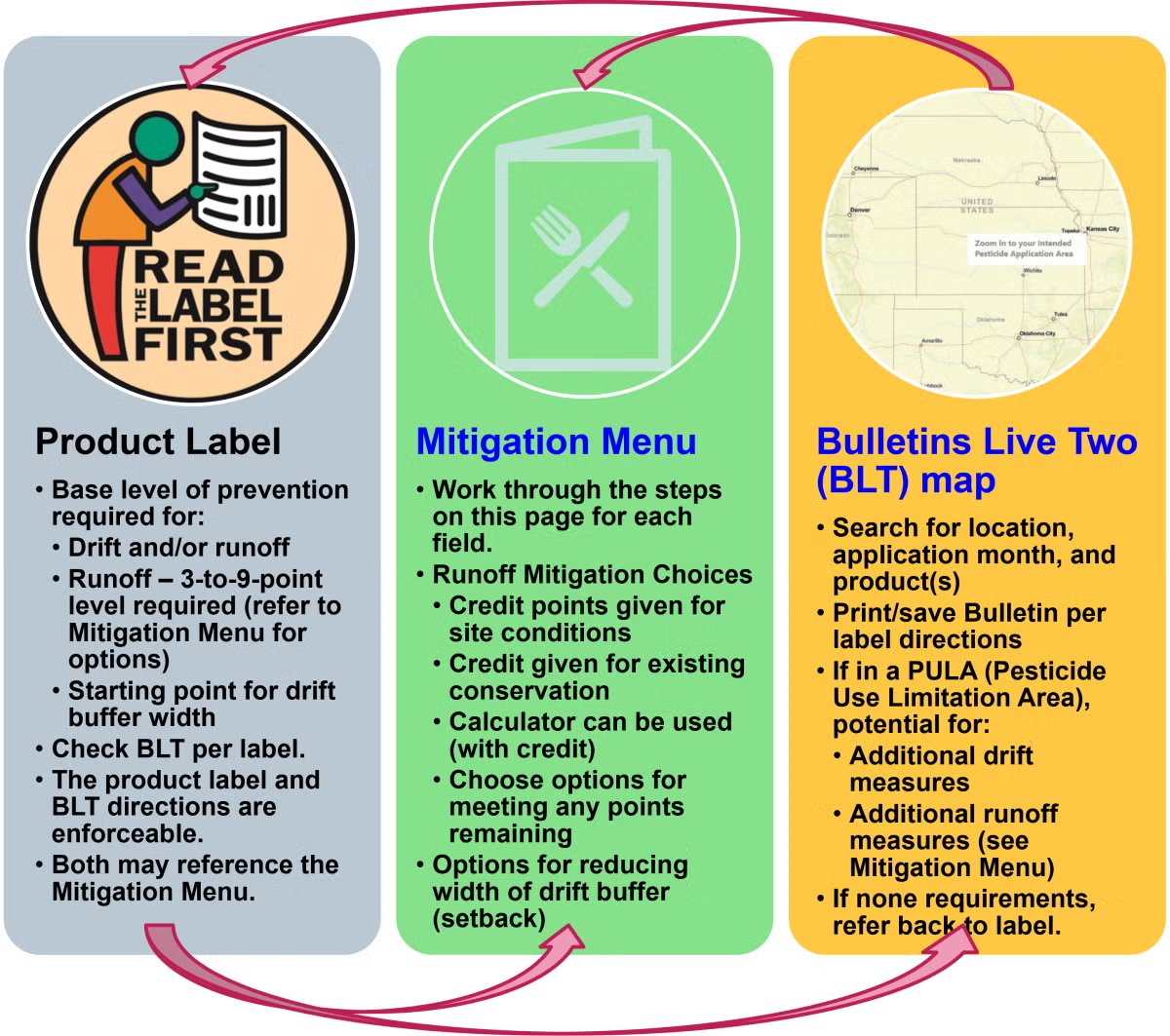
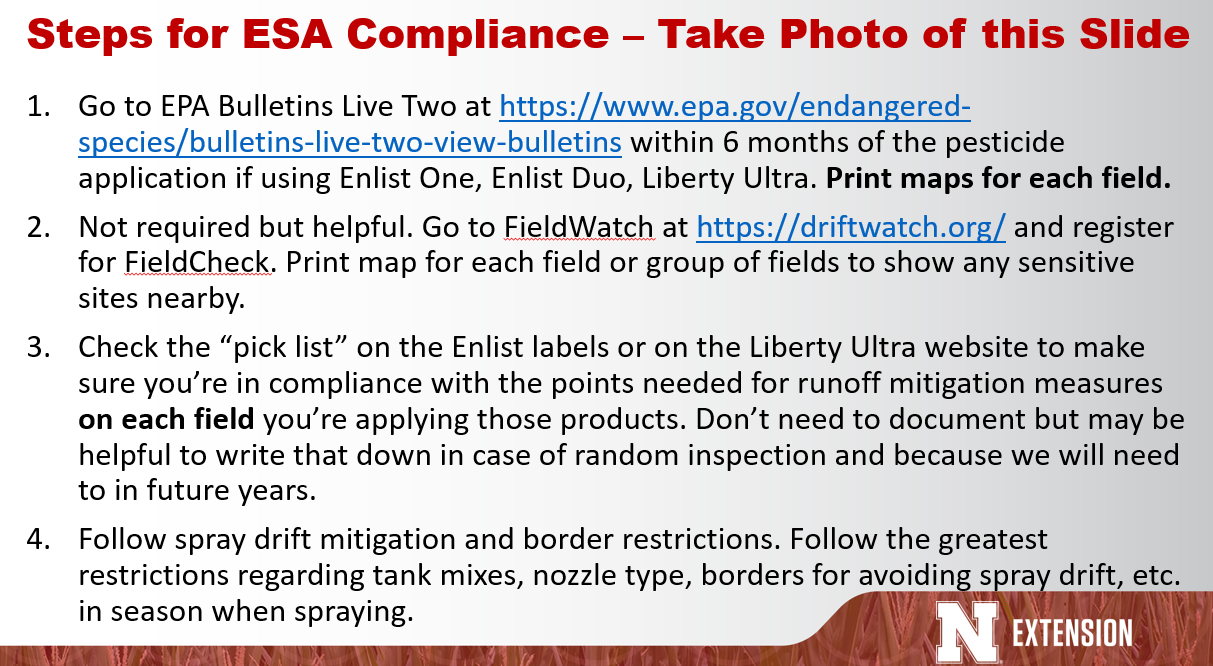
Last week I shared the background information on the Endangered Species Act (ESA) language. There’s easier to understand graphics I’ve included at jenreesources.com. The following are what growers need to do to comply with rules for 2026.
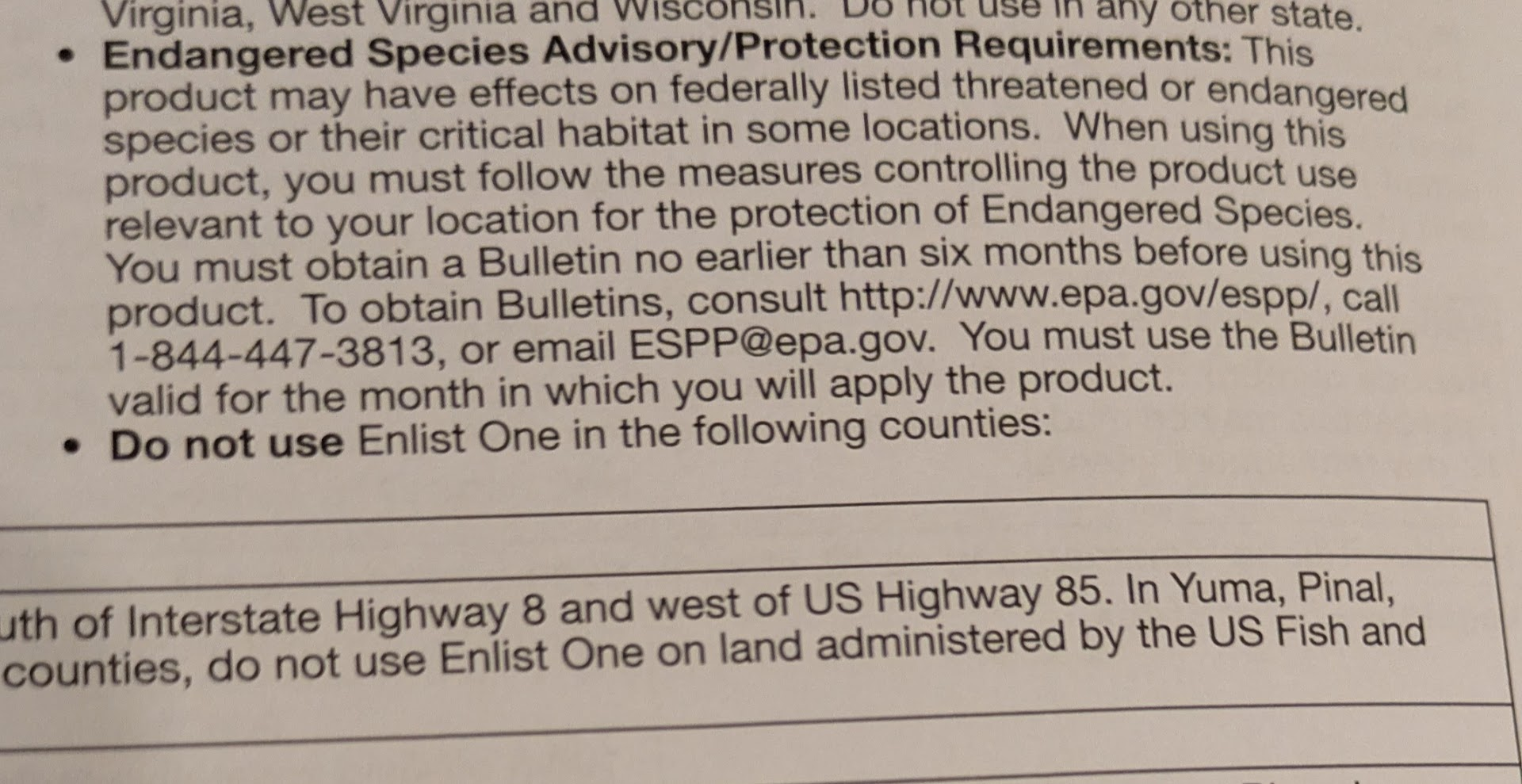
I know there’s a lot of concern about these new rules. IF compliance with ESA is needed for a specific product, the product label will state Endangered Species in bold letters (pictured below). The only way to know is to read the product label. Enlist One, Enlist Duo, and Liberty Ultra all have ESA language on them. Ultimately, if the product label says you need to comply with the Endangered Species Act, then you must go to Bulletins Live Two and print off bulletins for any field that product will be applied on in 2026. If it doesn’t specify ESA, then you don’t need to do this step.
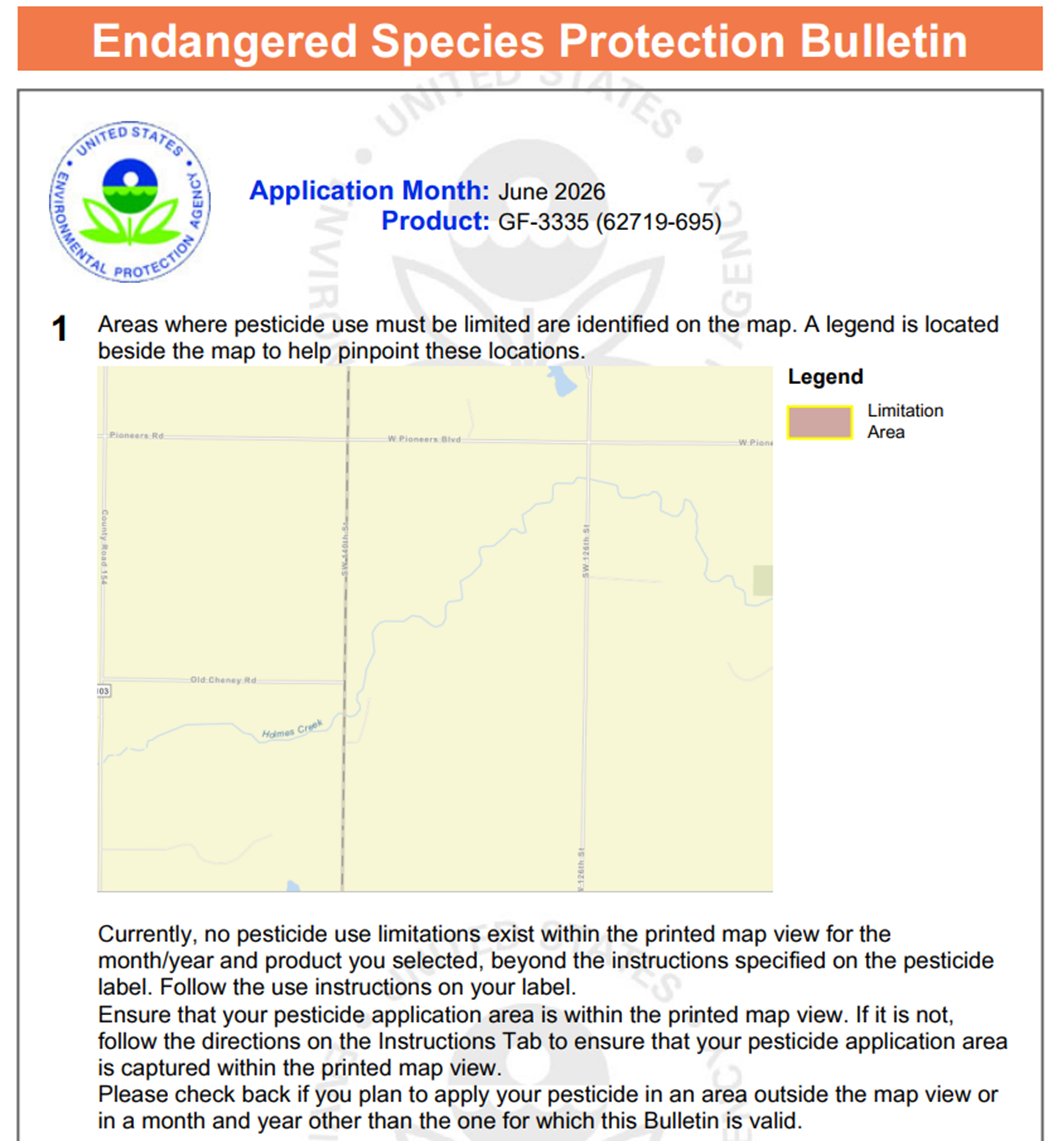
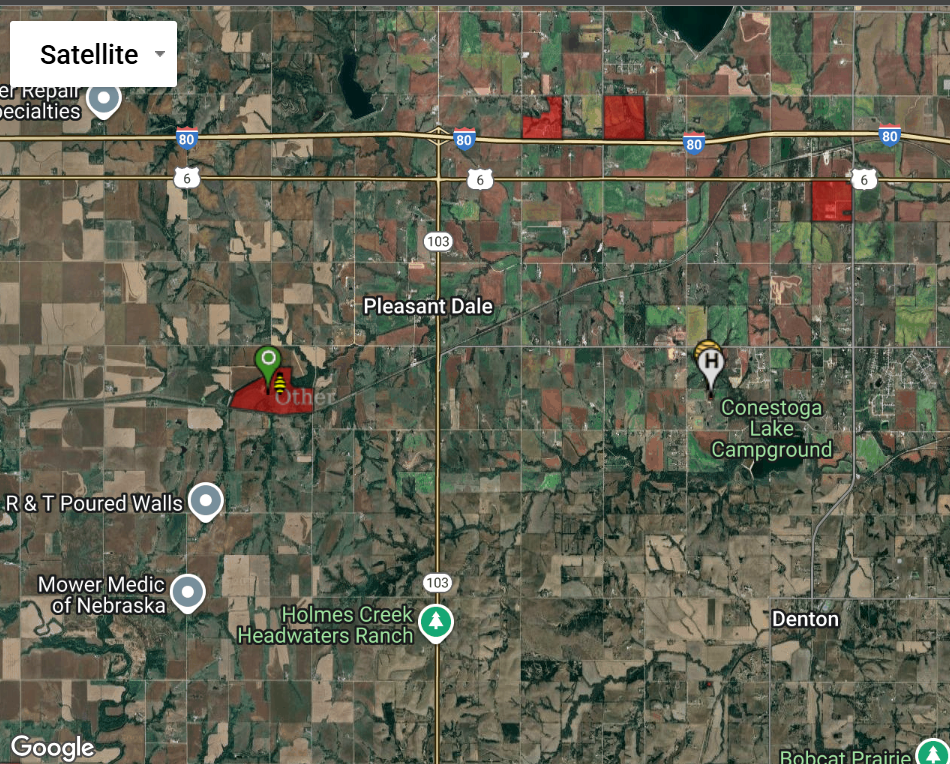
1-Go to EPA Bulletins Live Two at https://www.epa.gov/endangered-species/bulletins-live-two-view-bulletins within 6 months of the pesticide application if using Enlist One, Enlist Duo, Liberty Ultra or any product that specifies ESA language. When you get to the website, use the map or search feature to zoom in to your fields. Add the EPA registration number for the product you will be applying. It will then select the product. Select the month when the product will be applied. It will then show you a map of any Pesticide Use Limitation Area (PULA). If any exist, you must follow the specified restrictions. The map can then be downloaded and printed. Keep the map with your pesticide records. You need to print maps for each field you are using these products on. If you are applying these products in different months on the same field (ex. May and June), the bulletin needs to be printed for each of those months and kept with your records.
2-This step is not required. However, I’m unsure how we all comply with the sensitive site restrictions and buffers if we don’t do this step. Go to FieldWatch at https://driftwatch.org/ and register for FieldCheck if you’re not already registered. This is the old DriftWatch site where we as pesticide applicators can view any sensitive sites around our fields to avoid off-target movement to sensitive crops. You can select this field by field or if you have several fields in an area, you can draw an area on the map that encompasses all the fields. That’s what I did and then I’m going to label the fields on the map I printed. It provides a time stamp of when you check this site, so I’m just printing it and keeping it with our pesticide records.
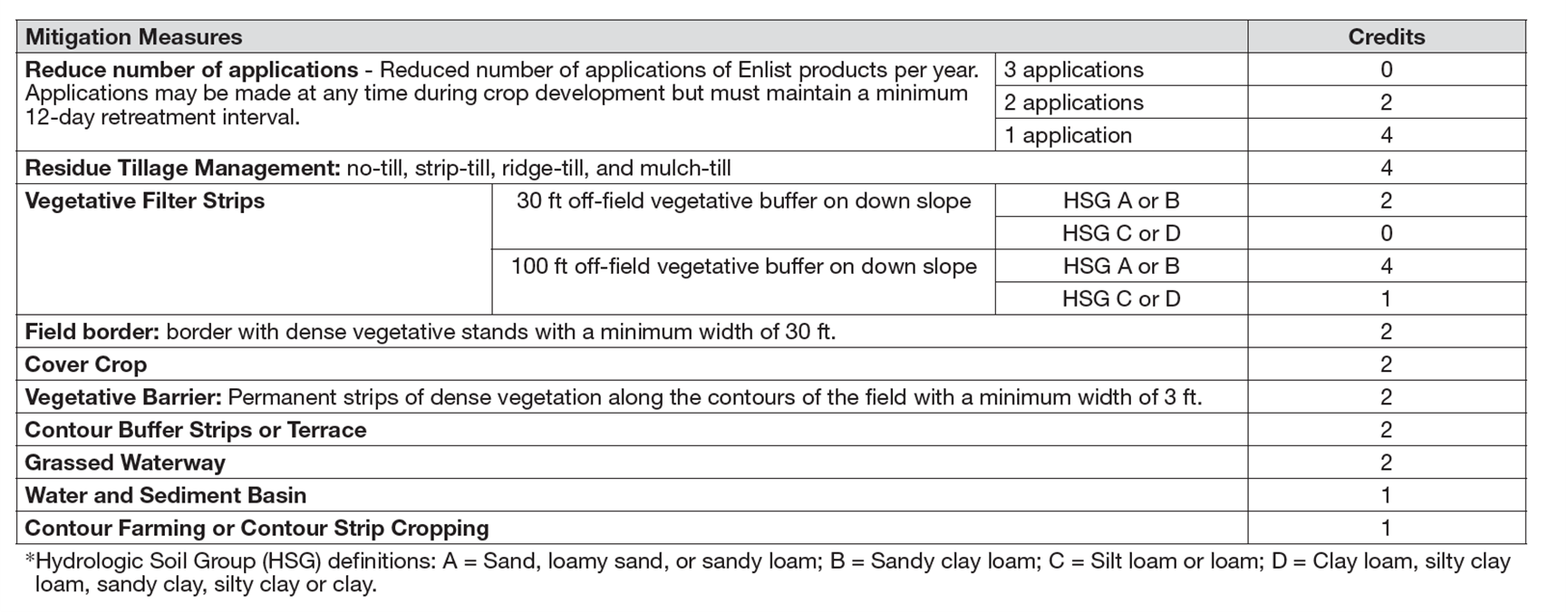
3-Check the “pick list” on the Enlist labels or on the Liberty Ultra website to make sure you’re in compliance with the points needed for runoff mitigation measures on each field you’re applying those products. You don’t need to document this for 2026, but I’d encourage us to write these down in our records as we will need to document this in future years. The number of points required and the mitigation measures from which to choose will vary depending on the specific label, so you must read the labels.
4-Spray drift mitigation and border restrictions also need to be followed. Follow the greatest restrictions regarding tank mixes, nozzle type, borders for avoiding spray drift, etc. in season when spraying.
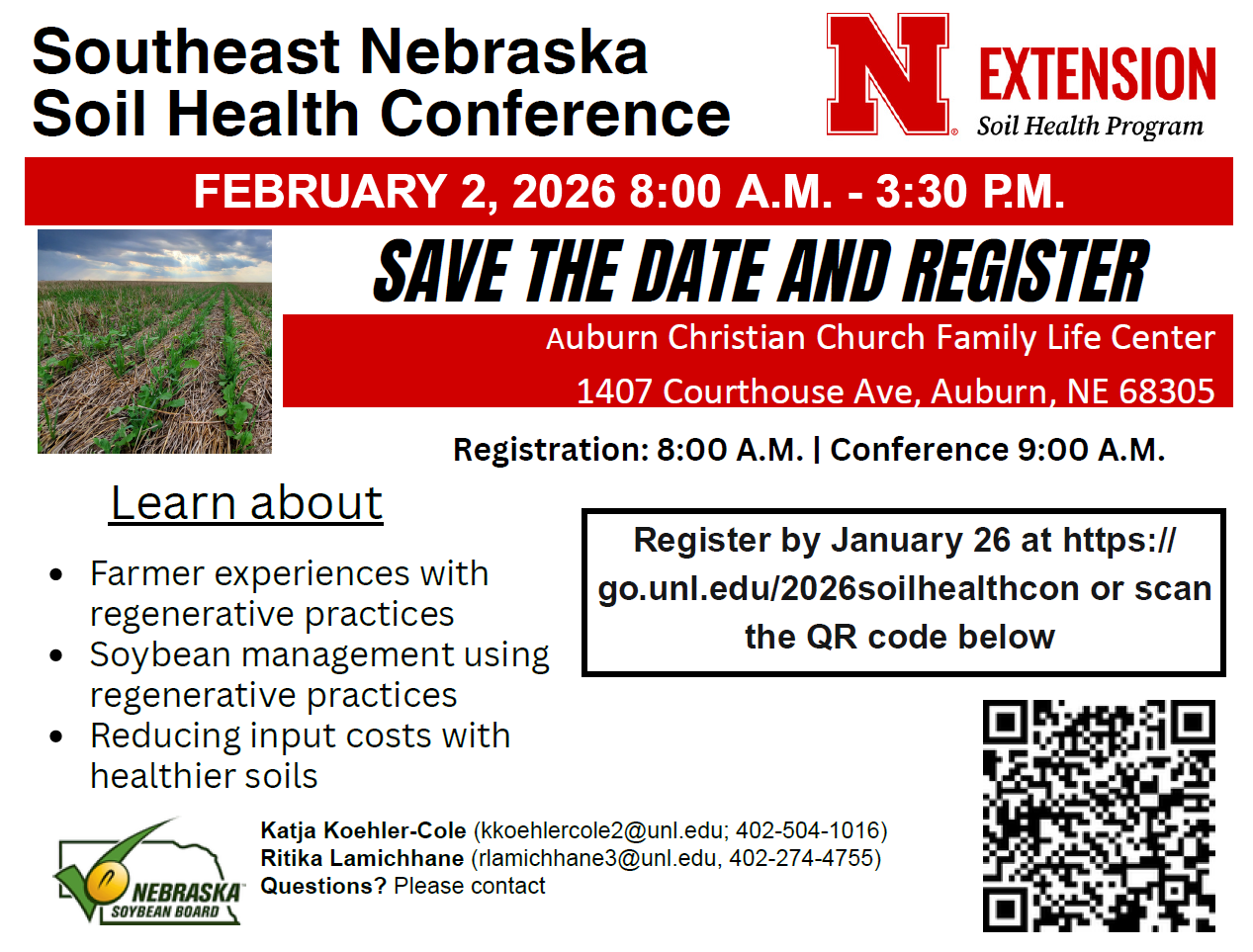
Upcoming Meetings: A quick note of upcoming meetings including the Nebraska Corn Clinic in Aurora on Jan. 28, Eastern NE Soil Health Conference in Auburn on Feb. 2, and my first Friday in February conversation on “Beginning your soil health journey” on Feb. 6th in York. Flyers are below or can be found at https://jenreesources.com/upcoming-events/.



Posted on January 25, 2026, in JenREES Columns and tagged endangered species act, pesticide application, pesticide application regulations. Bookmark the permalink. Leave a comment.


 JenResources
Leave a comment
Comments 0