Category Archives: Storm Damage
JenResources 4/6/25
Storm Damaged Trees have been an increasing concern for homeowners. The cedar windbreaks seem to be the greatest affected and it’s hard to know how much damage has been done until you start the cleanup process. This is a resource from the Nebraska Forest Service on storm damaged trees: https://nfs.unl.edu/snow-and-ice-damage-trees/ and https://nfs.unl.edu/immediate-care-storm-damaged-trees/. Additional resources: https://nfs.unl.edu/pruning-large-trees/ and all Forest Service Resources at: https://nfs.unl.edu/nfs-publications/.
When I look at each tree situation, I look at the overall structure of the tree, if there’s any shelf fungi (look like dinner plates) on the trunk or main branches (indicator of heart rot), any other major signs of decay/disease, and seek to visualize how the tree will look upon being properly pruned. I’m not a forester, but these are quick things I’m looking for. Most of the trees I’ve recommended to keep unless they had obvious heart rot or other issues. Of key importance is to trim the trees back to the bark branch collar to allow for sealing over the pruning cut. There are places in trees with large gaping wounds from the sheer weight of branches tearing and falling. I don’t know how they will all heal and seal, but trees are pretty amazing at what they can withstand. Some of these trees have an odd-shape after pruning, but you can always make the decision to remove them later.

There have been some fungus gnat outbreaks after removing trees, especially entire windbreaks. The decaying organic matter in the soil in addition to exposed moist soil can allow for fungus gnats to thrive. They typically only live 7-10 days, but in that time-frame, the female can unfortunately lay hundreds of eggs multiple times. Thus, why a few are reporting “millions” of gnats in their farm yards. I don’t have a good answer for you on managing this. Numbers will be reduced once the soil dries out in the top two inches or so. Unfortunately, this situation will most likely take three to four weeks to potentially resolve until the gnats find a new home and/or die. If they get into your home, you can use yellow sticky traps to catch them and also shallow pans of dishwater.
Vegetable Planting Guide that was compiled by emeritus Extension Educator Gary Zoubek can be found at: https://go.unl.edu/vegetableguide.
Ground covers: The following is information from April’s ProHort Update at:https://hles.unl.edu/update042025/. Ground covers can be a great alternative to mulching the landscape bed while providing habitat for pollinators and season-long interest. They will spread and cover the ground via rhizomes or stolons while also reducing soil erosion. That makes them a great option instead of grass on a steep slope where it is hard to maintain turf. There are many native or well adapted groundcovers to choose from. Here are a few groundcover options for spring color:
- Prairie smoke (Geum triflorum), grows great in sunny, dry locations, blooms from May to July
- Sweet woodruff (Galium odoratum), grows great in dry shade, blooms April-May
- Carpet bugleweed (Ajuga reptans), grows in moist shade with blue blooms from May to June
- Creeping phlox (Phlox stolonifera), good bloomer in shade with purple blossoms in spring
- Pasque flower (Pulsatilla patens), very early spring bloomer with purple blossoms in full sun
- Candytuft (Iberis sempervirens), showy April-May bloomer in full sun
- Lungwort (Pulmonaria officinalis), small pink-blue blooms in April-May in part to full shade

July 2024 Crop Update
The past 10 days, my top questions have been around fungicide recommendations, control of Japanese beetles, and hail damage. I feel there’s an increasing segment of agronomy that is focused on preventing pests based on fear. I’m grateful for those agronomists who only recommend products when warranted by scouting.
Some thoughts, although not popular, for consideration. Fungicide for white mold in soybean is pricey. If the field didn’t have a history of white mold, I wouldn’t recommend applying a fungicide for white mold. For seed corn fields without a history of white mold, I’d wait to see if white mold develops. If too fearful, would only apply one application at R2. Only fields with a history of white mold would I be considering preventive fungicide applications. And in those fields, if the beans had been planted green into a small grain and/or if a biological product with activity against white mold was used, would suggest scouting and applying only if white mold was present. Fungicide efficacy ratings: https://cropprotectionnetwork.s3.amazonaws.com/soybean-foliar-efficacy-2024.pdf.
Hail: Looked at quite a bit of hail damage in Clay/Fillmore counties last week. Always so hard to see beautiful crops impacted or destroyed. Some hail resources for you: late vegetative/tasseling in corn: https://go.unl.edu/y3of, Soybean decisions: https://go.unl.edu/z7ad; and hail damage info. on my blog at https://jenreesources.com.
Corn Diseases: There’s very little I’ve seen in fields. Bacterial leaf spot (BLS) is common on hybrids and can be confused with gray leaf spot. BLS has longer, thinner lesions with wavy lines when looking at the lesions closely. I’ve seen quite a bit of Goss’ wilt, as early as V8. There’s nothing we can do for either BLS or Goss’s as bacterial diseases, but it’s good to be aware they’re occurring.
Tar spot has been found in Richardson, Nemaha, Saunders, Dodge, Colfax counties but not in our area. Southern rust has been found in northeast Kansas. I still recommend waiting on fungicide applications until we need them. Research found that products applied between tasseling and milk when tar spot was present in low amounts (5%) was effective in controlling tar spot most years. So, waiting could be wise with tight economics, particularly if tar spot, gray leaf spot, and southern rust come in later.
Japanese Beetles in crop fields: Usually the beetles congregate in areas in the field and not whole fields. So even at a 20% defoliation in soybeans during reproductive stages, it’s been hard to pull triggers for spraying because it’s not field-wide defoliation (and we’ve seen soybeans recover in the past). For corn, the threshold is 3 beetles per ear with silks clipped less than ½” and 50% or less of the field is pollinated. A challenge with Japanese beetles is that we have another potentially 4-6 weeks of emergence from grassy areas. So, one can spray an insecticide, but it’s not uncommon to see the beetles damaging fields again once the residual wears off. Spidermites can also be flared upon insecticide applications. Some consider a border app since they begin feeding in the borders. So, those are all things to consider.
Sevin and Japanese Beetles: For homeowners, PLEASE read the pesticide labels before applying products (even if you’ve used that same product in the past). I do mention Sevin as a product that can be applied in different situations in this guide: https://go.unl.edu/xgd6, but not all Sevin formulations are the same; thus, not all the same plants are labeled! We’ve unfortunately seen some plants injured to the point of death in the past. So please, double check that the plant is labeled before applying an insecticide product to control the beetles.

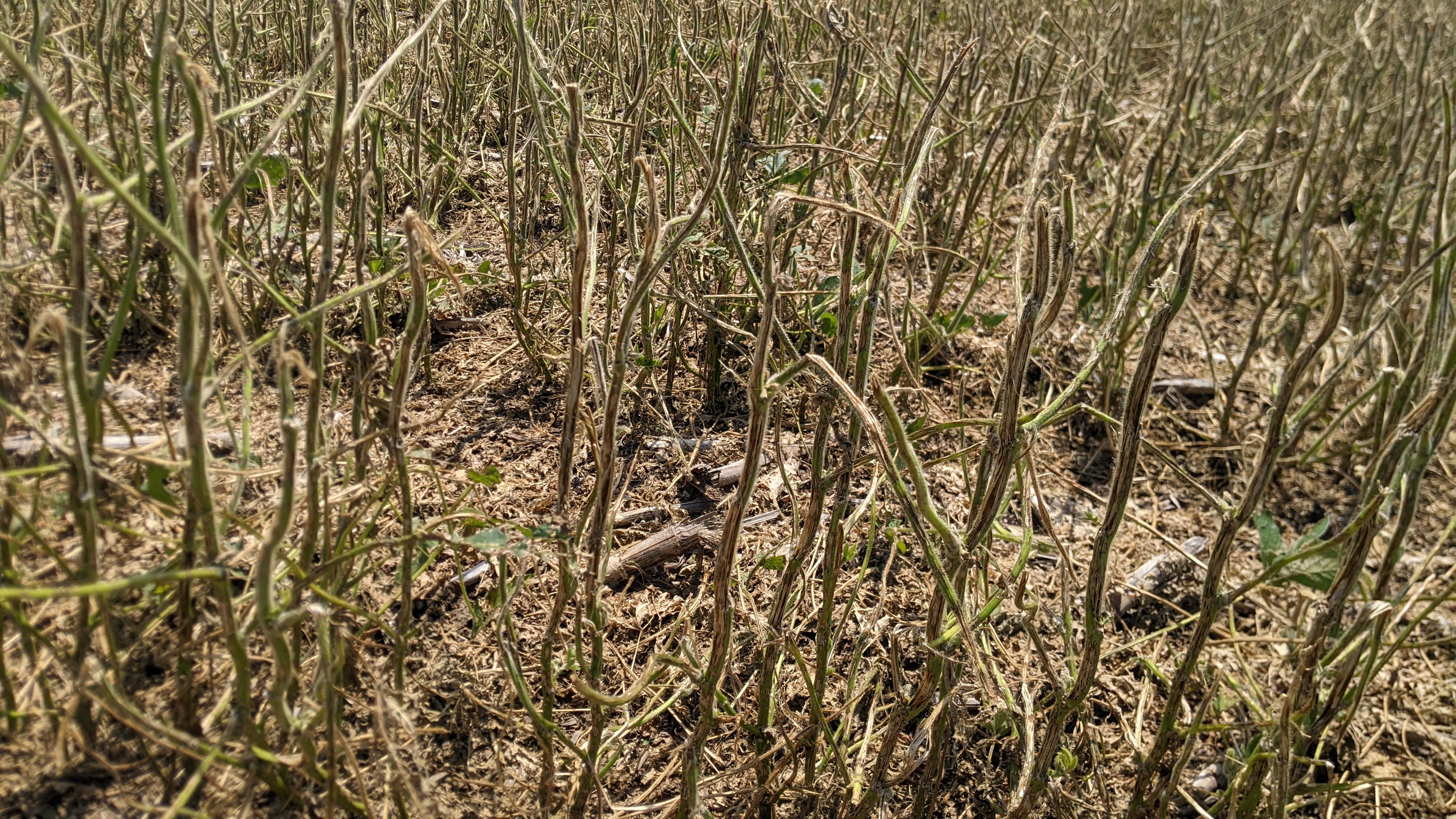


For soybean damage, the situations with pictures shown here (other than the top right) will recover. These fields are already showing new growth in axillary buds including new leaves and flowers. While some canopy was lost, they will look a lot better in 7-10 days. Look for areas of the field (lower right picture) that were protected such as by trees and/or pivot tires, to determine the original development stage when the soybeans were damaged. In the case of the upper right photo, those beans were planted the week of April 10th and were already at a strong R4 to beginning R5. By R5, soybeans will not recover because all new node, leaf, and pod development ceases. If considering to replant any beans, there’s risk of using later than a 2.5 maturity variety with a July 15th planting date in reaching maturity before a frost. By July 20th, aiming for closer to a 2.0 maturity is wise. Also, if you’re replanting into soybeans, we’ve found a fungicide seed treatment is wise as phytophthora root rot tends to be a problem in replant.
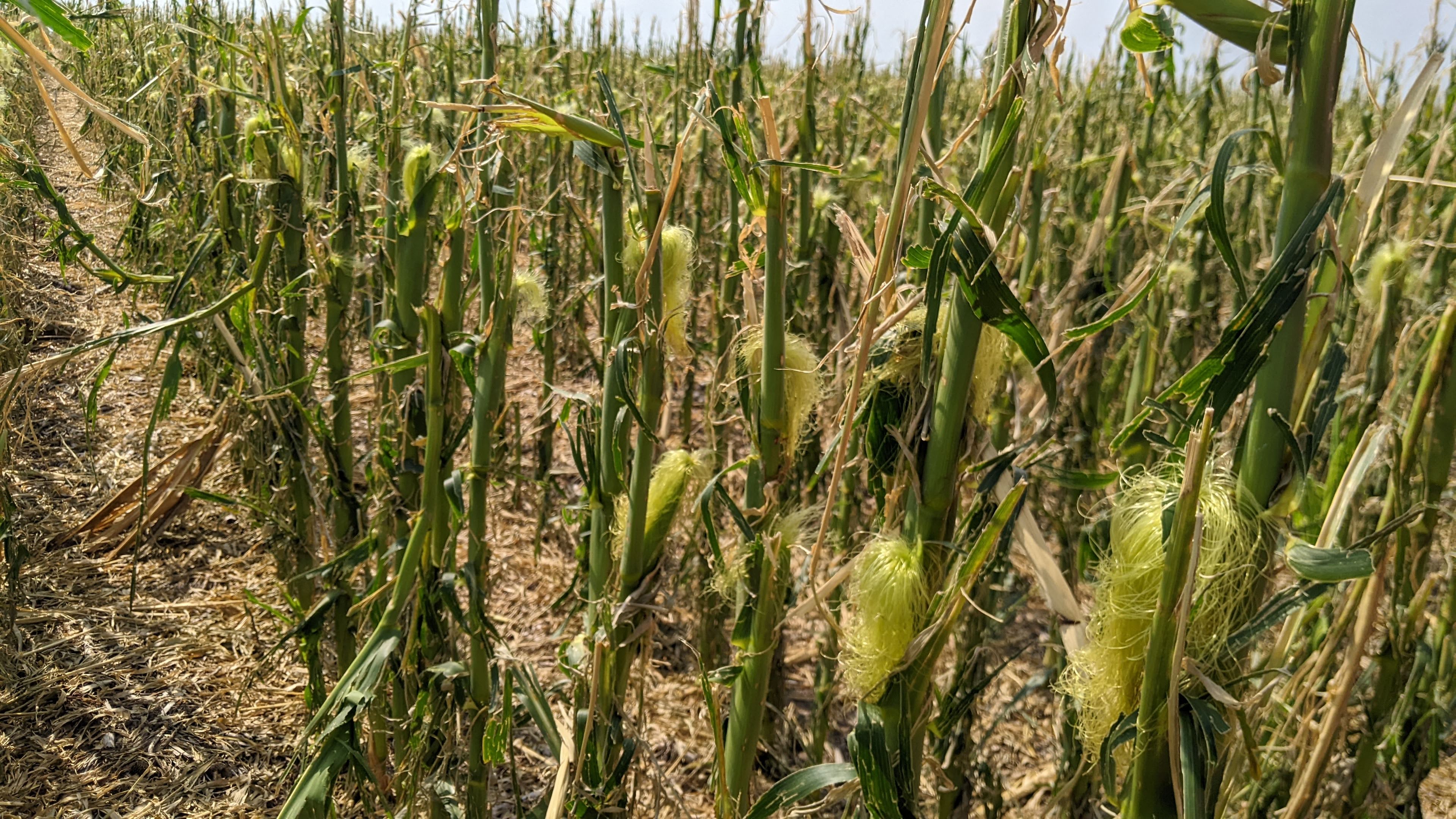




For corn, much of the corn I looked at has mostly leaf stripping and will be ok. There’s also bent/broken plants. Fields vary in the amount of stem bruising. When taking stand counts, I push a little hard on plants to see if they break off when I’m taking counts. A rule of thumb we’ve used in the past: every plant in 1/1000th of an acre we give 10 bu/ac to. So, a count of 12 plants has a potential of 120 bu/ac. That may seem crazy; it depends on how things pollinate, how damaged the ears are, final stand, etc. but it has been in the ballpark in enough cases for me to still use it as a guideline for making hail damage decisions.
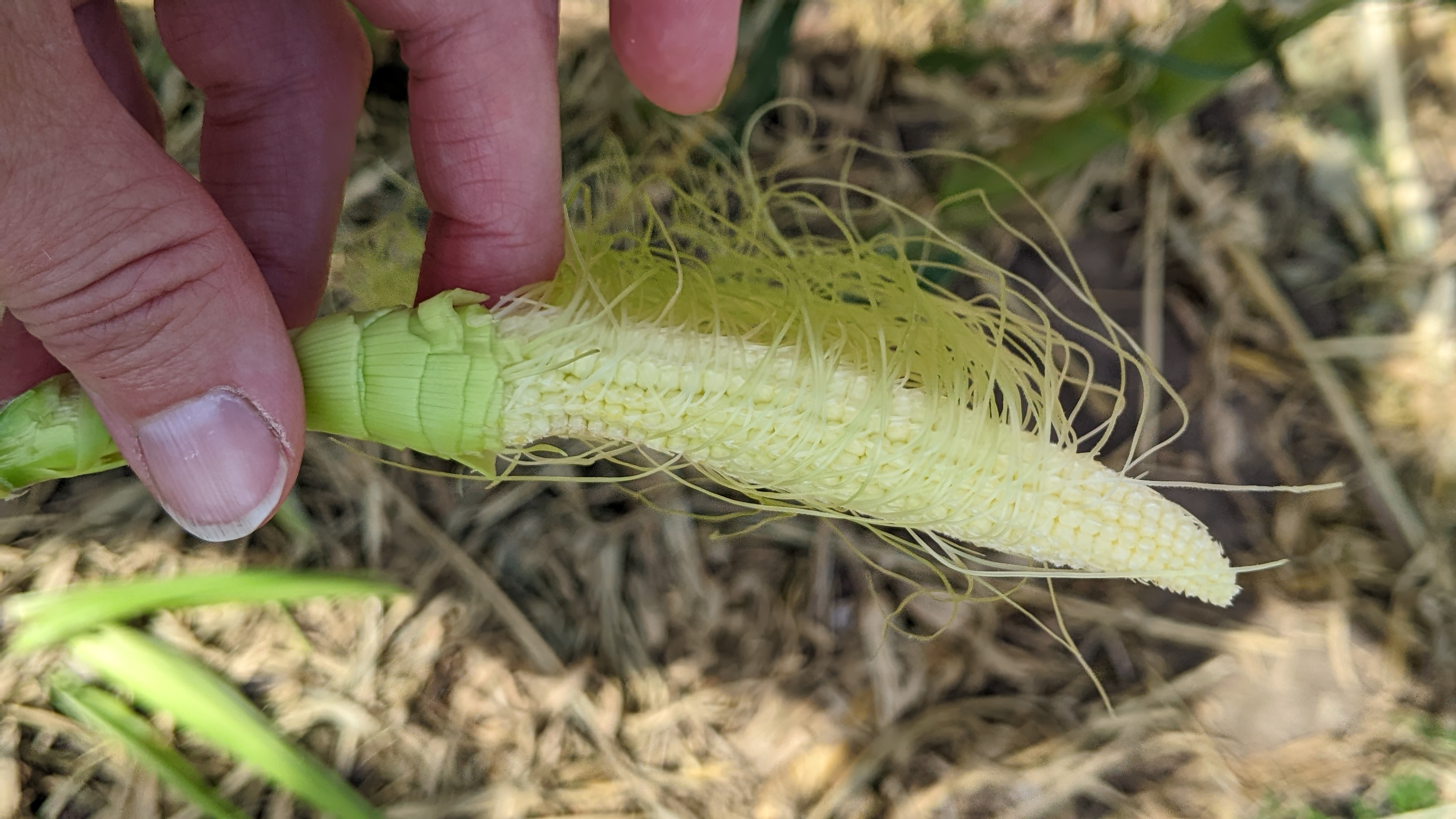
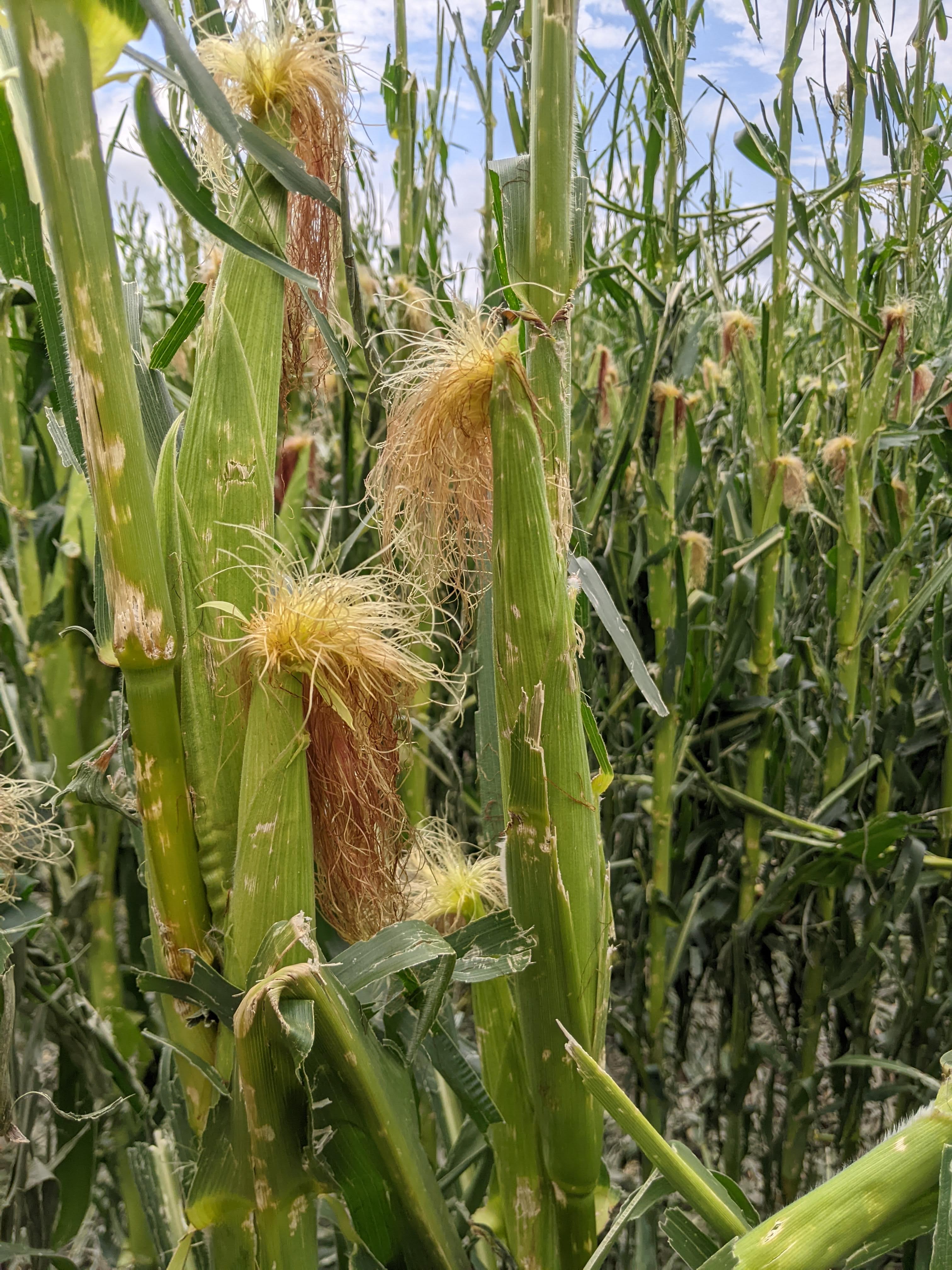
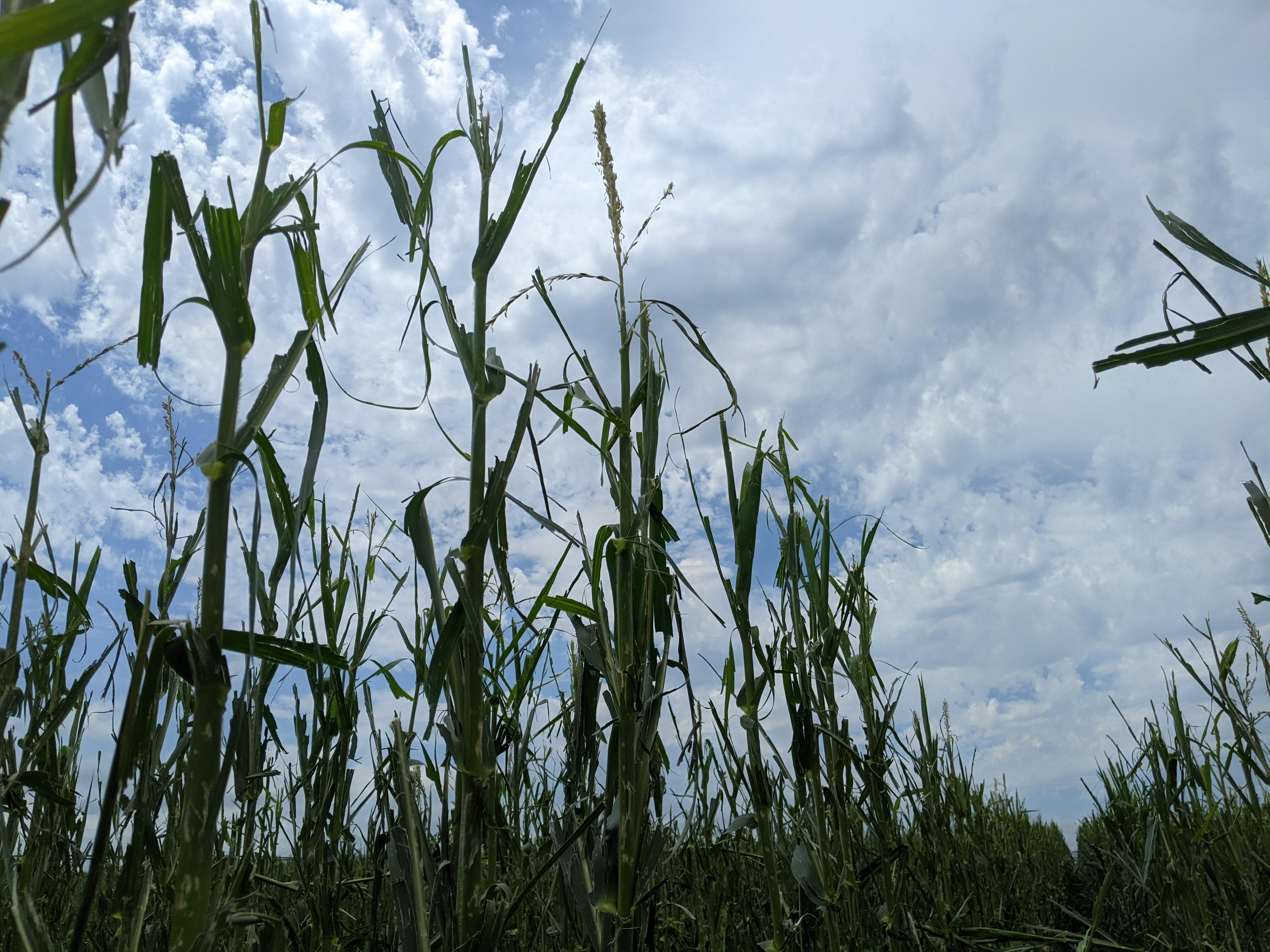
In these photos, the fields were far more severely damaged. There’s fields like we saw in 2023 where 1/3 of the field or less still has tassels (top left and middle photos). We saw crop insurance delay that decision in the past to see how the ears would pollinate. I’m not sure what they will decide this year. I was seeing a few brown silks in some of these field situations, but it’s super early too. There’s also a large number of dead tassels in these fields (bottom right photo) that won’t provide any pollen. Tassels remaining tend to be wrapped in the newer leaves but as you see in bottom, middle photo, the tassel is trying to shed pollen inside the trapped leaves. Ears may be misshapen and damaged due to hailstones and/or being damaged and unable to emerge from sheaths (bottom left photo).
What we learned in the past is that palmer comes in quickly once the canopy opens. One can consider warrant with drops as a layby depending on how much Group 15 had been used in the field. Most chose not to go that option. Some seeded covers like brassicas/small grain into fields not totaled (flew on or haggie). Most let the palmer grow.
In the top right photo when fields were totaled, some allowed the weeds to grow and grazed with cattle or sheep. Some seeded a summer annual cover like sorghum sudan/sudangrass/pearl millet. In 2023, several crop producers chose pearl millet so they didn’t have to worry about prussic acid poisoning for those bringing in livestock or wanting to hay. Others just waited till later in the year, shredded down the stalks and planted in a small grain like oats or rye. The “blessing” with a decision in July is it can allow for more time to make a decision compared to if we were in June and the primary option was to replant. That perhaps was the biggest lesson I learned last year in working with producers. If you have specific questions or want to talk through decisions, please give me a call.
Also, it’s important to recognize that these disaster events create loss…in this case, loss of crops, pivots, bins, not only in irrigated acres but in a lot of non-irrigated acres that had more potential than most have seen in years, much less their lifetime. It’s ok to have a range of emotions surrounding this. And, it’s common to feel stressed, numb, and not want to make a quick decision. If I’ve learned one thing in my career, it’s the fact that as people, we all just need to talk about the stress and emotions we all face at times with someone we trust. My biggest piece of advice is to talk to someone just to get outside of one’s own head. There’s so much stress in life, not to mention in ag. The most common comment I’ve heard from people the past several years was they just appreciated being able to share with someone about the stress and what they were feeling. There’s also a number of mental wellness resources on the front page of CropWatch at https://cropwatch.unl.edu.
Resources:
- Summer annual forage grasses: https://extensionpubs.unl.edu/publication/g2183/2013/pdf/view/g2183-2013.pdf
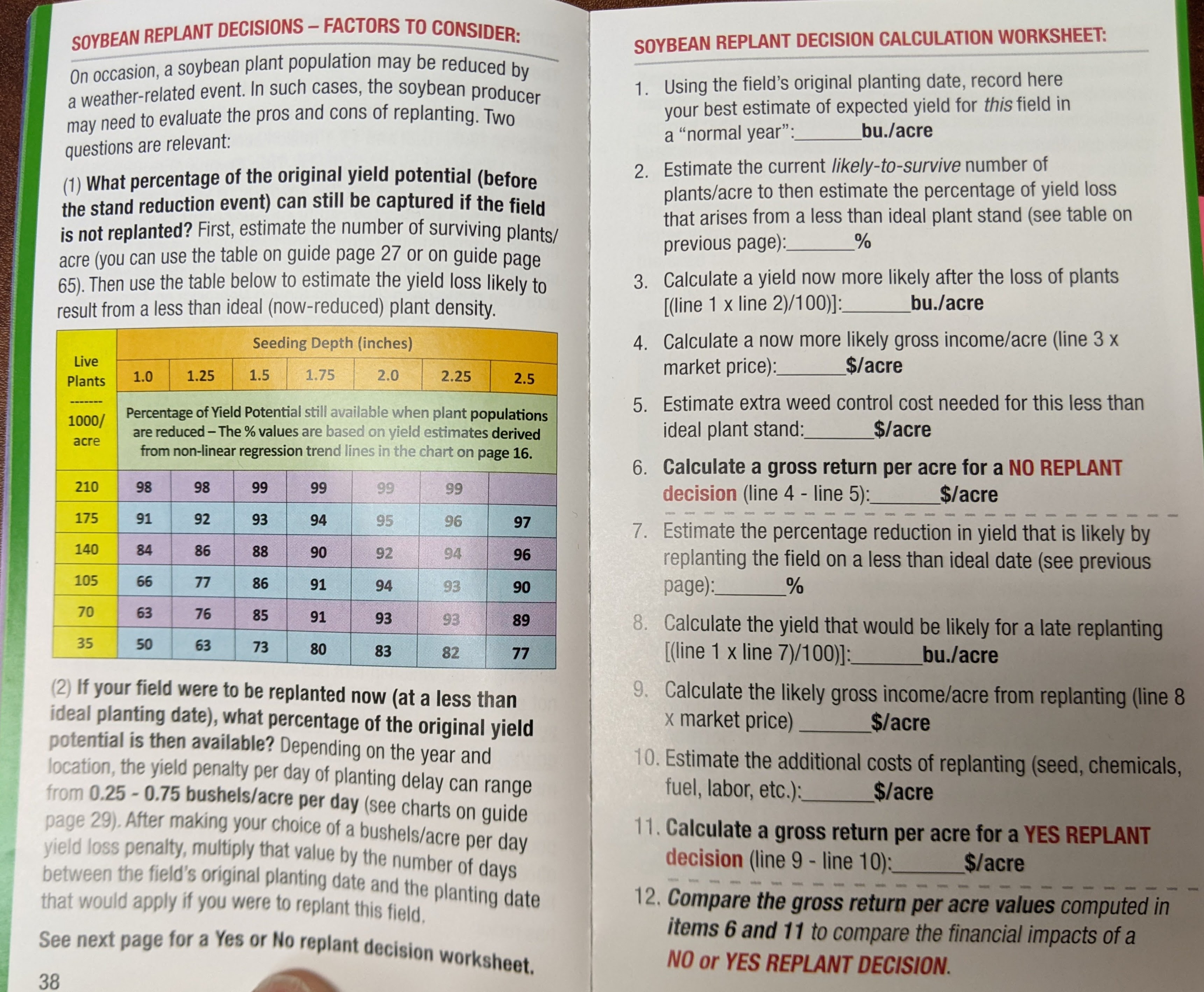
- Making soybean replant decisions-what we learned: https://go.unl.edu/z7ad
- Corn damage to late vegetative/tasseling corn: https://go.unl.edu/y3of

More information and registration at: https://www.grazemastergroup.com/events.

JenREES 7/30/23
150th York County Fair: Hoping you can attend the 150th York County Fair this week! Full Schedule of

events at: http://www.yorkcountyfair.com. Raffle tickets are being sold for the York County Fair Foundation with proceeds used for projects at the fairgrounds. Only 400 tickets will be sold at $50.00 each. A total of 56 drawing winners will receive $150.00 each and the winning tickets get put back in the drawing for additional chances to win. Drawings will occur weekly from the first week of October 2023 through the last week of September 2024 (and daily winners during the 2024 York County Fair). Tickets can be purchased from Ag Society or Fair Foundation members, at a Fair booth in the Mercantile building during the County Fair, or at the York Co. Extension Office till Sept. 30 (or until all tickets are sold).
Weather Impacts: I keep saying we’re a long way from harvest and it seems like we continue to face difficulties. For me, it keeps reminding me that I’m not in control but I can look to and trust the One who is. Many worked so hard to keep livestock safe. Feel for those who unfortunately lost livestock to the heat and humidity. Farm Service Agency (FSA) asked that we remind producers of the Livestock Indemnity Program and to report livestock losses within 30 days of the losses occurring. Please call your local FSA office to provide an official notice of loss. The local office will share with you what is needed for appropriate documentation of losses.
It was a blessing to receive a widespread 2” of rain on Saturday morning! Also good to see something planted into some hail damaged fields. As storms continue to occur in different areas, what I’ve shared earlier in regards to forages still applies. Summer annuals can still be planted through Aug. 15 (unsure on haying depending on weather, but definitely can graze).
Flying/spreading oats, rye or other small grains with or without brassicas continues to be an option as well. Palmer is emerging. 2,4-D amine and 2,4-D ester are both labeled as “anytime” for applying before seeding any small grain. Read the specific label for any restrictions. Oats give the most fall forage. Earliest greenup in the spring is rye followed by wheat followed by triticale. Triticale will provide the most spring biomass but it comes on late (think June time-frame for haying).
Drought: By Friday afternoon, non-irrigated fields rapidly turned, were firing, and using fields for forage was the question, particularly from Nuckolls Co. I think most were just thinking ahead to having plans in place should they be needed. Reminder again, the field needs to be released by crop insurance. I called Dr. Mary Drewnoski to talk through grazing corn in brown silk to milk stages. We’re treating this as immature corn. So the considerations we gave before were the fact that nitrates would exist but that cattle would self-adapt as they graze the tops first. Any ears present will be mostly water. Mary’s main concern at this point was how much could be knocked down and under-utilized by allowing the full field vs. larger strip grazed areas. One can supplement with a few pounds of grain or with hay. She mentioned to not feed a non-protein nitrogen source (ex. lick tubs) when feeding high nitrate forages. Don’t turn out empty and allow access to plenty of fresh water. If plants end up completely brown before they’re released by crop insurance, it won’t change the nitrate concentration of those plants. Options at that point are still grazing or ensiling. For those who’ve shared they really want to hay the corn, know that your nitrate concentration will be highest with that option. Cut at least 8-12” above the ground. I would recommend sampling for nitrates after baling and also only consider this option if you have the ability to grind those bales and mix in a ration. Do NOT harvest or graze for at least three days following rain that “breaks” drought conditions. The rain causes an uptake of nitrogen from the soil, which is translocated into the plant. After three days, the nitrogen will have been converted to plant protein and is no longer in dangerous form.
Whether for drought or hail damage, for those trying silage, reposting Dr. Bruce Anderson’s silage info. “Fermentation usually (but not always) reduces nitrate levels and risk. Yield is about one ton per acre of silage for each harvested foot of earless corn plant (not counting the tassel). Feeding value is about 70% to 80% of well-eared corn silage. Corn with some grain (less than 50 bushels) tends to produce about one ton of silage for every five bushels of grain with a feed value about 80 to 90% of regular corn silage. Harvest timing is critical with silage to ensure the correct moisture for proper fermentation. Desired moisture level for silage is about 65%. Plants with any green leaves usually are too wet to chop for silage. For proper moisture, most leaves may need to be dead before chopping. The stalk and ear hold amazingly high water concentrations. For corn with no grain, even if all leaves are dead, the whole plant (and silage) moisture can be 70% if the stalk is still green and alive.
Once plants actually die they can rapidly dry down. There are several ways to reduce moisture content. If corn has pollinated, delay silage harvest until all chances of increased biomass tonnage have passed or plants naturally dry down to appropriate moisture levels. Corn can be windrowed and allowed to partially dry before chopping. Excessively wet material can be blended with drier feeds such as ground hay, cracked grain, or dried distillers grains. However, this can take a lot of material — about 500 lb of grain or hay to reduce each ton of chopped corn with 85% moisture down to 70% moisture. Silage inoculants may improve fermentation and preservation of drought-damaged silage.”




JenREES 7/23/23
Grateful for the rains we had earlier in July for green-up of plants and allowing some to take a little break from irrigating and for beautiful cooler weather during pollination!
Crop Update: There’s no southern rust yet. Minimal common rust, minimal GLS lowest leaves, minor northern corn leaf blight in some canopies. Mostly bacterial leaf streak from wind/hail and also physoderma brown spot which is common once pollination occurs.
Hail Damage Follow-Up: I would describe this week as a roller coaster for all dealing with hail damage again. Each passing day makes decisions more difficult because we’re running out of growing season. First, the fact that you’re going back and forth on decisions is normal-none of us knows the best decisions right now or how this season will end. I’m also grateful to hear how many are seeking input from others! The fact that all our farmers are weary from the stress of drought, irrigating since planting, and now some having to replant is real. The fact that some of you are at the point of being ‘done with trying to do something with damaged fields’ is also a common theme. Conversations I’ve had if it helps:
Beans: I can’t guarantee the beans you planted or are planting this week will make it, but a Group 2.0 or less will be close at this point. They are an easier option for some to get something covering the ground. You may feel better seeing something growing in a week.
Annual Forages: Lot’s of back/forth here. You should get enough growth for haying something like pearl millet or sorghum-sudangrass yet, but in the event you don’t, there’s always the option of grazing. I’ve mostly recommended this option for people who have livestock, have someone who wants to graze, or are more familiar with annual forage from an equipment, etc. perspective. I don’t foresee a problem with ‘getting rid’ of forage. If this seems too risky as we approach August or you’re too exhausted to consider this, go with the next options instead.
Ready to be Done but Want Ground Cover: I’m more concerned about palmer control than yields on these fields. We know how sickening harvest was last year. The ‘easier button’ at this point is to have someone fly or spread on something for you. There may be opportunities to use ground rigs from seed corn fields. You wouldn’t have to do anything with stalks right now.
- No livestock: If you want something to winterkill, options are a small grain like oats, brassicas like turnips/radishes, or if you don’t want the ‘divots’ from the bulbs, consider forage collards (more expensive). Rape is also an option. If you want something to survive winter, use rye or wheat.
- Livestock: The above are also options for those with livestock or those who may have someone to graze stalks. The stalks, regardless of height, can still be grazed at some point.
Hail Damage Recovery: Seeing new leaves on soybean plants. The problem is how many of these plants were close to R5 (beginning seed) at the time of hail. Fields that were R3 have more flowers coming, but fields that were in R4 or later are mostly just showing leaves with very few flowers. So, the pods that are currently out there are mostly it for what can be produced. For corn, in these fields with 25% or less tassels, pollination is spotty and poor. Some fields, there’s quite a bit of hailstone damage with mold already developing…I’m not trying to be a downer, just honest on what can be observed. Please take care of yourselves! Rural Response Hotline: 1-800-464-0258.
Field Days: July 31st at 7 p.m. is the Precision Fertigation Sunset Seminar at Jason Richter’s field on Road 8 between the York/Seward County line road and Road W in York County. This is an on-farm research study using the Sentinel Fertigation technology I’ve shared about…to apply fertilizer based on when the plant says it needs it using satellite imagery. Thank you to Jason for hosting! More info. and RSVP here: https://www.sentinelfertigation.com/sunset-seminars.
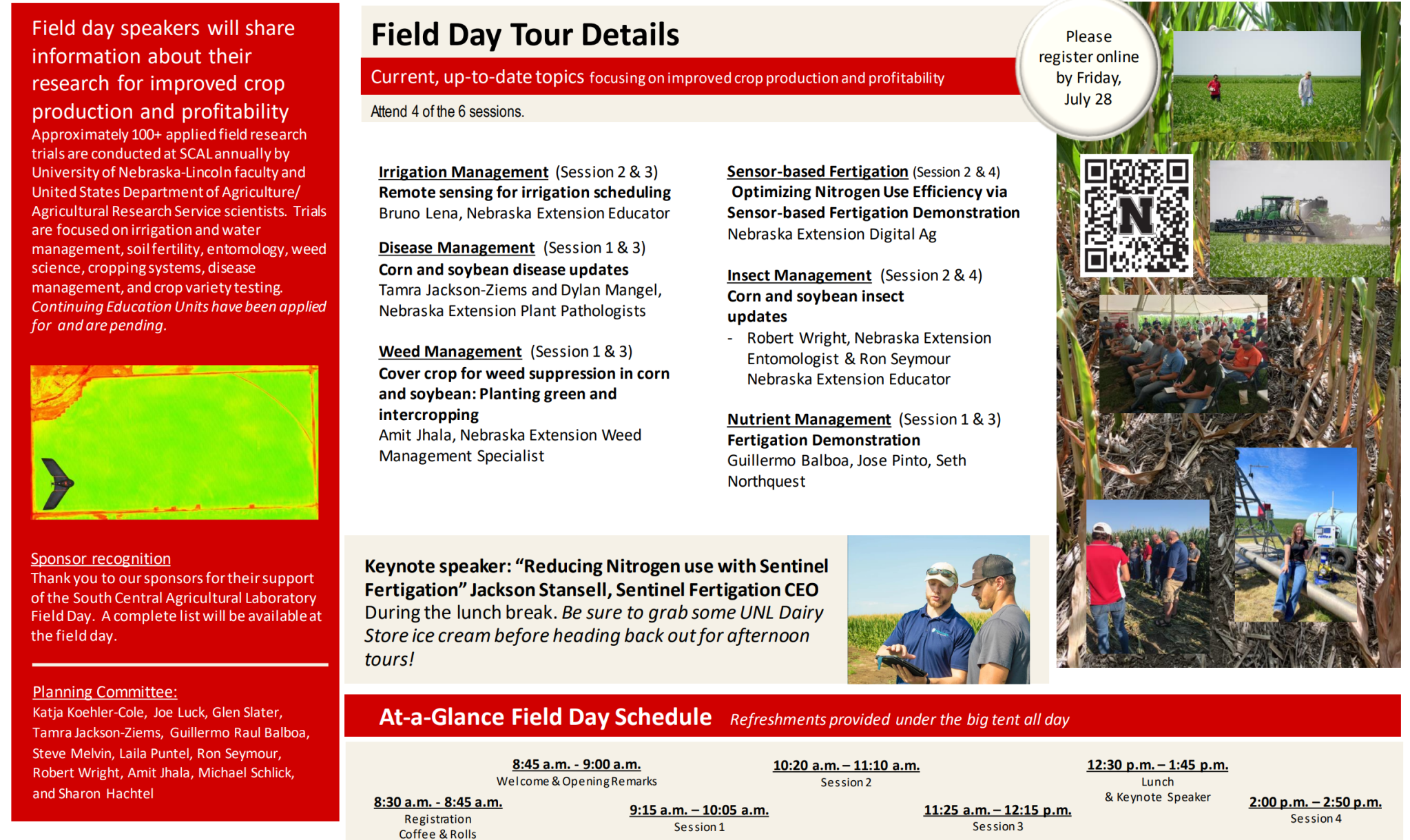
August 1 is the South Central Ag Lab Field Day near Clay Center from 8:45 a.m.-3:05 p.m. (Reg. at 8:30 a.m.). You choose the tours you attend from topics such as nutrient, disease, weed, irrigation, insect management. Noon speaker is Jackson Stansell with Sentinel Fertigation on “Reducing Nitrogen Use With Sentinel Fertigation.” RSVP at: go.unl.edu/scalfieldday.
August 3 is the Drones in Ag field day at the ENREC near Mead from 8 a.m.-2:30 p.m. (Reg. at 7 a.m.). This conference serves as a platform to exchange knowledge and experiences among participants. Topics include how to fly drones legally in the national airspace, including requirements to fly sprayer drones, practical uses of drones in agriculture, and tips and tricks to successfully use drones in a business. CCA credits pending. Details and RSVP at https://neata.org/.


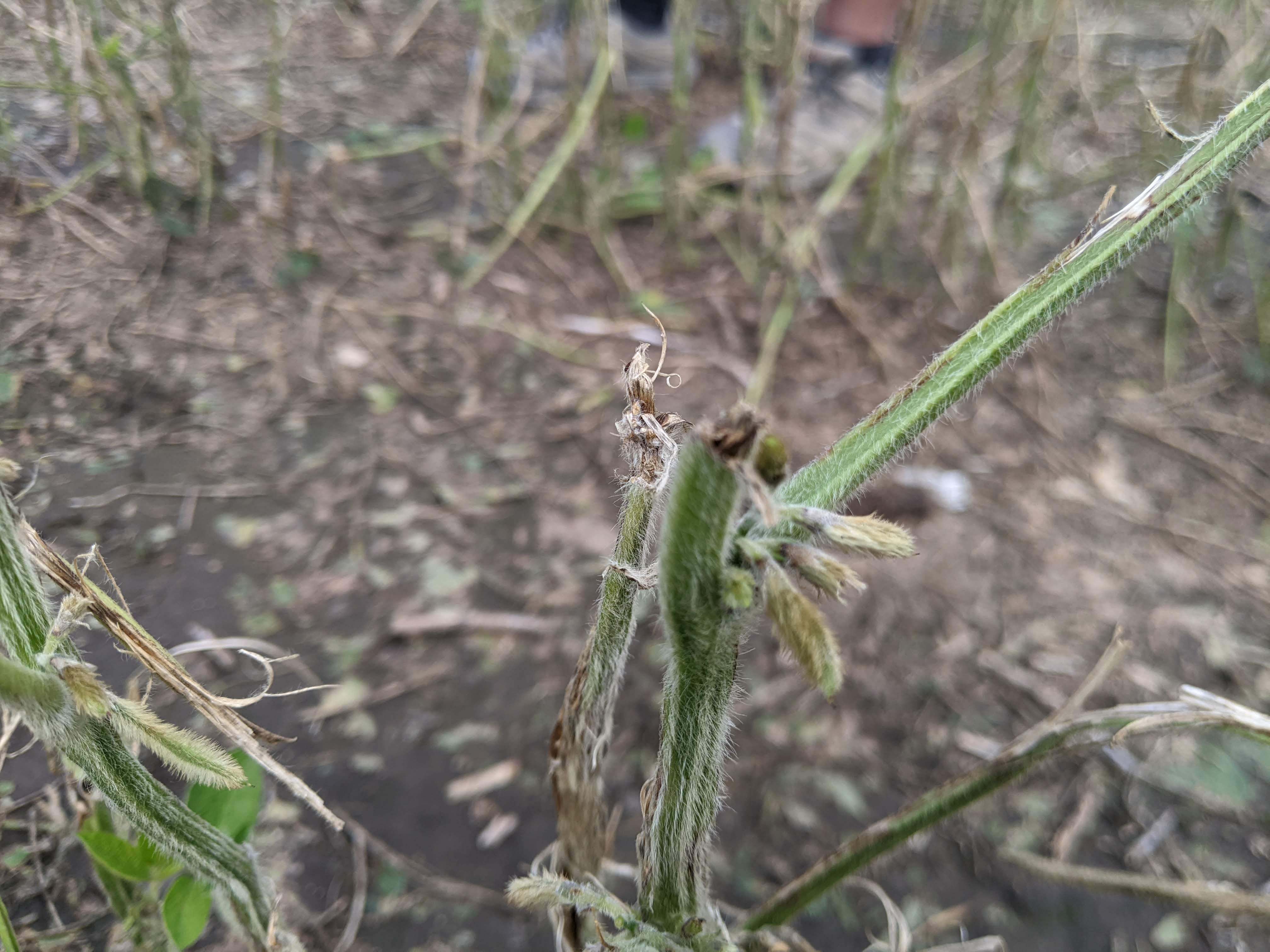
Anyone else seeing this? Hard to tell in the pic but tried to draw lines. I’m seeing the old check strips left from last year showing up as greener than the rest of the fields in these fields hailed again this year. Unsure why…more N perhaps there? Also showing soybeans with pods that survived the hail in different fields where I’m not seeing new flowers.
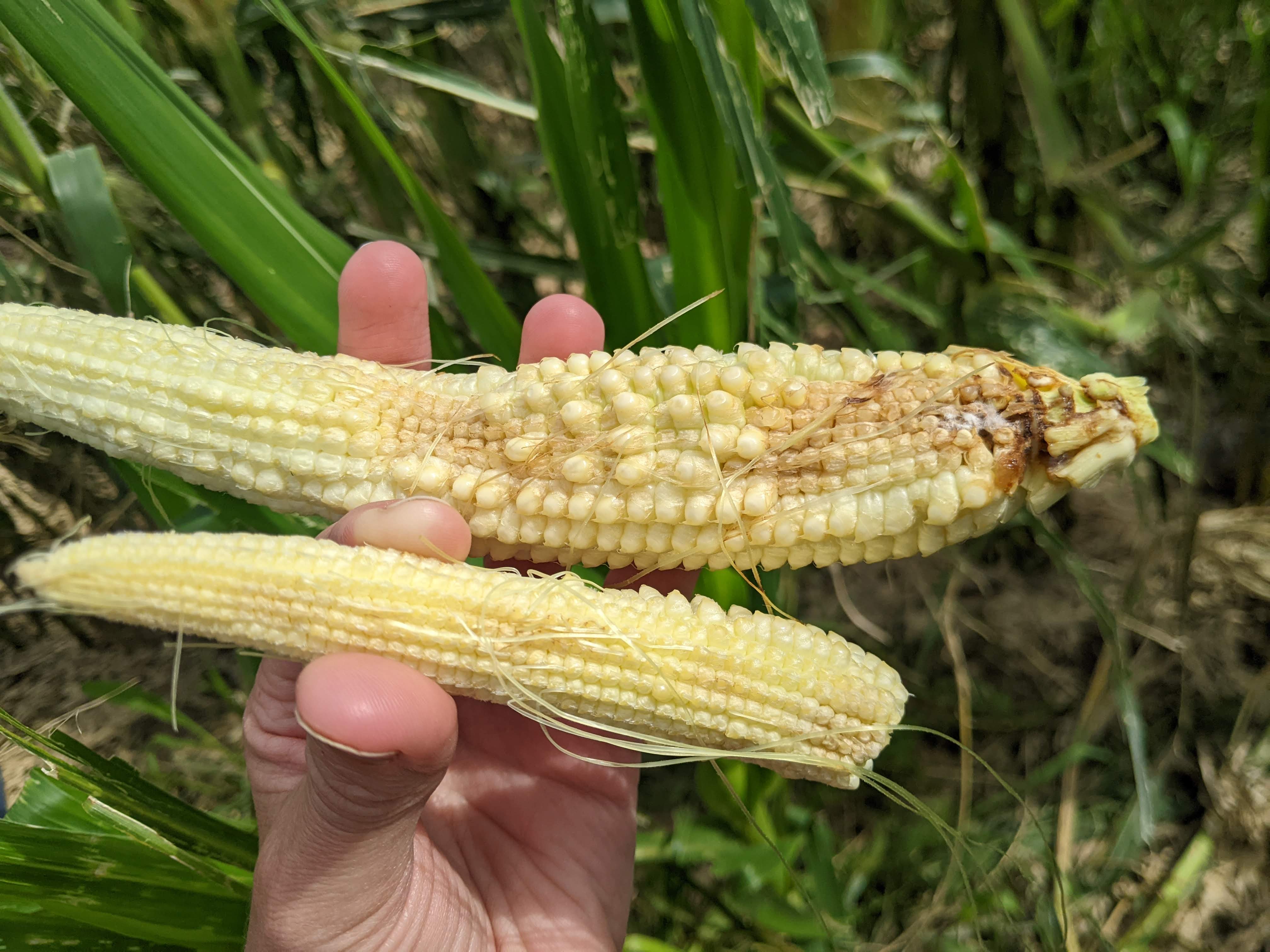
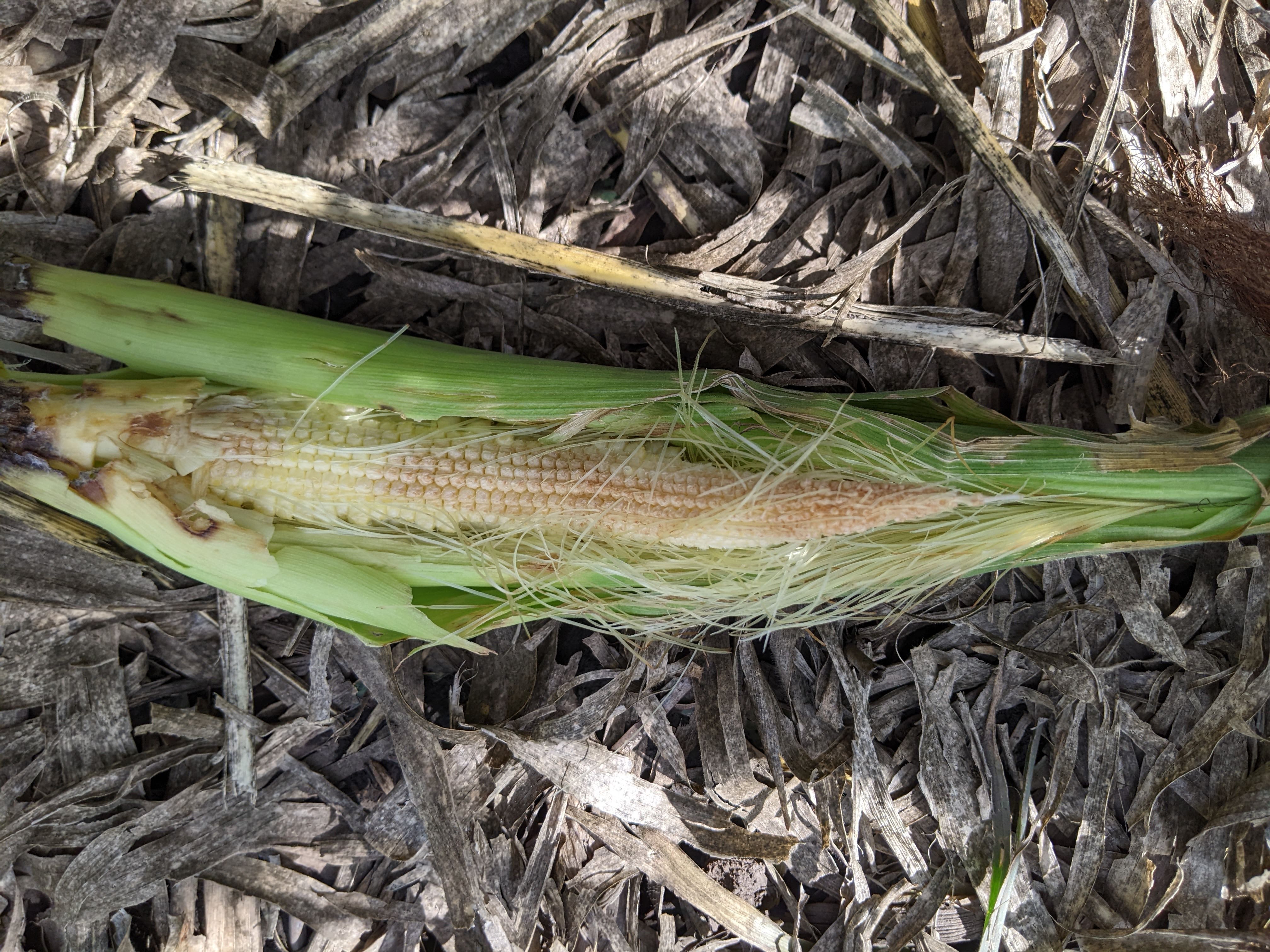
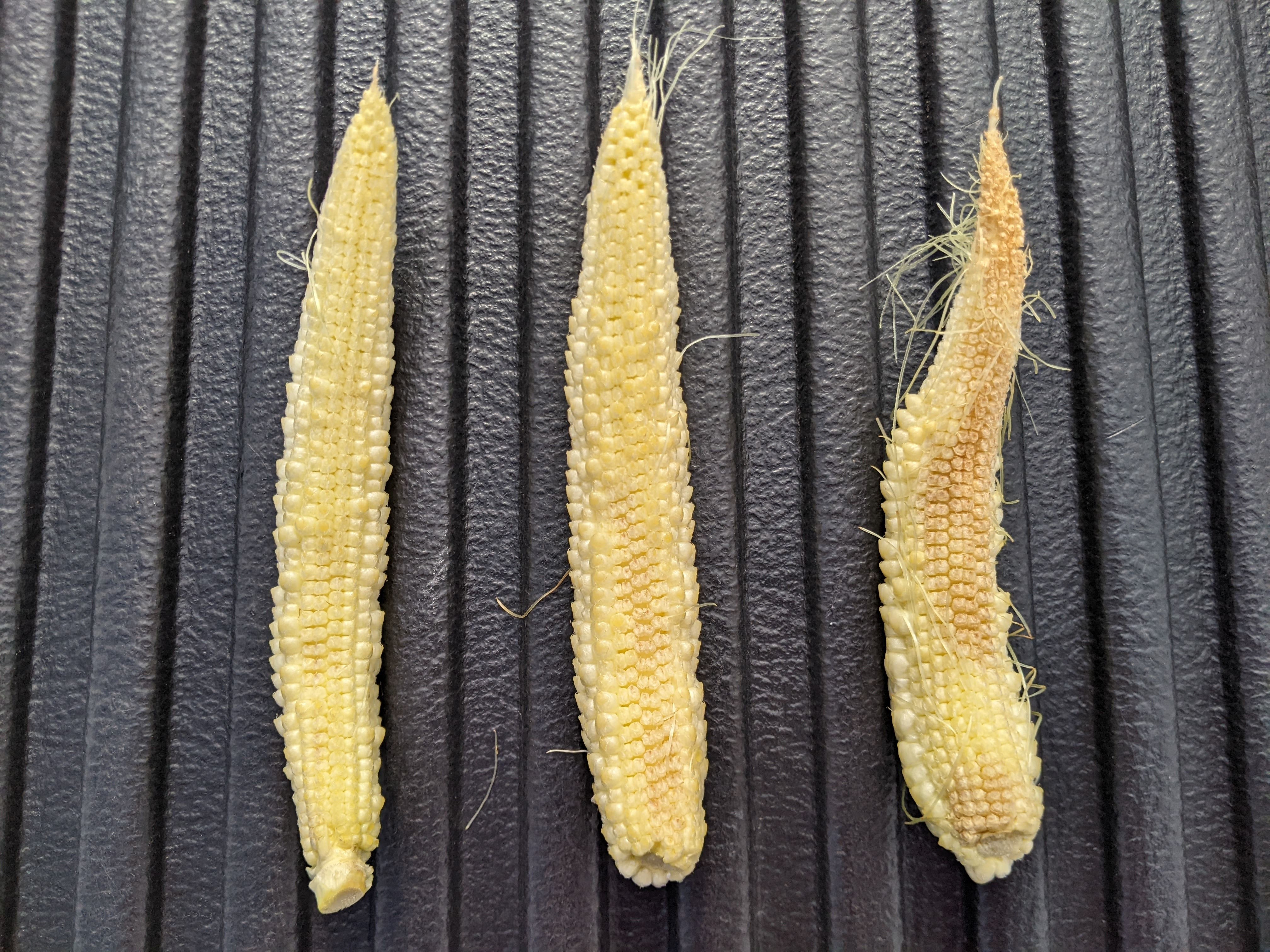
Can see pollination had occurred on some kernels showing blister development and a lot of ugly looking ears between lack of pollination and from hailstone bruising. The top ear already shows mold growth from Fusarium towards the ear base.

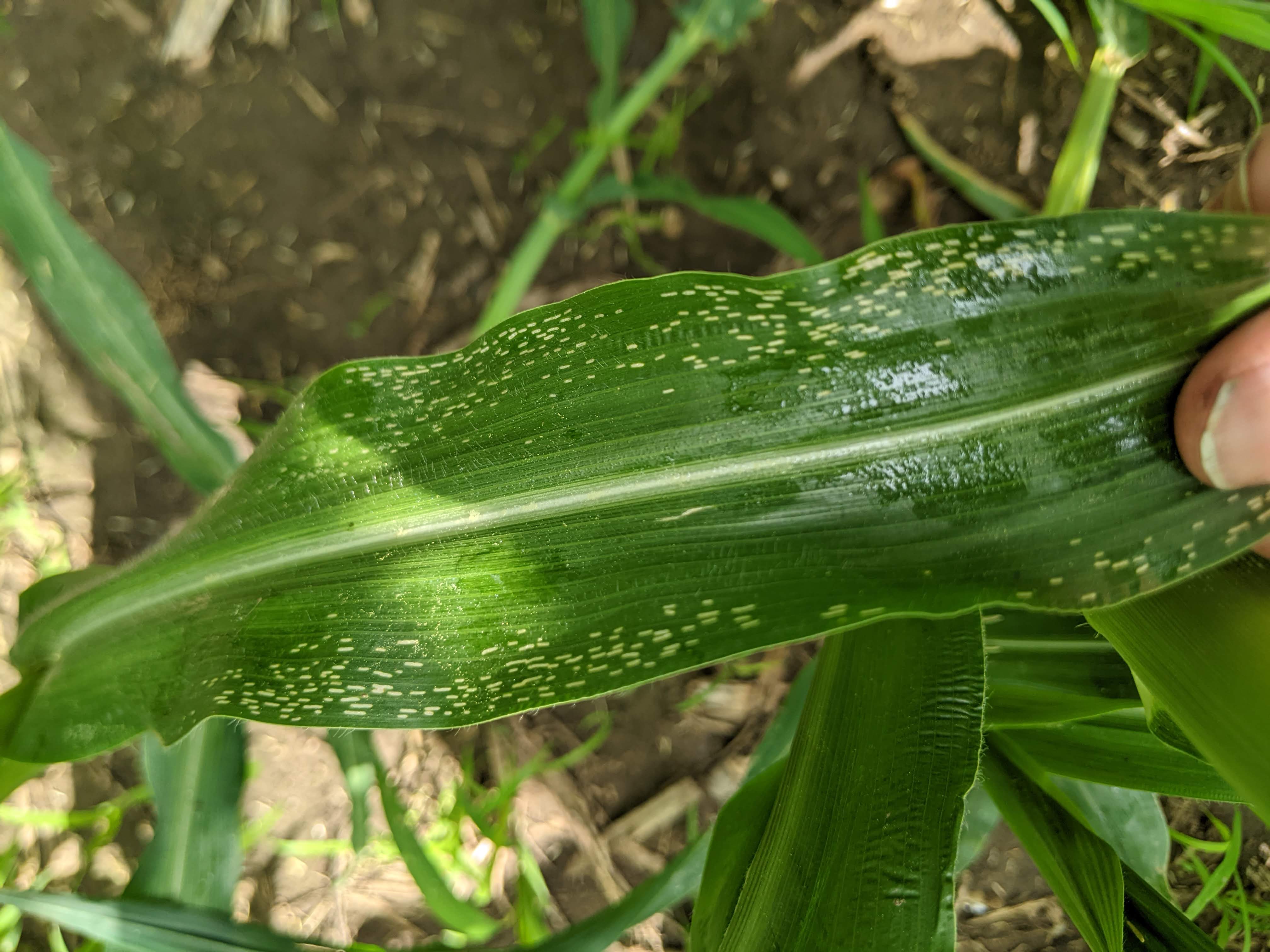
So far nothing to be concerned about regarding corn diseases in fields I’ve looked at. Bacterial leaf streak (above) fairly common in fields right now from wind/hail damage. When backlit, you will see yellow halos around lesions and it looks worse from the back-side of leaves-nothing to do or worry about. Below: Upper left is northern corn leaf blight (cigar-shaped lesions in mid-canopy of some fields); Gray leaf spot (typical rectangular lesion that I found 3 leaves above the soil and not above that); Below that is damage from corn blotch leaf miner adults when the female is making ovipositioning sites; larger lower picture is physoderma brown spot lesions (dark purple/brown spots along midribs, leaf axils and leaf sheaths and also orangish colored ‘bands’ of circular lesions on leaves since this pathogen moves with water. Notice on the top part of this leaf is a white streak that appears transparent; that is from corn blotch leaf miner larvae feeding.




JenRees 7-17-23
(July 4th Left photo and July 10th Right photo of hail damage in Nebraska via Interactive Hail maps).
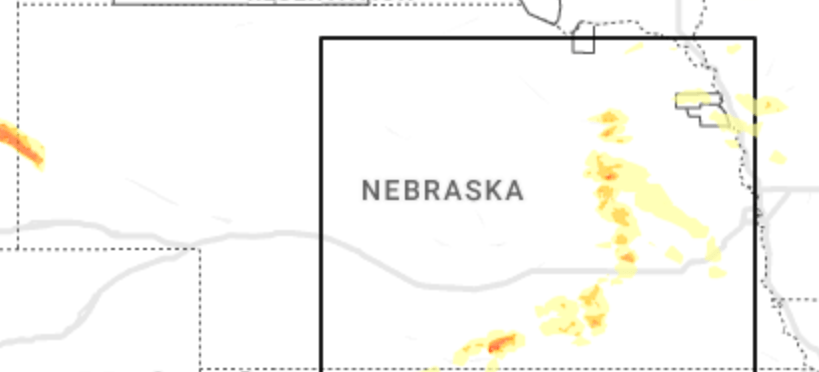

This week sharing on hail damage discussions I had with people depending on their individual field situations, previous herbicide, need for forage, all dependent upon crop insurance decisions. The July 4 and 10th hailstorms impacted an area from north of Thayer into Polk county down through Waco to east of McCool Junction and east through pockets of Utica area and Beaver Crossing/Goehner areas. As I’ve talked with people, there’s another level of mental difficulty in having to see it each day at one’s place vs. driving to fields to see it. Feel for everyone impacted, particularly those of you who were hit the past two years. Perhaps one opportunity now is growing much-needed forage as pastures are gone and many need feed for livestock.
Soybean assessments for yield are difficult when they were at R3-R4 (podding stages) prior to hail. There were new leaves/flowers the day after the storms which will continue to R5 (beginning seed). Tops were very broken on these stems so pods will most likely be low towards the ground from branching.
Soybean replant for federal crop was July 5th. Leaving fields alone is one option. For soybeans that lost most of leaves and upper stems, depending on crop insurance decisions and producer goals, have talked about splitting the rows to plant or else drilling beans (due to concerns of open canopy for weeds). Considerations include costs such as seed and seeding, fungicide seed treatment, herbicides. Increase seeding rate to at least 150,000 seeds/ac, use a fungicide seed treatment, and aim for a Group 2.0 maturity or less to reduce frost risk. A table at jenreesources.com shows yield ranges and when physiological maturity could occur via running historical York weather station data in a model with a July 20th planting date. The clock is ticking for replant soybeans to make seed prior to frost. Beans that freeze prior to maturity are often ‘lima-shaped’ beans at harvest or have an off-green color. That color will lesson some over time.
Others felt bean fields provided an opportunity for seeding forage. In that case, the field needs to be released by crop insurance. Check soybean herbicides used for any replant restrictions; you assume the risk of the cover crop seed germinating if you seed before a restriction ends.
Corn decisions are fairly clear to me. Hail also finished off some of the drought-damaged corn. Seed corn is each company’s decision by field-greensnap and bacterial top rot in fields I’ve seen. For corn that’s mostly stripped but was nearing tasseling or had ear development, watch for bruising. Past observations showed bruising from hailstones to ears during silking stage results in ear mold development. There’s nothing you can do about it but be aware of it for harvest and storage. Bruising to stalks allows for stalk rot to set in. Fungicides at some point can help with stalk strength. For fields with some tassels amidst mostly mowed off plants above the ears, watch pollination if they’re not released. Fields with tall stalks mowed just above or below the ears can be forage opportunities. Some considered grazing first and then planting a forage crop. Have also talked about flying brassicas like turnips/radishes into these taller stalk fields to allow for grazing of the stalks with the brassicas at some point. Check for any corn herbicide grazing restrictions. Also know it’s your risk to seed cover crops prior to any replant restrictions from corn herbicides used. Don’t turn cattle in empty, provide fresh water, no strip grazing, avoid grazing lowest 8″ of stalk, and consider supplementing hay/energy for any nitrate concerns.
Some planned to shred the stalks and replant with beans instead. Some planned to shred the stalks and drill in something like sorghum sudan, pearl millet, or sudangrass now. Some planned to plant a small grain like rye/oats/wheat or a combination of them in August/September time-frame depending on if they wanted the cover to winterkill (oats), wanted less growth next spring (wheat), or more growth next spring (rye). I know rye especially got a bad rap this year in the midst of drought, but again, we’re in a drought. For any of these options, you’ll need to check replant restrictions and know the risk is on you if you plant prior to it.
The following contains more info. for planting annual forages in July or August: https://go.unl.edu/ypgc. Additional considerations are cost/availability of seed, seeding, equipment, will forage be hayed/grazed/both, will you use it or do you have someone to use it, or can you grow something to sell. Some with hay have considered using these forages for their livestock and selling their hay at some point for the higher price. Haven’t heard anyone from the July 10 hailstorm talking about short season corn for silage but did talk to others from earlier hailstorms in the State regarding that. There was also greensnap to varying degrees and bent but not broken plants (where ear abnormalities can occur). Willing to listen if you want to bounce off ideas. Ultimately, please take care of yourselves! Rural Response Hotline: 1-800-464-0258.
Silage: This really depends on plant height and ability to harvest for silage. Dr. Bruce Anderson shared in a 2012 CropWatch article Using Weather Damaged Corn as Forage that, “Fermentation usually (but not always) reduces nitrate levels and risk. Yield is about one ton per acre of silage for each harvested foot of earless corn plant (not counting the tassel). Feeding value is about 70% to 80% of well-eared corn silage. Corn with some grain (less than 50 bushels) tends to produce about one ton of silage for every five bushels of grain with a feed value about 80 to 90% of regular corn silage. Harvest timing is critical with silage to ensure the correct moisture for proper fermentation. Desired moisture level for silage is about 65%. Plants with any green leaves usually are too wet to chop for silage. For proper moisture, most leaves may need to be dead before chopping. The stalk and ear hold amazingly high water concentrations. For corn with no grain, even if all leaves are dead, the whole plant (and silage) moisture can be 70% if the stalk is still green and alive.
Once plants actually die they can rapidly dry down. There are several ways to reduce moisture content. If corn has pollinated, delay silage harvest until all chances of increased biomass tonnage have passed or plants naturally dry down to appropriate moisture levels. Corn can be windrowed and allowed to partially dry before chopping. Excessively wet material can be blended with drier feeds such as ground hay, cracked grain, or dried distillers grains. However, this can take a lot of material — about 500 lb of grain or hay to reduce each ton of chopped corn with 85% moisture down to 70% moisture. Silage inoculants may improve fermentation and preservation of drought-damaged silage.”
150th York County Fair: We’re asking for copies (no originals) of fair photos through the years for a display in Ag Hall. Feel free to share a brief memory/who is in the photo on the back. Please bring your copies to the York Extension Office by July 21st if possible. Thanks!
Table 1. Yield Potential of Maturity Groups Planted on July 15 or 20, 2023 in the York, NE area via the SoySim model (thanks to Dr. Jim Specht for running this for me). One week makes a big difference between July 15 and July 20th for yields and reaching physiological maturity. Note average 30 year frost date for York at 31F is October 14th and at 28F is October 21st. I bolded the July 20th planting dates as that’s what’s realistic now.
| Maturity Group | Planting Date | Low Yield (bu/ac) | High Yield (bu/ac) | Average Yield (bu/ac) | Physiological Maturity Date |
| 1.0 | July 15 | 21 | 33 | 26 | September 24 |
| 1.5 | July 15 | 27 | 39 | 34 | October 4 |
| 2.0 | July 15 | 33 | 44 | 39 | October 13 |
| 2.5 | July 15 | 35 | 46 | 43 | October 20 |
| 3.0 | July 15 | 28 | 47 | 43 | October 27 |
| 3.5 | July 15 | 23 | 38 | 35 | October 28 |
| 1.0 | July 20 | 18 | 29 | 24 | October 2 |
| 1.5 | July 20 | 25 | 34 | 30 | October 13 |
| 2.0 | July 20 | 25 | 37 | 32 | October 21 |
| 2.5 | July 20 | 20 | 40 | 32 | October 28 |
| 3.0 | July 20 | 15 | 42 | 31 | October 29 |
| 3.5 | July 20 | 10 | 36 | 24 | November 2 |
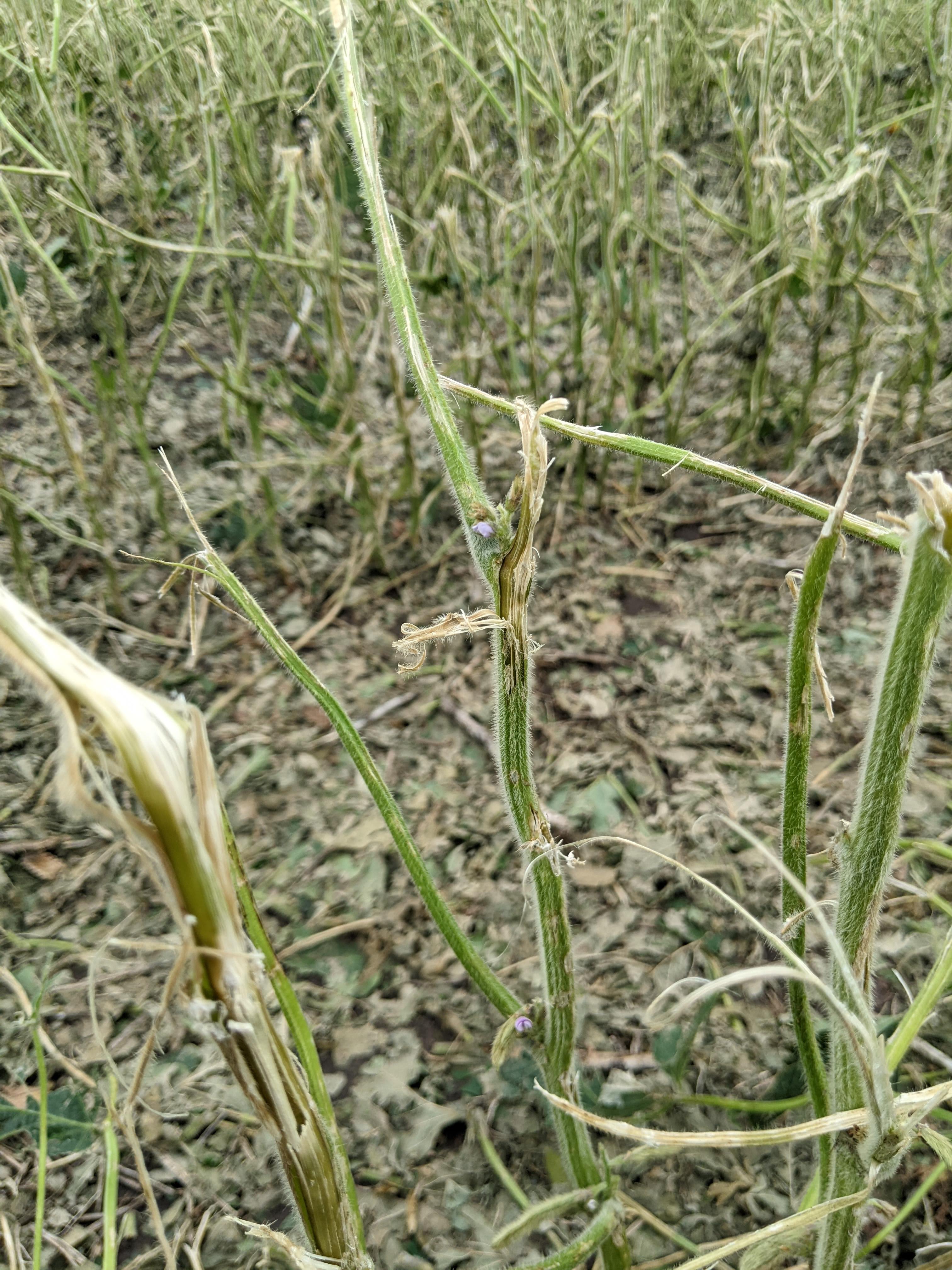
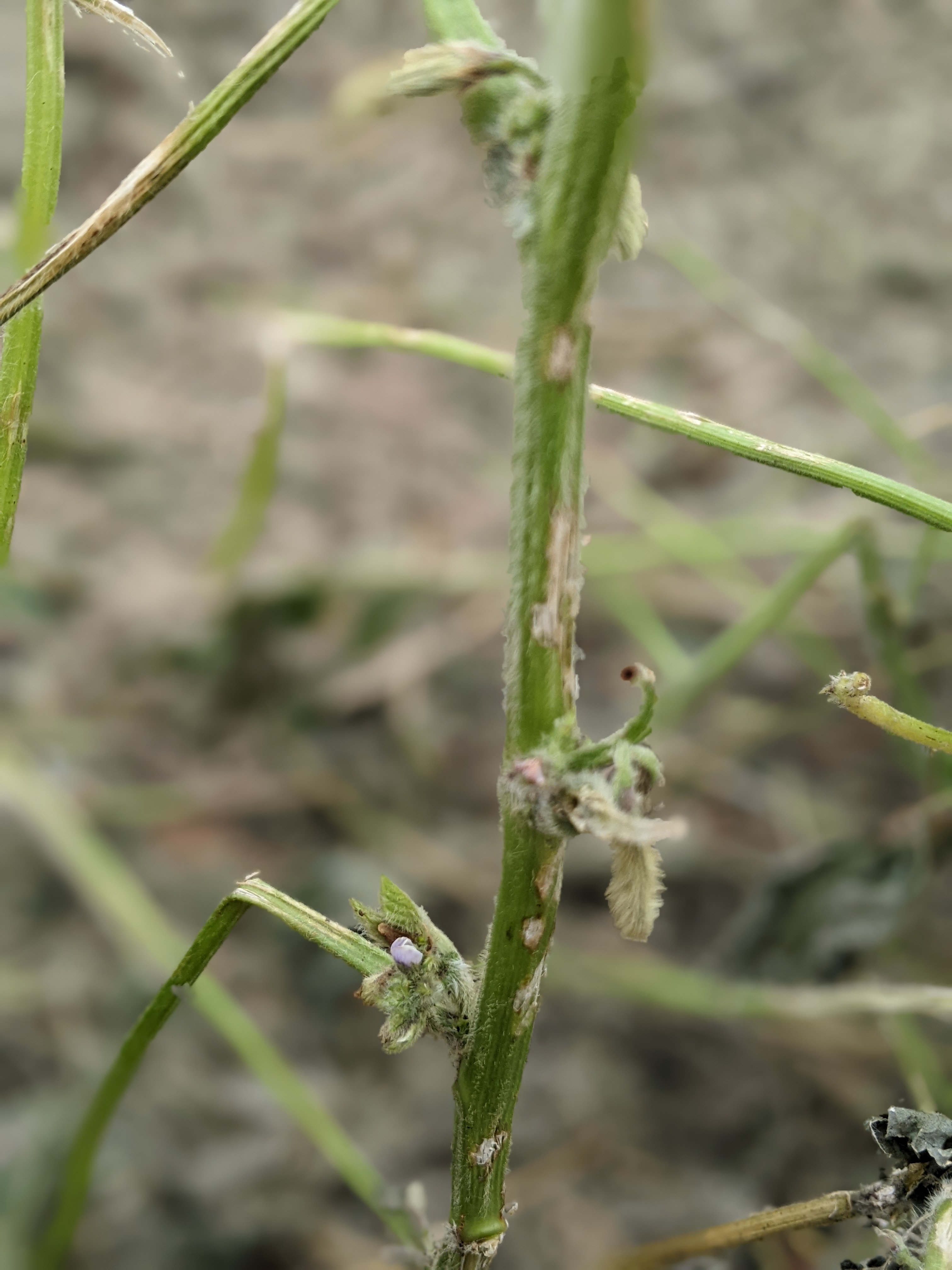
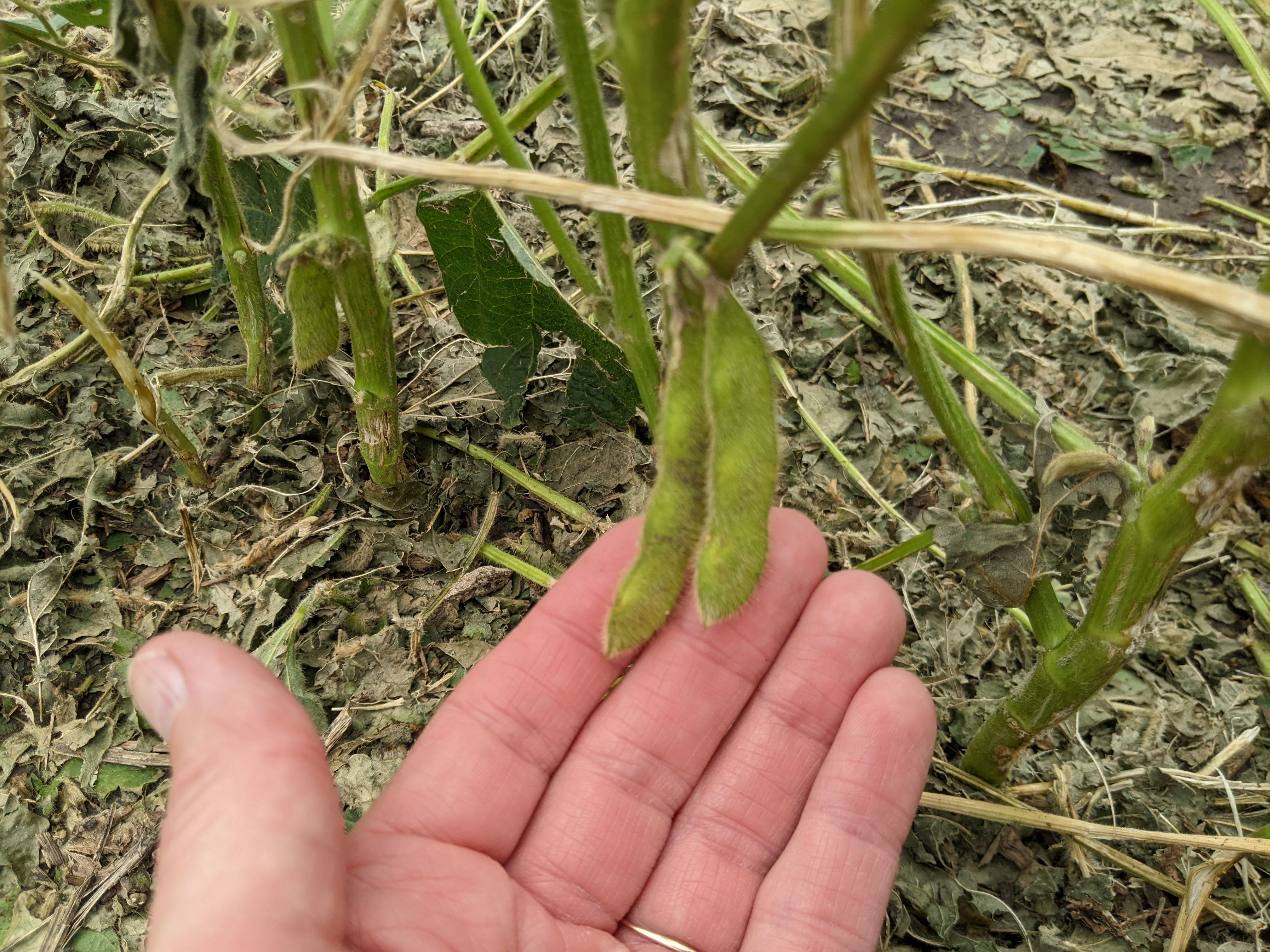
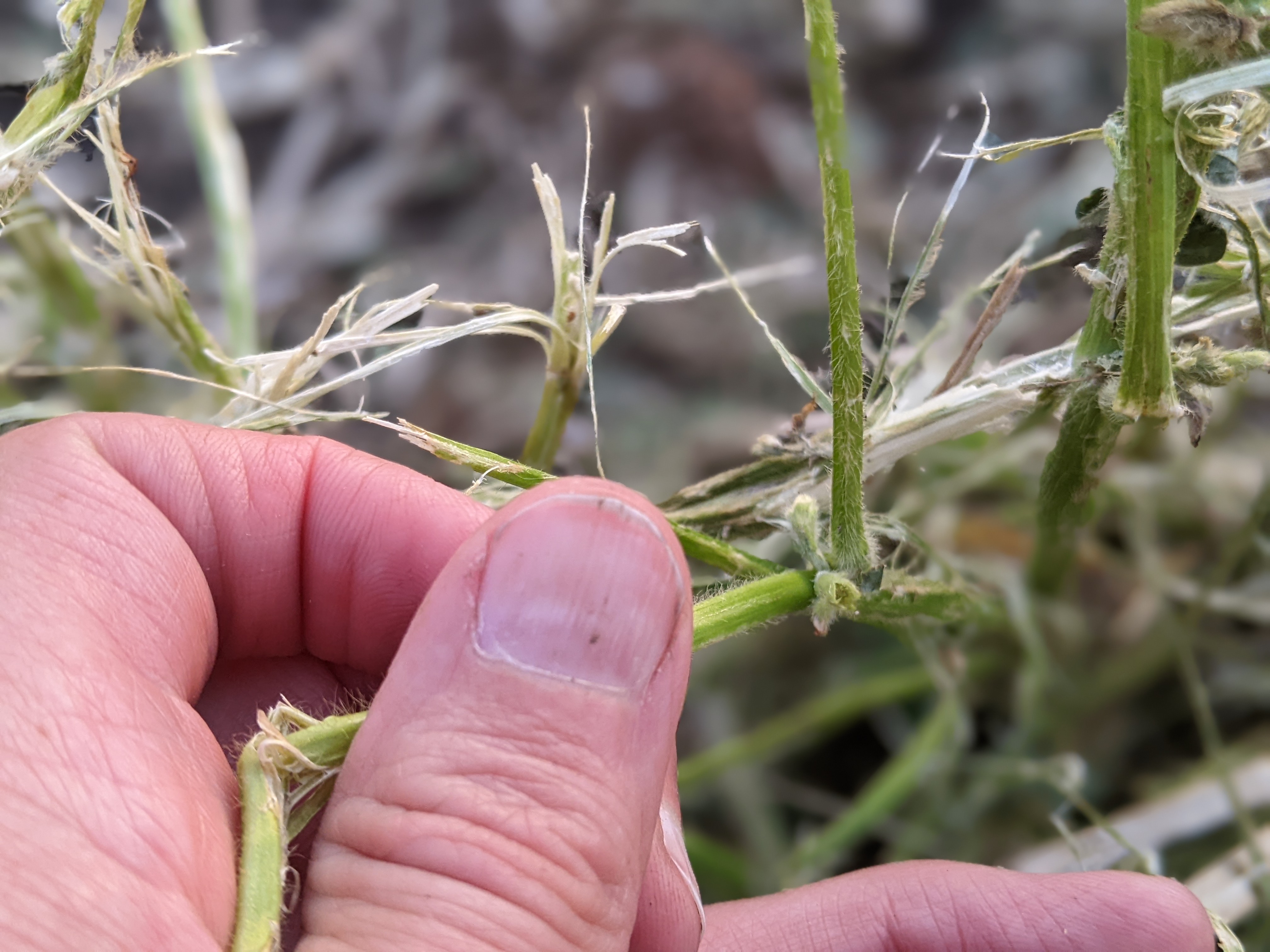
Pictures from various soybean fields showing soybean damage to tops of plants, tiny pods that survived in some axillary buds, and new regrowth. Lowest pods were at beginning seed (R5) in lowest nodes of some fields I checked which means upper parts of the plant were most likely between R3-R4 (podding stages). New growth (new leaves and flowers) was seen in axillary buds the day after hail damage. Will be tough to get much top growth with shredded stems and as many nodes have been cut off. Most new growth will most likely branch and be lower on plants that were more severely affected.

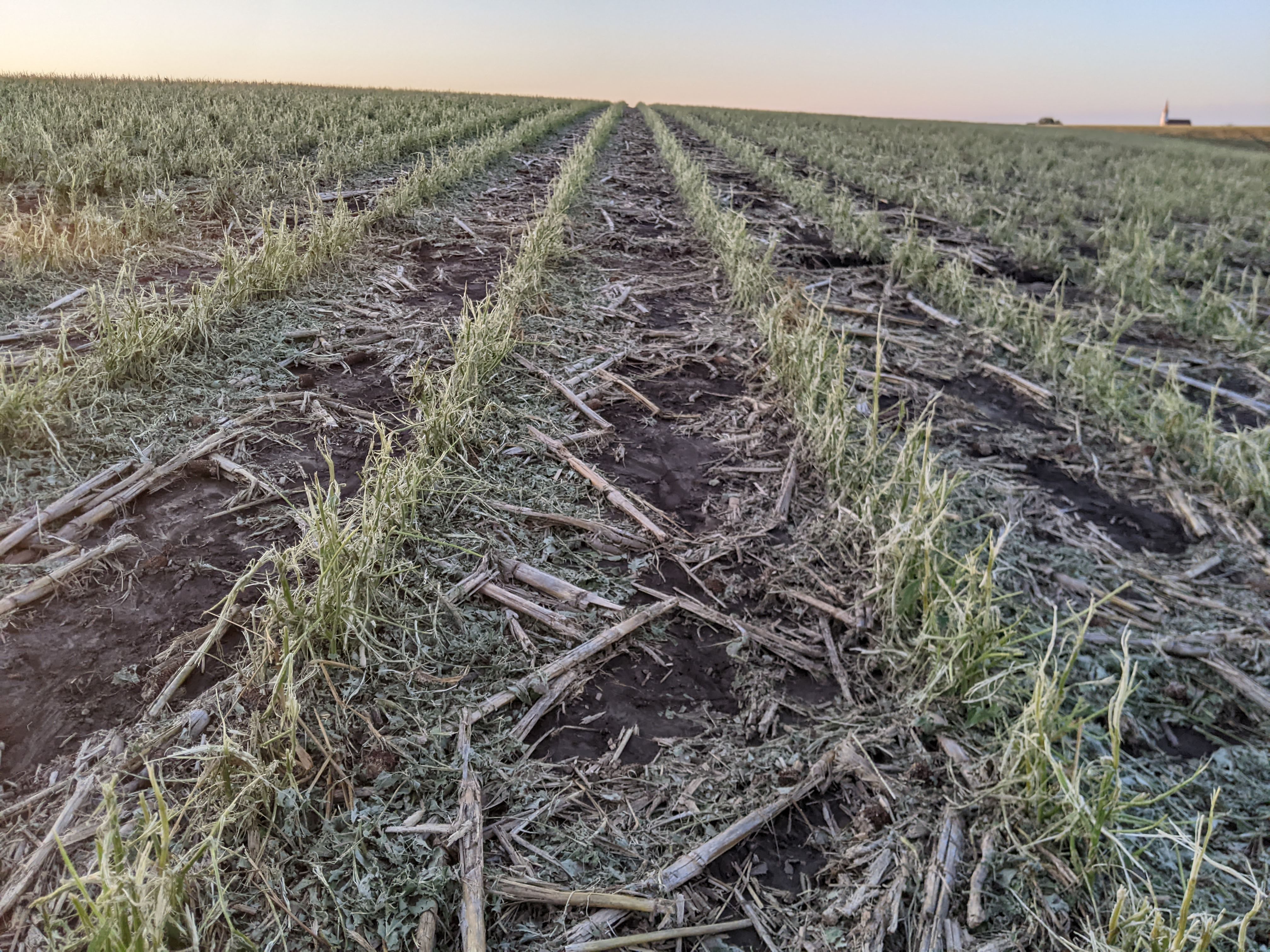


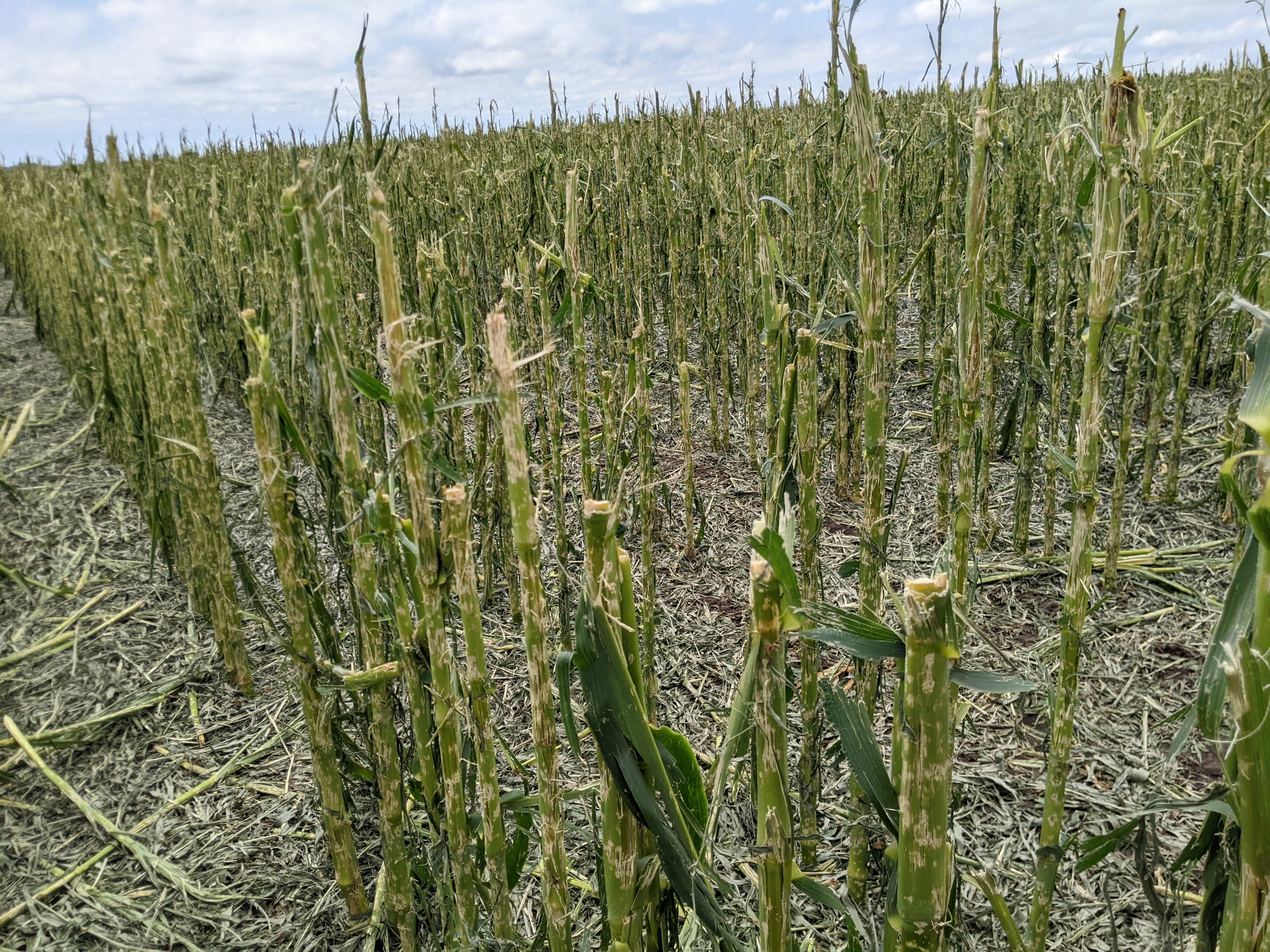
Corn plants mowed off around the ear or below in various fields. These provide opportunities for forage should one be interested in that. There are some who have talked about shredding stalks and planting beans as well as an option.


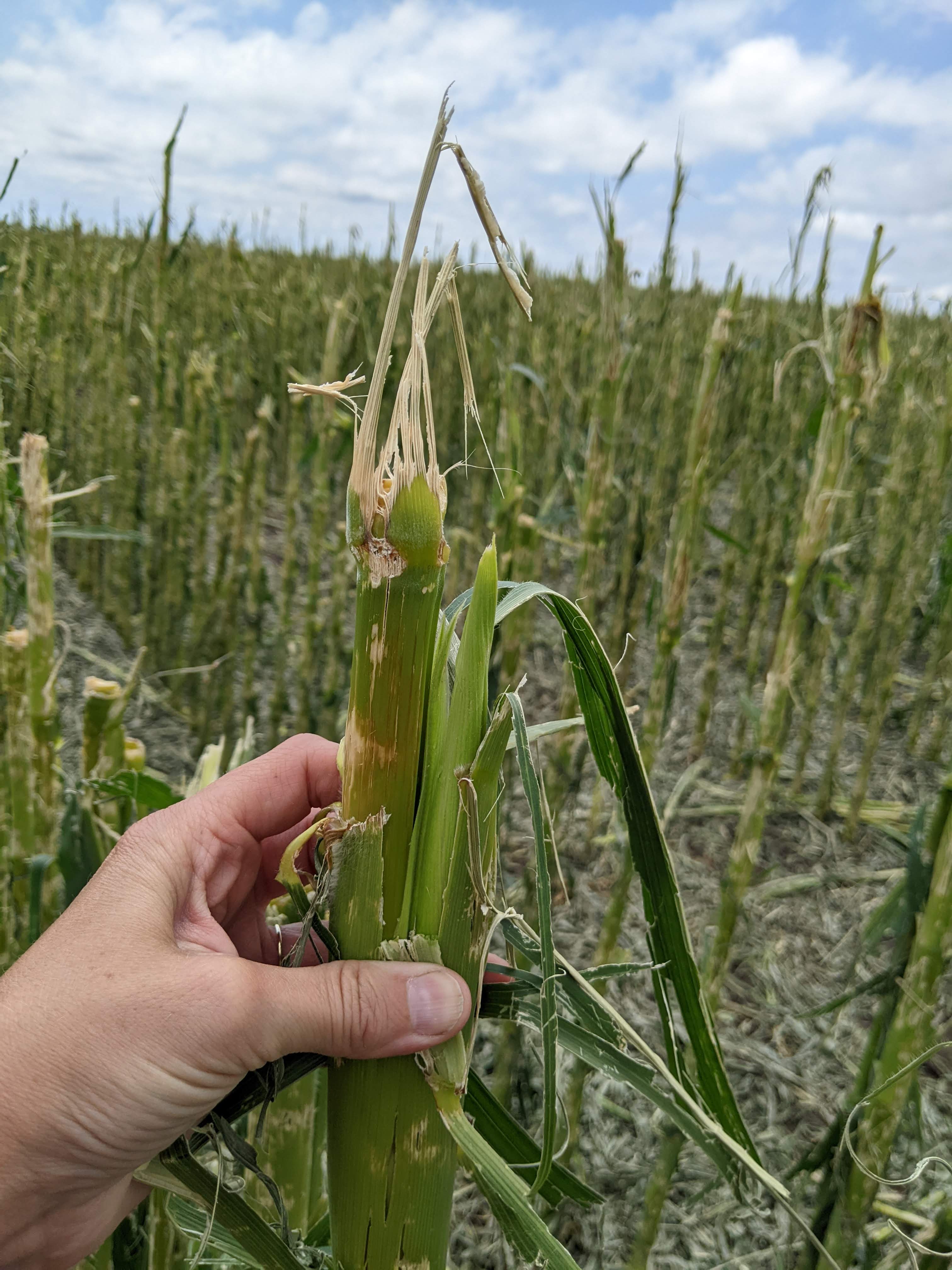
Photos from later-planted seed corn with greensnap and bacterial top rot setting in. Fields like this are hard to tell the extent of damage from the road.
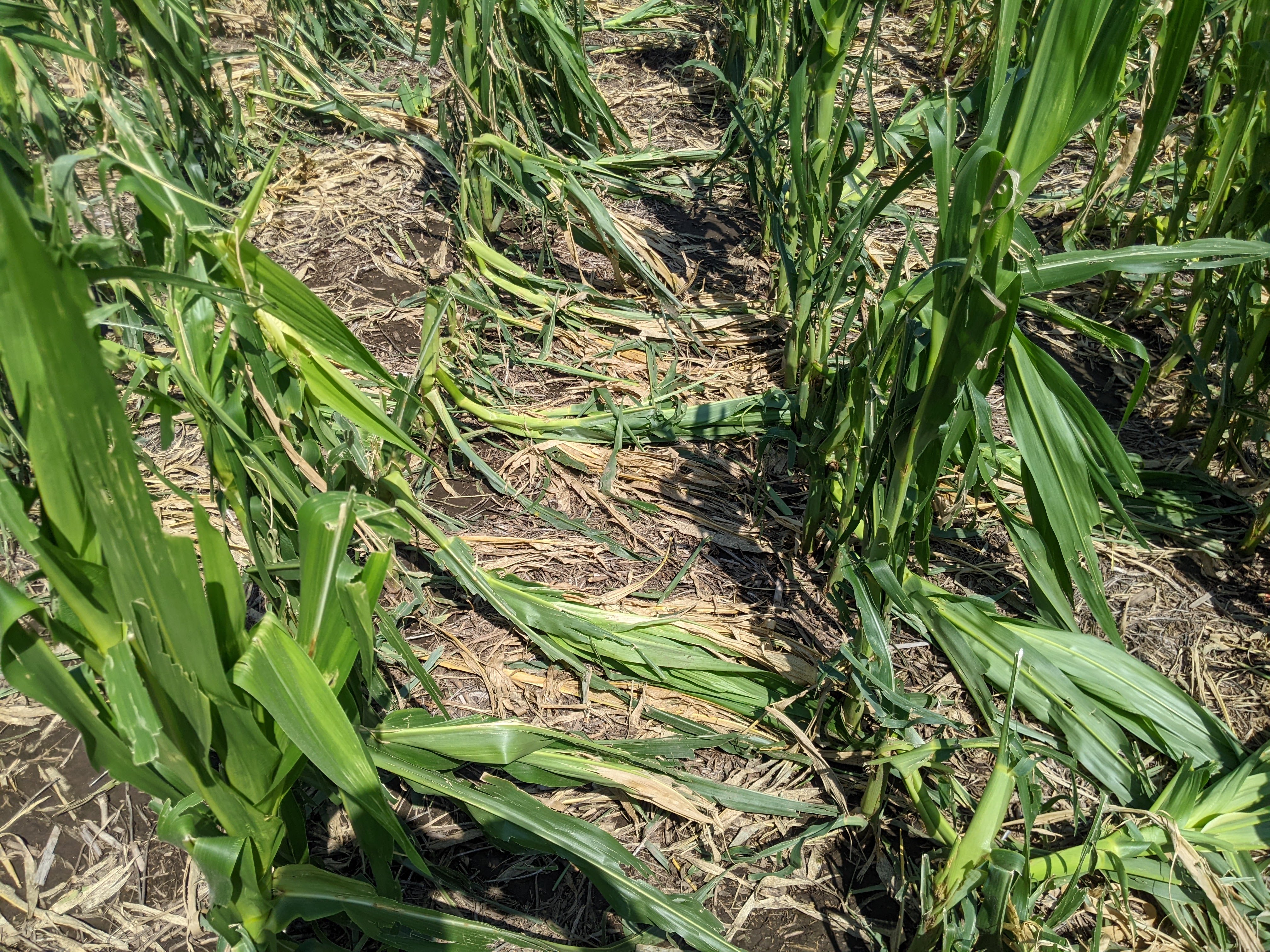

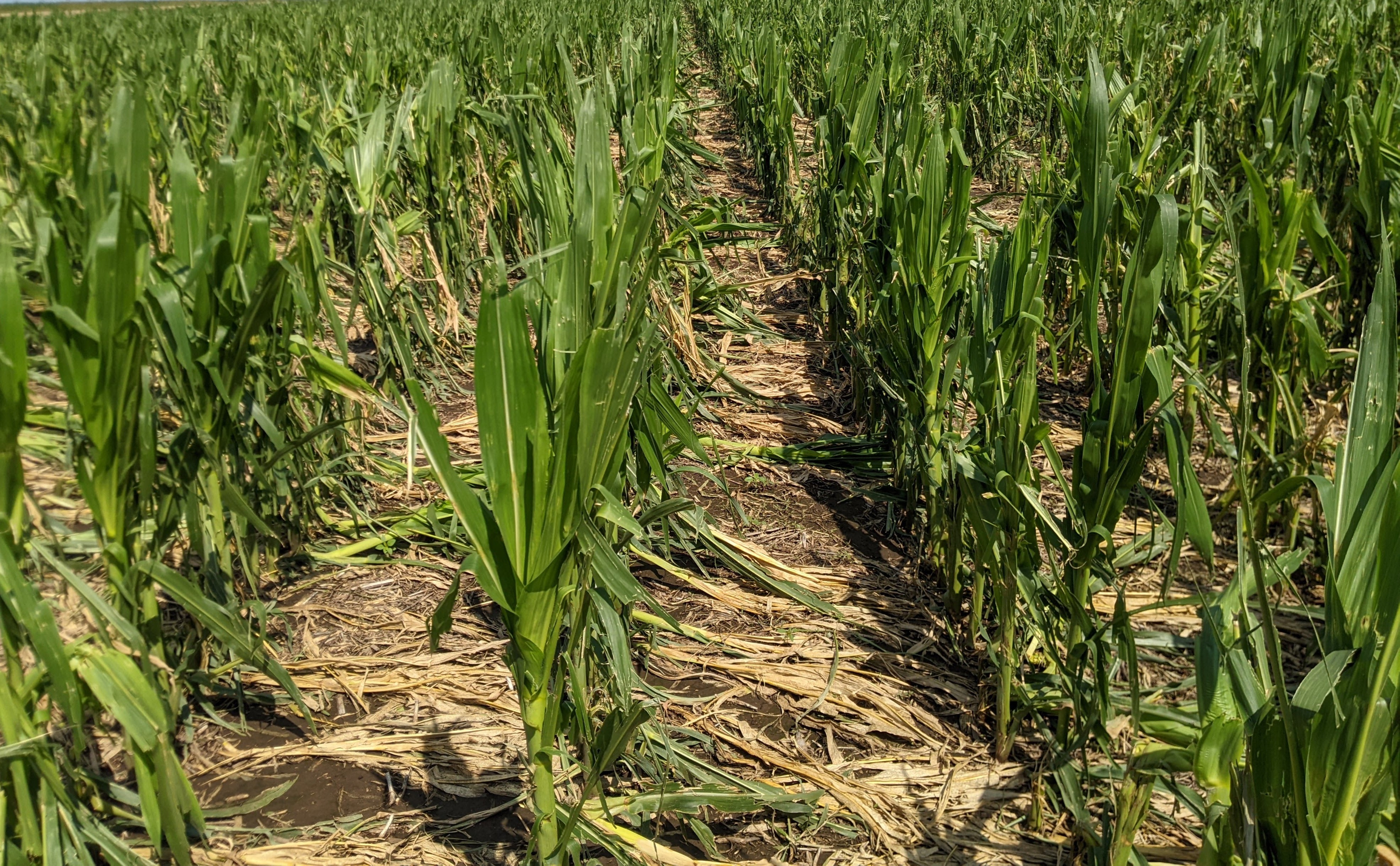
These are all fields with some amount of tassels remaining. The first picture represents all those fields with less than 25% tassels and the rest of the stalks cut off around ear height. Will need to watch pollination in those fields. Fields with damage to ears that were silking may have hailstone bruising. Ear mold is something to watch in those situations but nothing one can do about it.


Fire and Wind Damage to Fields
Fire Damage to Fields
Am grateful for reports of few people hurt, many homes saved, and I think most cattle saved too from Sunday’s fires. I really can’t imagine how all that works with that many firefighters, first responders, and farmers showing up with equipment driving blind into smoke/dust/fires and everyone staying safe, but am grateful. With Sunday’s winds and the fire damage throughout the State, have received questions on what to do next in these damaged fields and what to anticipate for soil impacts.
For fields that were harvested with residue burned, we’re recommending to get rye or wheat planted into them to potentially get some cover on these fields. I know it’s dry. We keep hoping for moisture with each of these potential rains forecasted (including this week). But if there’s any chance to get some cover, I’ve seen 1″ tall rye produce up to 3″ roots and watched how that size of rye helped this past spring with the winds and in 2019 in helping hold soil during the floods. Rye can germinate down to 32F soil temperature and wheat can germinate down to 39F. So that’s our recommendation. If you have smaller areas where you can get manure on that has any type of bedding in it, that also could help.
A few calling from Nuckolls Co. have wondered about fire damage to long-term no-till. Fire itself won’t damage no-till from the standpoint of the soil structure built. It will remove residue and the organic matter from the residue, but the fire itself doesn’t impact organic matter. Fire and the resulting ash does impact water infiltration as the ash can clog soil pores. Wind erosion can also ‘seal off’ the soil surface which can reduce water infiltration. Thus another reason why drilling a small grain in hopes of disturbing the ash and getting cover established may help.
Nitrogen and sulfur to a small extent are released to the atmosphere during fire, and nitrogen and other nutrients become more available in the soil due to quick mineralization from the fire. Nutrients from the residue will be contained in the ash which can be lost to wind erosion, but those nutrient losses are fairly minimal overall. To read more on soil impacts, see this resource from Montana State. It has an interesting chart showing the amount of N, P, K in the top 6″ of soil and then compares how much is removed from stover that’s harvested or burned. The numbers for residue removal aren’t exactly the same as what we share for Nebraska, but they’re in line.
Plan on soil testing, may be wiser next spring, to determine nutrient levels in these fields prior to planting. The combination of drought + fire may result in greater nitrogen availability than what one may think.
Fire can often aid grasslands, so would say to let pastures work to recover on their own for now.
I hope all the fields impacted were harvested, but if you have a field that wasn’t, please give me a call and we can talk through that. Ultimately, what we’ve been recommending for fields in this situation in northeast Nebraska has been to harvest the fields as normal and send in grain samples to get a feed value and also quality value. All those fields have been corn fields so far. Dr. Mary Drewnoski has put together information on feeding burned corn that we can share for anyone who needs that.
Wind Damage to Replant Corn Fields
I had been watching different forecasters talking about last weekend for a few weeks. Grateful it wasn’t like they were originally predicting. So last Friday I had popped into fields to see how stalks were holding up. From what I was seeing in the replant corn, I figured a lot of the tops would blow out as plants were quickly losing strength above the ears. Was seeing up to 35% stalk rot (base of plants) in irrigated fields and over 50% in non-irrigated. So far, have seen good shank attachment and ear attachment within the shanks. Grateful for how the ears have held on and the bottoms of plants have held up thus far!
In saying this, it’s honestly a matter of time before these replant corn plants will go down and/or potentially drop ears. I seek to be positive, but I also want to be honest with what I’m seeing. I’m hearing the wind dried corn down compared to last week. Please be checking moistures in your fields. I realize everyone’s situations vary with bins, etc.; it may be wise to keep harvesting a little at a time and drying in between instead of waiting for it to dry in the field this year.
If you’re willing to share your replant corn test weights anonymously, please do so here: https://docs.google.com/forms/d/e/1FAIpQLSfpgVRce5VJ6ytg1S2gZlqBfFAa10qINVhWIkVFSpaFh89-7A/viewform?usp=sf_link.
JenREES 10/16/22
Frost Damage Update: Prior to the Oct. 8 frost, I did a driving tour to check where any replant fields were at. I wanted to have an idea of what potential yield loss we were looking at in the area. Around 85% of the corn surveyed in the York/Seward/Hamilton/Clay area pre-frost was in the ½ milk stage. Around 10% was ¼-1/3 milk stage while the remainder was either just at beginning dent or at ¾ dent.
So, I knew we were mostly looking at these stages when it came to yield loss when I wrote last week:
- Beginning Dent: Leaves & Stalk killed = 40% yield loss; Leaves only killed = 27% yield loss (23% via National Crop Insurance Services 100% leaf loss at this stage)
- ½ milk: Leaves & Stalk Killed = 12% yield loss ; Leaves only killed = 6% yield loss (8% yield loss based on National Crop Insurance Services 100% leaf loss at this stage)
Looking at fields this week, the top half of plants in all corn fields were frost damaged with leaves turning gray/green. Fields that were earlier than ½ milk and/or that had been recently irrigated before the frost, had green leaves from the soil line up to the ears. I also observed that most of the corn moved another 1/4 milk along from what I documented prior to Oct. 8. Milo fields also ranged in the amount of leaf area killed as one looked at canopies within fields. Soybeans that had leaves were protected by shelterbelt areas, but otherwise turned color for the most part. In a couple fields that were further behind, the pods/seeds are turning to a light green/yellow, so will see what happens with the bean color over time. Leaf area that was not killed in all these crops will succumb with expected temps Sunday-Tuesday.
With the winds last week, I was concerned about stalks and ears, as were a few people who asked me what it was looking like. I am concerned about stalk quality going forward. Thankfully, right now, stalks are holding up well. Tops blowing out is fairly hybrid specific or observed more in non-irrigated ground. Frost damage to premature corn can also lead to pinched ear shanks as the ears turn down prematurely, increasing the potential for ear drop. So far, fortunately also seeing ear shanks firmly attached with ears firmly attached in husks.
I know we want to get the corn as dry as possible in the field. Just want to caution you to keep an eye on the stalks and ears and plan to harvest at higher moistures if needed.
Grain drying resources with charts:
- Drying binned corn with natural air: https://cropwatch.unl.edu/drying-binned-corn
- Drying corn using heat: https://cropwatch.unl.edu/cw-09-11-3-drying-times-corn-heated-aeration
- Bin drying soybeans: https://cropwatch.unl.edu/bin-drying-soybeans
Would documenting test weights be of value to you? Was thinking about what could be learned with this frost. I can’t document yield loss because we don’t have any corn that wasn’t damaged, but I can document what happens with test weights. Wondering if the info. could be helpful in the future since I’m not aware of recent data? So, I plan to drive the same route as we get closer to black layer and grab ear samples for test weights. The only thing I won’t know is hybrids on all the fields, but will document them where I know them. If you’d like to help, if you knew where your corn was at pre-frost, simply add in what the test weight, moisture, and hybrid was at the following link and I’ll share the anonymous data after harvest: https://forms.gle/x9VhbyMeA5qNku1YA. If you have other ideas how to improve this or something else I should be thinking about for information, please let me know!
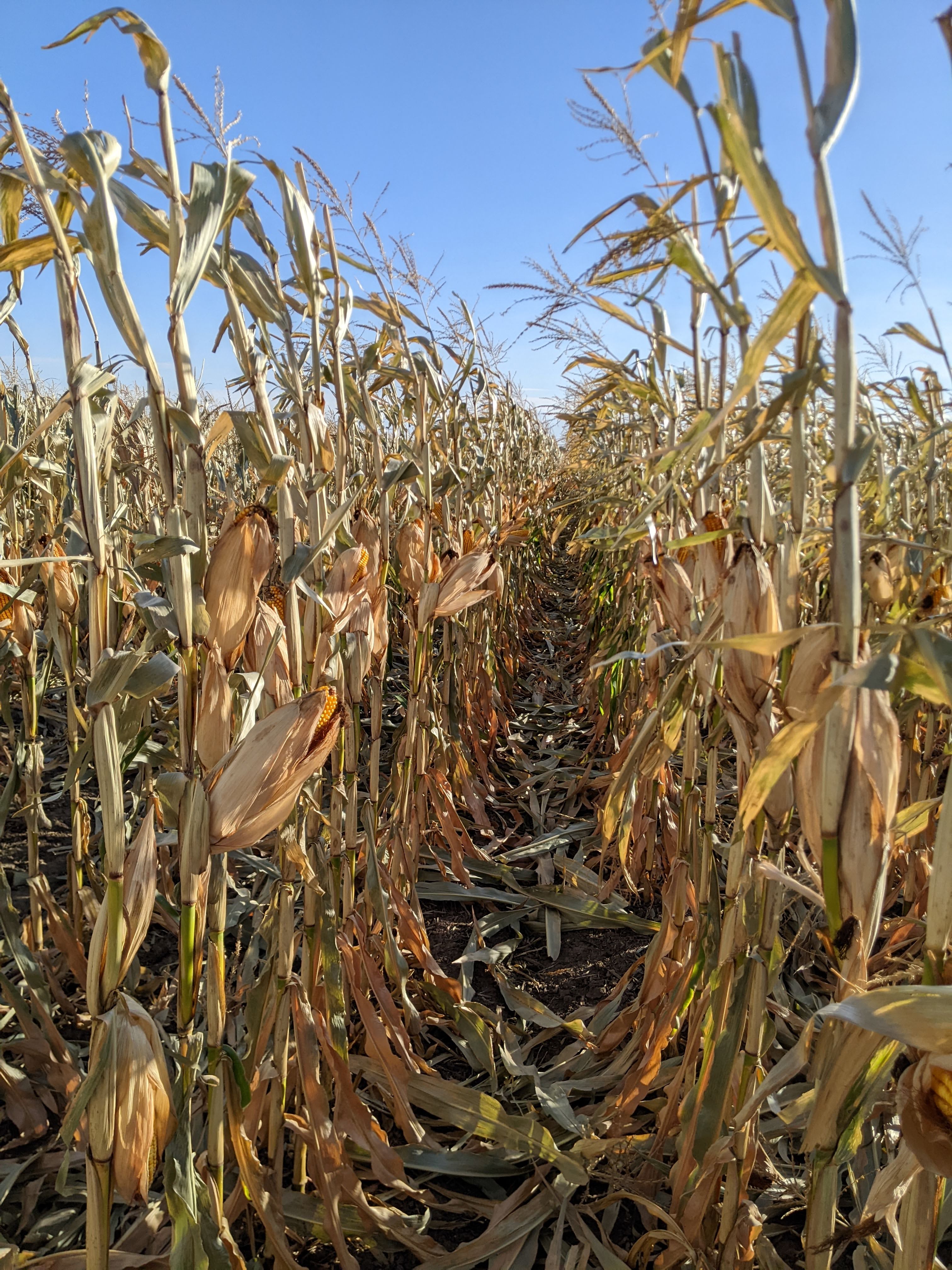
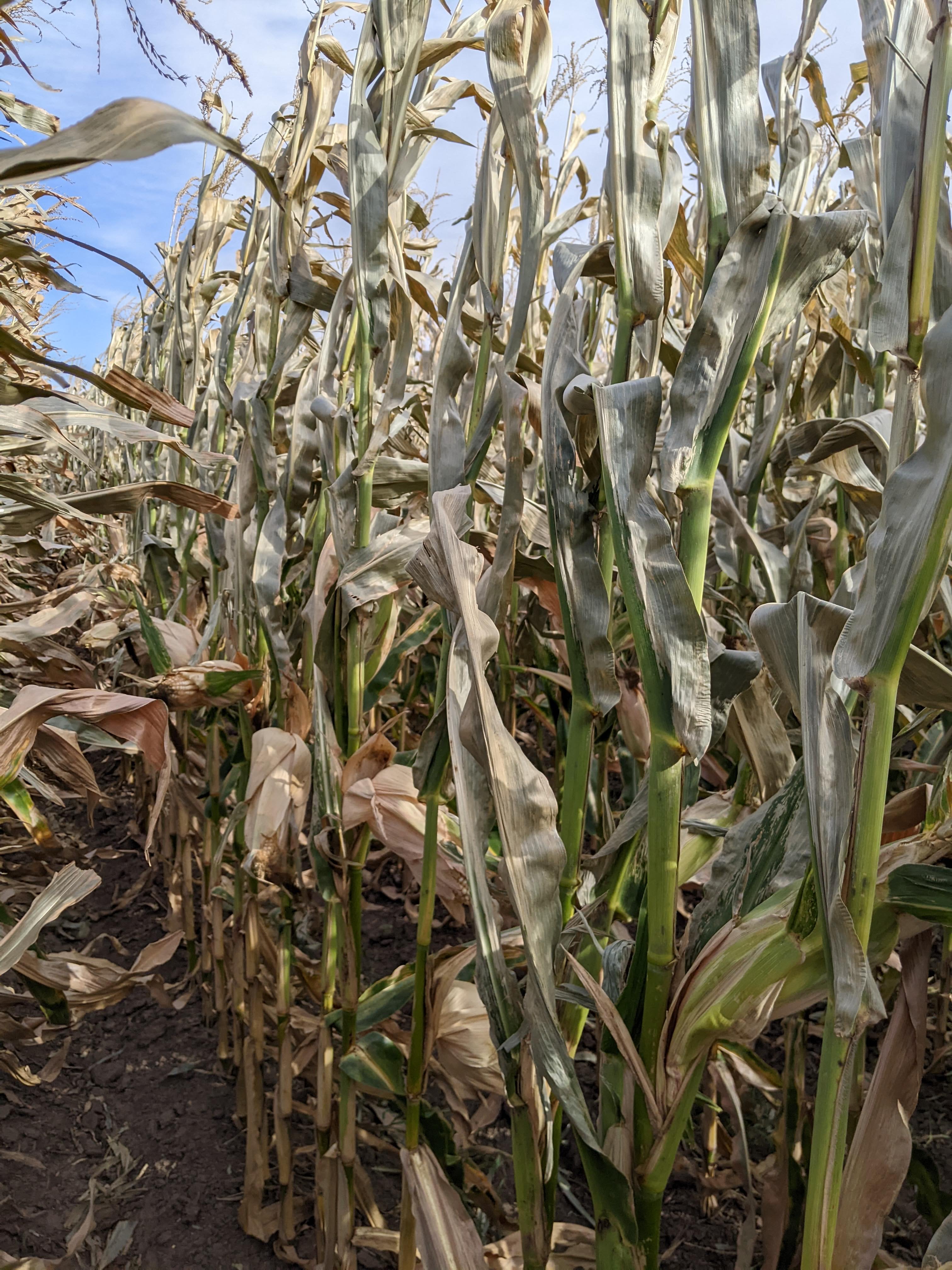
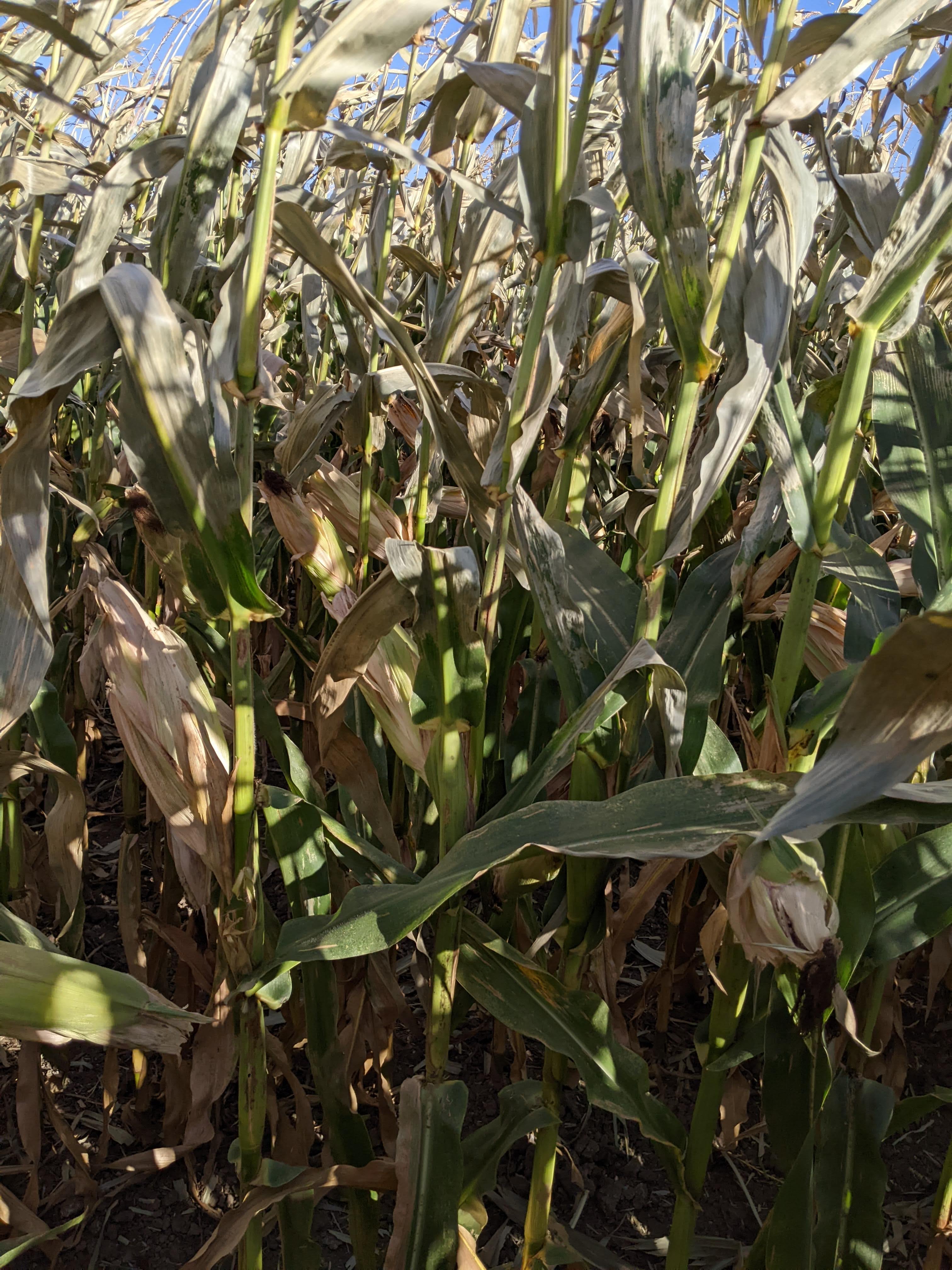

Greenness remaining in fields varied depending on crop stage pre-frost and soil moisture level. Minimal greenness remained in non-irrigated (far-left) to green from the soil line to ears in the two right-photos. Ears are turning down in fields that were more impacted by frost and most likely we will see ears turning down more this coming week. Watch stalks for stalk rot and watch for potential ear drop in fields.
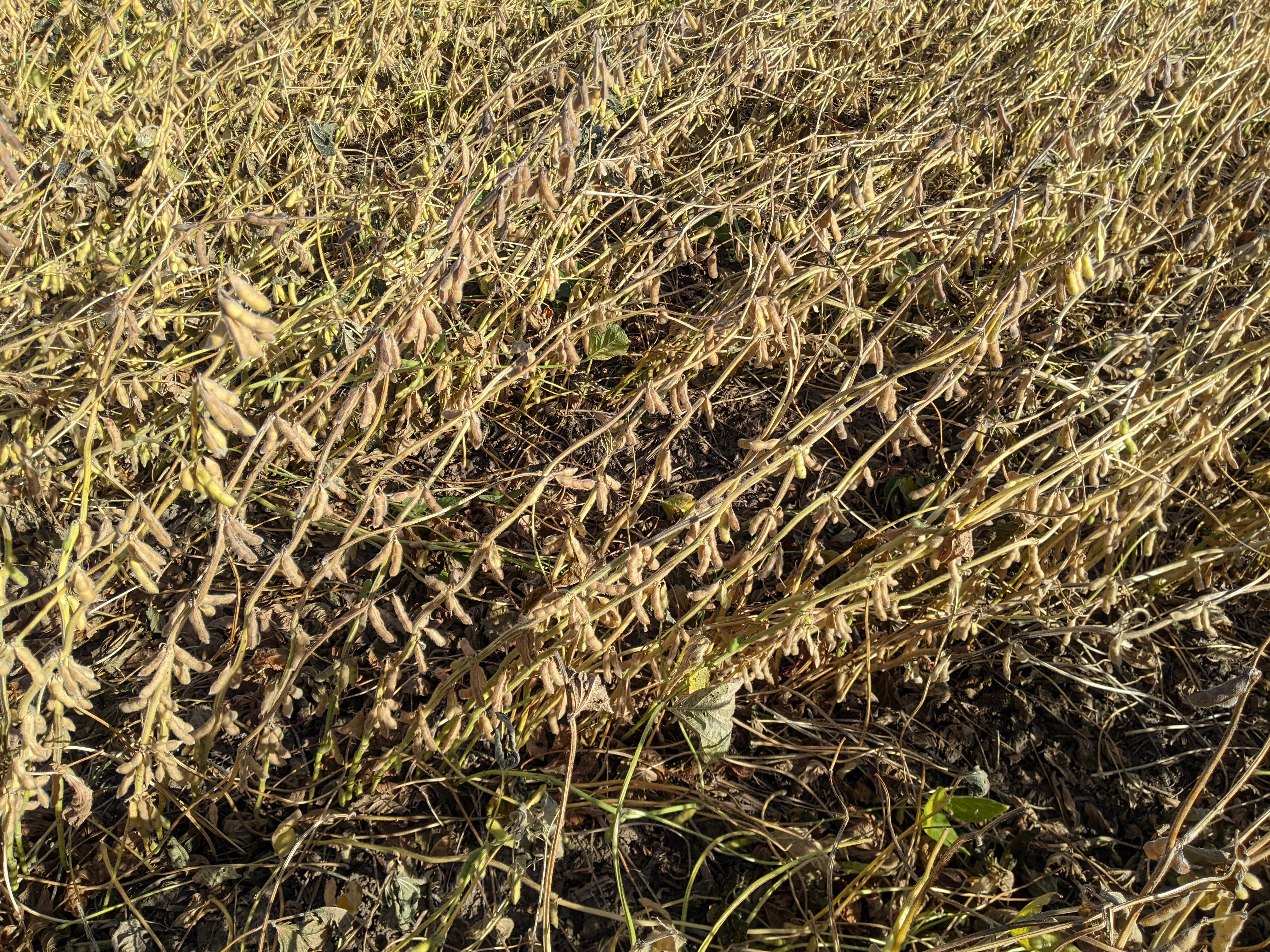
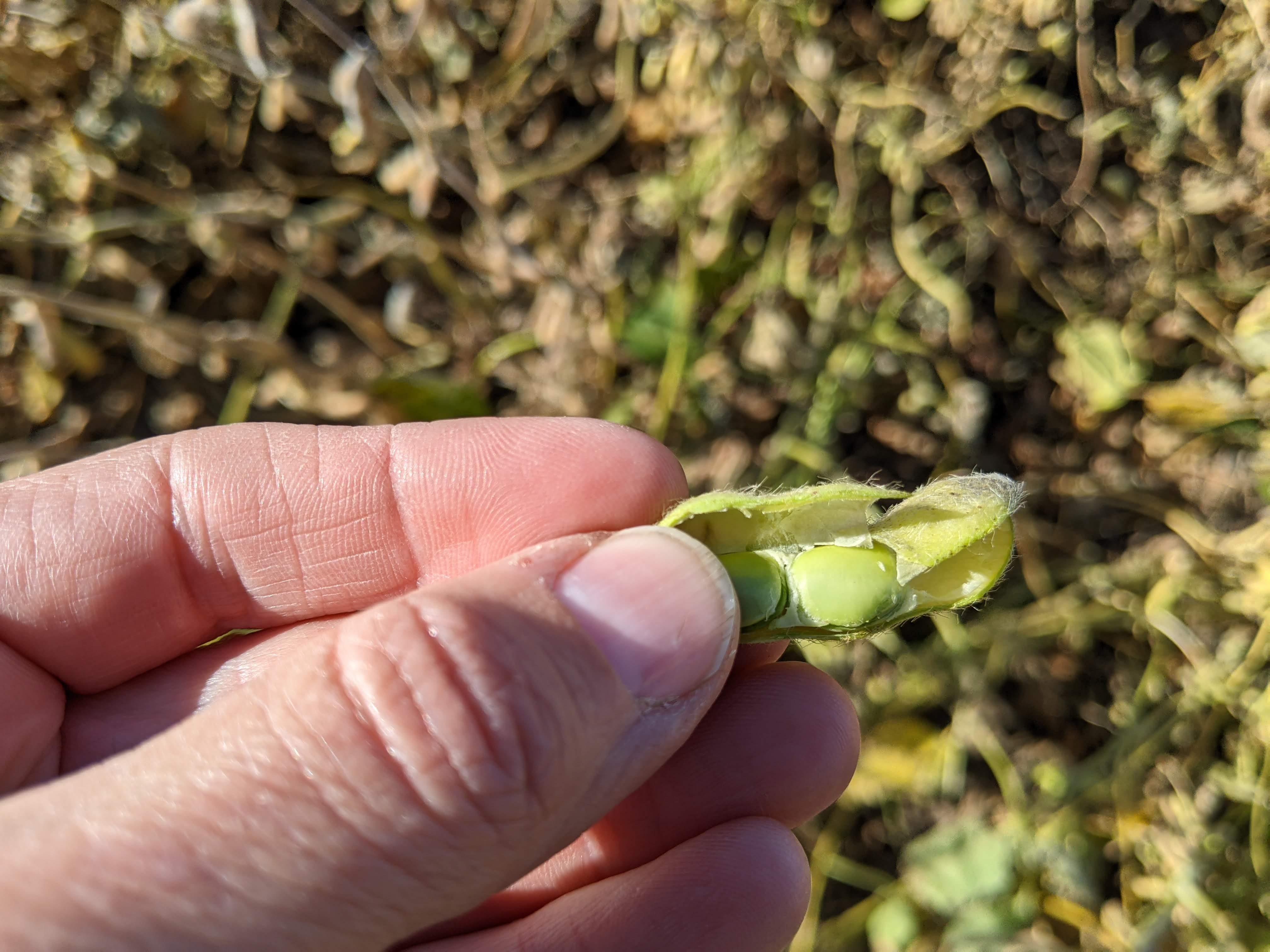
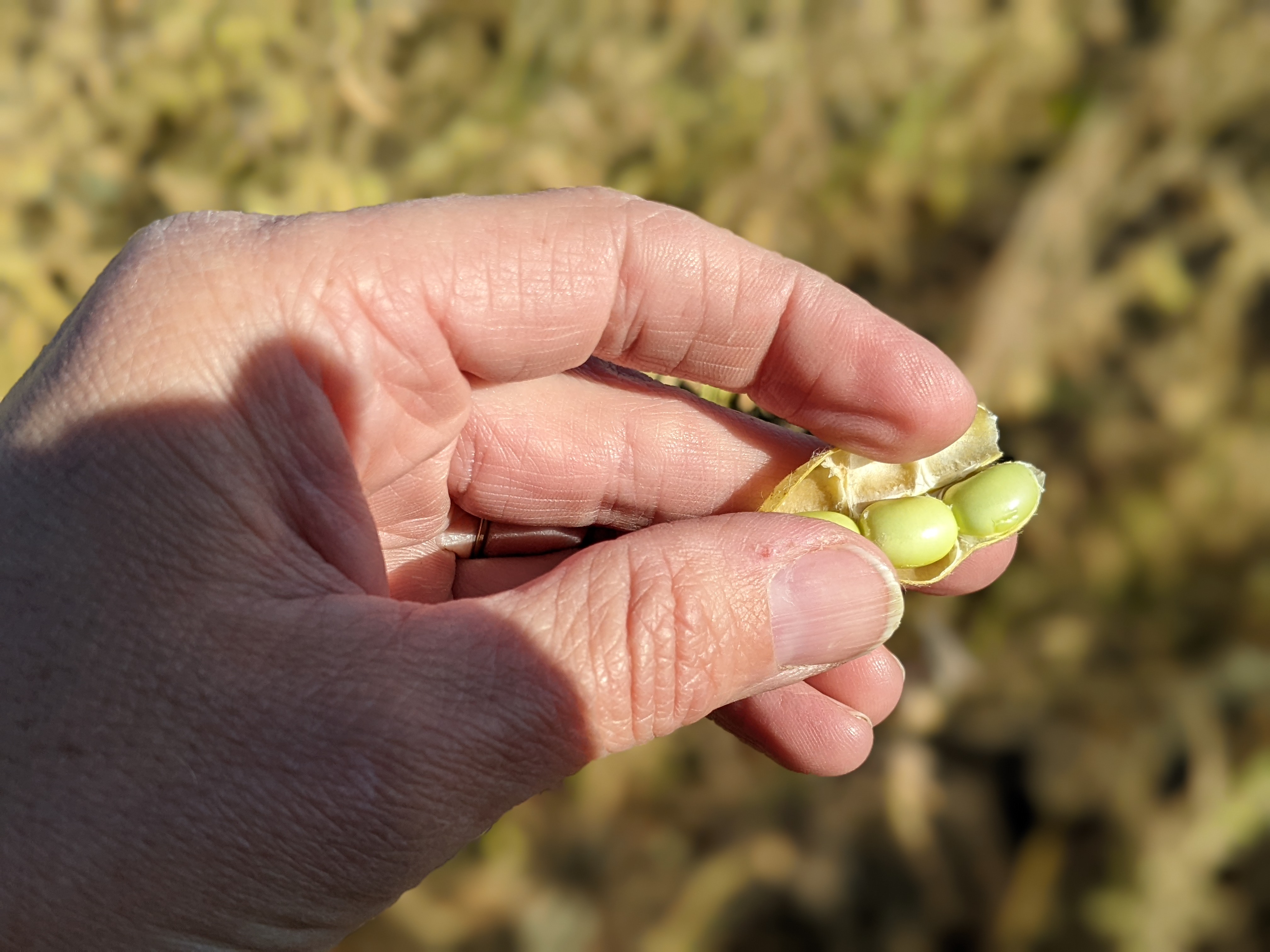
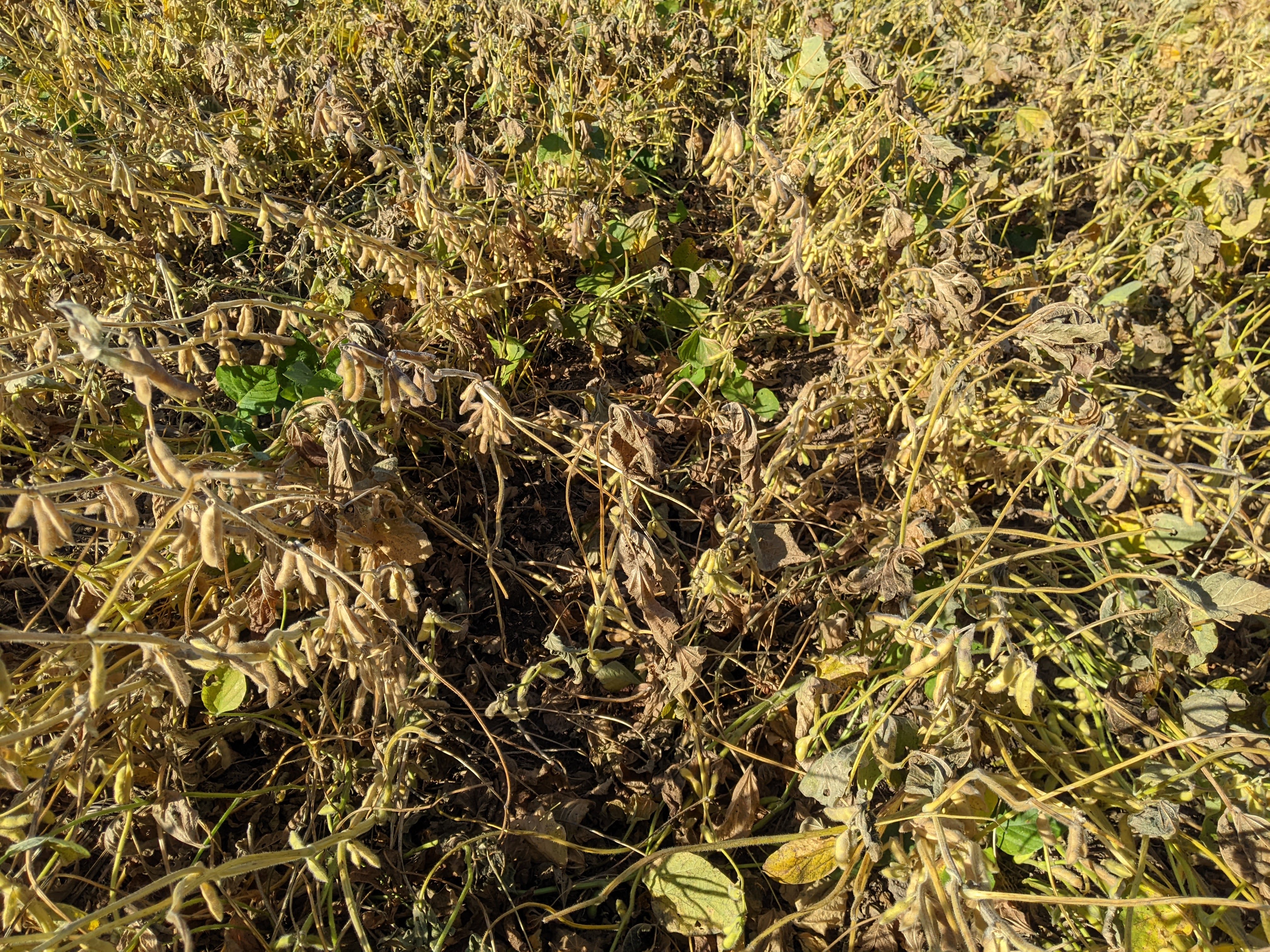

I didn’t pop into many soybean fields but this is the range of pods/seeds coloration that could be expected in those that were greener with leaves remaining on them. These beans were still filling and pods were changing color. Several sources say the seed greenness should lesson over time if the stem was not completely froze (which was observed this past week with green color lessening) and/or with aerated storage after 4-6 weeks.


Milo also showed damage to leaves but often remained green deeper within the canopy of fields as one went into the fields. Most of the milo was past hard dough stage pre-frost.


Other observations last week: Wasn’t happy to see ear worms survive the frost in some ears (but the ones I found didn’t survive me 🙂 ). Drifts of soybean leaves in ditches are a common site with the very windy days.
JenREES 10/2/22
Crop Update: What beautiful weather! Grateful for the crops that are being harvested! Also, grateful to hear some are blowing out combines after harvest in these heavily infested palmer fields before moving to the next field. That’s the first step in managing palmer for the future. Regarding combine cleanout, Market Journal had a video at: https://youtu.be/UtSAaWtMTS4 and CropWatch had an article at: https://go.unl.edu/skfh if you’d like more information.
Managing heavy palmer fields after harvest: Palmer and waterhemp seed survive for 5-7 years. With each plant producing an average of 500,000 seeds, it only takes a few plants to create a mess.
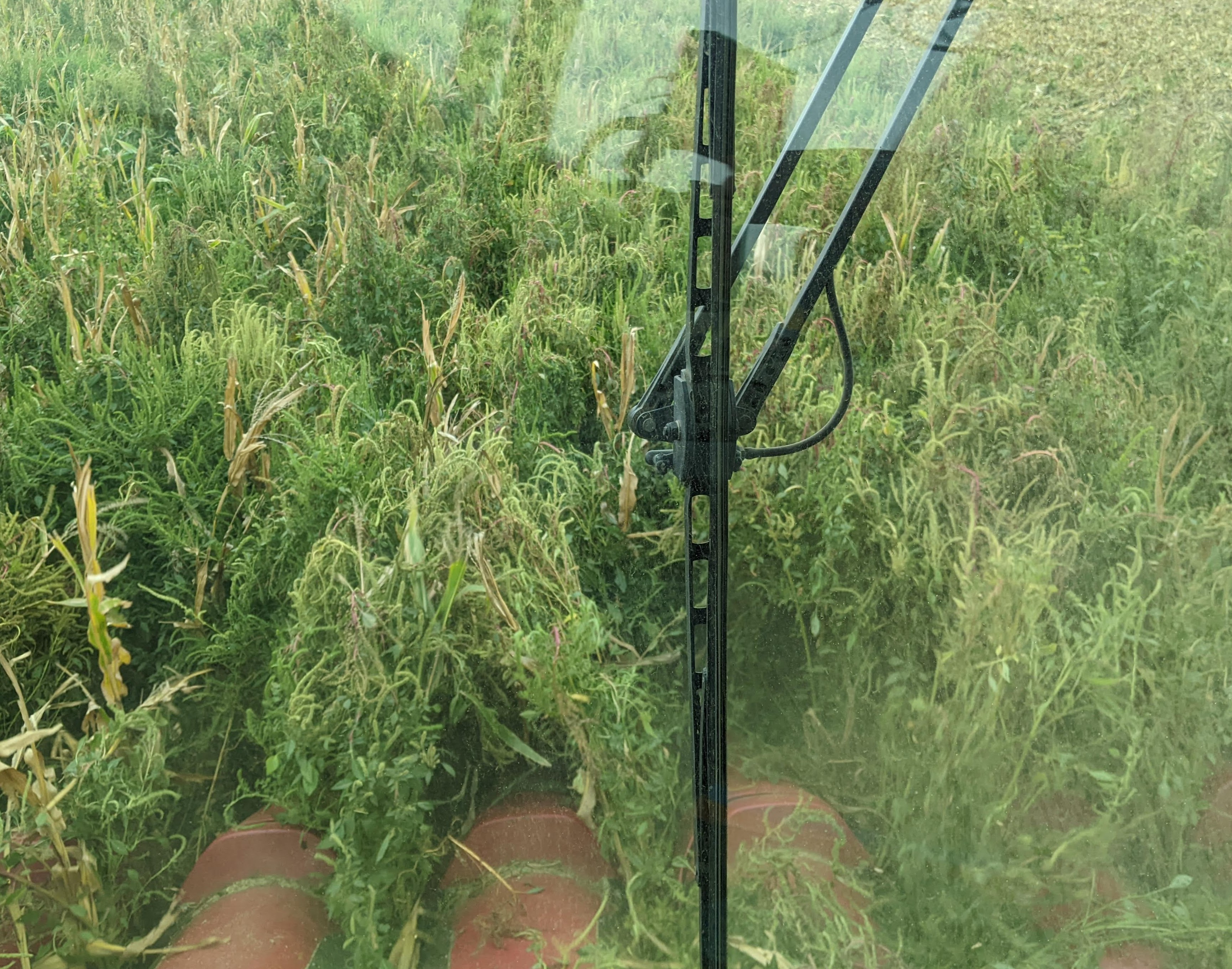
It’s been encouraging to see the rye and other small grains being drilled in fields; I realize it’s also been hard to irrigate them up after such a long irrigation season. Small grains such as rye, wheat, and oats have been proven to significantly reduce palmer, even in the absence of residual herbicide use compared to a no cover crop control. With the addition of a residual herbicide, there was no difference between using a cover crop and the check treatment. However, the way I look at it, the cover crop was another tool to take some of the pressure off the herbicide from having to do all the work. The main reason for that is because these small grains keep the soil surface covered. Palmer germinates when it senses red light on a bare soil surface, so keeping the soil covered can help reduce early season palmer germination. The small grains are also beneficial at reducing diseases such as white mold and sudden death syndrome.
If one isn’t interested in cover crops but is already using reduced tillage, another plan going forward will be to use a PRE- herbicide with residual followed by POST- with residual and get to canopy closure. Essentially, the strategy there is to keep the seeds from germinating.
For those who plan on disking, the research showed that disking once and not disking again for 3 years resulted in palmer reduction of 80-100% by year 3. However, disking each year allowed the seed to keep coming to the surface where it could germinate (depending on the herbicides and timing used). So, planting a cover crop after disking to cover the soil is one option to help reduce palmer germination in the spring. For those not interested in cover crops, having a strong herbicide program of a PRE- with residual followed by a POST- with residual sooner than you think you may need it, may be a strategy. One can also include cultivation followed by a residual herbicide, depending on canopy closure. The use of tillage, flaming, and electrocution are also being used in organic and some conventional systems.
Finishing Replant Crops: Grateful to be at this point in the season where much of the replant corn is 1/4 milk or further! Hybrids will vary regarding growing degree units (GDUs) to finish. A GDD tracking tool to help is https://mygeohub.org/groups/u2u/purdue_gdd. Regarding irrigation, below is the amount of water needed to finish corn. Most of the beans should be close to done for irrigating.
- Beginning dent needs 5.0” water, around 24 days to maturity, 25-55% yield loss potential.
- ¼ milk needs 3.75” water, about 19 days to maturity, 15-35% yield loss potential.
- ½ milk needs 2.25” water, about 13 days to maturity, 5-10% yield loss potential.
- ¾ milk needs 1.0” water, about 7 days to maturity, around 3% yield loss potential.
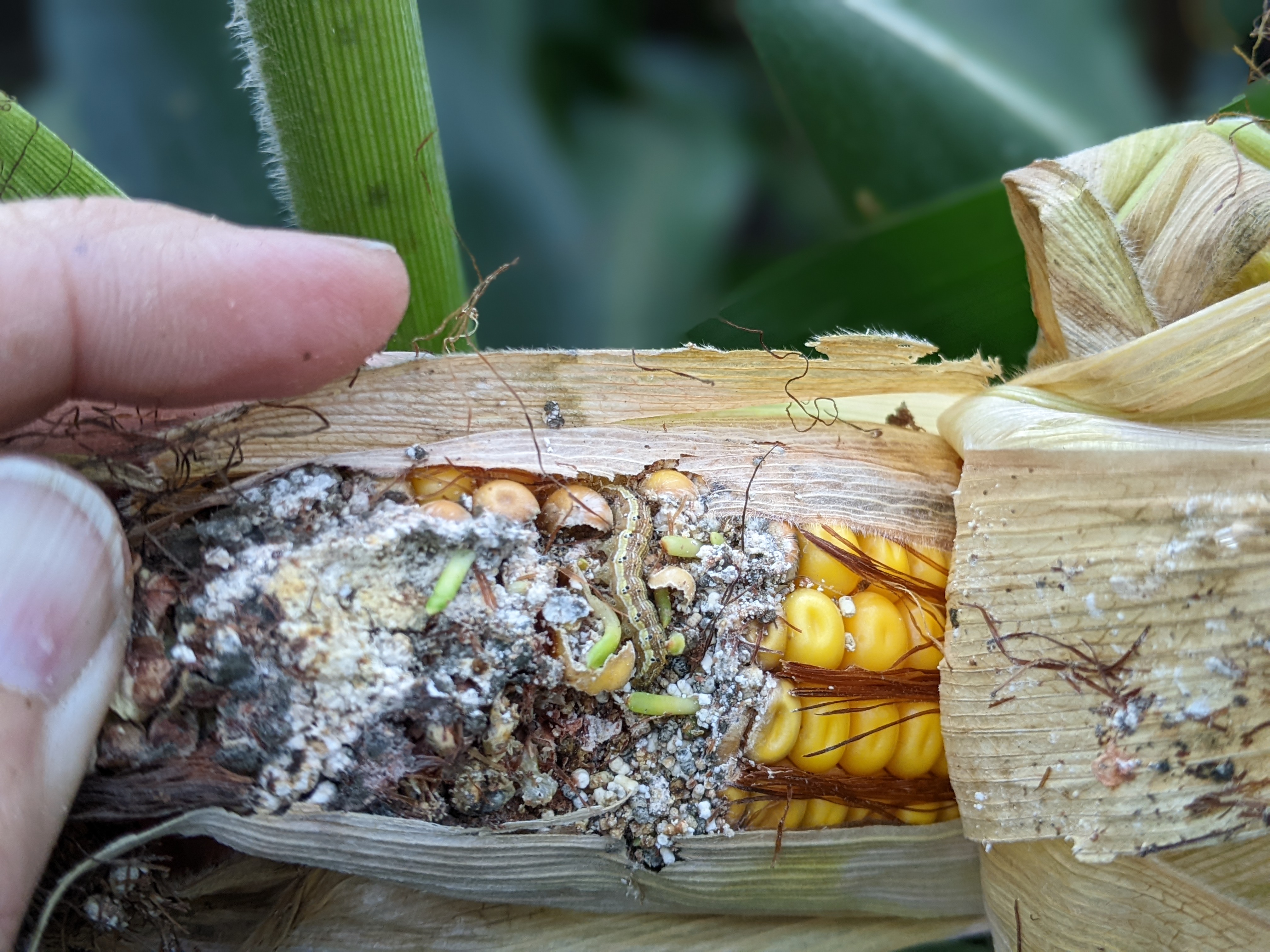
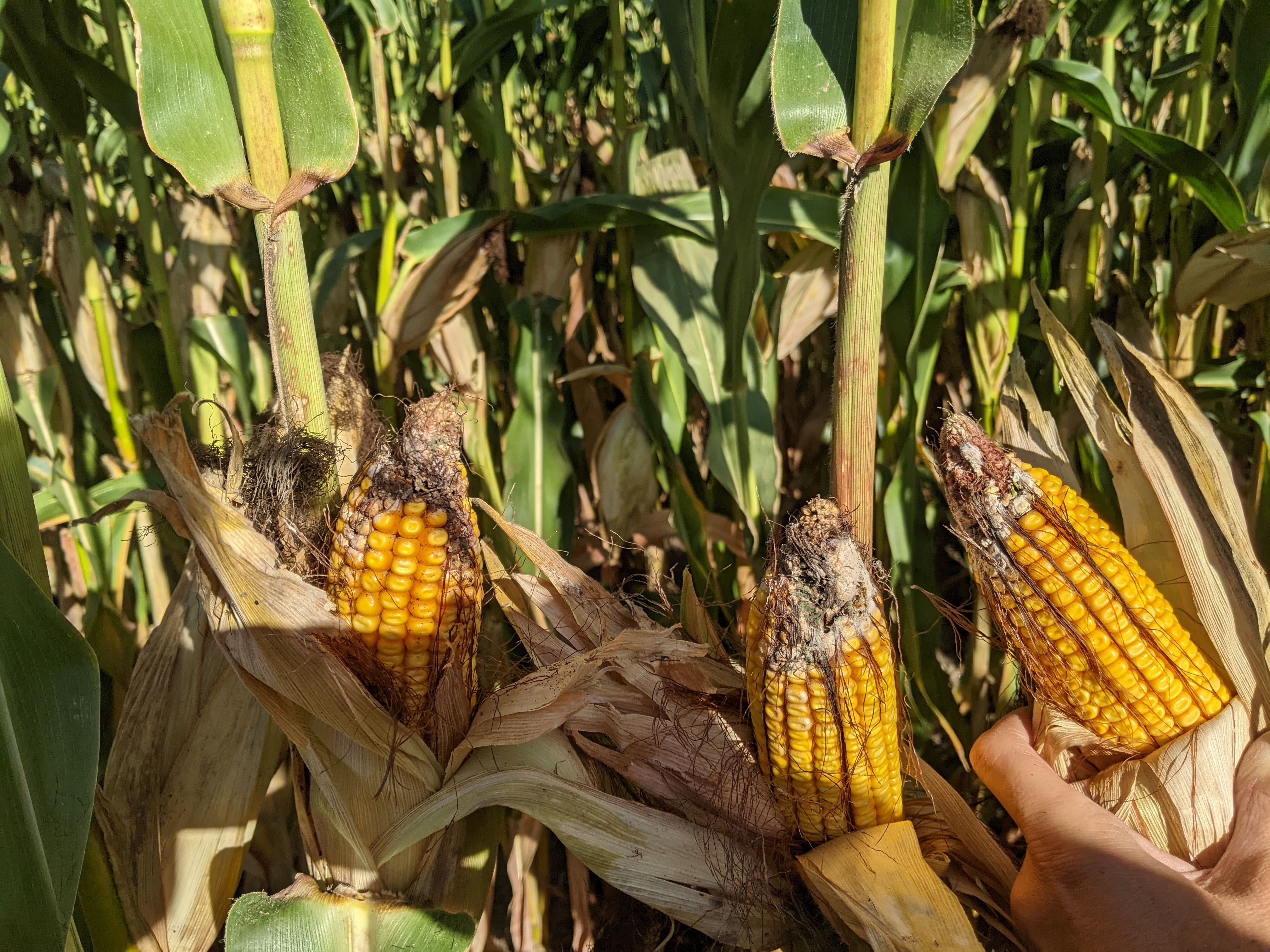
We knew replant crops would be a target for insect and disease pressure. It’s hard to see the corn earworm impact crops for such a large area as what they have this replant corn. Even fields that were sprayed once still have ear damage on a good 50% of the plants. The earworm feeding has allowed entry of fungi such as those causing white/pink Fusarium ear mold to varying degrees on the ears. Also seeing some blue-gray Penicillium ear mold and some sprouted kernels. Unfortunately, there wasn’t much we could practically do about it and there’s nothing we can do now till harvest. The presence of mold does not automatically mean the presence of mycotoxins. For harvest, it’ll be important to set combines to blow out any lighter, damaged kernels. Will share more on grain management in storage later.
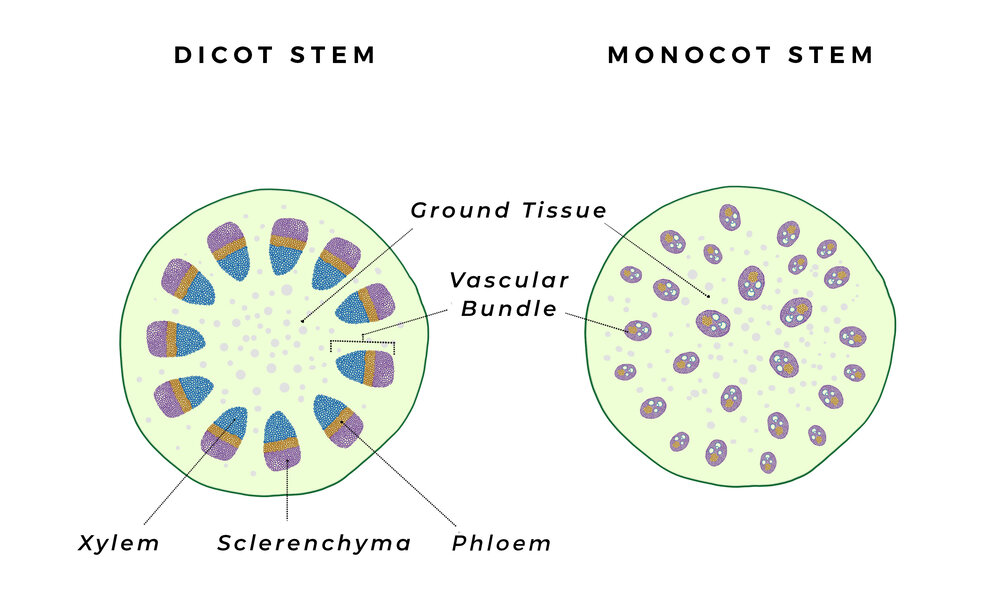
Stem Borer: Have heard some disappointment about soybean yields which I feel is mostly due to beans being pushed too fast with the weather. Soybean stem borer is also being blamed, but it hasn’t been proven via research to reduce yield unless beans become lodged/break off. To understand why, it’s important to understand corn and soybean physiology. Soybeans are dicots like trees and the xylem and phloem are found in rings towards the outside of the stem instead of the center. So the stem borer hollowing out the soybean center doesn’t affect the soybean vascular bundles, but insects like gall midge working on the outside of the stem can. This differs from monocots like corn where the xylem and phloem are arranged throughout the stem. Thus, I don’t think stem borer is the reason for lower soybean yields that weren’t due to lodging/breaking off this year.

JenREES 6/26/22
It’s a beautiful Sunday afternoon as I write this from my deck! Looking in my backyard I see one new rose blossom, leaves appearing on my vegetables, perennials, and bare areas of trees again, and beauty from a couple annuals I planted yesterday from plants that didn’t recover. As I worked with farmers the past few weeks, similar words kept surfacing in conversations: exhausted, sadness, numb, discouraged, so much loss, at least I wasn’t the only one, frustrated, angry, anxious, stressed, was thinking it’d be a good year, he/she had it worse, thankful for insurance, hopeful. And, I share that because you’re not alone in these thoughts and feelings. There’s been a tremendous amount of loss; sharing with others can help with healing. There’s been a range of emotions experienced in destroying what remains of old crops and driving to non-affected areas. Also, hope as beans, corn, and sorghum have emerged from the ground in 3 to 6 days. Praying we can finish the season well.
For those with gardens, there’s new life from buds developing on tomato, pepper, potatoes, eggplant, beans! Onions shot new leaves. My rhubarb went from a mushed mess to new leaves coming now. I had just left everything alone and yesterday removed the mushed, rotted rhubarb and replanted beans and carrots. Some have tried to help their hostas by cutting out dead once it dried. Many perennials reduced to sticks are trying to shoot new leaves. We will have to watch trees.
For those with good crops, I received a report of a first tassel in southern counties. Also, northern corn leaf blight from a consultant, so perhaps watch for that. Japanese beetles have arrived; I’m not talking about problems this week!
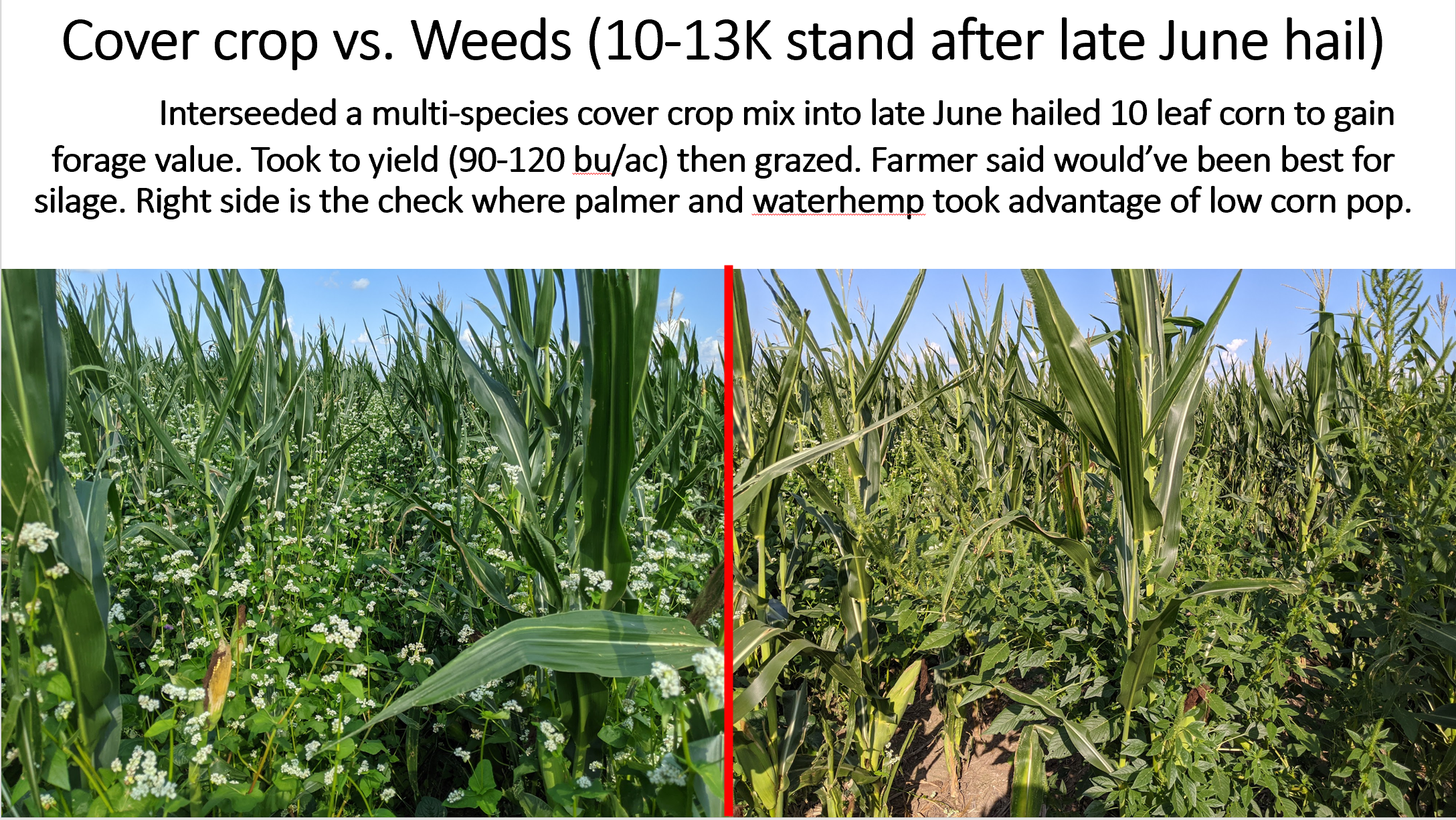
Have received two areas of cover crop questions: weed control in existing low corn populations and annual forages after a totaled out crop. If grazing/haying, please check the herbicide label. For example, the Resicore label specifies to ‘not graze or harvest rotational cover crops for food or animal feed for 18 months following the last application of Resicore.’
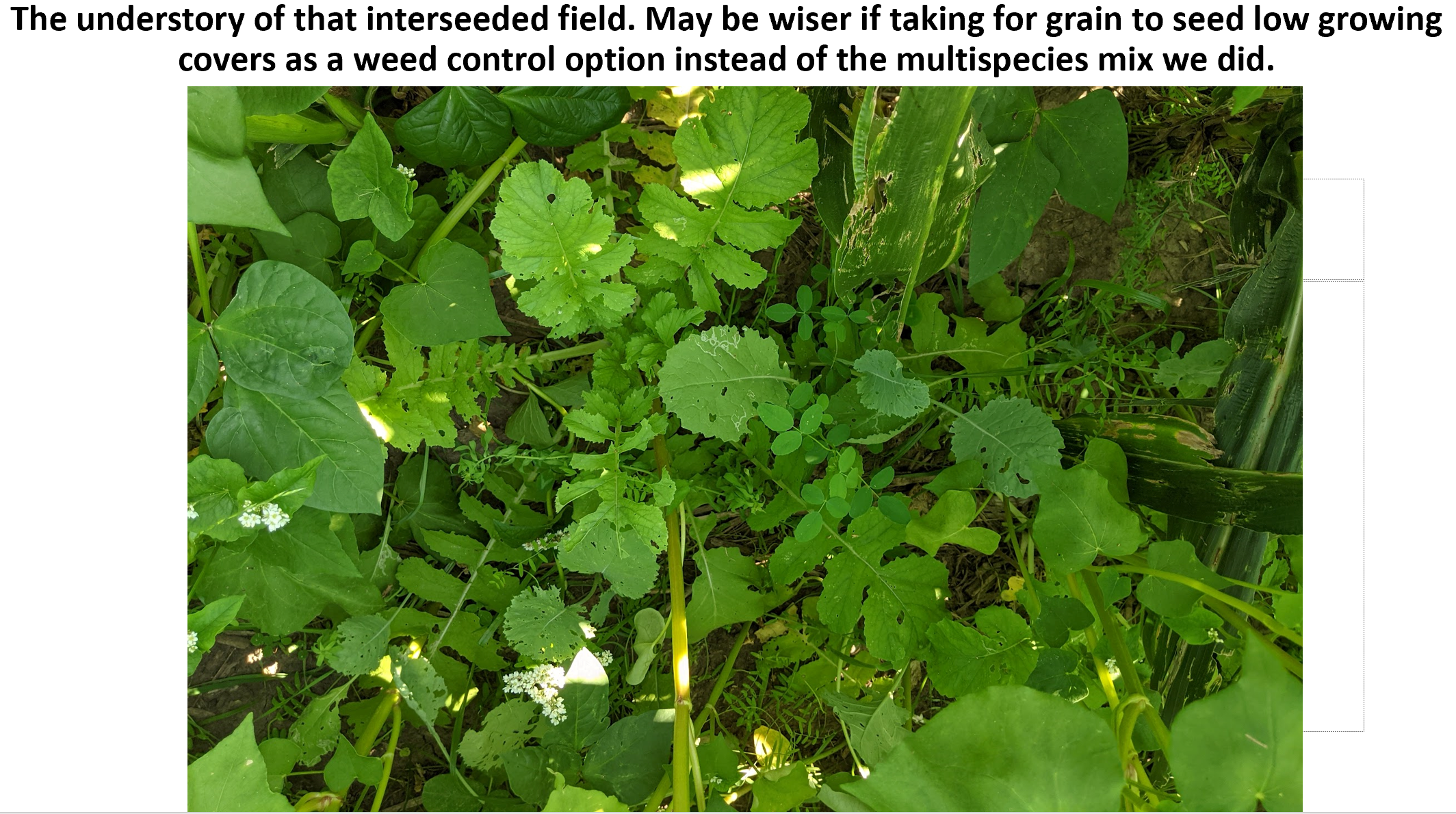
1—Weed control: For simplicity, low growth, low cost, quick shading I’d recommend brassica species such as forage collards, turnips, etc. They can be seeded now, or you can wait 3 weeks from when residual herbicide product was applied to the field. If you’d like a grass, annual ryegrass could be added; should survive the winter. Clovers could be added to provide N next year; should survive the winter. Ultimately just depends on your goals. I prefer drilling between the corn rows, but there are broadcast options that can cover acres faster. Our interseeding team will drill blocks of 5 to 10 acres of our small seed mix (brassicas, clovers, flax, ryegrass) for those interested in trying it (let me know asap if interested). Another project: several NRD’s including UBBNRD in partnership with UNL plan to apply covers via a high clearance machine around beginning dent in corn (targeted around eastern Beaver and Lincoln Creeks; contact UBBNRD if interested).
2-For those considering summer annual forages, if your fields got totaled or in the event your seed corn acres aren’t kept, here’s some ideas and tradeoffs. Sorghum sudangrass (4.2-5.3 T/ac), forage sorghum (4.4-5.3 T/ac), and sudangrass (4.1-4.8 T/ac) are some annual forage options. Sudangrass is an option for grazing due to its low prussic acid potential. Sorghum-sudangrass plants get tall and are suited well for greenchop. Forage sorghums are also known as ‘cane’ due to their sweet stems and are suited well for silage. They have higher prussic acid potential, so we don’t recommend grazing them. For those looking at haying followed by grazing, I’d recommend pearl millet (3.8-4.5 T/ac). It doesn’t get the tonnage of the sorghum species, but the stems are thinner for haying and you don’t have to worry about prussic acid poisoning in the regrowth when you graze it. It worked well for my uncle and dad on their prevent plant farm in 2019 and the cattle loved it. This publication goes into more detail regarding all these species, seeding rates, how to graze and hay each, etc: https://go.unl.edu/7ivw. If you’re interested in haying, I don’t recommend adding any other species to these as we’ve found it causes issues with drydown and with bales heating up. Rye (or wheat) could then be planted this fall/winter if desired.
Weed Management Field Day at UNL’s South Central Ag Lab is this week on June 29th near Clay Center (9 a.m.-1 p.m.). Great information including a second year research project of the same herbicide programs for corn and soybean when rye is terminated 2 weeks prior to planting vs. 2 weeks after planting. It’s interesting to see in the field, so hope you can join us! No cost, free lunch, please RSVP: https://agronomy.unl.edu/weed-management-field-day-registration.


New soybeans alongside old sticks. Emerged in as little as 3 days. New corn in the old corn grower plot.
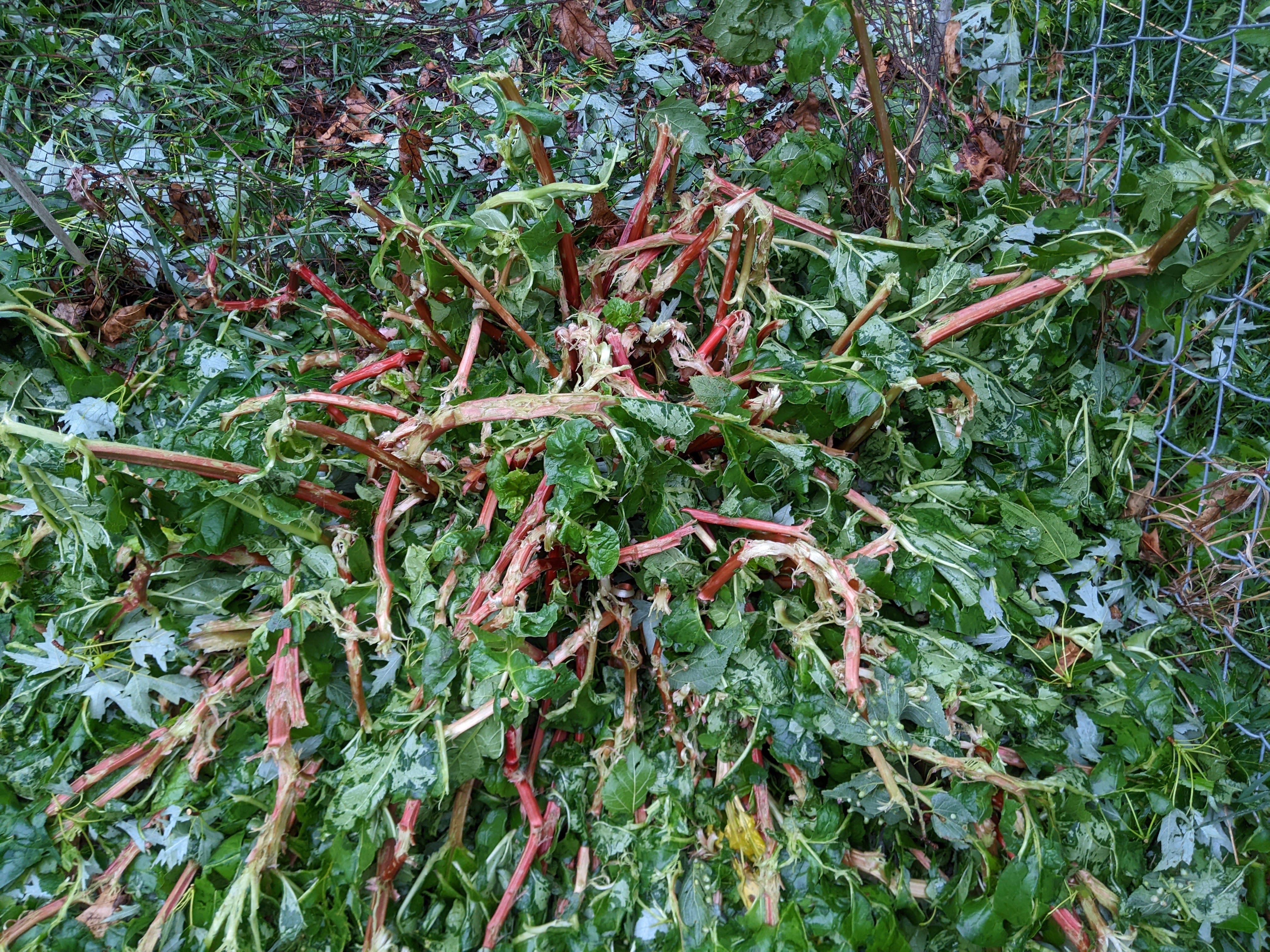

Part of my garden on June 15, 2022 the day after the hail events. I left it alone.


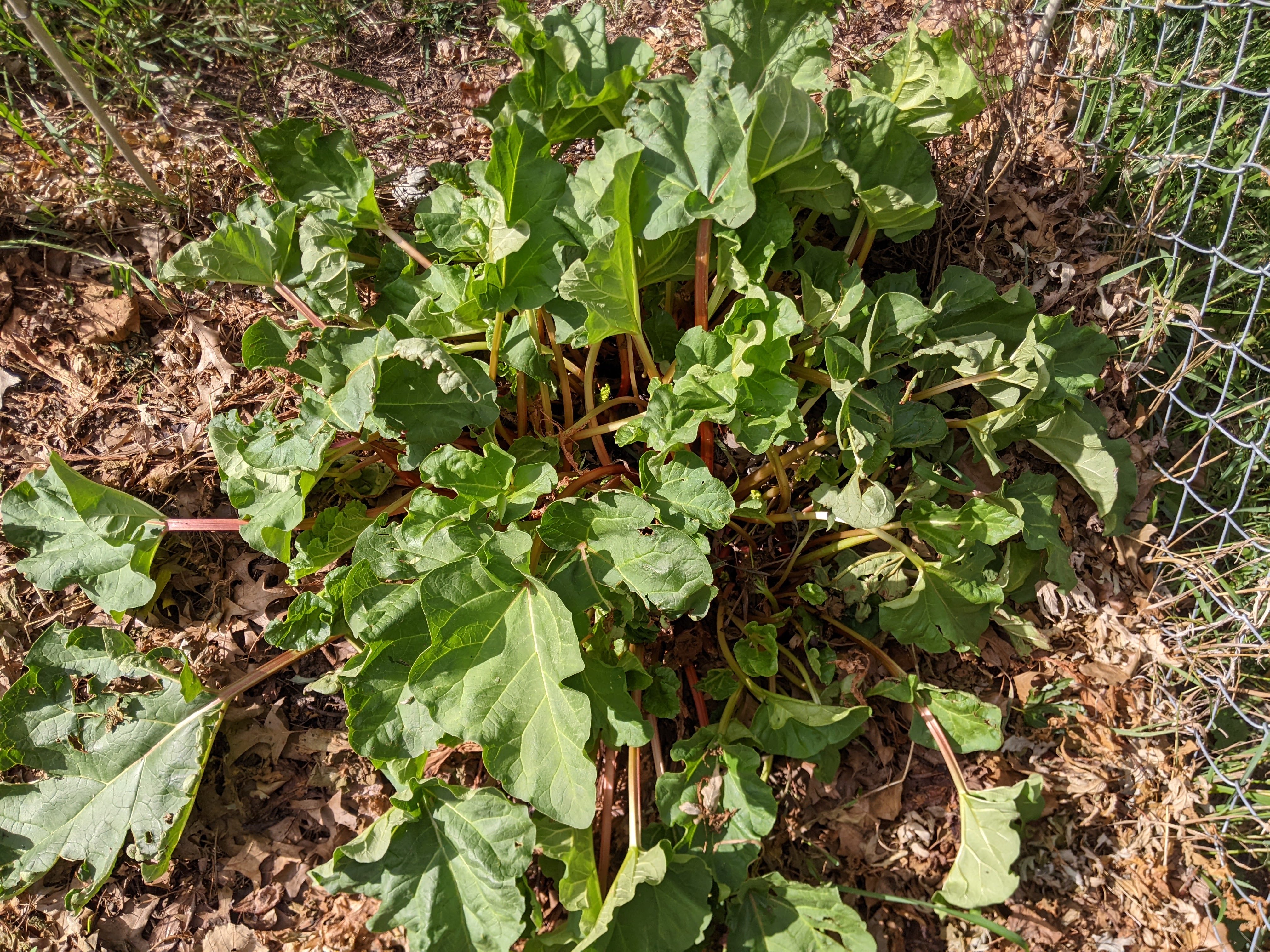

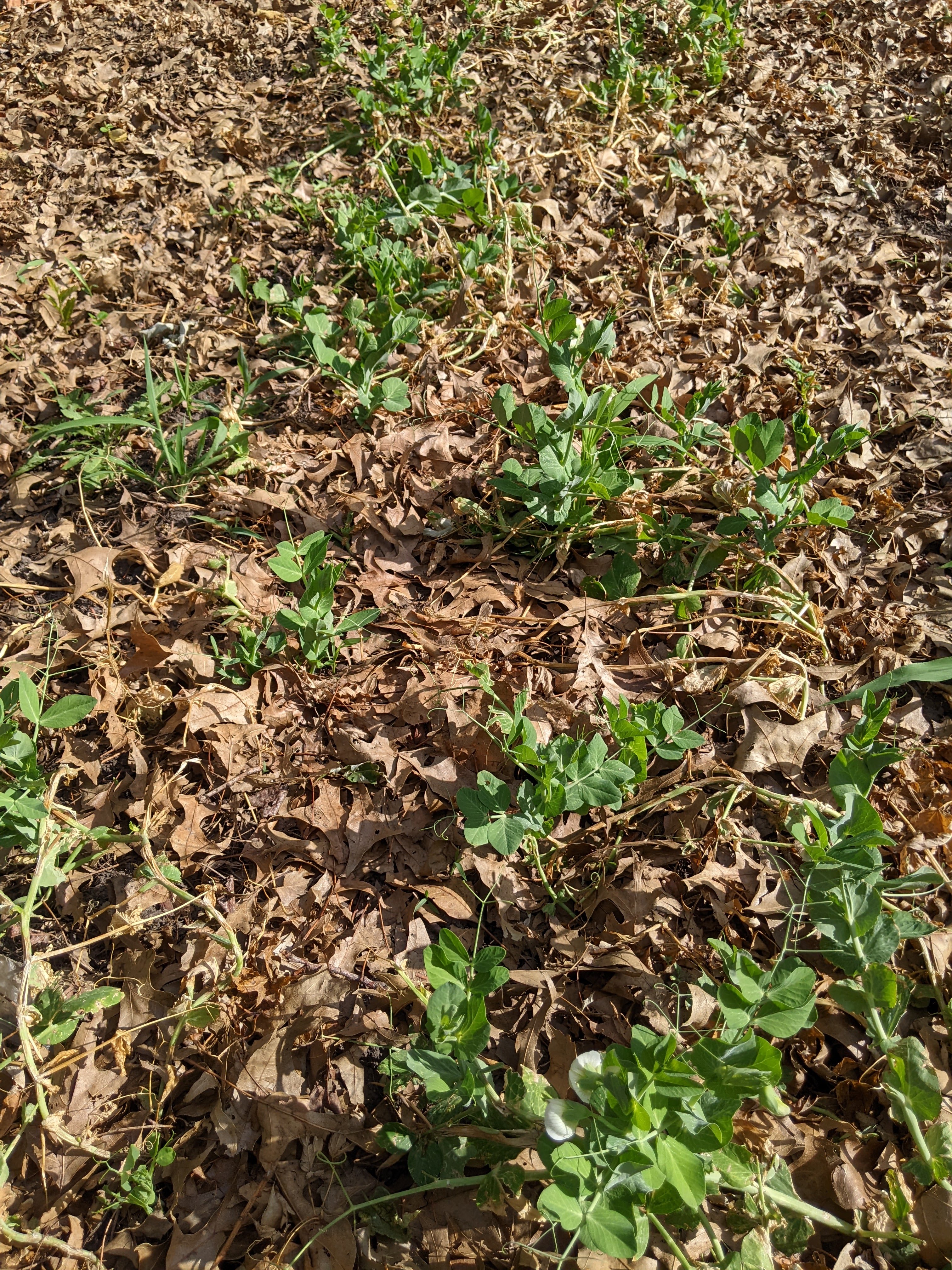
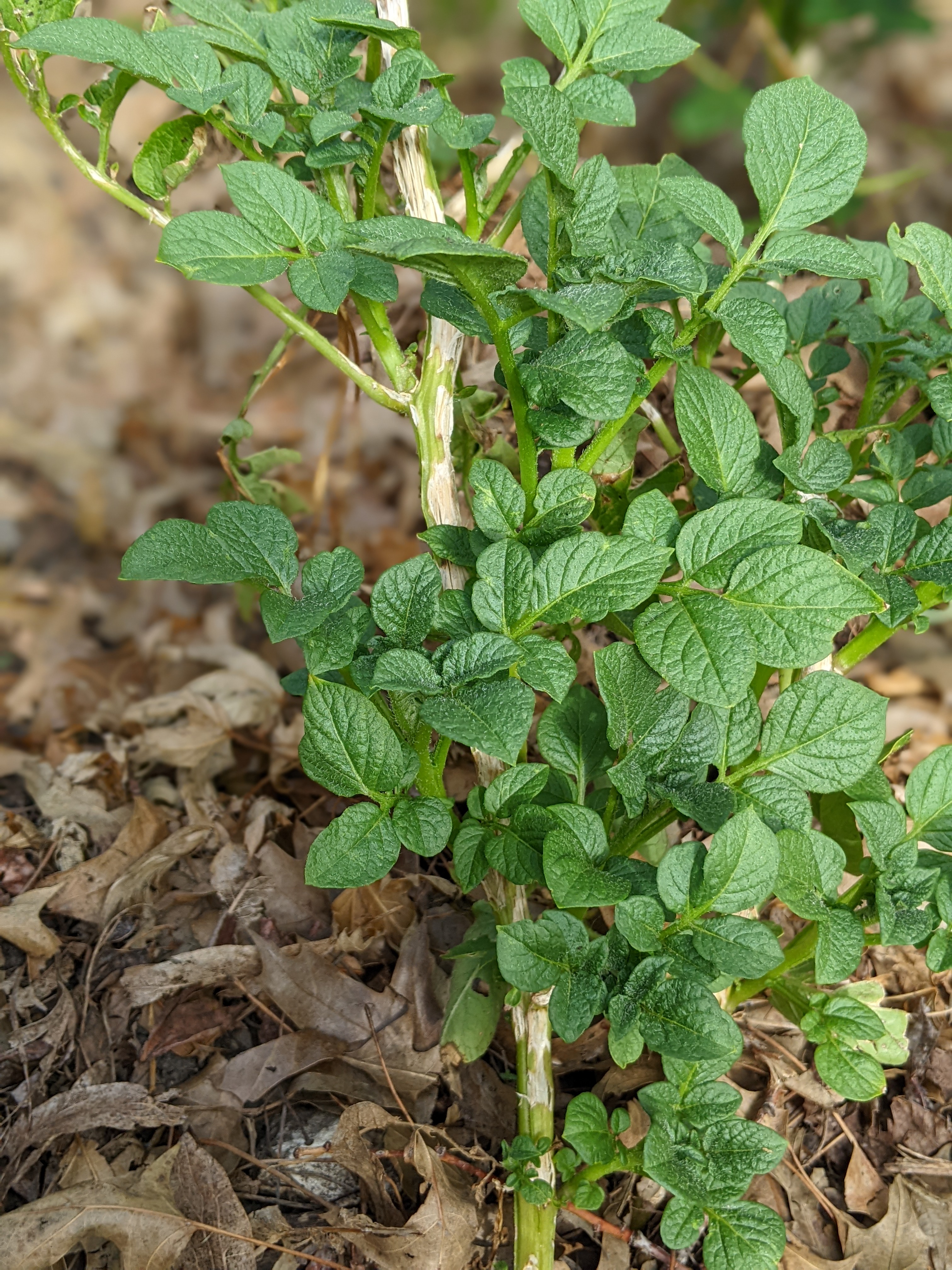
June 25th, 2022: New growth on most everything. Very few beans and none of my carrots survived. Rhubarb looks like a new plant again after removing the mushy, rotted growth and with the new leaves. Tomatoes, potatoes, peppers, eggplant came back from stems. Can see the hail damage on the stems. Onions shot new leaves out the top. Also had a new crop of asparagus come on. Need to re-stake remaining peas and will see what happens with them. Potatoes are all leaned over now instead of growing upright.
“…to give unto them beauty for ashes, the oil of joy for mourning, the garment of praise for the spirit of heaviness; that they might be called trees of righteousness, the planting of the Lord, that he might be glorified.” Isaiah 61:3 KJV
This is one of my favorite Bible verses and promises from God in the midst of hard things and I like this translation of it since it specifically says ‘beauty from ashes’. May we all look for the beauty in the midst of the ashes around us this week. And, I believe God is also desirous of creating beauty from ashes in all of our lives!
Hail Damage Update

Well, the June 14th hailstorm was something we hope to never again experience. The National Weather Service in Hastings shared a video of satellite imagery showing lack of vegetation that is incredibly insightful: https://twitter.com/NWSHastings/status/1538243511396360192. Feel for all who had damage to homes, animals, crops, buildings, bins, pivots, trees, gardens. For landscape info, check out the following from Backyard Farmer: https://www.youtube.com/watch?v=vIeA731LQg8&t=1s. Last week’s crop hailstorm webinar recording is at: https://go.unl.edu/pe9q.
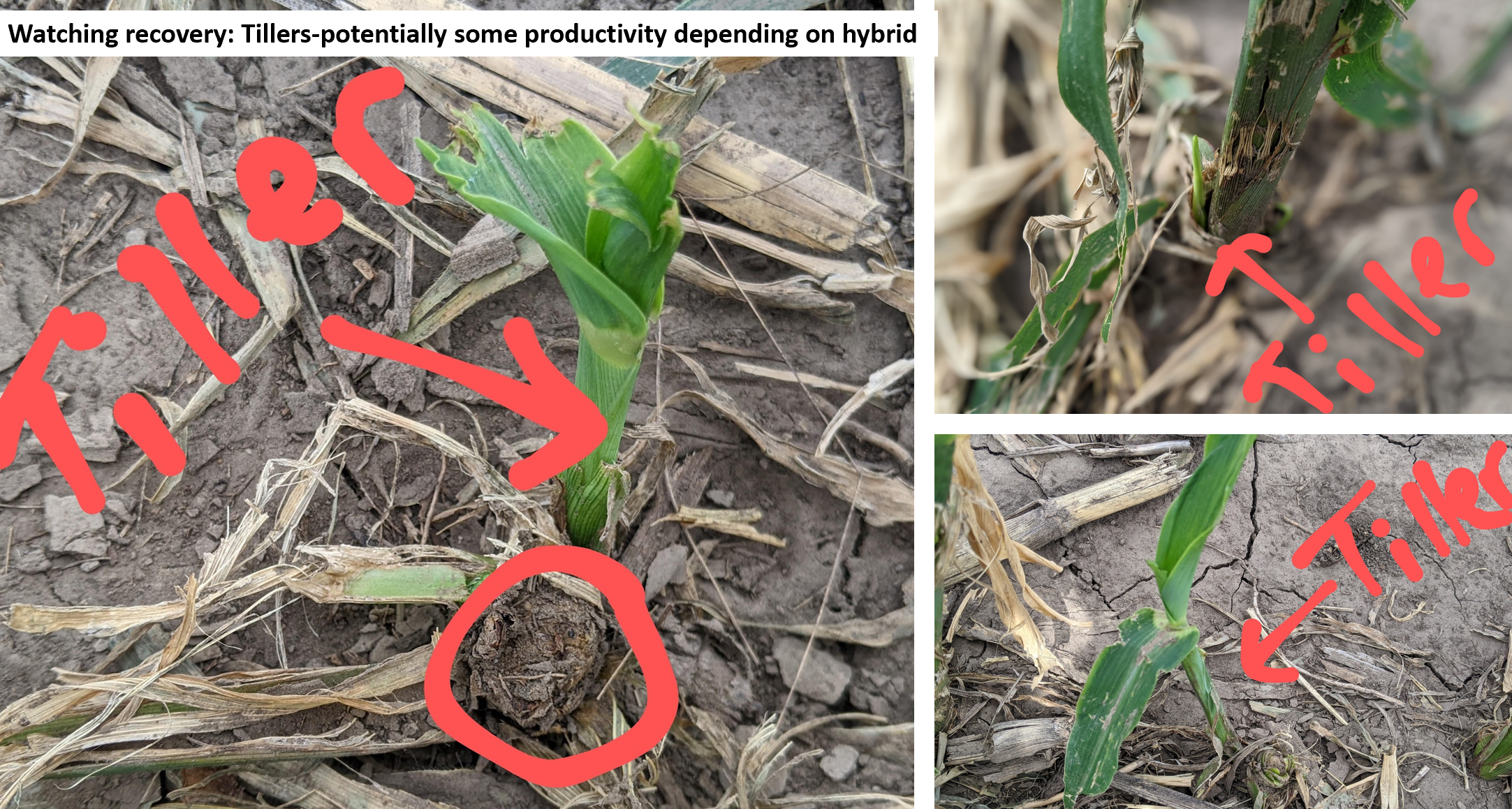
I had hoped to get a blog post out much sooner. Thank you to all who called and I truly hope something from these field visits and calls has helped. I realize a lot of replant is currently occurring and grateful for the weather for that. While replanting stinks, perhaps it’s providing a small bit of healing for the eternal optimists that so many of us in ag are? Several asked how people are destroying the old corn crop. Depending on tillage system, they have used shredding, root slicers, tillage all followed by residue removers during planting (because I’m seeing tillers growing from old stumps). Others plan to plant between the rows and then cultivate the old row out. Can chemically terminate with gramoxone. Some are using clethodim if going to soybean.
Time right now is critical with replant decision making. Some thoughts for those who need to wait for crop insurance adjusters and fields to dry:
- Start upright pivots, check control boxes, sprinklers, plastic lines to endguns, etc. Availability of parts may influence corn seeding rates. Document all damages for insurance.
- For potential replant situations where you don’t wish to plant corn due to loss of bins or inability to dry corn, depending on what you’re interested in, consider hand planting some soybean, milo, or cover crop seed into your corn fields at different depths. This will provide an idea of survival depending on corn herbicide used. Ultimately, make a plan A and B for your situation.
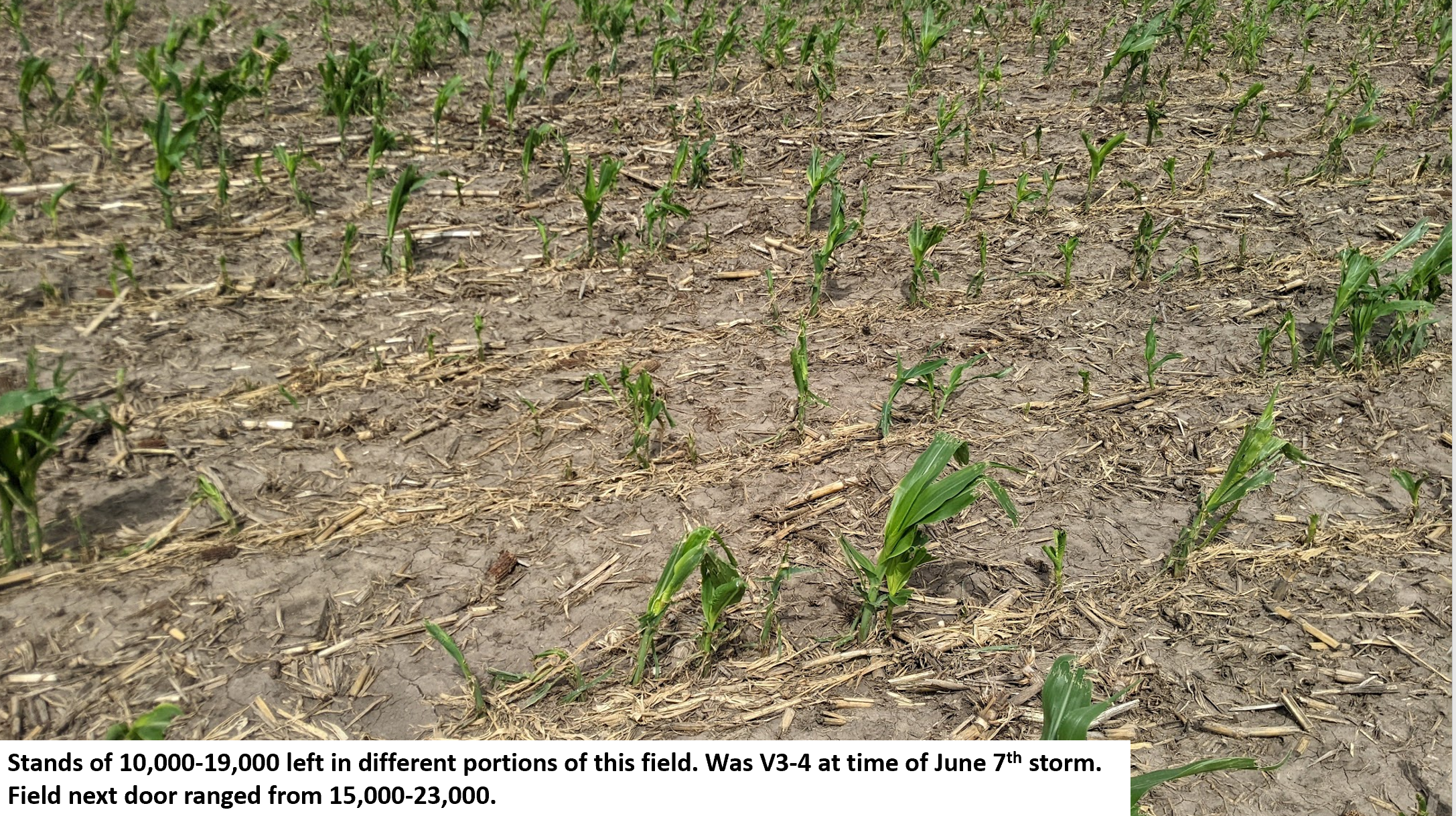
Corn: Hail damage recovery has varied. From June 7th storm, there was unevenness in plants that recovered. Saw bacterial top rot setting into plants even in several V3-V4 damaged fields. Plants may look better from the road but inside the field tells the story. June 14th storms: plants are severely bruised. Seeing hail stones causing deep bruising and rot both above and below the growing point. Often plants snap when barely touched. Fields less impacted are gaining new growth and will look better next week. Keep watching the fields with small plants that were pummeled into the ground and seed fields. My blog at jenreesources.com has recovery photos and a chart to help with replant decisions and potential yield due to reduced stands. Area Pioneer agronomists also made a video suggesting for every 1000 ‘healthier’ plants, can consider 10 bu/ac …so 15,000 plants could result in around 150 bu/ac: https://www.youtube.com/watch?v=viOwFqi3FDU.
Soybean: Normally, soybean is so resilient with all the growing points. The xylem and phloem in beans are on the outside of the stem, so the hail pummeling the stems and tops impacted that transport and many plants just turned white/gray and died. For replanting beans, would recommend using a fungicide seed treatment; have seen phytophthora root rot in replant beans in the past. You don’t need other seed treatments. Seeding rates: If have surviving plants, can slot some in at a reduced rate between rows or angle depending on row spacing. If you don’t, go with original rate or increase 10%. Regarding maturity, we at several universities say to use Group 2’s at this date. Indeterminate beans continue to produce nodes, leaves, flowers till R5 regardless of maturity group and beans are daylength sensitive.
I truly wish everyone the best with decisions. This amount of loss takes a huge toll whether or not we are honest in admitting that to ourselves. I hear and sense the stress with each conversation. Each situation is unique in damages received, crop insurance taken, amount of grain forward contracted, and other life things occurring. Some are walking outside to devastation each day. Some had multiple events occur this year. You may be in crisis mode right now just trying to patch things up and get new crops planted. I don’t know what is helpful for you. What I know for me is that my faith in God, my belief that He is in control, and His continued faithfulness to me is what has sustained me. Tears can be healing. Just would encourage you to also find a healthy way to take care of yourself such as talking to a trusted friend, prayer, journaling, exercise, or participating in a hobby. This is a great resource on taking time to listen and talk: https://go.unl.edu/3daw.
*End of column for newspapers.


This chart shows the relative corn yield potential compared to the original stand if the stand is reduced based on planting date. It provides an idea anyway assuming no additional storms or other issues.




Different soybean fields. I keep failing to take pictures of soybeans. Mostly the fields look like the first pic and are clear-cut that they had too much stem damage and are dead. Or, they are obtaining new growth and look much better. Some are just super slow to get much growth, though, and for those fields, some growers are slotting some in from the standpoint of weed control. Those with lighter damage are seeing rapid new growth where petioles meet the stems (taller pic).

Showing these charts below again if helpful. We’d recommend 100 day or less maturities at this point.
| York Ne Data Avg. 28F frost Oct. 21 | Relative Maturity | 80 | 85 | 90 | 95 | 100 | 105 | 110 |
| Planting Date | GDD to R6 | 1917 | 2038 | 2159 | 2280 | 2401 | 2521 | 2642 |
| June 15 | Sept. 5 | Sept. 11 | Sept. 19 | Sept. 28 | Oct. 8 | Oct. 23*** | *** | |
| June 20 | Sept. 11 | Sept. 18 | Sept. 27 | Oct. 7 | Oct. 22*** | *** | *** | |
| June 25 | Sept. 18 | Sept. 27 | Oct. 7 | Oct. 21 | *** | *** | *** | |
| June 30 | Sept. 27 | Oct. 7 | Oct. 21 | *** | *** | *** | *** | |
| ***Date is beyond average 28F frost event of Oct. 21 |
***indicates the date is beyond the average 28F average first frost of October 21.
| Clay Center, Ne Data Avg. 28F frost Oct. 18 | Relative Maturity | 80 | 85 | 90 | 95 | 100 | 105 | 110 |
| Planting Date | GDD to R6 | 1917 | 2038 | 2159 | 2280 | 2401 | 2521 | 2642 |
| June 15 | Sept. 9 | Sept. 16 | Sept. 25 | Oct. 5 | Oct. 20*** | *** | *** | |
| June 20 | Sept. 15 | Sept. 24 | Oct. 4 | Oct. 17 | *** | *** | *** | |
| June 25 | Sept. 23 | Oct. 3 | Oct. 16 | *** | *** | *** | *** | |
| June 30 | Oct. 2 | Oct. 15 | *** | *** | *** | *** | *** | |
| ***Date is beyond average 28F frost event of Oct. 18 |
***indicates the date is beyond the average 28F average first frost of October 18.


 JenResources