
Category Archives: Tours
JenResources 7/14/25
It was a blessing to get away for the national ag agents conference and then on vacation! The keynote speaker was Dwayne Fisher who is the VP Marketing and partner at Champion Produce Sales in Idaho. His speech was about relationships. My takeaway from him was, “The more, more, more is creating less, less, less when it matters most, most, most. When we don’t feel we have time for one more thing, pause and take time to do something for someone else. (Regarding people)-Notice them, Value them, Serve them, Encourage them. We can’t replace Relationships.” This was a helpful reminder and “shot in the arm” for me; hopefully, helpful in some way for you too.
For the ag tour, I learned about wool production and marketing and toured a sheep ranch that was 45 miles from Yellowstone National Park in the mountains. The rancher shared the challenges of grazing thousands of sheep in the mountains with wolves and bears migrating from the park and killing sheep. The specific wolves and bears have to be tracked and ID verified before they can be eliminated. They work with experts to use drone technology and game cameras to help identify the specific animal. At the wool-buying stop, we learned that China dictates the market based on weekly wool sales in Australia. Australia sells more wool in one week than what the U.S. sells in 1 year. The take-home from the wool-buying stop was to buy more natural fibers like wool and cotton.
Fungicides: Received many questions last week on fungicide applications to corn and soybeans. First, tar spot is still at low levels where it’s been found in fields and hasn’t hit the 5-7% thresholds. It prefers temps in the 60’s-70’s, which to me explains why we’ve mostly seen it get worse in fields at the end of the growing season. I realize a lot of fungicide is going on corn. Economically and threshold-wise, I’d wait as long as possible before applying a fungicide. The research from Indiana showed that it was still economical to apply through milk-early dough stage. Waiting will allow for residual for when you may need it later in the season if tar spot or southern rust take off. There won’t be residual left for those making apps now. Just for consideration as the economics don’t justify multiple applications.


For soybeans, if the field had never had white mold in the past, I would not worry about a fungicide for white mold. If it’s a seed corn/soybean or corn/soy rotation field and had white mold in the past, one could aim for one fungicide application at full flower (R2). If you’ve had 2 years of corn followed by beans this year, you probably don’t need a fungicide. And, if you planted soybeans green into a small grain, again, you shouldn’t need a fungicide as we’ve seen small grains keep white mold at bay. I realize I’m more conservative with recs compared to most, but this is based on economic thresholds and understanding the pathogen and crop rotation history. Also, a reminder if you’re interested in using plant nutrition in either corn or soy for on-farm research, please let me know.
Summer Grazing Field Day July 24 will be held at Eastern NE Research & Extension Center near Mead from 9 a.m.-2 p.m. (Registration at 8:30 a.m.). The cost is $20 and they are requesting RSVP for lunch count. More info here: https://beef.unl.edu/news/summer-grazing-field-day-strategies-beat-slump/. The day will be casual and discussion-based. Take a look at the summer phase of a double-crop annual forage system—where warm-season forages like sudangrass (with or without sunnhemp) are being grazed by both cow/calf pairs and stockers. Additional topics include:
- How to manage warm-season annuals to get the most out of them
- What the performance data says (ADG, stocking rate, carrying capacity)
- How the economics compare between cow/calf and stocker systems
- New prussic-acid free sorghum-sudangrass variety
- Virtual fencing in action

Alabama Agriculture-What I learned

At our first stop, this farming operation had fields where peanuts were strip cropped between rows of pecan trees (shown in background). The farming operation went from around 1500 to 900 pecan trees after the hurricanes in the 1980s. The pecan trees were around 80 years old.
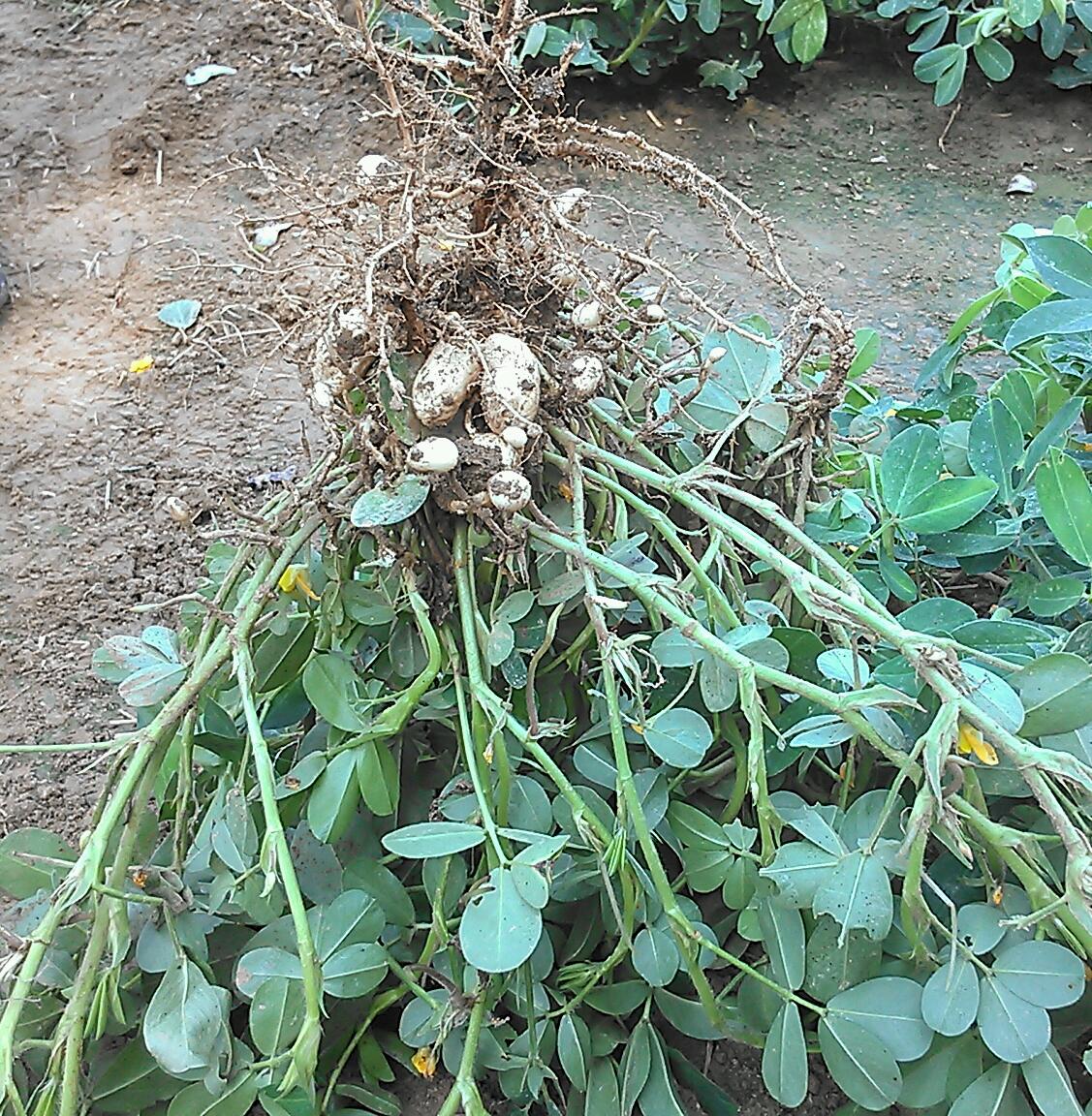
Peanut plant up close. The soils in this part of Alabama are highly acidic and peanuts like a pH between 5.8-6.8 and well-drained soil, so the producers add quite a bit of lime. Different maturities of peanuts are grown so they’re harvested anywhere from September to October.
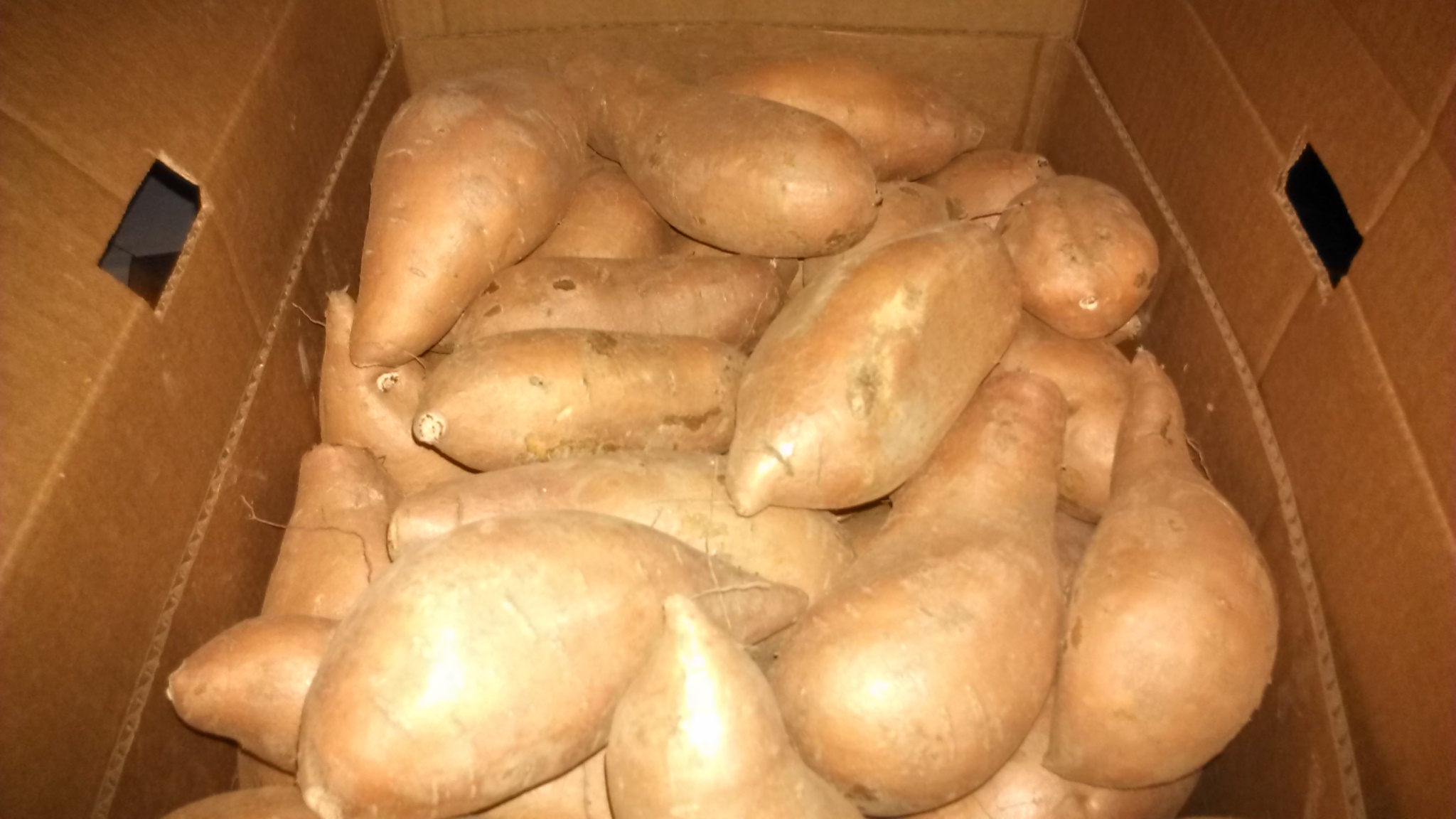
Sweet potatoes! I absolutely love to eat them 🙂 This farm had tried a variety of crops in the past and continues to grow cotton and peanuts as well for a rotation with the sweet potatoes. With low commodity prices for the other crops, sweet potatoes provided another source of income. They are planted mid-April and will be harvested early August this year. The smaller sweet potatoes will go to a canning facility. Potatoes have to be at least 2″ in diameter to be processed for sweet potato fries.

The nephew of the sweet potato farmer was interested in value-added herbs and greens. He put up this greenhouse 11 months ago and has been growing hydroponic greens and herbs for high end restaurants and supermarkets.

A cotton plant. Cotton is actually in the hibiscus family and can get 5-7 feet tall. Growth regulators are used to keep the cotton short so more energy goes into producing cotton instead of vegetative material like leaves and branches. While not easily seen on this picture, the “squares” are where each cotton blossom and seed will be produced.

Auburn Extension Specialist explaining how a cotton plant puts on a new node (where flowers and seed are produced) about every 3 days. He was also showing the shortened internode length due to adding growth regulators to the cotton. Cotton was often no-tilled into wheat. They have similar findings as we do here regarding the improved yields of crops following wheat in dryland. Although, interestingly, they receive on average 66″ of rain a year and Mobile, AL has surpassed Seattle as the rainiest city in the U.S.
#Ag Tour Day 1
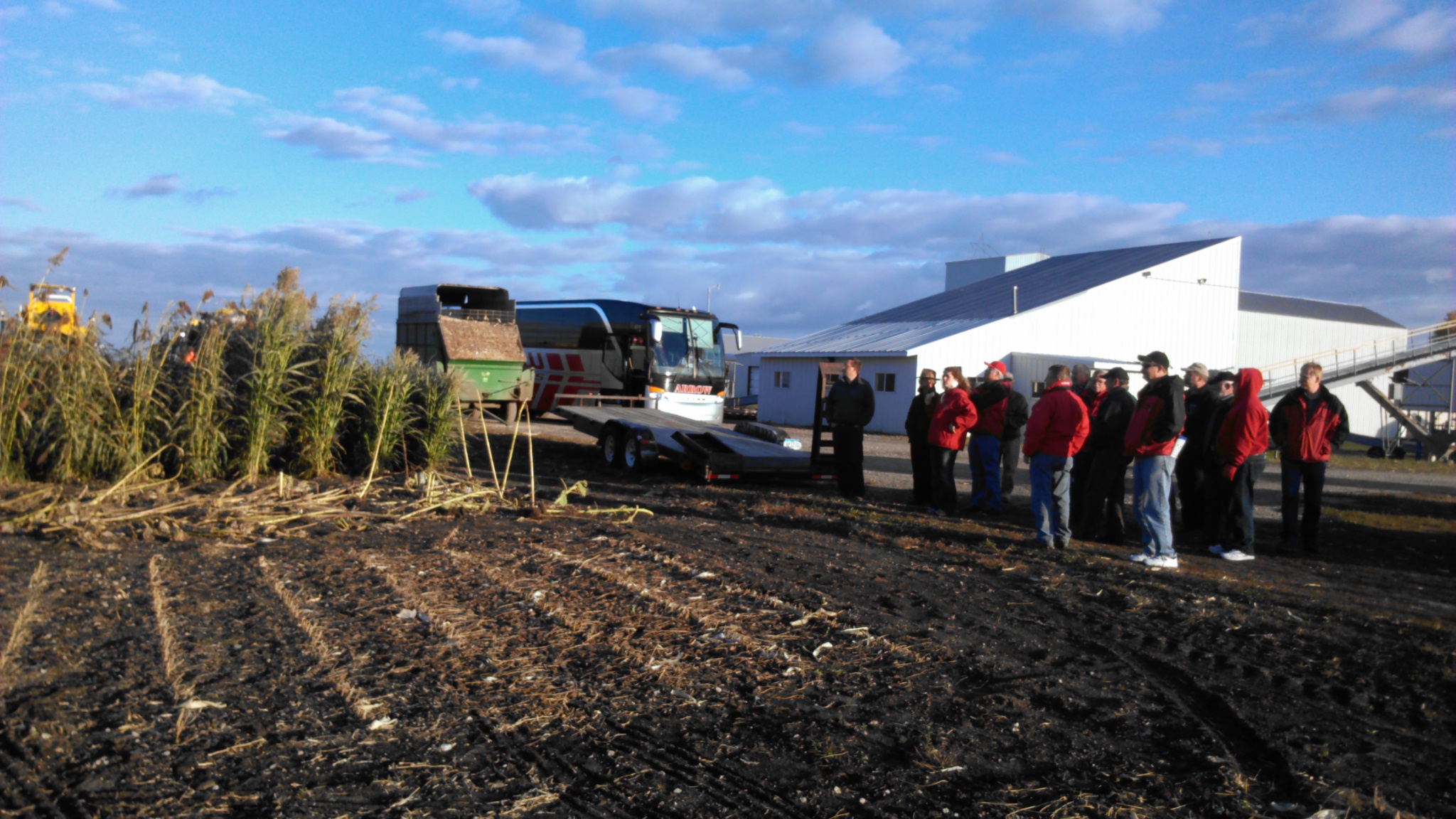
UNL Extension Ag Educators from throughout Nebraska gathered together in late October for an excellent professional development tour to Iowa and Minnesota!
Before the bus started moving we were working on plant identification for a client. Then we learned about the status of Emerald Ash Borer among other pests at the Douglas-Sarpy County Extension Office. By the end of the presentation we were considering getting a meat thermometer and recordable Hallmark card! (will explain later).
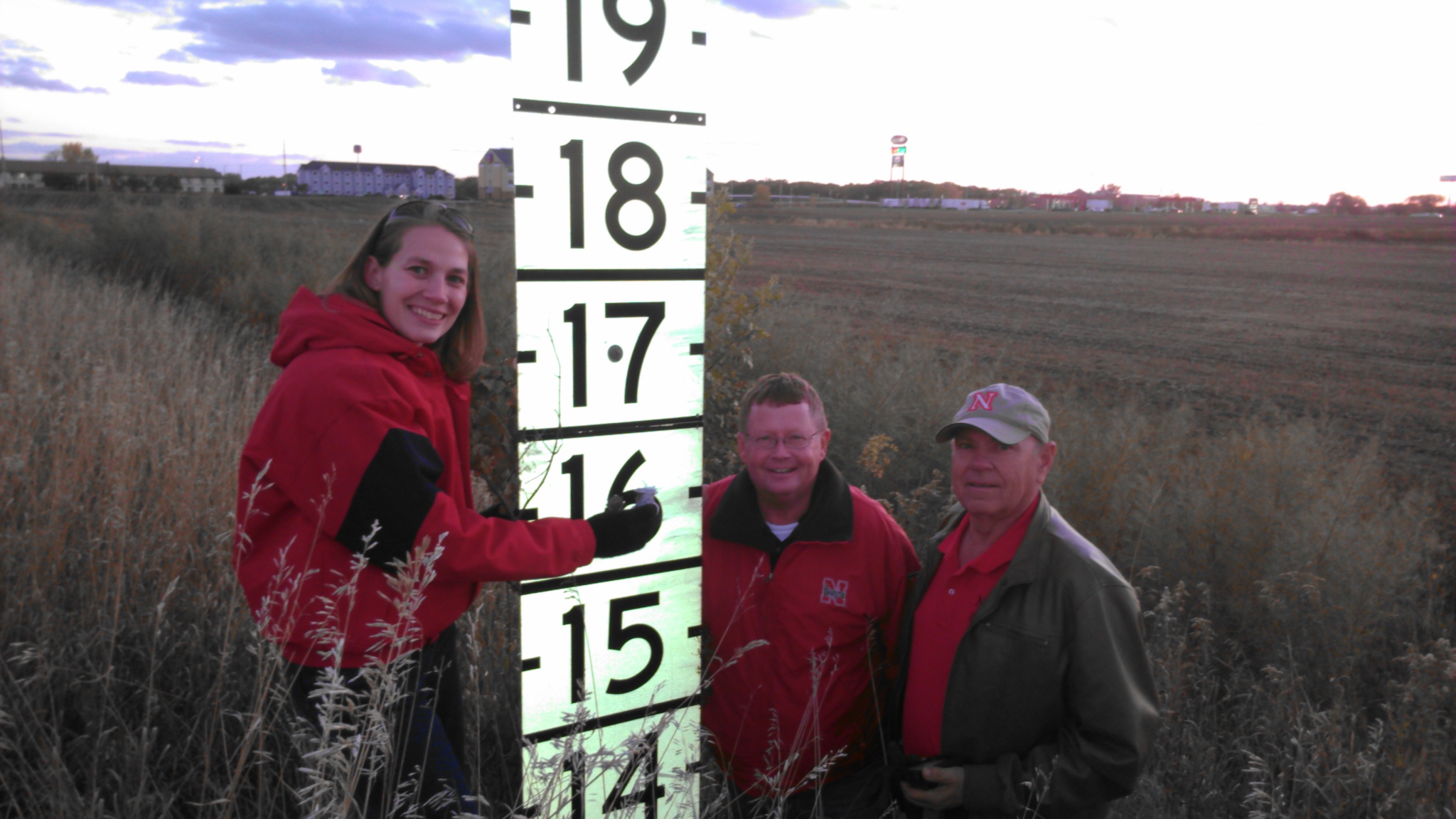
Along the way, John Wilson provided an update regarding the flood recovery efforts from the 2011 flood. He mentioned at Gavins Point Dam, the lake would have drained every 25 hrs. when releases were occurring for the flood. He was involved with an effort in putting together a webinar that involved 25-30 agencies and 14 speakers from 5 states. During the recovery there were 2″ to 25′ drifts of sand in fields. One piece of ground that was reclaimed cost $125-150K and needed 7 excavators for a month. One 300 acre piece of ground that wasn’t reclaimed was going to cost $10,000/ac. to reclaim it.
John Hay provided an update regarding wind energy. He pointed out the different types of towers along the way as we passed several wind farms. Facts included: a 1.5Megawatt wind turbine can run 1000 homes each and the gear box is turning 2000:1 compared to the blades. Iowa is #1 in percent of electricity produced from wind power (20%) and it costs $3-6 million each to install a wind turbine (essentially double the cost of how many megawatts). The life span of a turbine is 20 years with a maintenance cost about $0.05/kwh. When considering efficiency, wind turbines are 40-50% efficient vs. coal power (35%), nuclear (35%), cars (25%); so they’re more efficient at converting free energy into electricity but they are less cost 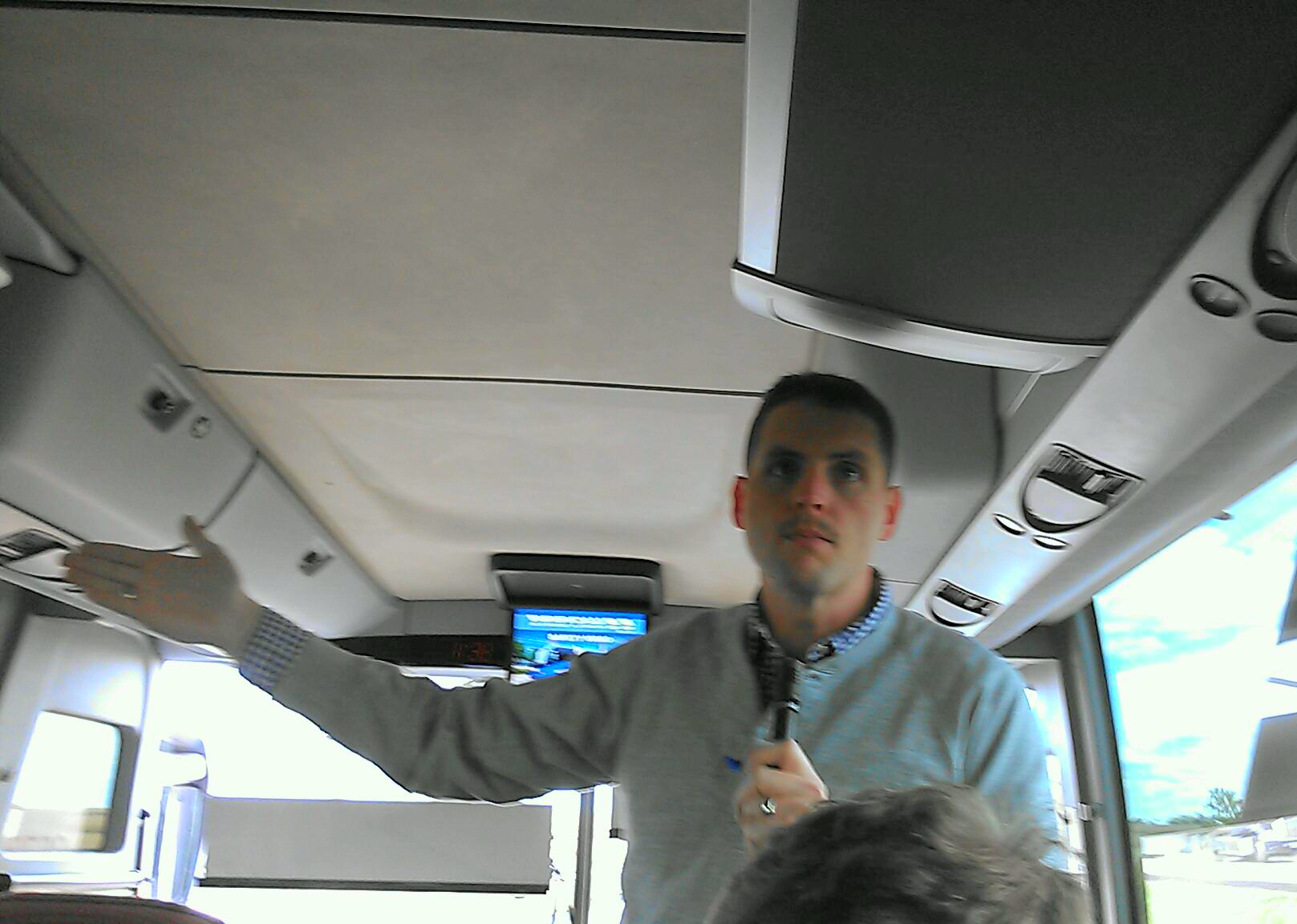 efficient than those other energy sources. Windfarms also typically pay for themselves in 5-10 years.
Our first stop was at Hawkeye Breeders where we saw their semen storage facility that essentially had enough semen to fertilize every cow in the U.S. They ship all over the world and their primary customer is the dairy industry. We also toured their semen collection facility and got the coolest pen from there.
From there we stopped at Blue River Organic Seeds and were surprised to learn that all their organic seed research is done conventionally. They provide organic seed for corn, alfalfa, soybean, and various forages and are looking for more growers. We also learned about PuraMaize which was developed by Dr. Tom Hoegemeyer to essentially block pollen from outside sources to maintain purity.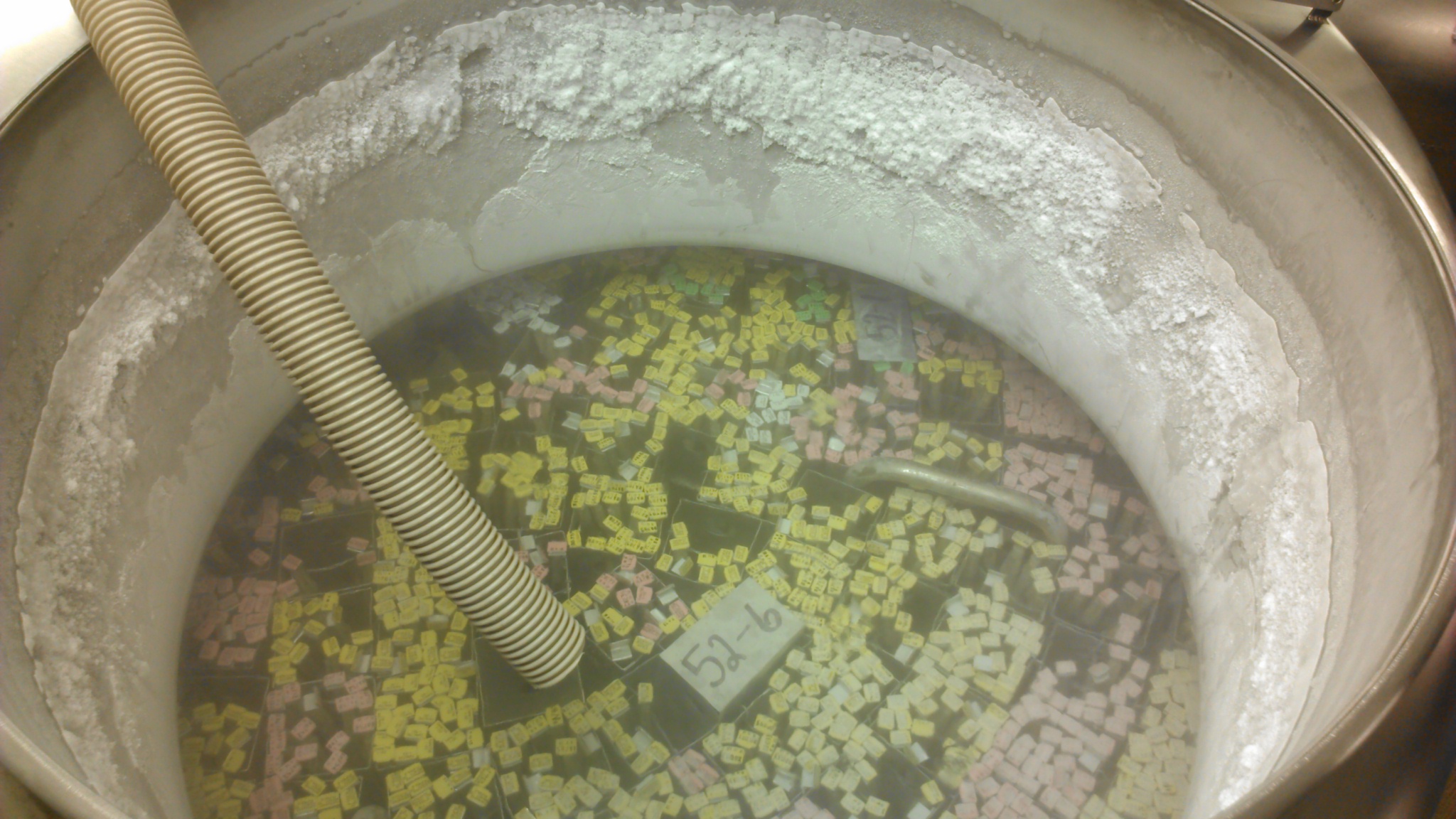
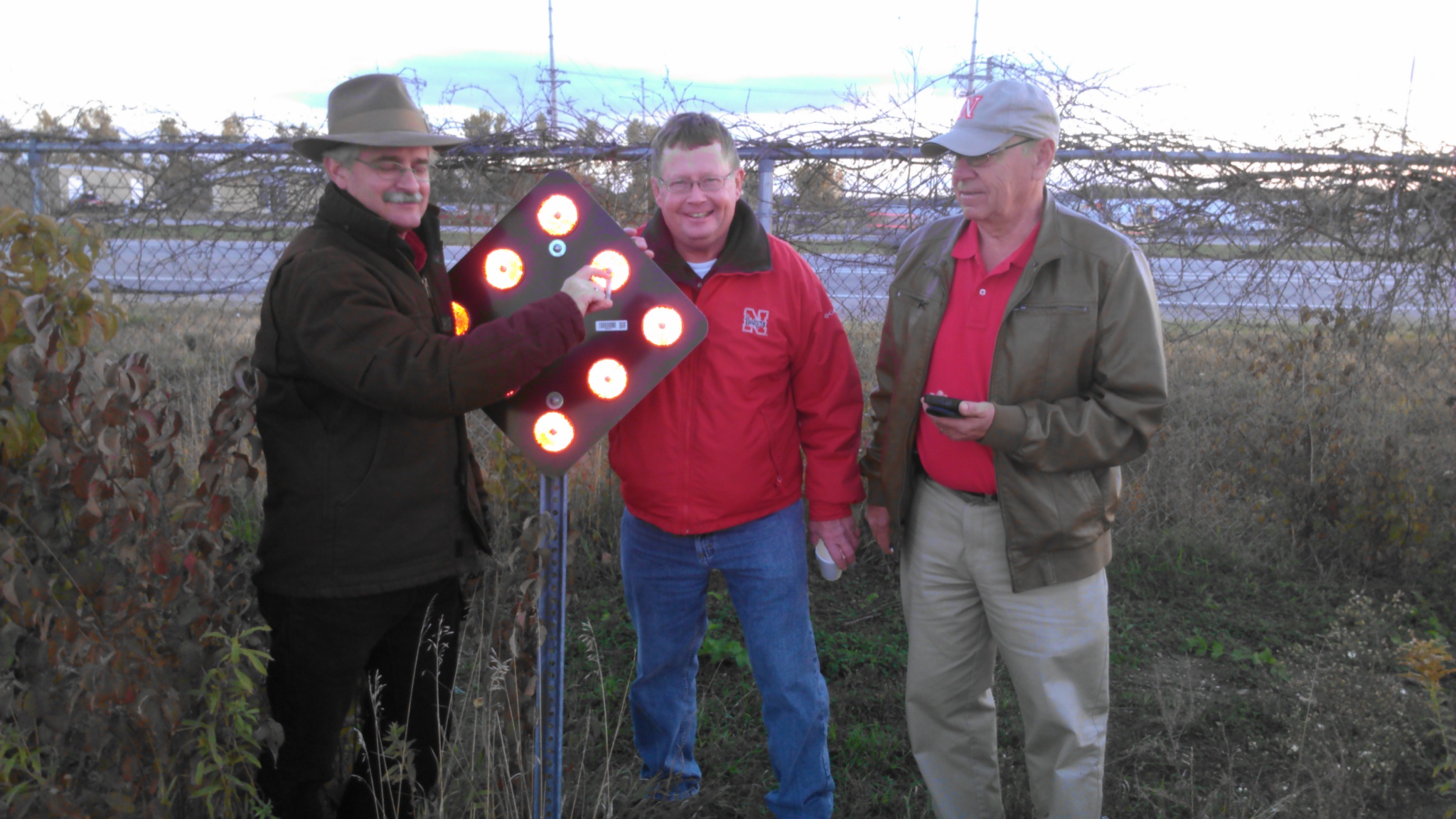
That night we had supper with faculty from Iowa State University talking about programming efforts there, including their manure programming, ag economics, and Roger Elmore spoke of the corn programming there. But before that, a few of us took advantage of the 45 min. of time to get a few geocaches in the area 🙂


 JenResources