JenREES 8/28/22
Last Irrigation: This really is dependent upon everyone’s individual soil moisture situation by field, crop development stage and crop rooting depth for that field. I have a fairly proven method I’ve used for watermark sensors, but being there’s so many different irrigation scheduling tools used, it won’t be applicable to everyone. We’re most likely done irrigating most ‘normal season’ corn in the area at this point. Corn at ½ milk needs approximately 13 days and 2.25” to finish. Corn at ¾ milk needs about 7 days and 1” till black layer. At this point, we’d say you can draw soil moisture down to 60% of field capacity. If you have the top foot at field capacity for a silt loam soil, there would be at least an inch available in the top foot alone, not accounting for soil moisture in the next several feet. So, you could wait a week and see where soil moisture is and adjust from there.

What I said for corn above can also be applied for soybean. I think what’s trickier for soybean is determining the end reproductive stages, especially as we have been conditioned to look at ‘leaf yellowing’ as the beginning of physiological maturity, yet many factors can cause leaf changes. So I feel perhaps a better indicator of maturity is to look at the pods. For soybean development stages from R2 (full flower) to R6 (end of seed enlargement), we are looking at pods at the top 4 nodes of the plant. For R7 (full maturity), we are looking for at least 50% of the plants having one mature pod anywhere on the main stem.
So how do we know a pod is mature? Inside of each soybean pod, there is a whitish membrane around each seed that provides water and nutrients to the seed. A mature pod is considered when the pod membrane no longer clings tightly to seeds in that pod (this is like black layer on corn where the nutrient/water supply is cut off from the kernel forming the black layer). So essentially, if you pull off a pod on the main stem, carefully open it up and look at the white membrane surrounding the seed. If it’s still clinging tightly to it, it’s not quite mature. If you see separation of the membrane and seed, it’s considered mature and will no longer use water.
Soybeans at full seed (R6 end of seed enlargement) need approximately 18 days to maturity or 3.5” of water. At R6.5 (leaves yellowing/pod membranes still clinging to seed) the soybean needs 10 days or 1.9” yet until R7 (physiological maturity), in which the pod membrane has separated from the seed and requires no more water.
Soybean stems typically turn brown shortly after R7 begins, though the stem can remain green longer due to a number of reasons, including fungicide use. The final soybean stage is R8, which occurs when 95% of pods have attained maturity and have a variety-dependent color of brown or tan. Seed moisture in a soybean pod dries down from 70% at R7 to about 13% at R8. This has shown to be around 12 days based on research, but can be faster or slower depending on solar radiation, humidity, temperature, wind speed and soil surface moisture.
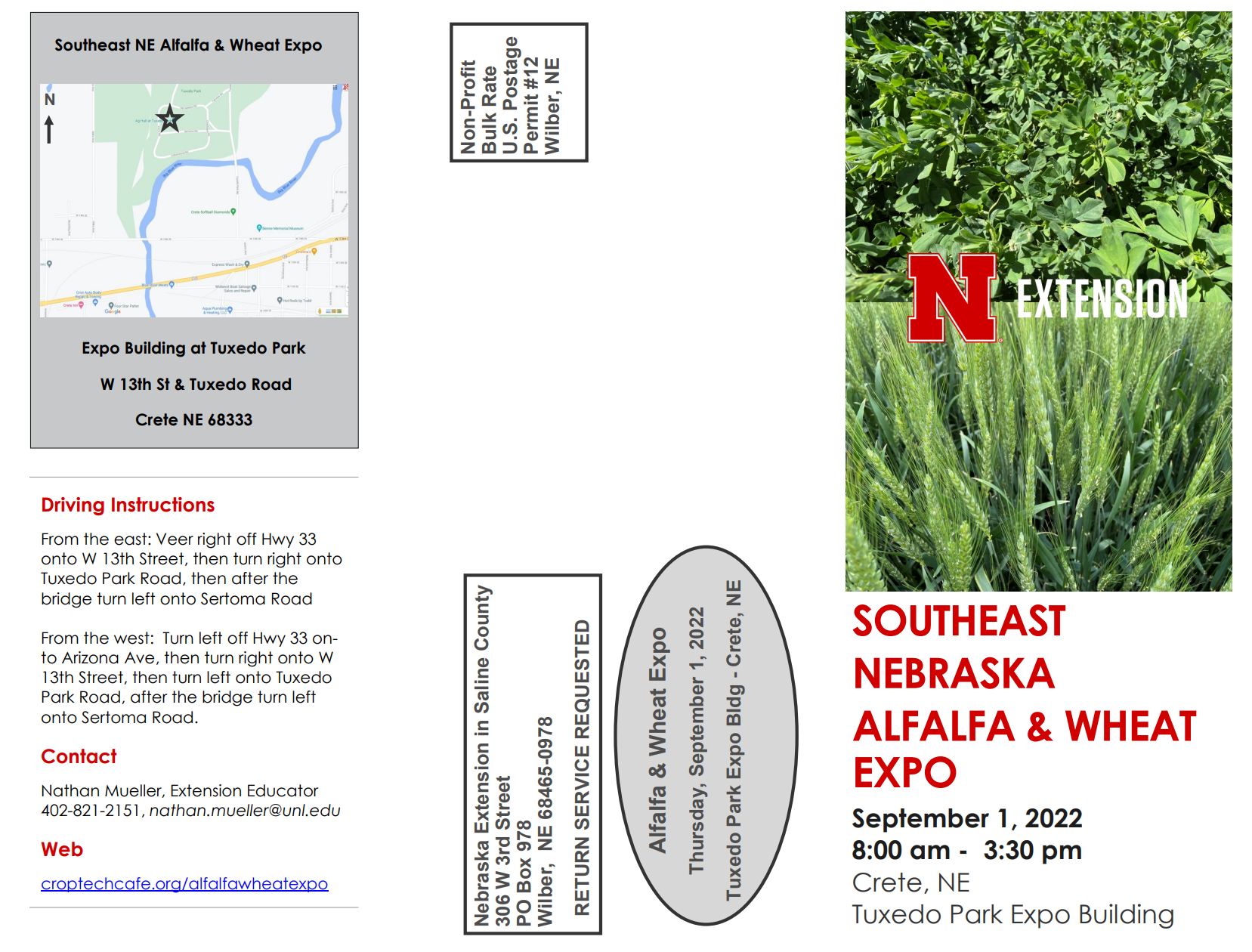
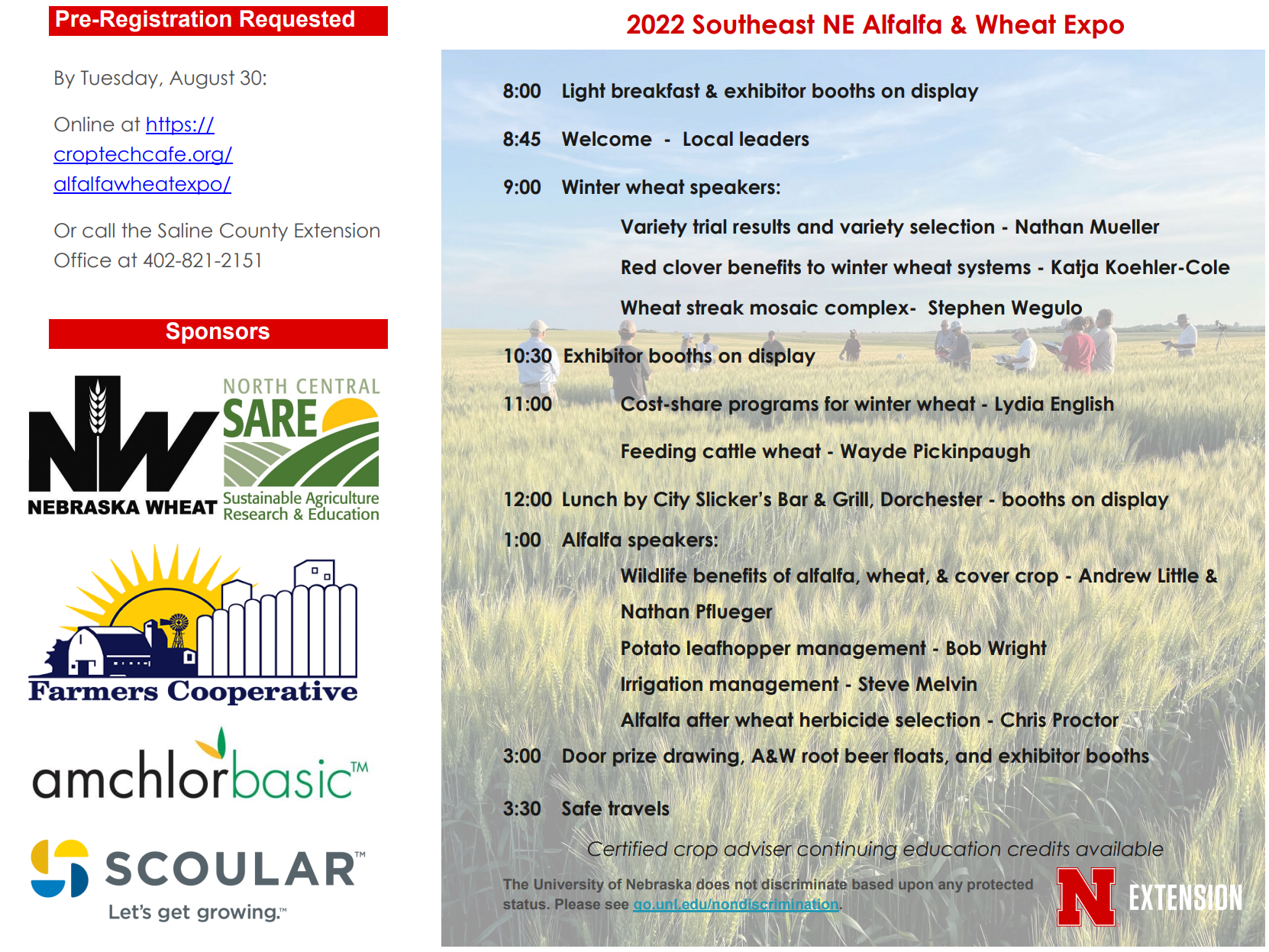
Eastern Nebraska Wheat and Alfalfa Expo will be held Sept. 1 at the Tuxedo Park Exhibition Building in Crete. The expo will begin at 8 a.m. with a light breakfast and exhibitor booths. The educational program starts at 9 a.m. and ends at 3 p.m. Wheat topics in the morning include: wheat variety recommendations, underseeding red clover, hail damage and wheat streak mosaic virus, cost-share programs for growing wheat, and feeding wheat grain to cattle. Topics on alfalfa in the afternoon include: benefits of diverse crop rotations for wildlife, managing potato leaf hoppers, irrigating alfalfa, and herbicide management. There’s no charge but please RSVP to 402-821-2151. More info. at: https://croptechcafe.org/alfalfawheatexpo/.
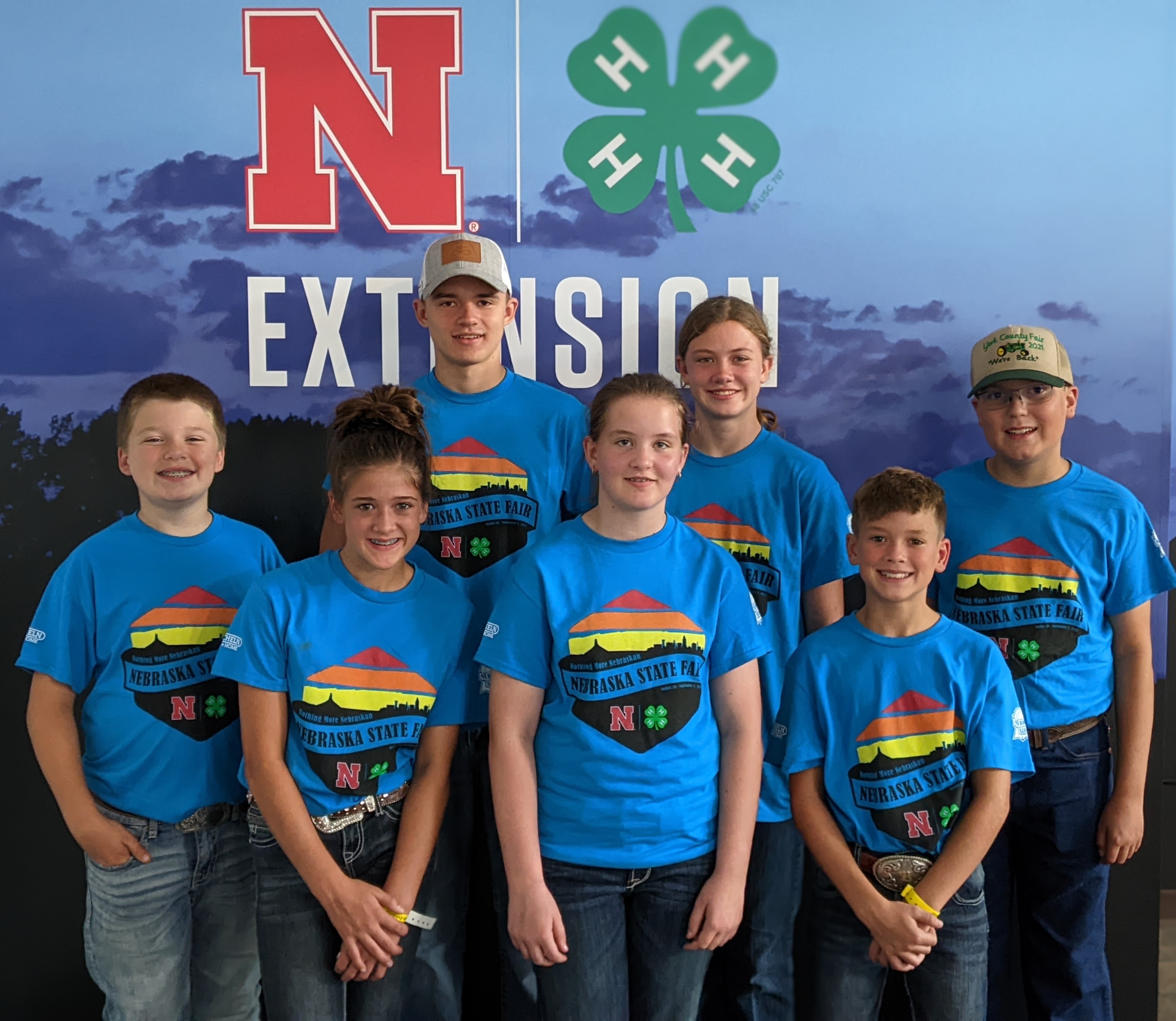
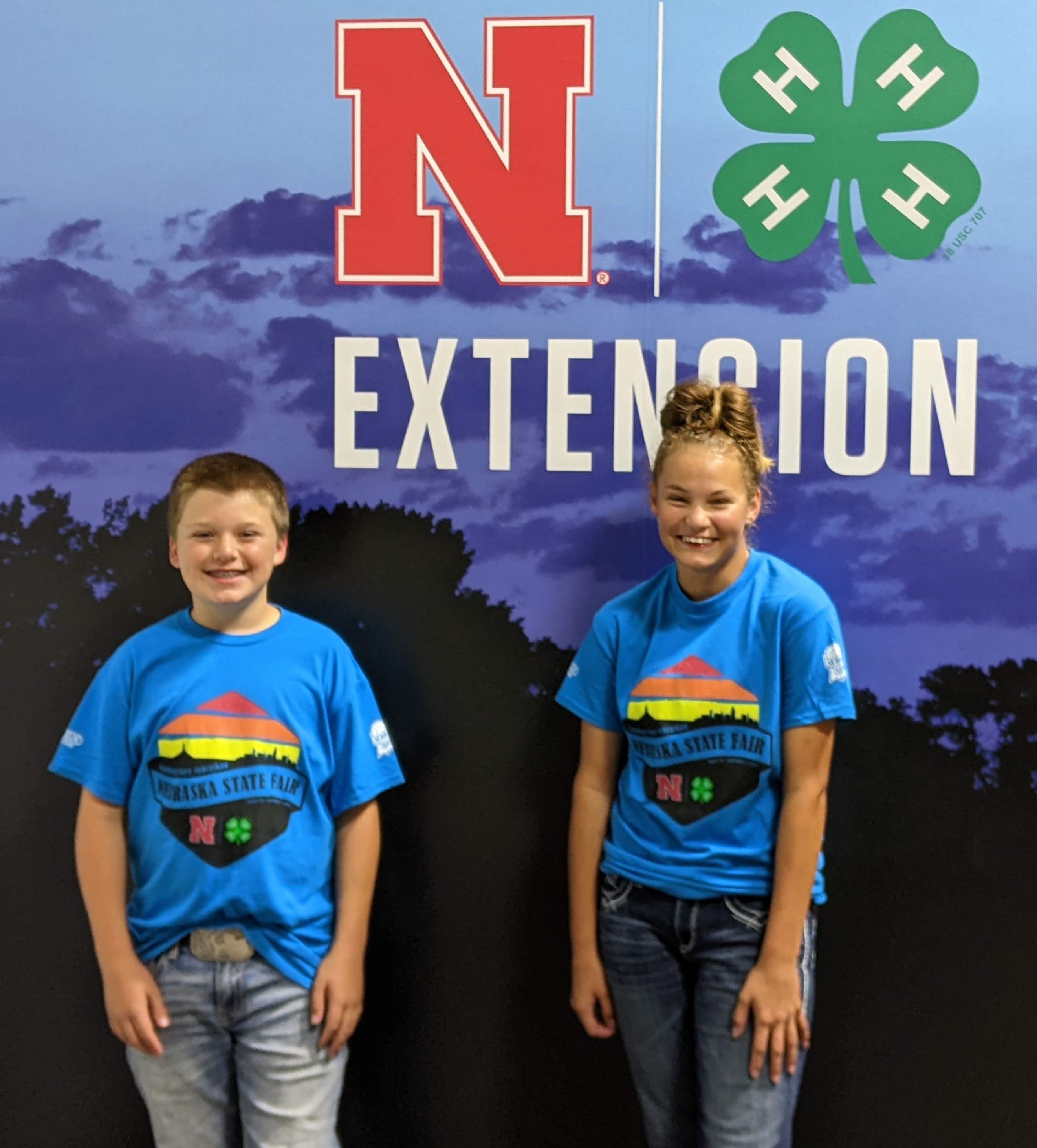
For Fun: Something that brings me great joy is the opportunity to teach youth who love to learn. I’m so blessed to have a wonderful group of families with youth interested in plants and science in my Crop Science Investigation (CSI) group! The youth pictured above were interested and old enough to compete at State Fair for the 4-H Weed and Grass ID (left) and 4-H Horticulture (right) judging contests. They invested a lot of time into studying and what makes my heart so happy is to see them so greatly enjoy learning and having fun while we identify plants! The York teams received 1st and 3rd place teams in Weed and Grass ID with 6 of the 7 youth placing in the top 10. We also had an individual place in the top 10 in Horticulture ID. So cool to see these youth learning these identification skills they will use for life!
JenREES 8/21/22
Corn Silage Resources: For those making corn silage this year, hopefully the following resources can be of help. The multiplier for corn silage value from UNL is 7.65 times the market value of corn grain.
- Making corn silage considerations: https://go.unl.edu/qven
- Estimating a fair value for standing forage (including silage): https://go.unl.edu/sy6j
- Value of Standing Forage excel spreadsheet (scroll to mid-page): https://cap.unl.edu/forage

Spidermites: I’m hoping that the cooler weather and either rainfall/irrigation are helping a beneficial fungus help us in the battle against spidermites. Last week I was showing growers how to distinguish this via a hand lens. We mostly have two-spotted spidermites in fields, which are yellow with two black spots on them. Anytime they start looking different (darker, cloudy, white) where the spots are no longer visible, it can be an indication that they are infected and will die. Unfortunately I didn’t grab any pics from the field. The economic threshold from Colorado State says spraying is no longer beneficial past hard dough. I can appreciate that’s hard with the severity in some upper canopies, so here’s hoping the cooler weather helped with the battle.
Pollination: I sure appreciated seeing and smelling all the pollen shed in these replant fields last week! It was perfect weather for it, hopefully a bright spot in the midst of a difficult situation. Been hearing and seeing complaints about poor pollination in non to less severely hailed areas. I don’t remember smelling pollen this year like I normally do in July, but I also admit most of my time has been spent in this large replant area this year. The following is about poor pollination, not kernel abortion.
What I’ve learned from Dr. Tom Hoegemeyer and Dr. Roger Elmore about corn pollination through the years: Heat over 95F depresses pollen production with prolonged heat reducing pollen production and viability. When soil moisture is sufficient, one day of 95-98F heat has little or no yield impacts. After four consecutive days, a 1% yield loss can occur for each day above that temperature with greater yield loss by day 5 or 6. High humidity, without a drop in humidity during the day, can delay pollination or prevent pollen from leaving the anther sacs. Pollination mostly occurs between 8:30 a.m. and noon. When the temperature is 90°F to 95°F, the pollen is eventually killed by heat and is seldom viable past 2 p.m. Pollination typically occurs over a span of six to ten days depending on variability of growth stages in the field.
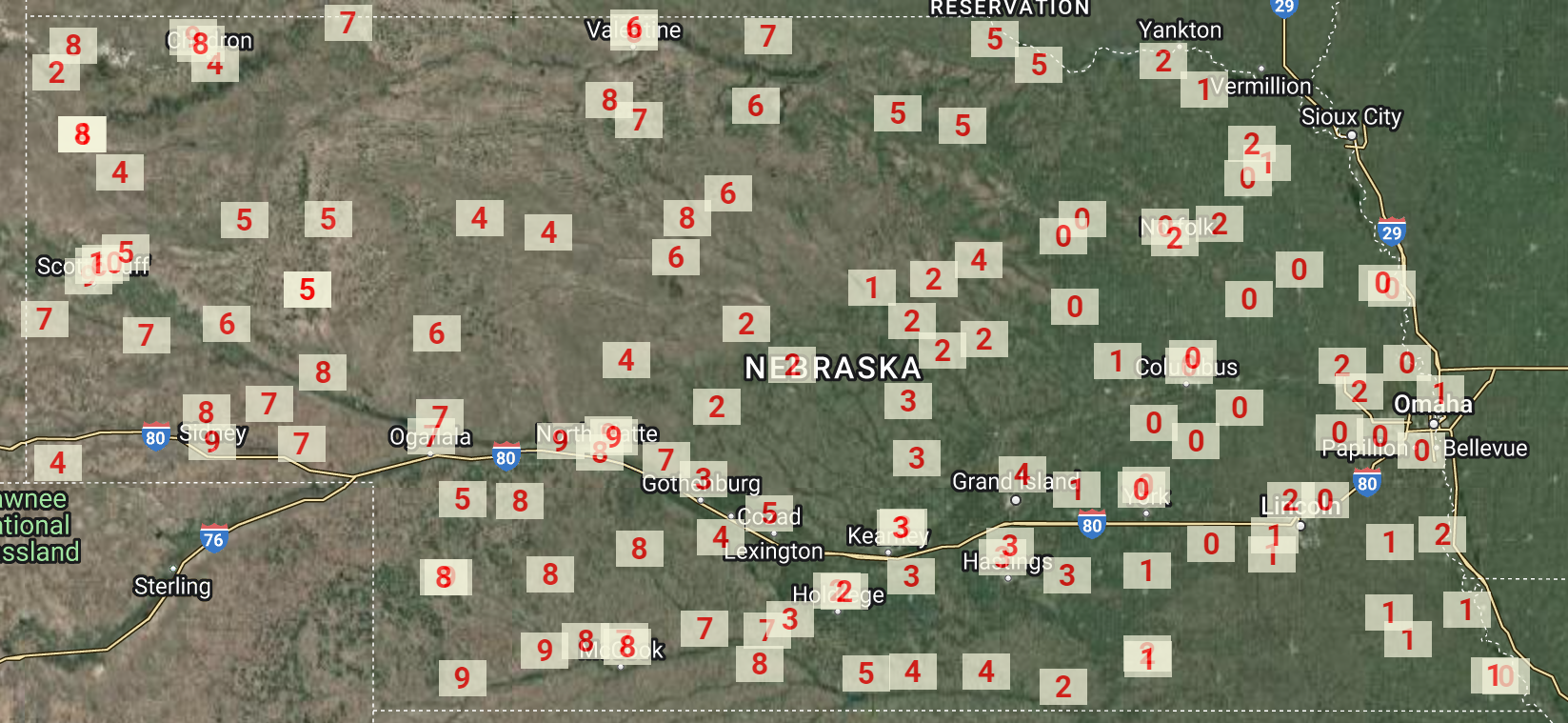
So, I did some digging into weather data. I don’t have all the tools that you may have, so do something similar for your operations based on the timing of when your specific fields were pollinating and where you’re located. First, I did a general map of Nebraska showing the number of days over 95F from July 9-19, 2022. The eastern 1/3 of the State only had 0-1 days that fit this criteria.
Perhaps bigger factors may have been humidity and timing of silk emergence compared to pollen shed? We’ve had high humidity. For pollen shed to occur, relative humidity needs to drop between 50-65% and the pollen is no longer viable at 30%. As I look at weather data for different locations in the area, many places had over 65% relative humidity as an average for the day for at least 5 days in the time period listed above. It really comes down to at what time the relative humidity dropped enough during the day to release viable pollen. It’s possible that for several days, the anther sacs dropped without releasing pollen if the humidity didn’t drop in the morning. I also remember mentioning in July about how extra long the silks seemed this year prior to pollen shed. That can be a problem, particularly for pollination on the lower end of the ear. The first silks that emerge from the husk are attached to kernels at the base of the ear and they begin to form 8-10 days prior to R1. Silks then continue to emerge sequentially up the ear with the ear tip silks emerging last. Silks are receptive to pollen anywhere along the silk, but after 10 days, the silk senesces (and they’re most receptive to pollen in the first 4-5 days of emergence). Some drought tolerant hybrids may have genetic X environmental responses which trigger silks to emerge 4-5 days prior to any pollen shed (which can result in poor pollination). Older silks can also get covered up by newer silks and miss exposure to pollen. Drought stress adds an entire other complexity to this discussion. Japanese beetles clipped silks in some areas, but it sounded like most were sprayed timely or the silk clipping occurred after the silks had pollinated (turned brown). I don’t know the specifics of every individual situation. These are some thoughts to consider if you’re dealing with pollination issues this year.
JenREES 8/15/22
With every development stage this replant corn crop achieves, I’m grateful! Many fields will hopefully begin pollination soon. Late-planted crops can have quite a bit of disease and insect pressure develop late. Would encourage you to wait and treat fields when needed instead of automatically at beginning tassel.
Last irrigation: (days listed are based on GDUs, so consider this for your crop growth stage and field soil moisture levels so you can start tapering off). This tool helps you calculate potential black layer date based on your planting date and relative maturity: https://mygeohub.org/groups/u2u/purdue_gdd. What I’m currently seeing is that 2022 is around 70 GDD higher for York than the 30 year average and is tracking pretty similarly to 2012.
- Corn at Dough needs 7.5” (approximately 34 days to maturity)
- Corn at Beginning Dent needs 5” of water (approximately 24 days to maturity)
- Corn at ¼ milk needs 3.75” (approximately 19 days to maturity)
- Corn at ½ milk (Full Dent) needs 2.25” (approximately 13 days to maturity)
- Soybean at beginning seed (R5) needs around 6.5” (approx. 29 days to maturity)
- Soybean at full seed (R6) needs 3.5” (approx. 18 days to maturity)
- Soybean with leaves beginning to yellow (R6.5) needs 1.9” (approx. 10 days to maturity)
I share that yet acknowledge what I’ve heard in the weariness of irrigating and the temptation to quit early. My guess is there’s many feeling this way…and it seems especially long to those who have replant crops. Ultimately would just encourage you to finish strong!
Verbal Land Lease Agreements: Have received a few questions on timing to notify of terminating a verbal land lease; that date is Sept. 1 for Nebraska. I have searched and am unaware of a good template for this notification. The verbal lease date doesn’t apply to written leases as dates should be specified within them. Templates for written leases can be found at: https://aglease101.org/doclib/.
Renovating Lawns in the Fall: August 15-September 15 are the best times to seed cool season grasses. Improving Turf in the Fall at https://go.unl.edu/rz9z is a great resource to walk you through renovation depending on your situation. Some lawns can be easily improved by adding fall fertilizer.
Sarah Browning, Extension Horticultural Educator shares, “Late summer or fall fertilization of Kentucky bluegrass and tall fescue lawns is the most important time to fertilize these cool season grasses. Fertilizer promotes recovery from summer stress, increases density of thinned turf, encourages root and rhizome growth, and allows the plant to store food for next spring’s growth flush. Lawns that are 10-15 or more years old typically need only two fertilizer applications a year. Make the fall application in late August or early September. On younger lawns, two fertilizer applications during fall are recommended. Make the first one in late August/early September, and the second in mid-late October.”
If overseeding is needed to fill in thinned areas but more than 50% of good turf remains, mow the existing grass 2.5” tall to make the soil prep easier. For lawns needing total renovation, start with a glyphosate (Roundup application) followed by waiting at least 7-10 days to kill the lawn. Mow dead vegetation as short as mower goes to then aerate the lawn three times. Full seeding rate for tall fescue is 6-8 lbs./1,000 sq.ft., and 2-3 lbs. for Kentucky bluegrass. When overseeding into an existing lawn, the seeding rate can be cut in half. Drilling the seed is perhaps best, otherwise, use a drop seeder. Seed half the seed north/south and the other half east/west for even distribution. Then lightly rake to ensure seed to soil contact.


JenREES 8/7/22
The buildings and barns are now emptied, exhibits taken home and people are weary. But what remains
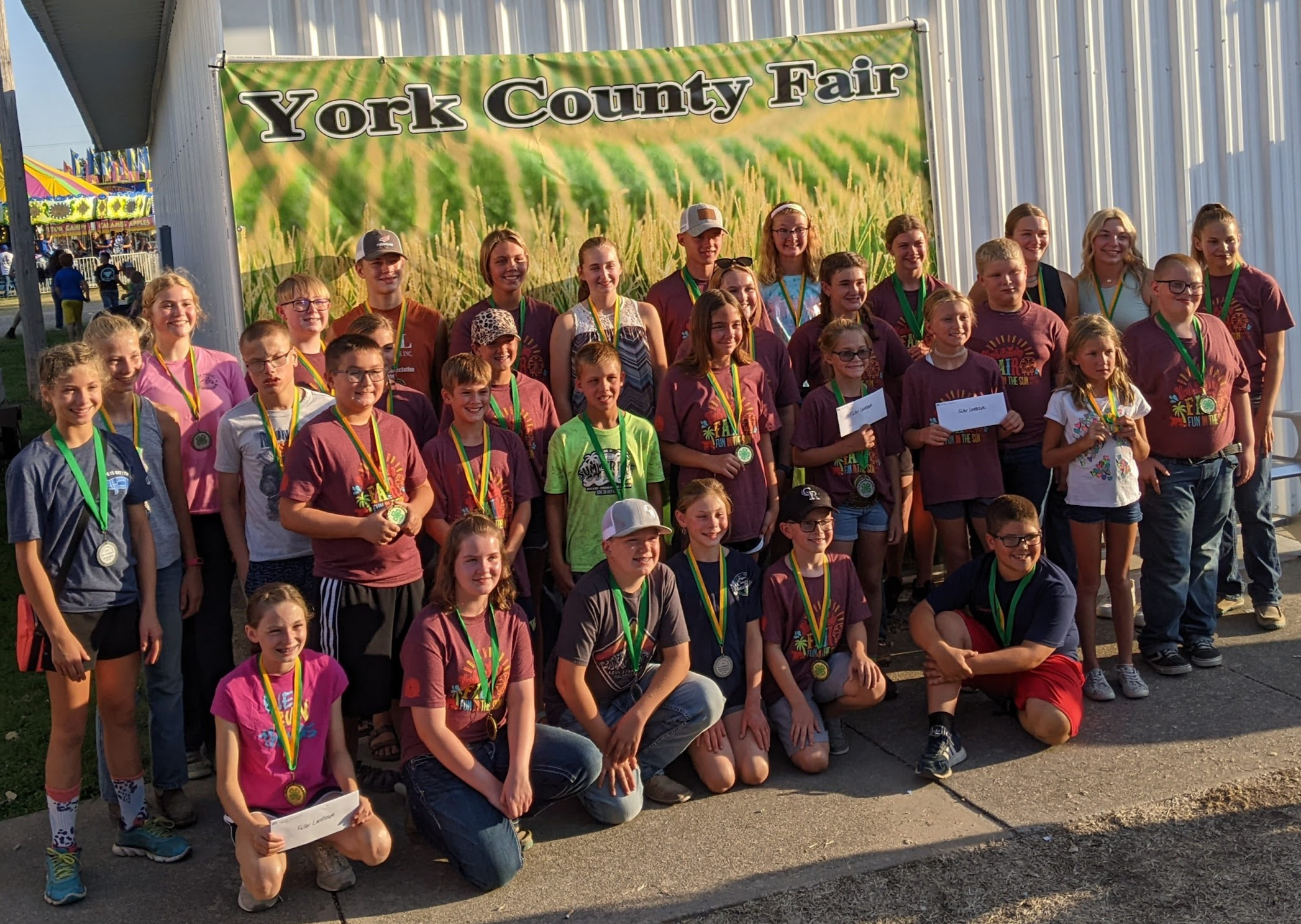
are the friendships, the connections re-established, the smiles, the gratitude, the pulling together, the awards given to the youth, the lessons learned. When I was in 4-H, I had no idea the amount of time that Ag Society, Extension staff, volunteers, my 4-H leaders or even my parents put into the fair. I could’ve said ‘thank you’ so much more! This was my 19th county fair on ‘the other side’ and it never ceases to amaze me the list of items to accomplish in order to ensure a successful fair. It takes many dedicated people to achieve all of this. I’m so grateful to the ag society, 4-H Council, Extension staff and board, FFA advisers, 4-H leaders, numerous volunteers, and parents that pull together each year to pull off county fairs! As I reflect, things that make my heart happy and make me smile are thinking about the number of wonderful people who help me in Ag Hall each year, the youth proudly wearing their medals around the fairgrounds on Thursday evening after the award’s ceremony in York Co., the crop plot for ag literacy in Seward Co., seeing the fairgrounds so busy in spite of the heat, watching people from across the counties reconnect, people pulling together in the midst of adversity, and the hard work that especially ag society puts into the fair behind the scenes to ensure that attendees enjoy the fairs. Thank you also to all of the sponsors! Grateful to all for making the York and Seward Co. fairs a success!
Produce not Ripening: Many have green tomatoes. My colleague, Scott Evans shared it’s due to the heat as temps over 90F prevent the plant from producing lycopene and carotene. You can bring mature green tomatoes indoors to ripen (sunlight isn’t needed) or you can wait for cooler weather for them to turn. How do you know if they are mature enough to bring indoors for ripening? Look for an off-green to a tinge of white on the shoulders of the fruit on the stem side on fruit that is the right size of for that variety. He said the same can be done for peppers that aren’t turning orange, red, or yellow. For cucumbers, fruit production declines with the heat but doesn’t impact maturity.
Spidermites: Just a reminder of this helpful article as the heat has really brought on spidermites in crops: https://go.unl.edu/9v6u. For those with gardens, spidermites are also impacting vegetable and flower plants. Symptoms include webbing and yellowish ‘stippling’ or tiny spotting on the leaves which eventually turn brown. You can take a white piece of paper and knock the leaves on it. If you see tiny insects the size of pinpoints moving, it’s most likely spidermites. Spraying plants with heavy streams of water ensuring each side of the leaf is hit helps knock them down. Proper watering (reducing drought stress) can help reduce spidermites. Those two things can drastically and naturally help with spidermites in garden settings. Insecticidal oils and some plant extract products can help. Just be sure to read the labels to ensure the product is safe for the plant you’re applying it to and never apply these products when temperatures are above 90F to avoid damage to the plant.
Irrigation: The heat is progressing plant and seed development in crops not replanted. Corn at dough needs 7.5” till maturity, 5” at beginning dent, 3.75” at ¼ milk, 2.25” at ½ milk, and 1” at ¾ milk. Soybean at beginning seed (R5) needs 6.5”, end of seed (R6) needs 3.5”, and 1.9” at leaves beginning to yellow.
Soybean Management Field Days are this week (Aug. 9-12)! Last year a team of us tried an approach of more discussion with attendees and this year we’re seeking to format more parts of the field days this way. Each location will be unique to the situations that area of the state is experiencing. Join us for discussions on insects, diseases, weed management, cover crop implementation, precision ag, economics, irrigation, and biodiesel. Closest locations are Blue Hill on Aug. 9 and Central City on Aug. 10. Hope to see many at one of the locations this week! More info. here: https://go.unl.edu/xukf.


JenREES 7/31/22
Fair Time! It’s fair time for both York and Seward counties. While unfortunate that the fairs are the same time (August 4-7th), there’s great opportunities at each one! Come on out to view the 4-H and FFA exhibits, eat great food including BBQ/steak fry served by various local commodity groups, enjoy the entertainment, and catch up with friends and neighbors from across the counties. Please view the schedule of events for Seward Co. at: https://sewardcountyfairgrounds.com/countyfairinfo/ and York Co. at: http://www.yorkcountyfair.com/.
Also, we know the weather greatly impacted gardens. I’m asking for York Co. fair that 4-H/FFA/Open Class participants still bring your produce even if it isn’t ‘market ready’. So, bring your green tomatoes, small peppers, etc. as we’d still appreciate your entries!
Crop Update: Tar spot was found on a leaf in a Saunders county field this past week. Very low incidence in the field and we’re not recommending fungicide for it at this time. Southern rust was found in northeast Kansas this past week, but hasn’t been detected in Nebraska yet.
Have had a number of comments this year about herbicides not seeming to kill palmer as in the past. Some common threads so far have been specific nozzle types used, weeds that had received hail at some point and potentially ‘hardened off’, and also some questions about water quality (pH, hardness) and any impacts there. If you’re noticing/hearing anything specific that worked or really didn’t work this year, I’d be interested in knowing it so I can keep compiling a list of considerations for weed scientists and ag industry to talk through this winter.
Also have received some questions/comments regarding irrigating shallower or deeper. We’ve been saying to get around as fast as one can if you are applying fungicide and/or insecticide through the pivot (0.15” and no more than 0.25”). For fertigation, we’d say 30 lb/ac can be applied in 0.25” and 50-60 lb/ac in 0.5”. Otherwise, we would recommend putting on closer to an inch at a time (depending on what the ground can take in without running off). This is also true for managing disease, particularly white mold in soybean and if tar spot in corn gets established years down the road (it’s better to reduce the frequency for leaf wetness when we irrigate).
Spider mites: Hot, dry weather has increased spider mite activity in crops (also FYI in gardens). Our Extension entomologists updated a CropWatch article that has more info. and a table with products listed for crops: https://go.unl.edu/9v6u. They write, “For effective control, spider mites must come into contact with the miticide. Since mites are found primarily on the underside of the leaves, they are difficult to reach with low volume applications. Using three or more gallons of water per acre by air to carry miticides may increase effectiveness. Aerial applications are generally more effective if applied very early in the morning or in the late evening. Applications made at these times avoid the upward movement of sprays, away from the plants, on hot rising air.
Eggs are difficult to kill with pyrethroid or organophosphate miticides, so reinfestation is likely to occur 7- 10 days after treatment as a result of egg hatching. The reinfestation is frequently heavy because natural enemies have been reduced or eliminated. A second application may be necessary to kill newly hatched mites before they mature and deposit more eggs.
Miticides with activity against eggs and immature stages include Zeal, Oberon and Onager. In many cases, especially with the twospotted spider mite, slowing the rate of population increase is all that can be accomplished with a miticide application.”
Also, I’ll speak more on this next week, but Soybean Management Field Days are quickly approaching Aug. 9-12. More info: https://go.unl.edu/xukf.



JenREES 7/24/22
Even though few, the raindrops Saturday night were so refreshing after a hot week! I don’t know that it’s even really that hot compared to past years, but the sun seems extra intense to me this year. Cooler temps are welcome this week!
Crop Update: There is very little disease pressure thus far in both corn and soybeans. For corn, the most common thing I’ve seen this year is physoderma brown spot/purple leaf sheath, which is something we don’t worry about in Nebraska. Bacterial leaf streak is common on certain hybrids as always and is one we don’t worry about. A fungicide will not help against it and won’t protect against it. Gray leaf spot is very minimal to date in lower canopy, if it can be found. Same for common rust. The closest southern rust has been found is in southern Arkansas. So short story, fungicide isn’t necessary yet unless one is saving a trip for corn insects. For corn insects, there are still hot areas of Japanese beetles feeding on silks in addition to corn rootworm beetles. Spidermites are also flaring in some fields. Also be aware that spraying a fungicide can flare corn leaf aphids as it kills the fungus that attacks them.
For soybean insects, there’s still some Japanese beetles feeding and some spidermites flaring. For disease, have seen very minimal phyllosticta leaf spot and frogeye leaf spot and not anything close to levels for spraying. Seeing lots of phytophthora root rot this year in fields that is continuing to kill plants and there’s nothing we can do about that this year. Fields with a history of white mold may have been sprayed to help reduce disease pressure.
Tar spot has not been found in Nebraska yet this year. A great resource to track diseases such as southern rust and tar spot is: https://corn.ipmpipe.org/diseases/. Click on the disease of interest to see a U.S. map of where the disease has been found. Suspect samples can be submitted to the Plant and Pest Diagnostic lab in Lincoln for free. You can also get your samples to me locally if you’d like. There’s been a lot of confusion so far with insect “poop” and tar spot. A quick field test is to either get your finger wet or spit on the leaf and rub the spot to see if it comes off. Physoderma and tar spot won’t rub off but insect excrement will.
Fungicides and insecticides are helpful when we need them. Everyone’s trying to make the best decisions possible. Concerned we let fear of ‘protecting the crop’ drive decisions. Crop prices continue to be volatile and economics should be considered. Sometimes fields are sprayed a second time when disease comes in later once the residual wears off (regardless of product and because the product only makes it so far into the canopy unless chemigated). In terms of resistance management, we have fewer modes of action with fungicides than herbicides available to us, and we use those same modes of action in all our crops. We already have resistance to the quinone outside inhibitor (group 11 formerly strobilurin) class of fungicides to frogeye leaf spot in soybean. Concerned it’s only a matter of time before this impacts us on the corn side too.
I realize I’m continually an outlier in saying to wait and not automatically apply at tassel. Based on the Nebraska research (shared last year here) and observation I feel we can wait till disease pressure warrants applications and allow them to help with stalk strength. I also realize this column would’ve been more timely last week with the spraying that’s occurred.
South Central Ag Lab Field Day Aug. 4 will begin with registration at 8:30 a.m. with program from 8:45 a.m.-3p.m. at the South Central Ag Lab near Harvard/Clay Center. There are several tracks to choose from throughout the day including the latest in weed, disease, insect, nutrient, irrigation management, and soil health. Free lunch and CCA credits available. More info. and RSVP at: https://go.unl.edu/scalfieldday.
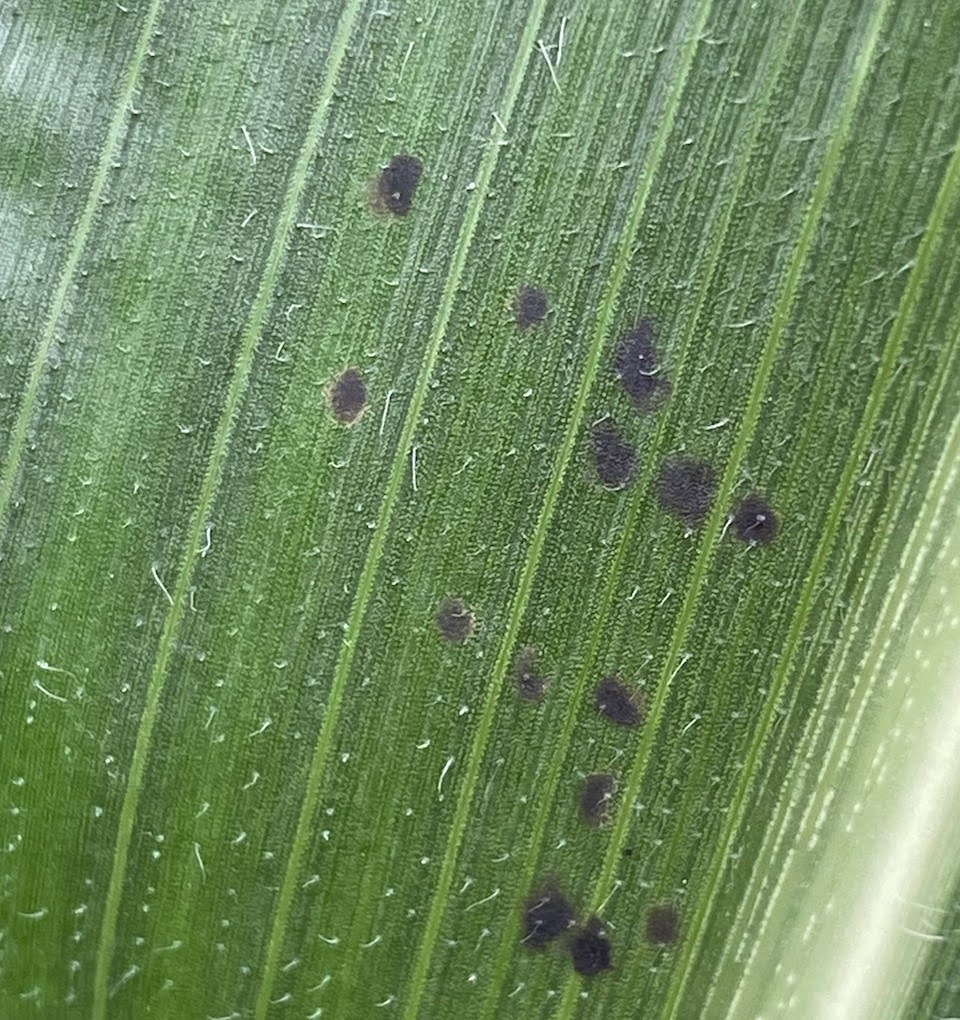


The first picture on the left has been common of both physoderma brown spot and insect poop. With physoderma brown spot, most often these purplish spots are more prevalent on the midribs, leaf axils, and leaf sheaths (as seen in the middle photo). Often the spots outside of the midrib are more yellow/tan in color and are often confused with southern rust. Photo 3 on the right-hand side was tar spot that was found in Oct. 2021 in York Co. Would recommend getting your finger wet or spitting on the leaf and rubbing the spot to make sure it’s not insect poop as several samples looking like the first photo have been that instead. Physoderma won’t rub off and neither will tar spot. Feel free to submit any suspect samples to the diagnostic lab for free.
JenREES 7/18/22
Japanese beetles: Hopefully this is the last week I talk about these! Hoping they’re coming to an end for this year as I’m not hitting as many while driving! Seems like each week brings new questions that I hope will be helpful to share. For tree and garden products, please check the handout which can be downloaded from the front page of york.unl.edu.
In replant corn and soybean fields, the beetles are attracted to the older plants (check strips/original bean plants); they shouldn’t be going after the replant ones. I’ve heard areas (not hail damaged) have sprayed beans at least twice. People wondered if this is to be expected with products that should have 14 days residual. In talking with Bob Wright, he says there’s little research on Japanese beetles on chemical efficacy. The soybeans continue to produce new leaves and the herbicides, although there’s residual in the pyrethroid products, doesn’t translocate to new leaves. Sunlight also breaks down the herbicide in leaves. Increasing water helps with coverage (helpful if increase to at least three gallons in aerial applications-same for fungicide applications). Chemigation is an option too.
I’ve also been asked about adding other nutrient and biological products, etc. to tanks to increase the plant health. While I’m not opposed to the concept of healthy plants fending off insects/pathogens, I don’t know of research to comment on that for Japanese beetles. Sidenote (not necessarily Japanese beetle related), when I’ve been called out to problem situations in fields this year, numerous times there’s been a large number of products placed in the tank. I just wonder how all these things are truly interacting together and if we’re potentially creating problems (increasing selection pressure and resistance) on weeds, insects, pathogens by potentially reducing efficacy of the original pesticide product that was meant to be sprayed before everything else (plant growth regulators, micros, etc.) was added. Again, no research, just a consistent observation in field calls with problems this year.
White Grub Prevention/Control in Lawns: Been getting questions about grub prevention as well since the Japanese beetles lay eggs in lawns. Control depends on proper timing of the application and moving the insecticide into the root zone where grubs feed. Preventive control applications are made from mid to late June. They can work in early July (it’s potentially too late now). Curative or rescue treatments are made in August or September and I will talk about those products next month.
Preventive – Most of the preventively-applied insecticides are systemic in nature and will be taken up by the plant and translocated to roots. The following products are effective against young grubs and are labeled for homeowner use: Chlorantraniliprole –Scotts GrubEx; Imidacloprid –Bonide Grub Beater, BioAdvanced Season Long Grub Control + fertilizer.
Check Grain Bins: With all the work of starting crops over the month of June, checking grain bins wasn’t as high on the list for many in this area. Two farmers suggested I mention checking grain bins this week as they had found some hot spots and were thankfully able to get things under control.
Take Care of Yourself! I know how worn down I’m feeling each week, and I’m not in the shoes of you as the farmers and landowners who have went through so much loss. These storms keep giving as people find additional damages to buildings, equipment, trees, crops, etc. I realize with the heat it’s not realistic for many to get away for long. There will always be a list and few of us ever ‘catch up’. But there’s only one of each of us. My challenge for us this week is to take some intentional time to reset…whether a half hour or a few hours. Spend the time doing a hobby, resting, strengthening your faith, catching up with someone. We need these breaks and I’m doing that as well. Be sure to stay hydrated with the heat too!
Cover Crop and Soil Health Field Day: This snuck up on me and I failed to talk about it sooner; it will be held this Tuesday July 19th from 10 a.m.-2 p.m. (Registration at 9:30 a.m.) at the 4-H Building at York Co. Fairgrounds. Topics include: understanding soil health, the Nebraska soil carbon product cover crop study; On-Farm research cover crop study update; and Cover crops for upland game birds. Following lunch there will be a cover crop field site visit with a demonstration of how to conduct a soil health inventory. There is no charge but please RSVP for meal count to Nate Pflueger at 402-646-5426.

JenREES 7/10/22
Grateful for some rain last week! Hail damaged trees (particularly evergreen trees) need water now to help them heal all the open wounds on the branches, stems, trunks.
Western Bean Cutworm Moths should be around 25% flight for corn nearing or tasseling in much of the area. It was predicted for Guide Rock on July 5, York on July 10, and Clay Center on July 11. This CropWatch article shares dates to watch for around the State: https://go.unl.edu/nmye.
Japanese Beetle Control: I posted a second blog post last week on organic and conventional control products that are sold in this area at local farm stores, lawn/garden centers, Wal-Mart, and Ace. You can print it out from the font page of the York Co. Extension website: https://go.unl.edu/bvqf.
Even after applying pesticides, beetles will continue to emerge and fly in from grassy areas (ditches, lawns, pastures) for a good 4-8 weeks. Plants that are being chewed on elicit responses signifying they’re in trouble. It’s those responses that signal other beetles to come. Even though linden, fruit, and other trees and plants are rapidly defoliated, they should not die. On younger trees that were hail damaged, I’m unsure if the hail + the beetle defoliation is too much stress for survival; we will have to see. I’m also unsure if we will see new leaves in general after beetle defoliation this year or not; trees are super stressed already from all the hail damage. I’m observing new leaves are very slow coming back on broadleaf trees post-hail and that was before we also had the beetle defoliation.
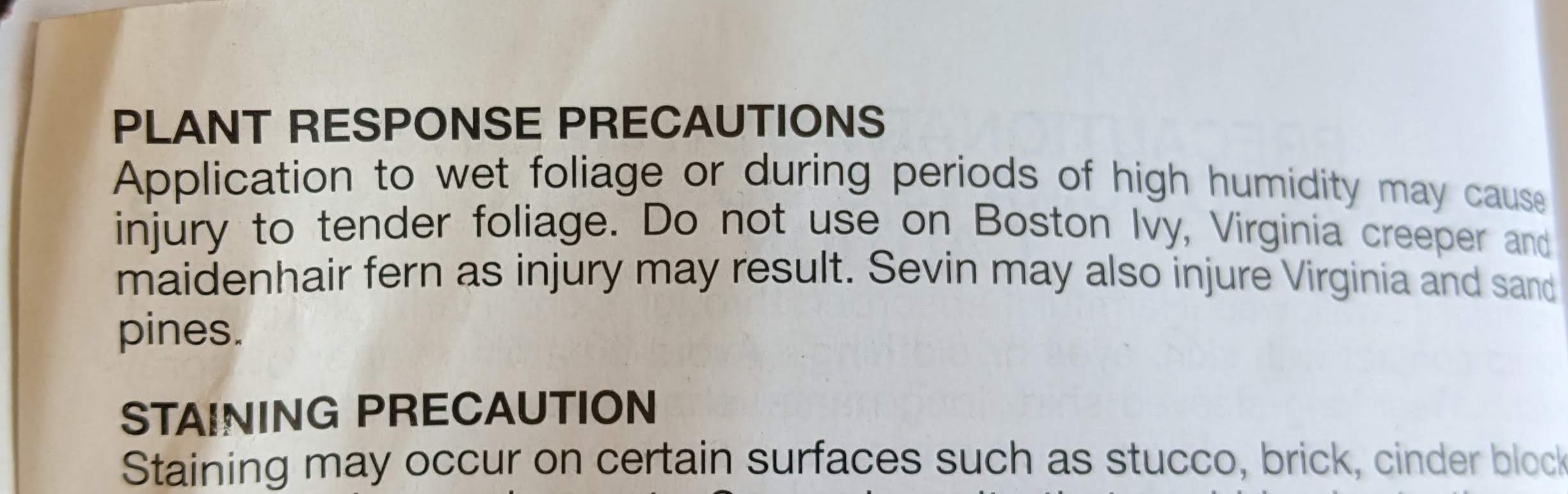
I probably should’ve realized this, but another thing I learned this week is there’s two formulations of ‘Sevin’ being sold. I don’t mention that on the print-out mentioned above. One is the traditional carbaryl that lasts 5-7 days. The other is zeta-cypermethrin which has a residual of 14 days (farmers would recognize this ingredient in Hero and Mustang Maxx). I’m not sure why the company branded both products the same name. The Sevin carbaryl product says it will ‘cause damage to boston ivy and virginia creeper’…both of which are favorites of Japanese beetles. So, that was something new I learned by reading the labels and being called out to an unfortunate incident with boston ivy. I didn’t see that same warning on the Sevin zeta-cypermethrin product, but please check it for yourself if you use it.
Japanese beetles are in corn and bean fields as well. Watch silk clipping in corn and pod clipping in beans (seeing both occurring). Tasseled corn threshold: three or more Japanese beetles per ear, silks have been clipped to less than ½ inch, and pollination is less than 50% complete. Soybean has 20% defoliation once flowering occurs. It’s been interesting seeing beetles defoliating palmer, waterhemp, smartweed, etc. Too bad we couldn’t train them to just eat the weeds!

Hail Damage and Corn Pollination: This one is just hard and I’m genuinely hoping this isn’t as big of an issue as what it looks like. For corn that was V9-V11 during the June 14th storm, check the tassels and the ears. What I’m seeing in fields that were severely stem bruised but not totaled, are ears that are hip high on me with silks that are up to 5” long right now. Tassels are mostly 1-2 leaves from tasseling. Opening up the leaves shows severely damaged tassels with minimal to no anthers. Some anthers are trying to pollinate within the leaves (pics on my blog). It’s normal for silks to emerge before tassels as that’s what breeders have bred corn to do. It’s not normal for the tassels to emerge this much later than the silks and to be so severely damaged. It will be something to watch in all the hail damaged fields that were kept from June 14 storm to see if the pollination timing is impacted in them as well. What I’m recommending is for now, check your fields and take pictures of the tassels and ears for documentation of any problems if crop insurance can’t come out. I’m hoping I’m wrong and that we can still get some decent pollination in these fields.
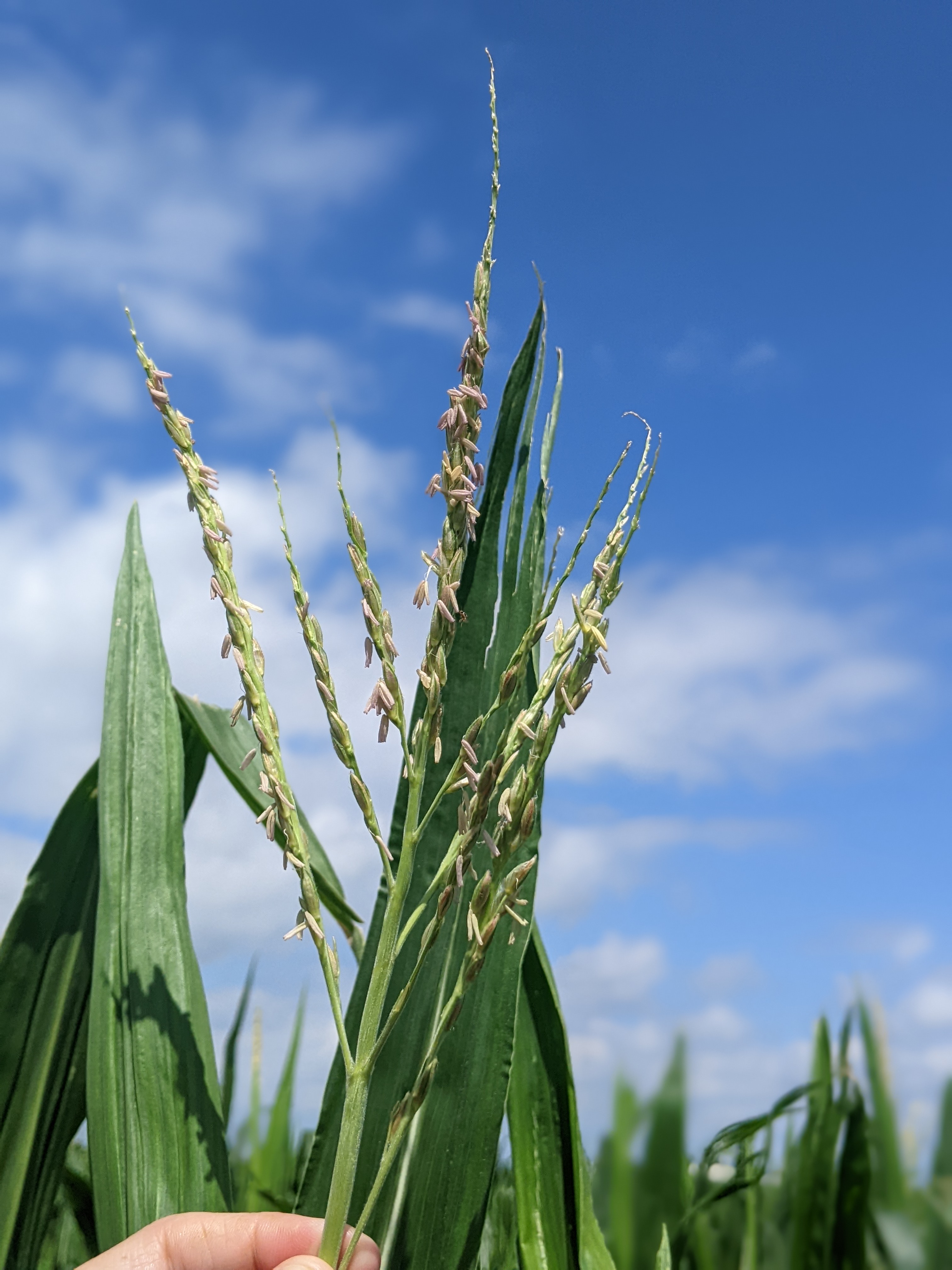


This is one of a few fields looked at that was between V9-V11 during the June 14th hailstorms. It had severe stalk bruising at the time and around 22-24K for population. Long silks with very few tassels out. Top left tassel was a decent tassel found that was out. Most tassels are within 1-2 leaves of emerging, are severely damaged from the hail, and some were shedding what pollen they were producing while inside the leaves (bottom left photo).
Japanese Beetle Organic and Conventional Products Found Locally
With the Japanese beetle invasion in the area and their territory spreading further each year, I checked with local retailers (nurseries, lawn/garden centers, farm stores, Wal-Mart, Ace) to see what they have on hand to hopefully be of help.
First, Please Read the Label on any product before you purchase it to make sure:
1: the product says it controls Japanese beetle adults
2: the product is labeled for where you wish to apply it (vegetables, trees, ornamentals, fruit trees, berries, etc.)
3: follow all pre-harvest intervals (PHI) for when you can safely harvest vegetables, fruits, and berries after a product is applied.
Last year I had to unfortunately tell three people they couldn’t eat the produce from their gardens due to the product they sprayed.
Second, there are a number of insecticide options available. Know that most anything applied to flowering plants will also impact pollinators. For flowering plants like roses, cannas, etc., knocking the beetles off around 7 p.m. in the evening into soapy water will protect pollinators visiting them.
There are also ready to use and concentrate versions of chemicals available. The easiest are ones where you simply attach the garden hose and spray. Others need to be mixed with water into a sprayer.
Organic Insecticide Options include Neem, Pyola, Spinosad Soap, Pyrethrin products (ex. Beetle and Boxelder bug killer), and Bt. Neem may repel more than kill Japanese beetle adults. These products will all last around 3-7 days and will need to be reapplied. Products containing these active ingredients should be safe on fruits, vegetables, in addition to using on flowers, shrubs, and trees. Be sure to read and follow directions as there may be a temperature restriction on applying some of them that contain oils to avoid burning leaf tissue.
Conventional insecticide Options can provide up to two weeks of control. I’m going to separate these into products I found locally based on the location they can be applied. Ultimately, this is NOT a complete list and many other products can also be found online. There are also products containing insecticide + fungicide that I don’t list here. Please be sure to read the label for yourself as to the insects controlled and where it can be applied before purchasing.
1. Ornamental shrubs, plants, trees (like linden, elm, birch): DO NOT use these products on vegetables, fruits, or berries. Hi Yield 38+ and Tempo. There’s home defense products labeled for Japanese beetle adults but they don’t mention they can be applied to trees or shrubs.
2. Vegetables, fruits, ornamentals, shrubs, trees: BioAdvanced Rose and Flower Insect Killer, BioAdvanced Tomato and Vegetable Insect Killer, BioAdvanced Vegetable and Garden Insect Spray, Eight, Spectracide Acre Plus Triazicide Insect Killer, Hi-Yield Lawn/Garden/Pet/Livestock Insect Control, Sevin, Ortho BugClear, and Ortho Bug B Gone.
Many of the conventional insecticide products contain pyrethroids such as bifenthrin or permethrin. Thus, there are also products that just say ‘bifenthrin’ or ‘permethrin’ that can also be purchased. Be sure to read the label as some have restrictions such as “can’t be applied to apples” while others can.
JenREES 7/3/22
Hope everyone has a safe and wonderful 4th! Some food safety tips from our Food and Nutrition educators: hot days above 90F means we need to keep warm foods 140F or warmer. Perishable food should stay in the fridge or on ice before and after eating. Leave perishable food out an hour or less in hot weather. For more picnic and bbq tips, check out https://bit.ly/3xjYWwz.
ET and GDD: Also praying for rain; pics of drought monitor map at my blog. Our CropWatch GDD and ET resources if you don’t have your own ET gage are at: https://cropwatch.unl.edu/gdd-etdata.
From CropWatch: The forages team shared more detail on summer annual forage options at: https://go.unl.edu/7z5p. A team of Extension and Industry professionals led by Dr. Amit Jhala shared info. regarding herbicide options for soybean after the June 30 RUP dicamba restriction: https://go.unl.edu/2i5a.
Hail Damaged Trees: Evergreen trees have rapidly turned brown on the hail-damaged sides of trees the past 7-10 days. We don’t recommend applying anything to them; just water them to help them with healing. Next spring, they may be more sensitive to fungal disease and insects. Sarah Browning, Extension horticulture educator shares, “Hailstone damage to a tree’s vascular system limits its ability to move water up from the roots and into the secondary branches and leaves. Movement of nutrients throughout the tree is also reduced. Over the next few years, previously healthy vigorous trees will produce callus tissue to seal off bark wounds and re-establish vascular function. Until then, they have a reduced ability to move water and cope with dry conditions….In most cases, homeowners should take a “wait and see” attitude. Trees and shrubs should be kept well-watered throughout summer and fall to avoid drought stress. Keep plants well mulched to prevent secondary injury from mowers and string trimmers.”
Japanese Beetles: The adult beetles are ½” in length with metallic green heads and white ‘tufts’ of hair that look like spots on the abdomen. Don’t use Japanese beetle traps! Research shows they attract beetles to the landscape.
Organic control options: Wait till 7-9 p.m. then knock beetles off plants into a bucket of soapy water to drown them. This method takes diligence but is effective. You can also spray trees with water to knock them down to the ground and then drown in soapy water. Neem and Pyola are organic options that will protect for 3-7 days. Applying these products once per week can be effective as a repellent. Bt provides 7 days protection and is safe for bees.
Conventional control options: Japanese beetles impact flowering plants that other pollinators visit. Avoid spraying insecticides on windy days or when pollinators are present (best to spray late in day near dusk) and follow label instructions and harvest intervals (for cherries, plums, vegetables, etc.). Chlorantraniliprole (Acelepryn®) provides two to four weeks protection and is low risk to bees. Pyrethroids, including bifenthrin, cyfluthrin, lambda cyhalothrin, and permethrin, last about two to three weeks. Carbaryl (Sevin) or acephate will provide one to two weeks’ protection. Pyrethroids, carbaryl, and acephate are toxic to bees and other pollinators.
Corn and Soybean Thresholds: Soybean thresholds are 20% defoliation in the reproductive stages. In talking with Dr. Bob Wright, Extension Entomologist, we’re going with a 30% defoliation threshold for corn prior to tassel (same as soybean prior to flowering). Tasseled corn threshold: three or more Japanese beetles per ear, silks have been clipped to less than ½ inch, AND pollination is less than 50% complete. Pyrethroids are very effective against beetles. If one is concerned about flaring spidermites, a product like bifenthrin can be used.

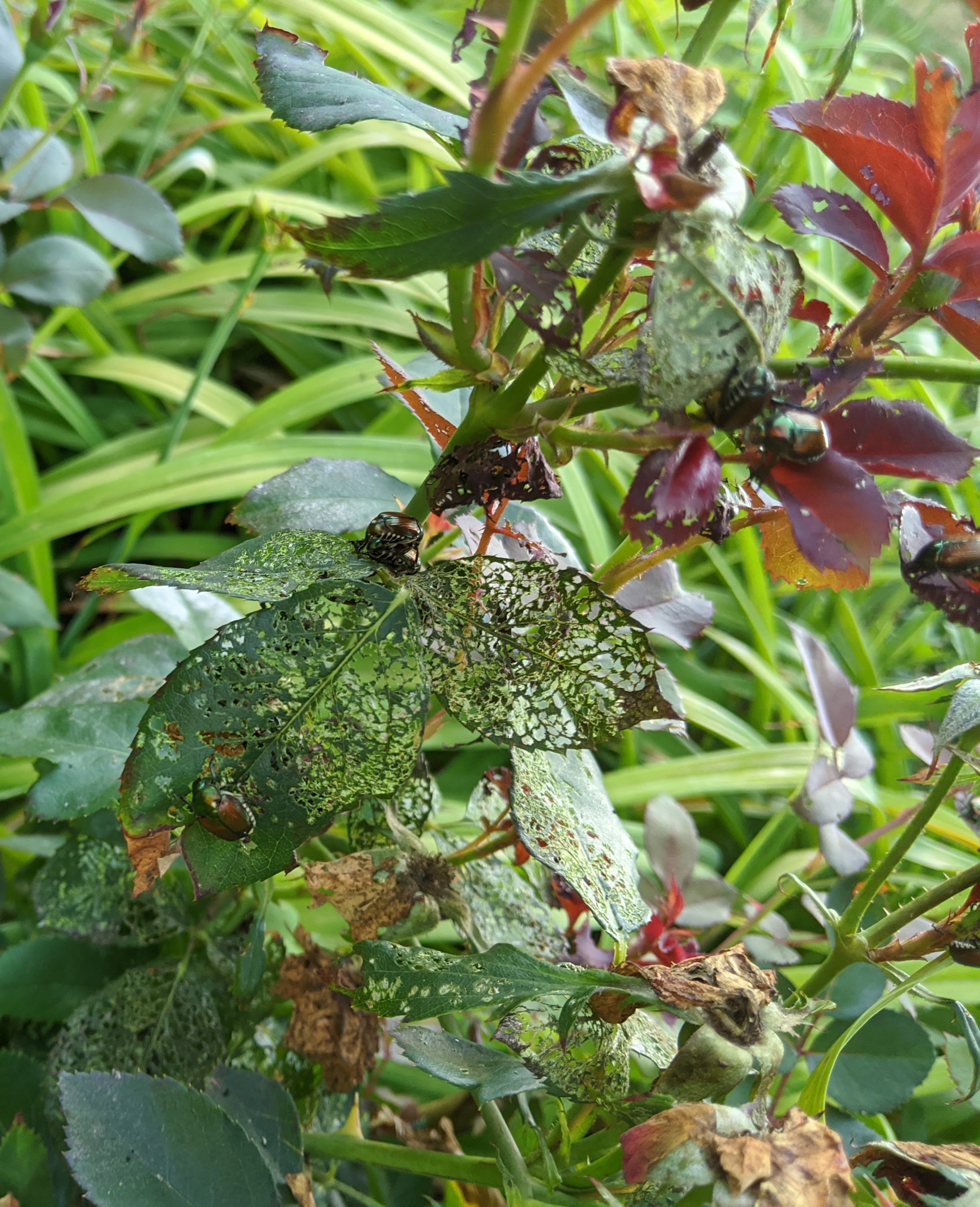
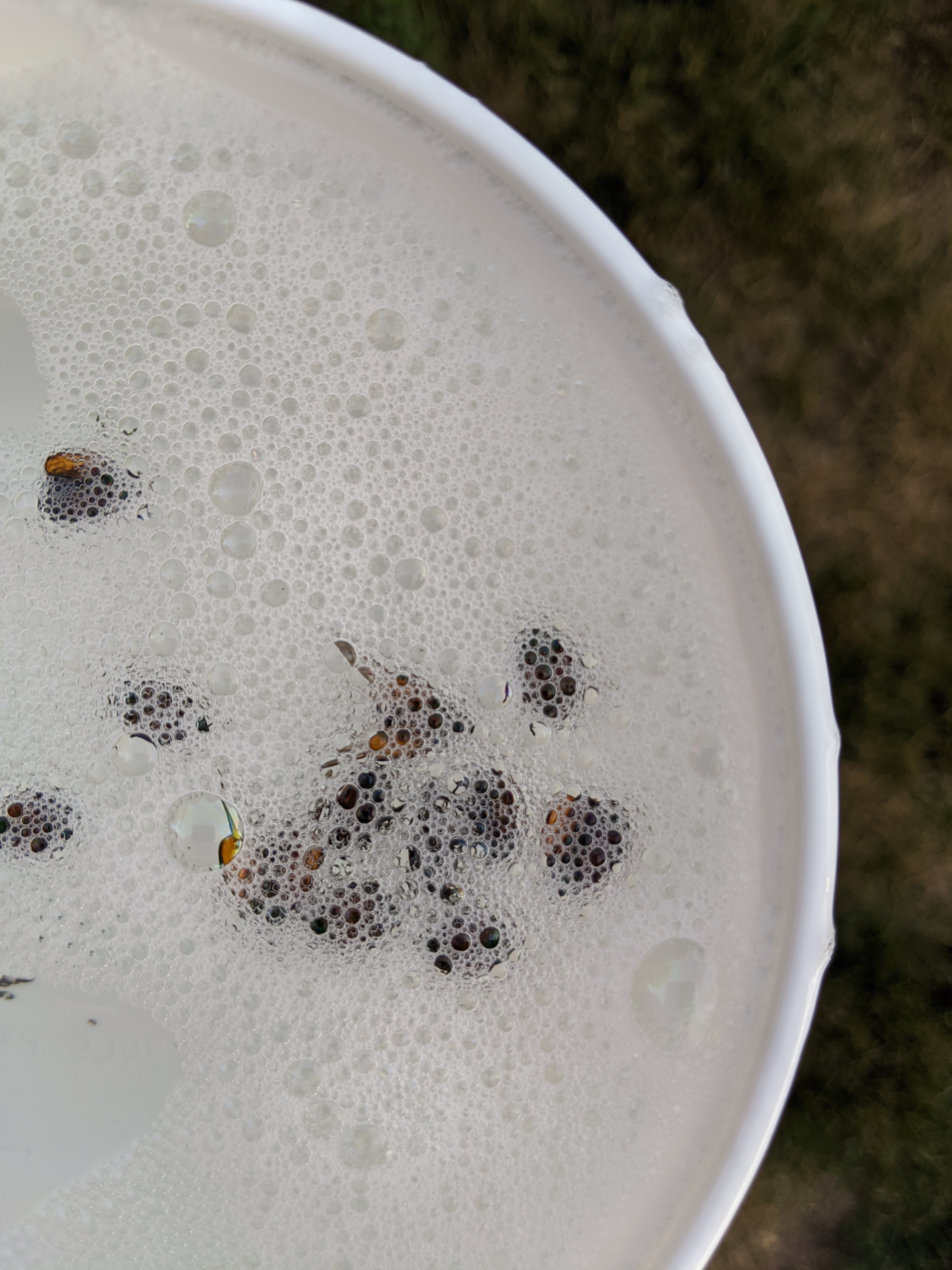
Japanese beetle feeds on 300 different plant species preferring ones like roses, lindens, birch, and fruit trees. Early on, they can be managed by knocking them off plants in the evening and drowning in soapy water.
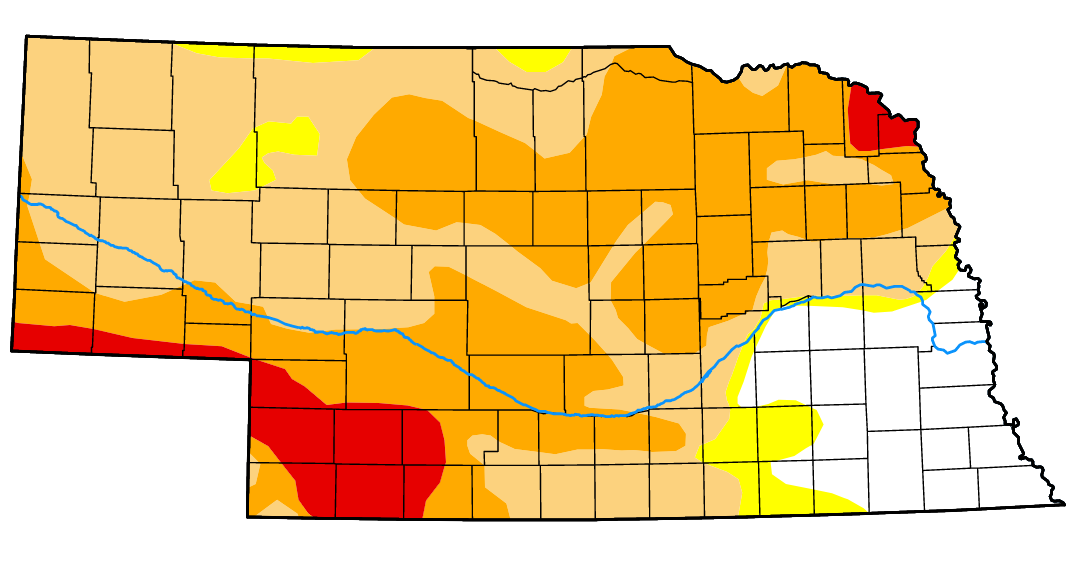
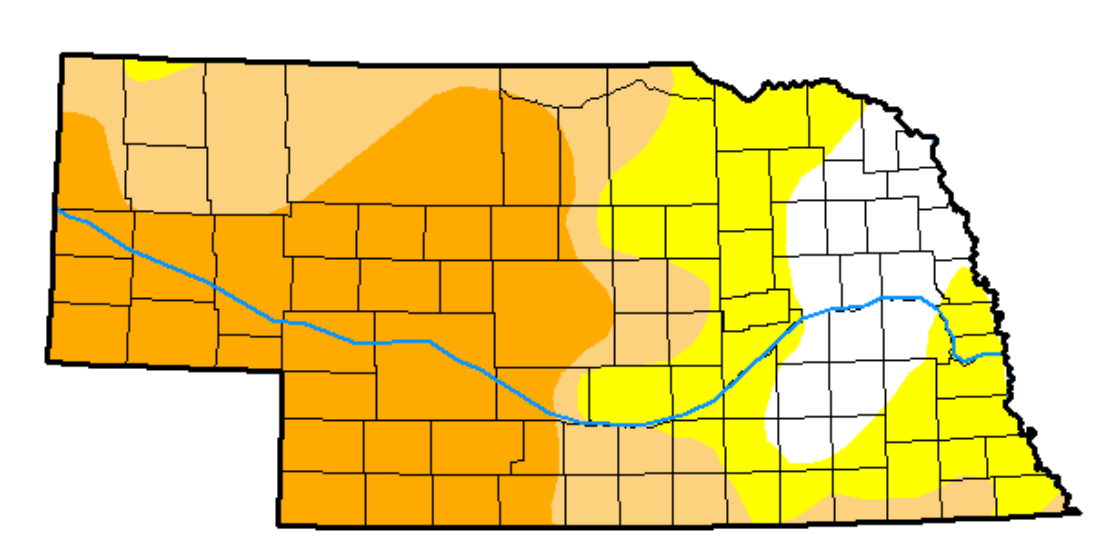
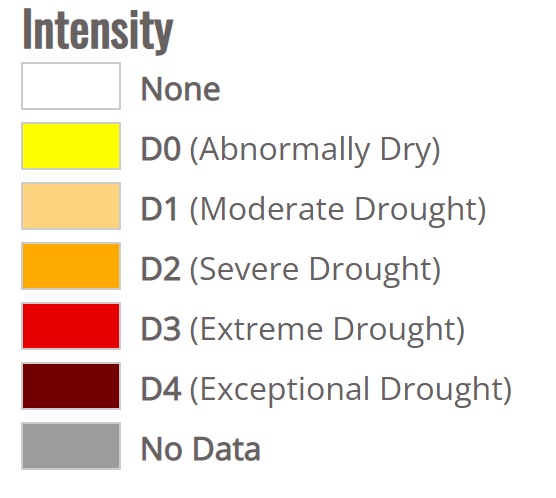
Concerning. Drought monitor maps: June 30, 2022 on the left compared to June 26, 2012 on the right.


 JenResources