Blog Archives
My Nitrogen Challenge
My Challenge: This article was born from numerous conversations. I know reactions will differ; please hear me out. Last week I issued a challenge at the end of my blog post and in my weekly email. The challenge is to everyone with irrigated ground who applies fall anhydrous or spring pre-plant fertilizer:
- Leave 1 piece of ground with a base rate of 70-100 lb N/ac
- Goal is to apply the rest of N in season using a tool like Sentinel Fertigation that senses what the plant needs. I will share 2023 research results from area producers this winter. If you decide you don’t wish to try a tool like Sentinel Fertigation, you can apply the rest of N the way you’d like.
- Only asking to consider for 1 field. Are you willing to join me in this?
My Why: Pre-plant fertilizer is being applied now in fields, so wanted to share for consideration now. Every time negative news is published about the problem of nitrates in our State, I hear about it. Farmers are frustrated and seek to know how to respond. I can also appreciate the frustration. There’s agreement that not everyone in all occupations always do the right thing. There’s concern about increasing nitrates in various wells throughout the State. The other side – of all the farmers trying to do the right thing – isn’t also shared. Many of these farmers genuinely want to leave the land and water better for future generations. The legacy issue is often not mentioned in news articles. More data around soil nitrates in the upper 20 feet of soil profiles is needed to know the impact of current practices. Negative press builds cases for increased regulation. Conversations are occurring. I continue to hear most would prefer figuring out something locally than for regs to come from the state or nationally.
Since last winter, I’ve brainstormed on the nitrate topic with various commodity groups, farmer groups, during field/office/phone visits and while riding in combines during harvest. My questions to everyone included, “What is Ag’s Solution?” “What is ag going to propose?” “Instead of the current headlines, what do you want the headlines to say?” …. How would you answer these questions?
Several suggestions have been made. The discussions have been difficult. Part of this is because there’s so many soil types, Agri-eco zones, farming practices in Nebraska for any one solution. And, honestly, another part is that ag is so divided (till/no-till, cover crops or not, etc.), which also frustrates me, because blaming and divisiveness doesn’t allow for uniting around a cause. Often the end conversation response was, “I/we really don’t know what will work or what else to do”.
I’ve shared On-Farm Research results from farmers’ fields in this part of the State on heavier textured soils showing there’s no one solution with nitrification inhibitors, nitrogen application timing, biological products. The most consistent thing I see is an opportunity around reducing nitrogen rates. I’m not saying there’s one solution. My challenge is around what I feel holds the most promise right now for irrigated ag in this area.
We can’t precisely know an amount of nitrogen to recommend for application to land using pre-plant soil tests and/or any nitrogen equation. They’re good tools. But, we don’t know how much irrigation will be applied in season nor how much mineralization will occur due to weather conditions. Soil agronomy needs biology in addition to chemistry and physics. That’s why I’ve been so supportive of the in-season sensing technologies where the plant tells us what it needs based on what is occurring in the soil. Project Sense was a UNL/NRD/Corn Board/USDA research effort using ground rig applications. I think it never took off because I’m unsure any Co-op or company took the idea on as a business. Would still be applicable.
The UNL pivot-based sensing research resulted in the graduate student forming the company I mentioned in my challenge called Sentinel Fertigation. If there’s other companies doing this, please consider them too. We had 5 on-farm research studies with Sentinel Fertigation in 2023 in York, Clay, Polk, and Butler counties where producers tested pie sectors of their nitrogen rate vs. what satellites were saying the plants needed. What I’ve heard is one field never triggered an additional fertilizer app in some sectors. Another field only had 90 lb N/ac total applied in some sectors. I don’t know the yield results yet, so this is a risk I’m taking in issuing this challenge. No technology is perfect; I heard them adjust as challenges occurred. The sheer research base and idea around this technology is what propels me to propose this challenge. This winter we will share the data and allow the producers to share what they liked/didn’t like. You can then decide if you’d like to try it in 2024. This also gives you time to get set up for fertigation. If you decide it’s not for you, apply the remainder of the N in that field however you’d like.
My goal is not to promote a company but an idea that makes the most sense to me of anything we’re trying. It’s the idea of a base rate and then allowing the plant to tell us what it actually needs based on the growing season it encounters. This could potentially lead to reduced nitrogen rates applied. There’s so much in ag we have to react to. Applying N in-season is also reactive. However, we can also be proactive in showing that farmers and agronomists locally want to keep looking for solutions by trying newer tools/technologies to see any impacts. Please contact me if you are willing to join me in this challenge.
For more info. I shared the Sentinel Fertigation research info. last winter here: https://jenreesources.com/2023/02/26/sensor-based-n-fertigation/
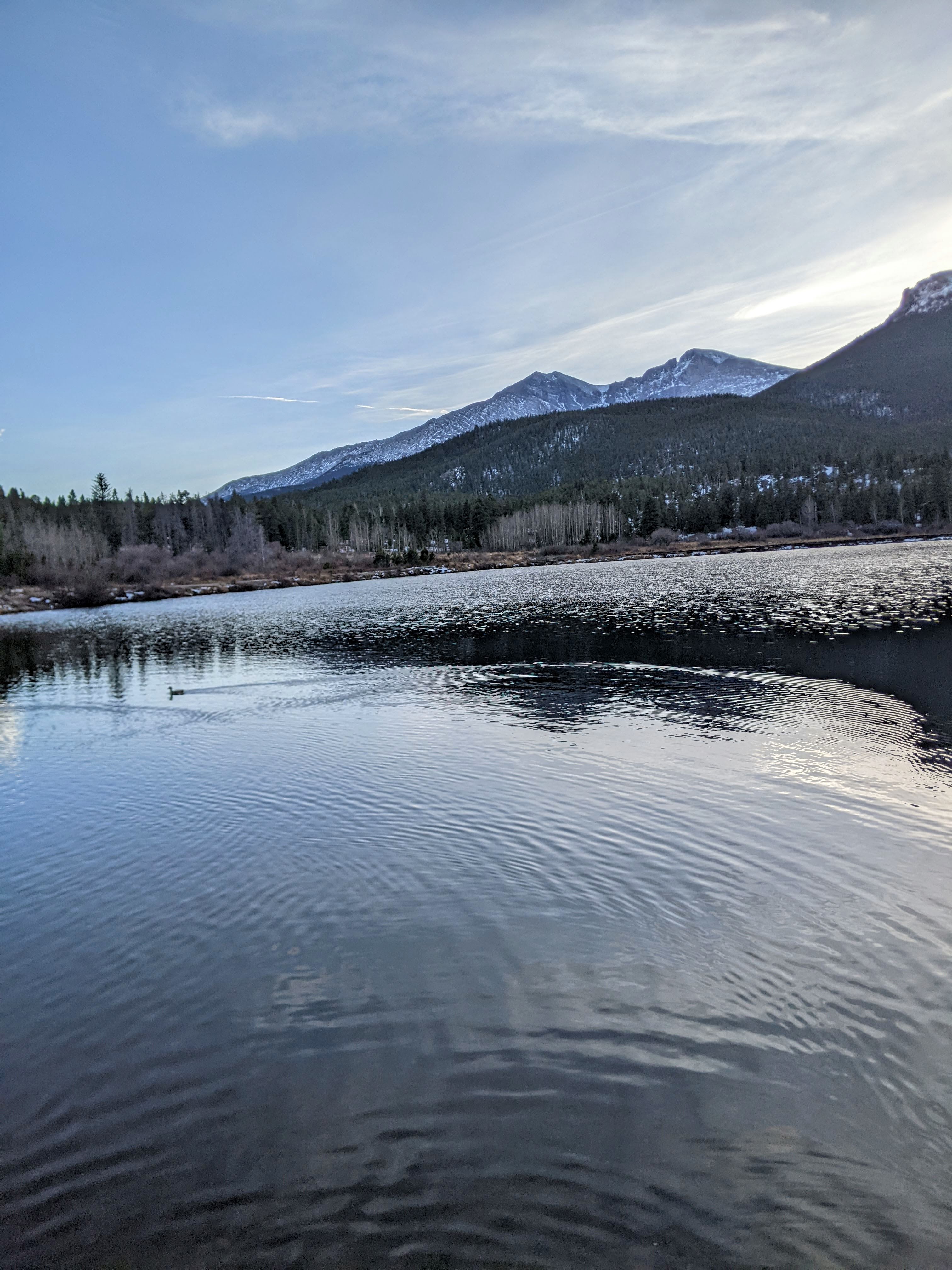
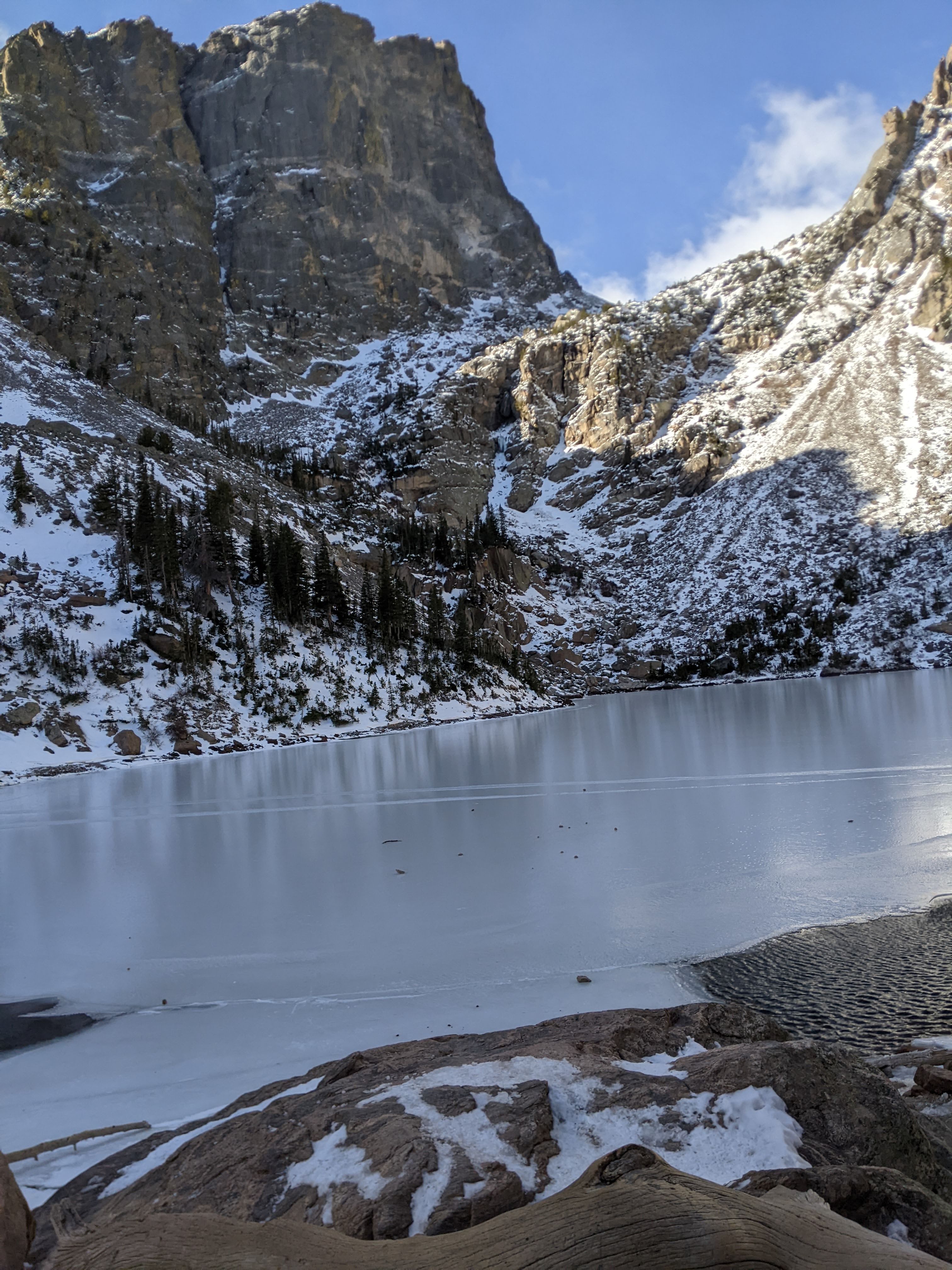
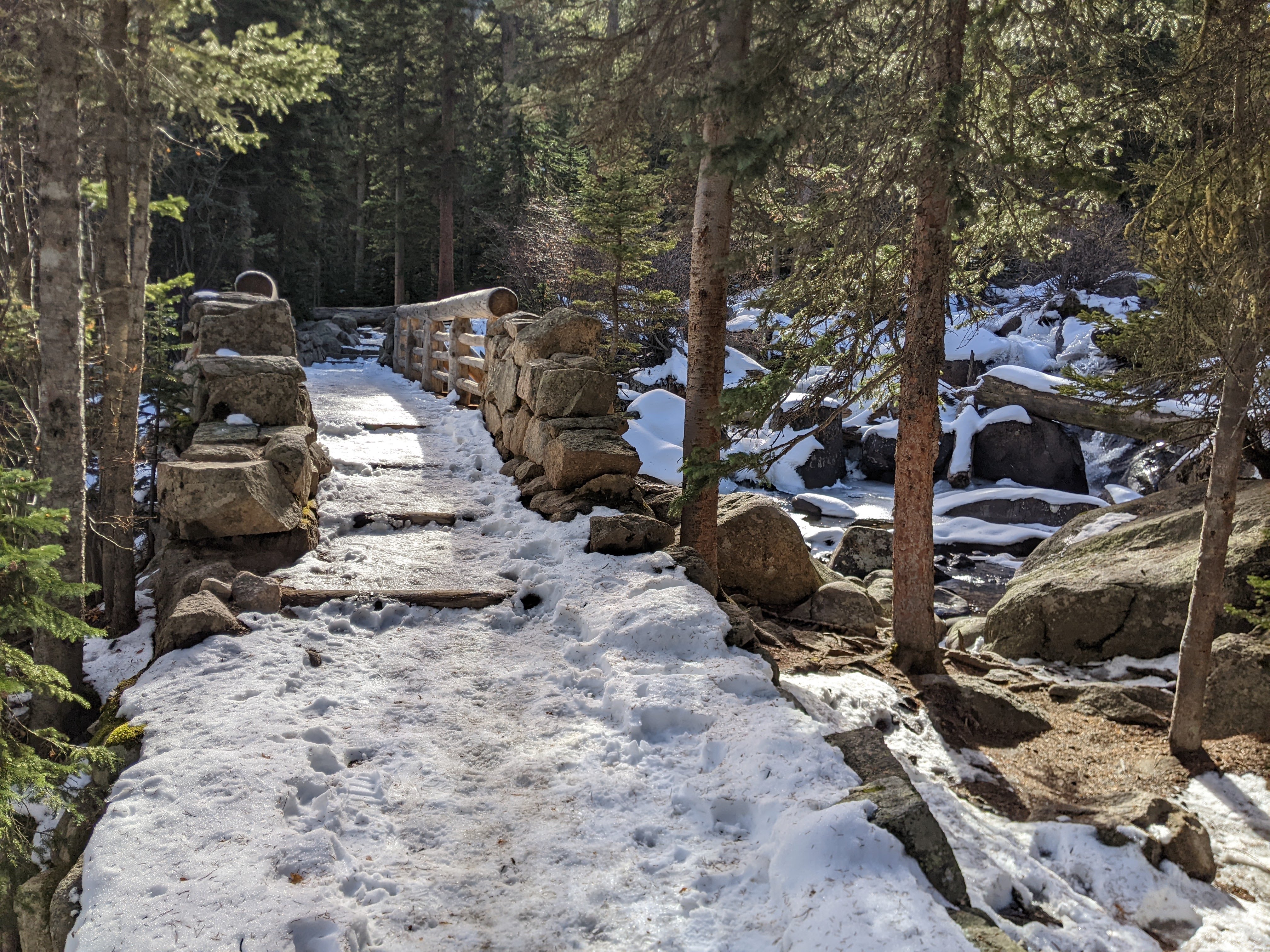

Was wonderful to get away for a couple days to hike in the mountains. Beautiful this time of year too!
JenREES 12/19/22
In some ways, it’s hard to believe that Christmas is this coming week; wishing you and your family a very blessed Christmas! For holiday food safety tips, please check out: https://food.unl.edu/article/holiday-food-safety-tips.
Extension is an interesting career that’s hard to explain what all it entails. Many people realize we’re involved with the fair and 4-H. Beyond this, the responsibilities just change with each season. For me, January and February are filled with winter meetings where I have the opportunity to teach and learn throughout the state each day. This past month was spent scheduling and planning for those meetings. Pesticide letters and winter program brochures should be mailed from local Extension offices in the next few weeks. The winter program brochure is also here: https://jenreesources.com/upcoming-events/.
Winter meetings mostly entail certification training and learning opportunities to discuss the past year and preparing for the coming one. Anyone who applies restricted use pesticides take pesticide certification training every three years to handle and apply pesticides safely. Those who apply chemicals and fertilizer through irrigation systems take chemigation training to do so safely. Nitrogen certification training is taken for those who farm in areas of NRDs that have groundwater nitrate levels higher than 7 ppm. Livestock operations of designated sizes take training on the proper handling, storage, and application of manure. Organic producers also go through a certification process. All the certifications mentioned above require our farmers, applicators, and livestock producers to keep records of what they are doing, and random inspections can occur for some of the certifications to ensure they’re in compliance.
Beyond the required trainings, many attend meetings throughout the winter to continue learning and improving efficiencies in their operations. While there’s always a few outliers in any industry, the majority of farmers I know are seeking increased nitrogen use efficiency (applying less nitrogen per bushel of grain received). We can’t change the past for what wasn’t known back then of fertilizer and water applications that would eventually impact nitrates in groundwater. In general, while there are some outliers, practices have changed and farmers seek to be increasingly efficient with fertilizer and water use.
UNL Soil Specialists share of these improved efficiencies in an article found at https://go.unl.edu/mxu0, “Partial factor productivity (PFP) is a measure of efficiency of input use…PFP is commonly expressed as yield per unit input, e.g. bushels of corn per pound of fertilizer nitrogen (N) applied (bu/lb N). PFP can be adapted to units of nutrient removed in grain harvest to units of nutrient applied, such as corn N harvested relative to fertilizer N applied (PFPN, lb/lb).
The PFPN used for the analysis in this article was derived from growers’ practices statewide with the assumption that growers’ N use was aimed at profit maximization. The average PFP of fertilizer N for corn in Nebraska was estimated to average 1.16 bu/lb N in 2012 compared to 0.57 bu/lb N in 1965 (Ferguson, 2014). This represents a doubling in PFP for fertilizer N applied to corn. The trend of increase was linear from 1965 to 2012.” (What they’re showing is increased nitrogen use efficiency between 1965-2012 of more corn produced per pound of nitrogen applied). The ratio can also be flipped to look at how many pounds of N are being used to produce 1 bushel of grain.
Most farmers I talk with, for the yields they are receiving compared to nitrogen applied, have nitrogen use efficiencies of 0.8-1.0 lb of N per bushel of grain produced. There’s an increasing number of farmers I know who are working to push that further to 0.6-0.8. There’s also those above 1.0 who could improve.
In my nearly 19 years of Extension, I have yet to meet a farmer or livestock producer that didn’t care about the future of his/her land, about water, about making improvements for the next generation. An increasing number of producers are testing ways to improve nitrogen and other input efficiencies via on-farm research. I will share results from these studies on what our growers are learning over the first few months of next year.


 JenResources