Blog Archives
JenREES 2/6/22
Nitrogen Rate and Nitrogen Model Studies: One topic that has much discussion at winter meetings this year is nitrogen rates. I know many people did what they could to get fertilizer applied last fall. Yet for those who are still planning on applying spring and/or in-season nitrogen, there’s also much discussion about rates. This is one of our on-farm research focuses for this year: to compare nitrogen rates. We’ve done quite a bit of research with timings and inhibitors. I think there’s more to learn when it comes to rates. And, I think there’s opportunity for all of us to work together to learn more.
One option to study this is to compare full-length strips across the field of a grower rate to 50 lb +/- that rate (or if that’s too scary, 30 lb +/- that rate). For example, if the grower rate is 180 lb N on corn/corn ground, also comparing 230 lb N/ac and 130 lb/ac. I shared the data from 5 nitrogen rate/timing studies conducted in York/Hamilton counties in a previous blog post. The data showed in 4 of the 5 studies, no more than 7 bu/ac less yield with 50 lb less N/ac and in all 5 of the studies, no more than 7 bu/ac yield increase by adding 50 lb N/Ac. This was very interesting to the grower and has been interesting to others who have commented on the studies.

Another option for comparing rates is to use precision ag tools and compare what models such as Granular, Adapt N, Maize N recommend vs. a grower rate. Nitrogen ramps (varying nitrogen rate blocks of 50 lb N/ac differences) can also be included. That may sound complicated but is less so with precision technology using prescriptions and then harvesting using yield maps. These prescriptions could also be built by zones in the field comparing a grower rate vs. a nitrogen model rate if the grower preferred. There’s a number of ways to compare nitrogen rates. We just feel this is an excellent time to try some of these things. And, on-farm research provides a way to try this on a smaller number of acres before trying it larger scale on more acres.
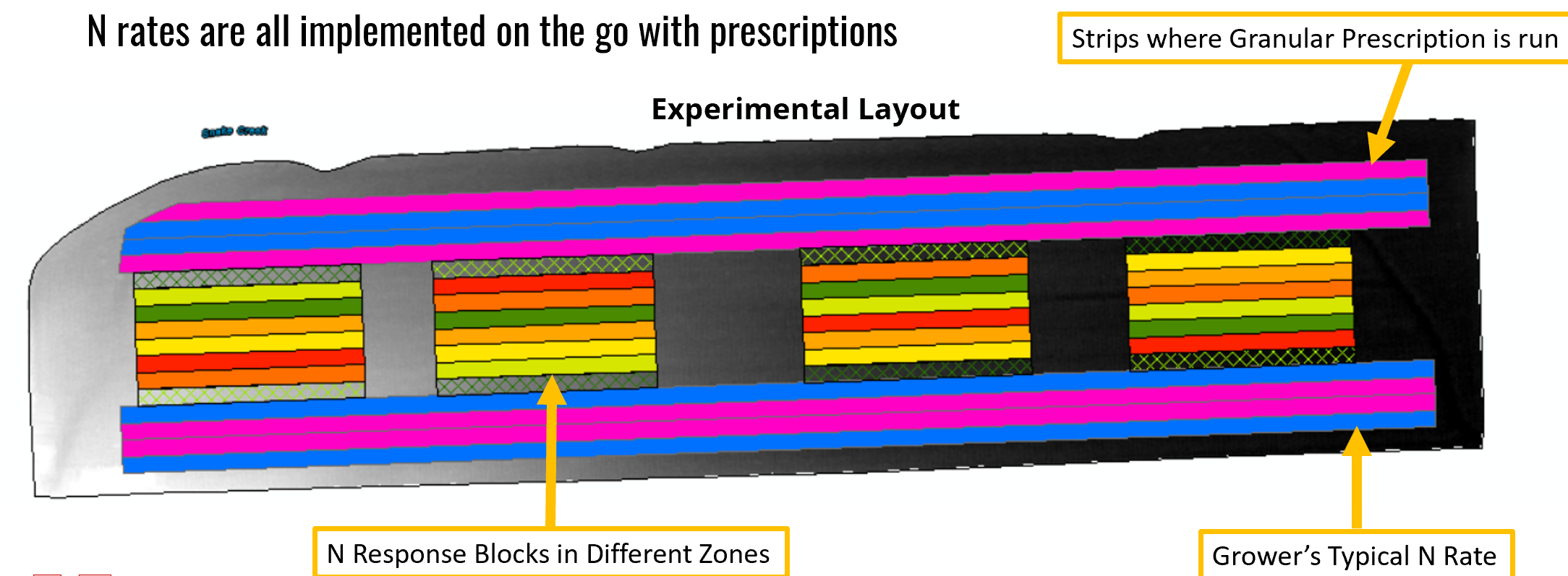

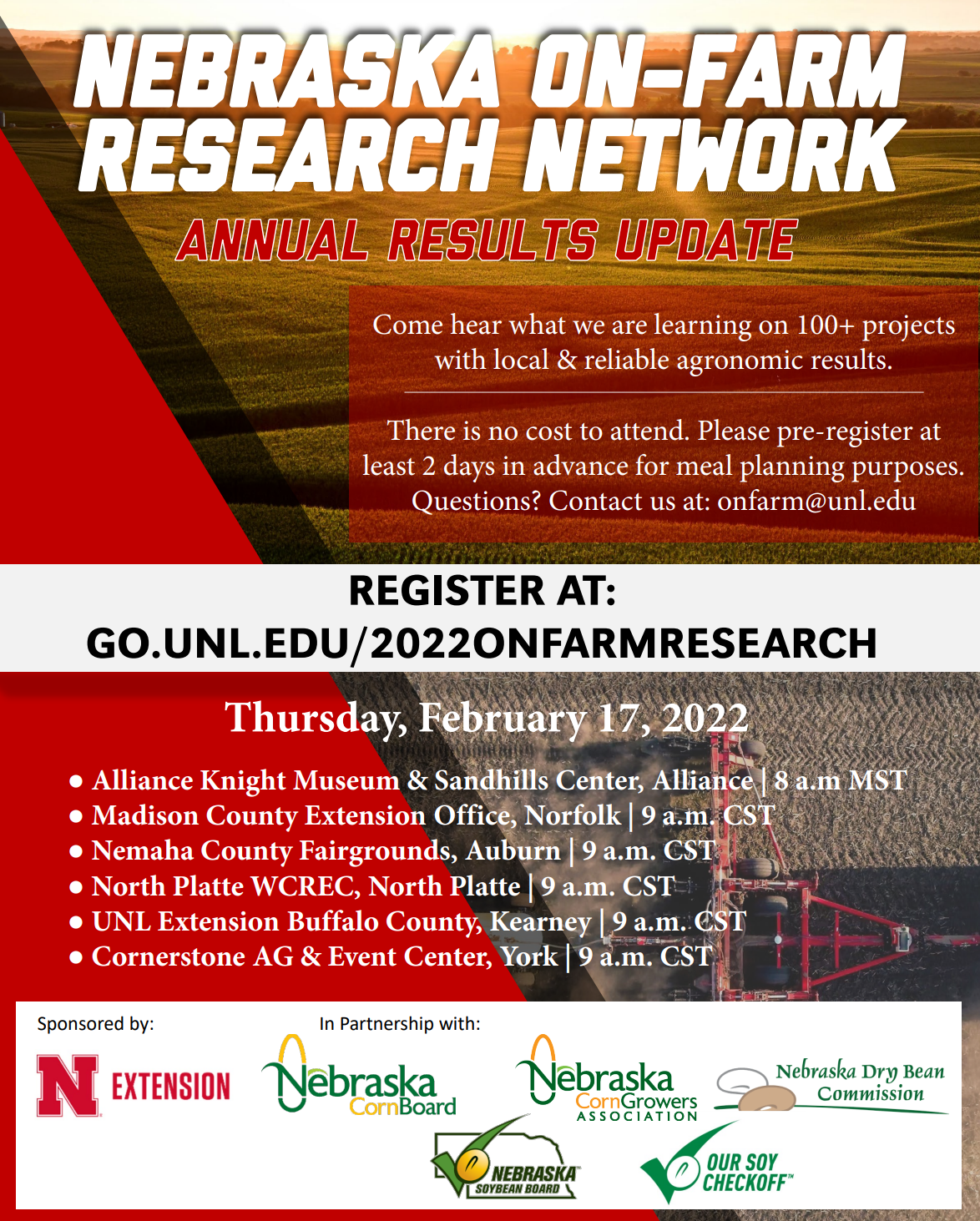
There is also a financial stipend for trying precision nitrogen studies via a USDA grant that Nebraska on-farm research received. So, would encourage farmers, and crop consultants/ag industry professionals to consider working with a farmer(s) to try some of these in the future. To learn more, go to: go.unl.edu/PrecisionNitrogen. For those interested in field scale nitrogen rate strips across your field, please contact me or your local Extension educator. And, if you’re interested in learning about the results of all the nitrogen studies from 2021, consider signing up for the on-farm research meeting in York on Feb. 17 at: GO.UNL.EDU/2022ONFARMRESEARCH.
Practical Cover Crop Management: I so appreciated Keith Berns sharing at our Practical Cover Crop meeting last Friday! The discussion and questions throughout that time is what I was hoping for with this meeting in all of us learning from each other and together. I’m not recording them and my goal with these meetings is the discussion/interaction/connections, so if you’d really like the information, it’d be most helpful to attend in person. This next meeting on Friday, Feb. 11 from 10-Noon at the 4-H Building in York will be on termination timing of cover crops, including planting green. I’ve asked a number of farmers to share their experiences as each does things slightly differently in their corn/soybeans with tillage practices, timing, herbicides/lack of. This is very informal with just discussion and please come with your questions and willingness to share as well! It is helpful for me to have RSVP at 402-362-5508 but I do allow for walk-ins.
Save the Date! Two newly scheduled upcoming meetings include an Estate Planning meeting in Seward at the Extension Office on March 8th at 1:30 p.m. Also, a small grain silage conference on March 17th at ENREC near Mead: HTTPS://GO.UNL.EDU/SILAGEFORBEEF2022.

February 2022 Events
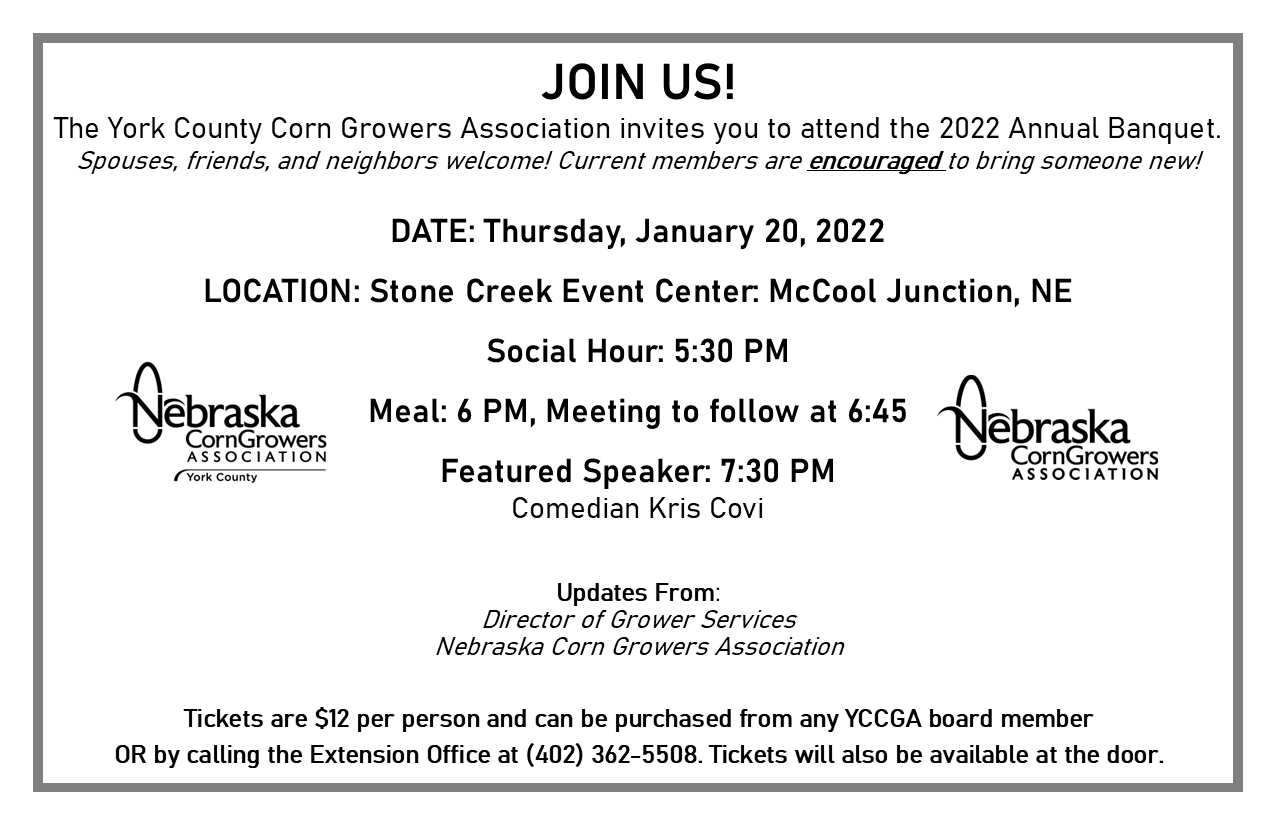
It seems like January is flying by with hitting winter programming hard! So, with only a few weeks left, wanted to get some early February programs on your radar. But first, sharing a correction for York Co. Corn Grower Banquet on evening of Jan. 20th: the social time begins at 5:30 p.m. with meal at 6:00 p.m.
For those interested in growing or utilizing sorghum, there’s two upcoming opportunities. One Jan. 26 in Lincoln regarding using sorghum food products and another Jan. 27 in Kearney regarding sorghum research. You can view topics and register here: https://www.nebraskasorghum.org/.
For those attending Crop Production Clinics, just FYI that a weed guide is provided with your registration. Reminder Hastings Jan. 19, Kearney Jan. 25, York Jan. 26 and virtual Jan. 28. Register at: https://agronomy.unl.edu/cpc.
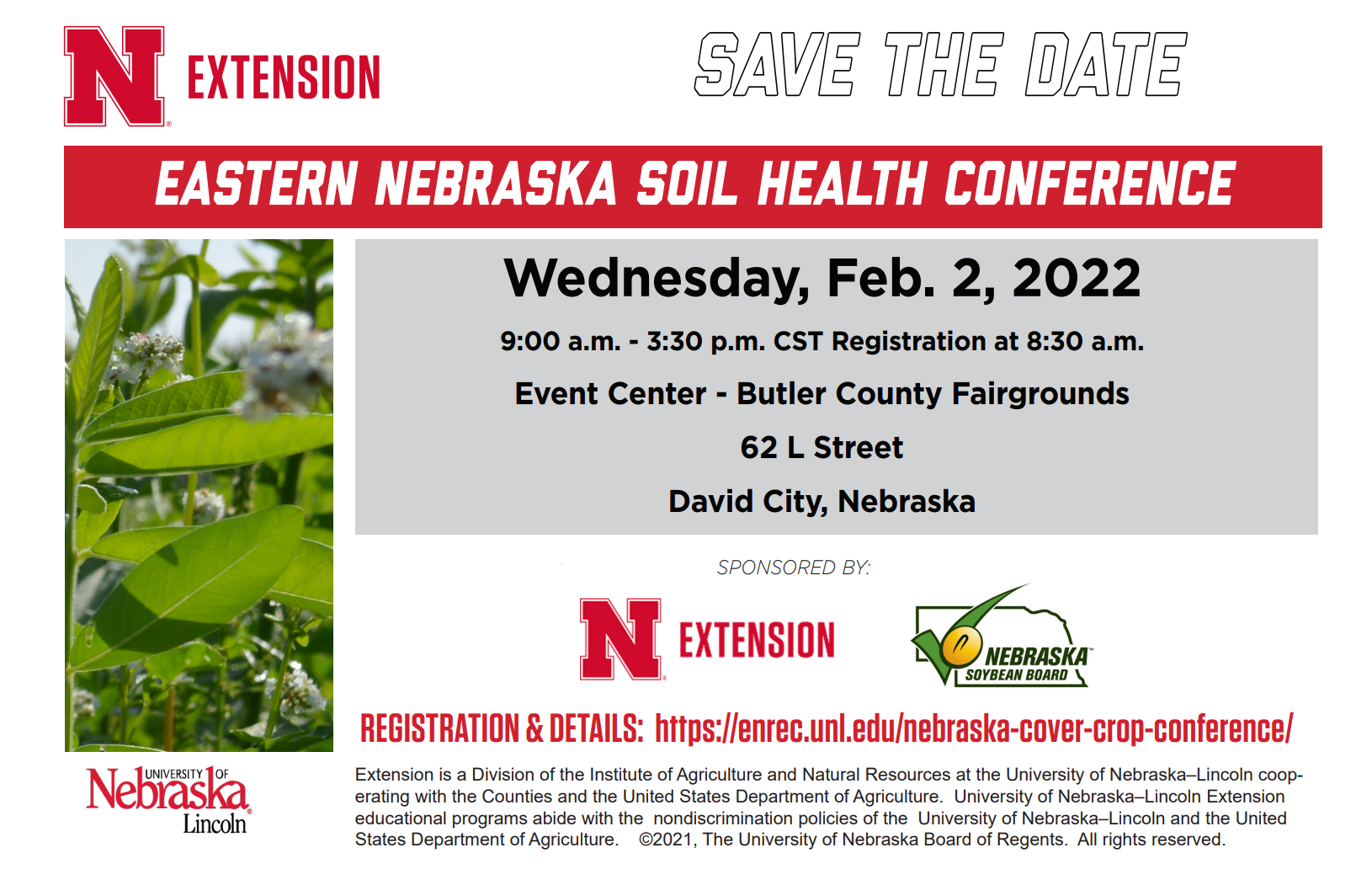
Feb. 2 Soil Health Conference: For those who’ve attended the Eastern Nebraska Soil Health Conference in the past, it will be held at David City at the Fairgrounds this year. No details yet but registration starts at 8:30 a.m. with program from 9 a.m.-3:30 p.m. Registration at: https://go.unl.edu/qe45.
Feb. 2 Hamilton Co. Ag Day will be held at fairgrounds in Aurora. This event also qualifies for nitrogen certification credits from UBBNRD. Registration begins at 9 a.m. with program from 9:30-3:30 p.m. Topics include: updates from Nebraska Corn Growers and USDA, Understanding southern power’s pricing changes and options, Understanding on-farm solar and land leasing for solar development, Nitrogen sensors, Nitrogen inhibitors and sources for 2022, Ag water dashboard, and What’s been learned from interseeding cover crops. There’s no charge and lunch is sponsored by Aurora Coop.
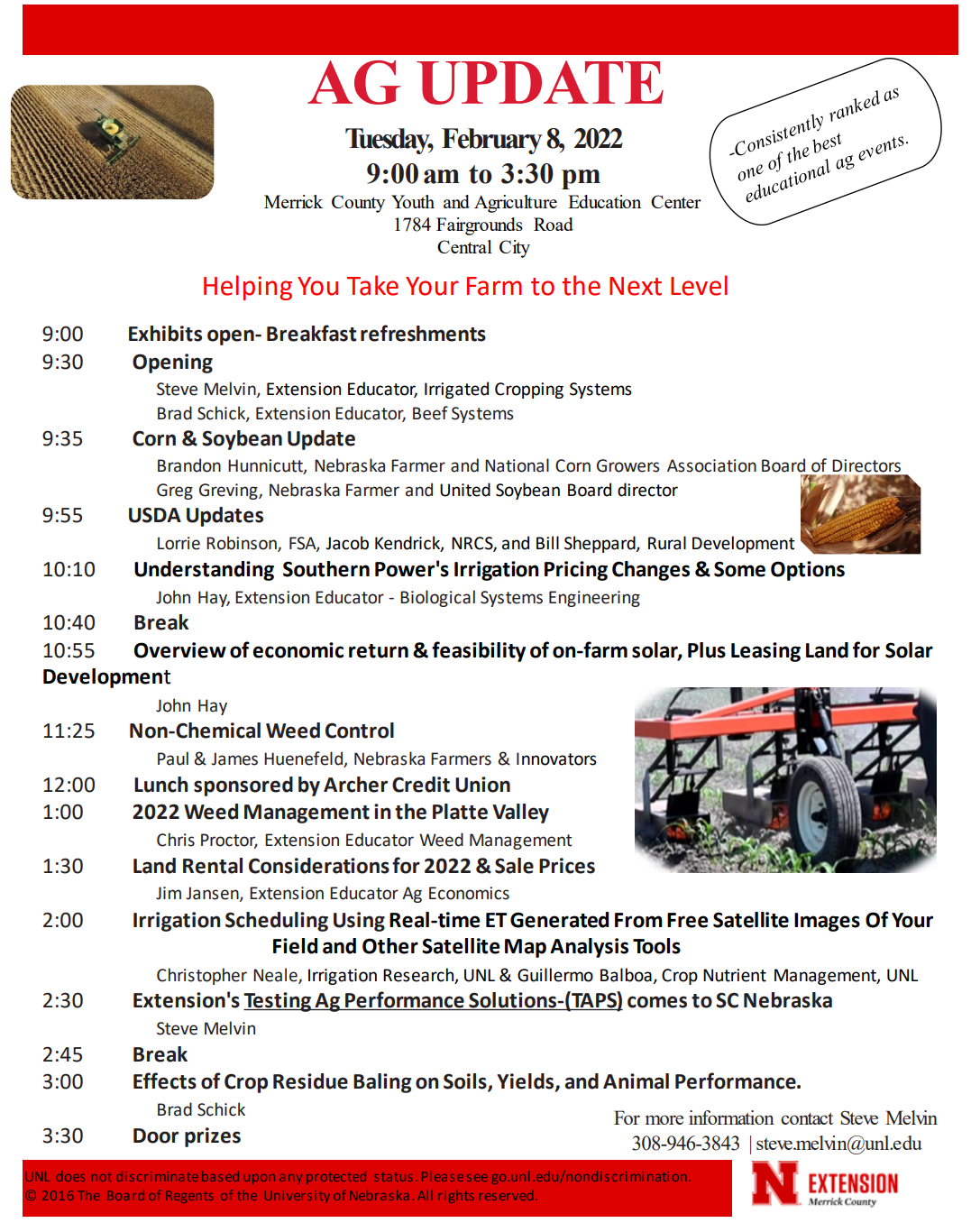
Feb. 8 is Merrick Co. Ag Update at fairgrounds in Central City. Registration begins at 9 a.m. with program from 9:30-3:30 p.m. The morning topics are similar to what is being shared in Aurora. In addition to those topics, there will be a farmer-led session on non-chemical weed control options, Weed management in the Platte Valley, Land lease considerations for 2022, Irrigation scheduling from satellite imagery, and Effects of crop residue baling on land and animal performance. There’s no charge and lunch is sponsored by Archer Credit Union.
Practical Cover Crop Management: New this year, I’m hosting a two-hour series (10 a.m.-Noon) each Friday in February at the 4-H Building at York Fairgrounds. When asked questions, I often share that a specific farmer has tried a certain practice and share what was learned, but I often don’t know the specific details farmers ask about. So, my goal with this series is that you hear directly from farmers, build connections and learn together. I envision this series being applicable to crop and livestock producers, ag industry professionals, landlords, and bankers. Please RSVP at 402-362-5508 or jrees2@unl.edu.
- Feb. 4: Back to Basics: Getting started with cover crops is an opportunity for those who have never tried covers or want to learn more. Learn the basics of timing, rates, species, and when to plant for different systems. Learn goals and what has/hasn’t worked for different farmers.
- Feb. 11: Termination timing including planting green is an opportunity to hear from farmers who plant small grains like rye and their experiences in terminating the cover crop prior to planting corn/soybeans or planting green and terminating the cover after planting corn and soybeans.
- Feb. 18: Interseeding cover crops is an opportunity to hear from farmers planting cover crops into growing corn or soybean crops. Learn about herbicide choices, species selection, goals, and what has been learned.
- Feb. 25: Reducing inputs with cover crops is an attempt to discuss numbers/economics around cover crop management. Hear how farmers are reducing nitrogen and chemical inputs by utilizing cover crops. Discuss how we can place an economic value on any soil changes.



 JenResources