Blog Archives
Life is Not Guaranteed
Last Tuesday night was our first Farm Succession Program “Leaving a Lasting Legacy”. That night was an incredibly impactful night for me. We heard from two women who became widows in their 30’s with young children. They were incredibly courageous in sharing their stories of loss, grief, difficulty navigating bills and decisions, etc. I left that night with so much on my mind. My husband and I have talked much since then. I’ve also shared with my siblings as we talked through how would our next of kin be able to navigate our accounts, passwords, etc. if something would happen to us.
The ladies shared several things that I felt would be beneficial to all for me to share here.
- At minimum, have a will in place that shares your desires for who receives your belongings, guardians for your children, etc.
- All vehicles and property should be listed as “joint tenancy with right of survivorship”.
- Both widows nearly dealt with probate. One widow lost both her father and husband in a plane crash and both were part of the family dairy business. The trust had been started but never completed by the father. They were able to avoid probate on the things the father had in the part of the estate plan written down but are still paying hefty fees on the parts that weren’t written in order to keep the family business. She emphasized the importance of finishing estate plans!!! Then review them every 2-3 years.
- In the case of the other widow, the husband had an off-farm job as a life insurance agent in addition to the farm. She shared the blessing of how well he provided for her by having such a large life insurance policy that helped her pay off debt and keep/manage the farm while raising her children at home.
- All accounts need to have both people listed. For example, the family phone plan was listed under the husband. She wasn’t able to access it with the phone company since she wasn’t listed and had to start over with new phones and accounts.
- The husband’s work email was used for several accounts at home (electric, heat, etc.). When he passed, his email was discontinued and the wife had no access to the accounts, nor was she listed on them. They both shared the difficulty paying bills and keeping their homes because they weren’t listed on accounts, on top of the immense grief they experienced.
- Ensure all account usernames and passwords are in a place where your next of kin can access them. There are tools for this including Nokboxes from Dave Ramsey.
- Medical: Many lawyers have templates for this, but if not, one document tool (paper or digital) you can use is from 5 Wishes. One wife whose husband was non-responsive had no idea if he would want experimental drugs used, if he wanted to be on dialysis for the rest of his life, and then if he wanted to remain on life support. She shared how having to make those decisions for him still haunts her, especially discontinuing life support.
There’s so much more I could share. Life is so short. Tomorrow, our next moments, nothing is guaranteed. My hope is that this column creates conversations amongst loved ones. Do you and your spouse/next of kin have a will in place? Do you have access to each others’ bank accounts, have a place where usernames/passwords are stored, have the names necessary on all accounts?
If you’re interested in attending, we will still take people each Tuesday night for the next three weeks. Please contact the Extension Office closest to you if you’re interested. More info: https://wia.unl.edu/succession25/.

Estate and Succession Planning
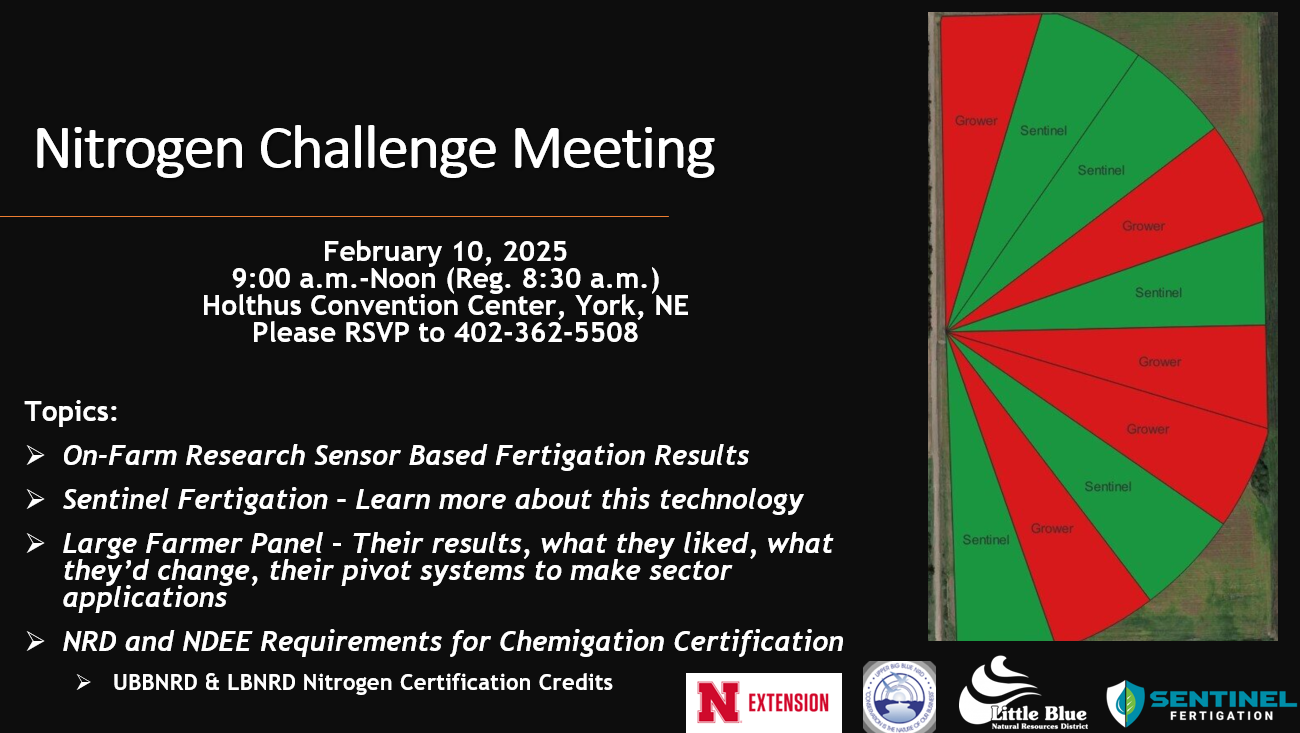
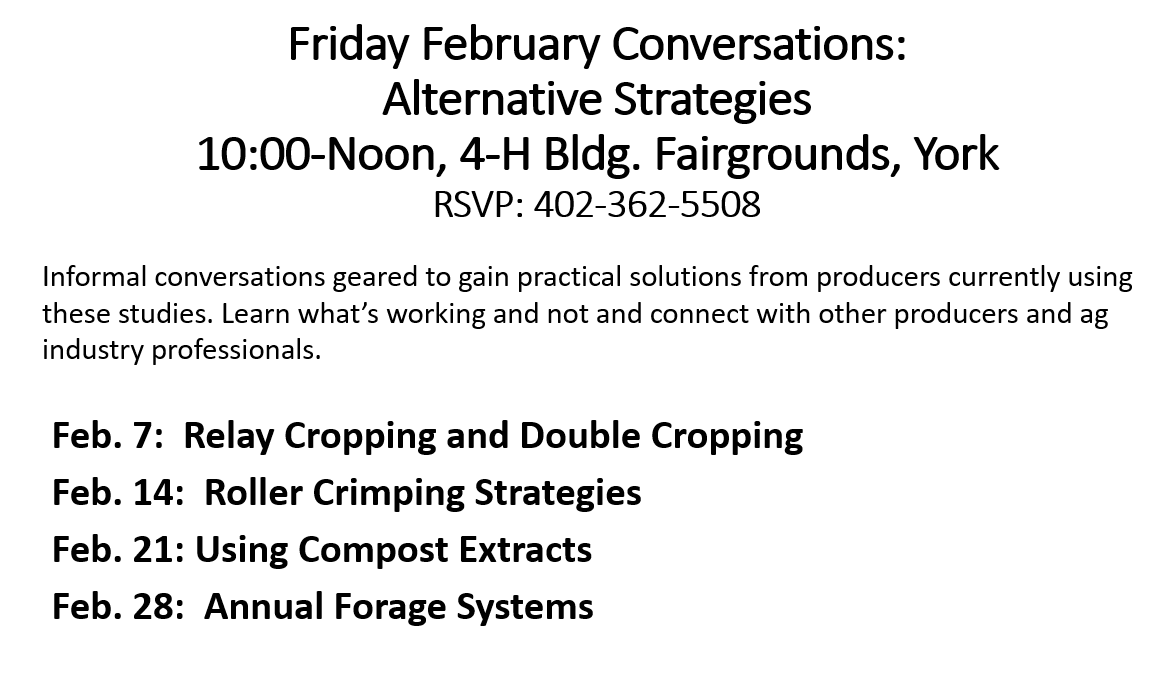
Transition/Estate Planning: This topic is perhaps one of the most important topics for all families to discuss, especially in agriculture. Many have shared stories of heartbreak with me. I’ve also heard an increasing number of farmers share with me they weren’t sure who the farm will transition to as there’s not an interested heir returning. The following are a few workshops to aid in beginning conversations and in the transition process. Perhaps this may be a goal for your farm the coming year? The first workshop allows for farm women (and in York I’m also encouraging couples) to gather to form connections and learn together. The second workshop is one my family participated in. It was special to connect with the other families who attended and talk through the questions/situations each family was facing and the advice/tools lawyers provided for varying situations. I’d highly encourage your family to consider attending one of these opportunities this winter if you haven’t started the farm transition discussion/process.
Succession Planning Workshop for Farm Women: This workshop is a 4-part series from 5-8 p.m. on Tuesday nights (Jan. 21, Jan. 28, Feb. 4 and Feb. 11). I will be hosting this workshop at the Extension Office in York and there are other area locations in Geneva, Lincoln, Central City, Columbus, Blue Hill, and Auburn. The workshop is geared towards women but men are also welcome, and I’d encourage couples to attend if it works. Topics covered will include motivation for succession planning, communicating with family, the financial aspects of estate and transition plans, and the legal aspects of putting a plan in place. A keynote speaker will be simulcast to every workshop location during each meeting, with time for questions and a hands-on activity for participants. A meal will be provided on each date.
The registration fee for in-person attendance is $60 before Jan. 13 and increases to $75 on or after Jan. 13. A virtual option is available for $75. Participants are encouraged to attend all four sessions. More information and registration is available on the Nebraska Women in Agriculture website, https://wia.unl.edu/succession25.
Returning to the Farm 2025 is a workshop series for families who are in the transition process of bringing members back to the farm or ranch. It will begin with a two-day workshop for multi-generational families on March 7 and 8, at Central Community College in Hastings, 550 S. Technical Blvd. The series also includes two follow-up workshops, to be held virtually after the in-person meetings.
The series assists families and agricultural operations with developing financial plans and successful working arrangements to meet their unique needs. It will guide families in developing estate and transition plans, setting personal and professional goals and improving the communication process between family members. Presenters will include extension experts as well as agribusiness and legal professionals.
The workshop fee is $75 per person on or before Feb. 28. March 1, the fee increases to $85 per person. Registration includes dinner on March 7 and lunch on March 8. It also includes two follow-up workshops, to be held virtually (dates/times TBD). Hotel accommodations are not included. https://cap.unl.edu/rtf25.
The In-Season Nitrogen Publication I had mentioned in the previous columns has now been published and can be found: https://go.unl.edu/tp7c.


 JenResources