Author Archives: JenBrhel
Drought and Nitrogen Use Efficiency
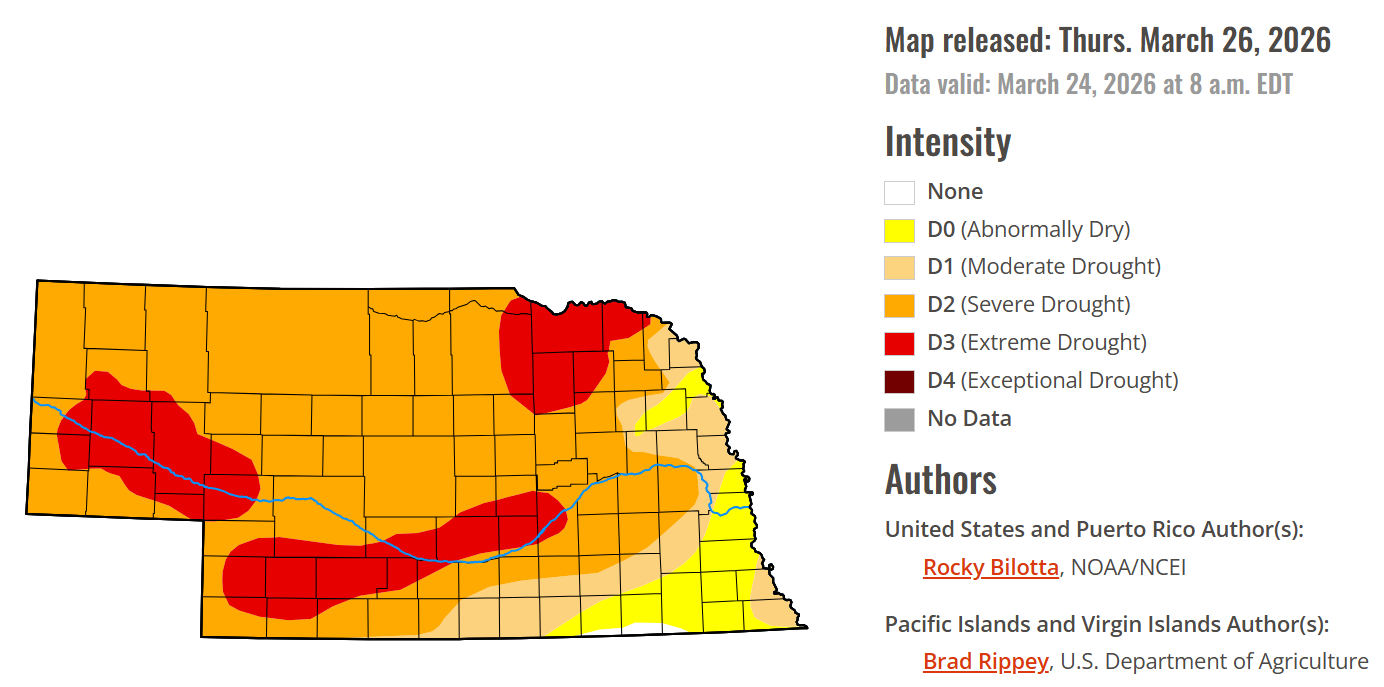
Drought: As of Thursday’s drought monitor release, 99.6% of Nebraska is abnormally dry/in drought. This same week in 2023 was also at 99.6% and similar to 2025 at 98.2%.
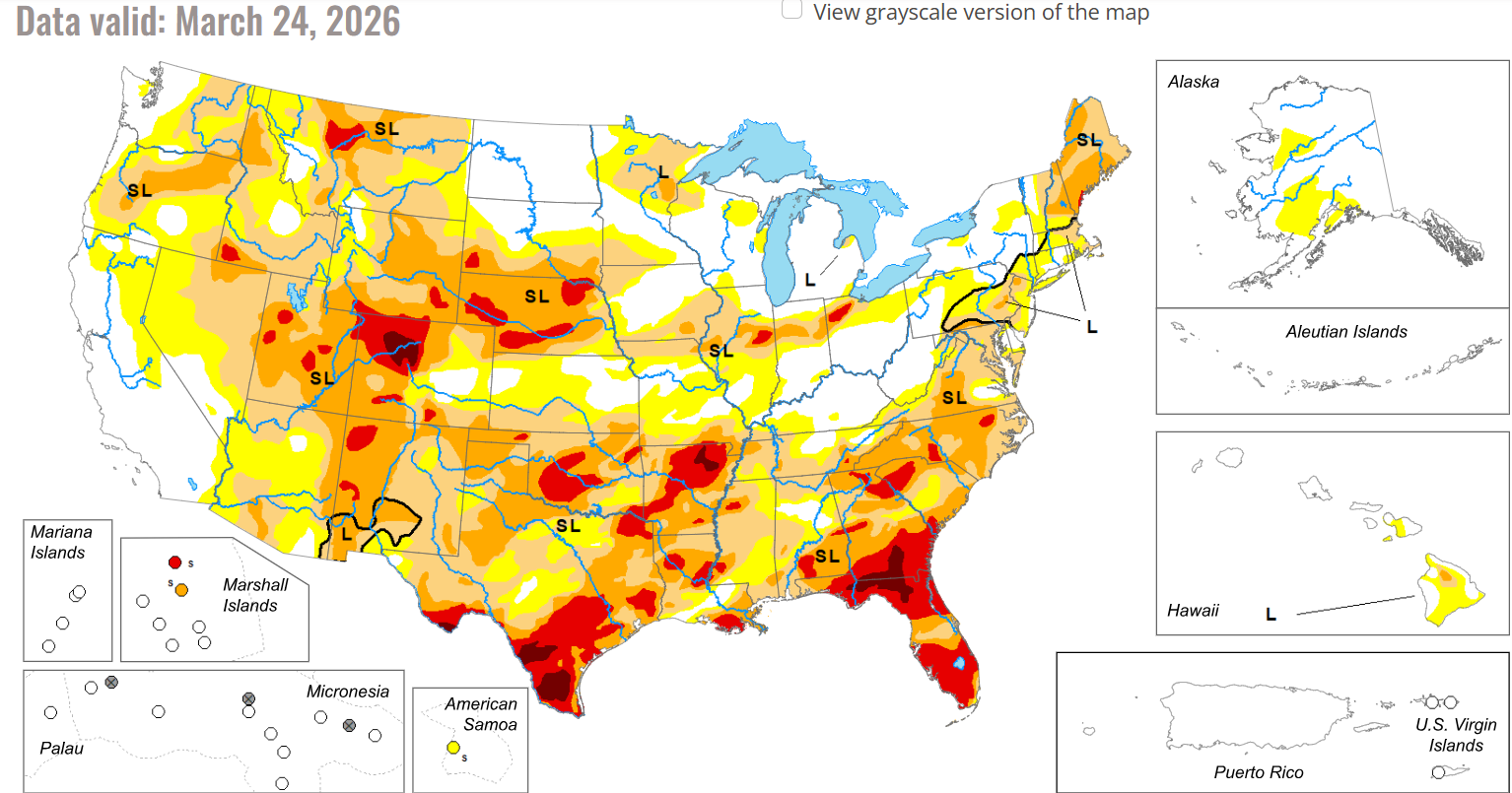
What’s also interesting is that currently 77.1% of the entire U.S. is abnormally dry/in drought. That’s actually the highest for last week on record for the U.S. I could find. The other closest years for entire U.S. drought were 72% in 2022; 67% in 2025; and 65% in 2002, 2013, and 2021. We all know it’s dry and we’ll keep praying for much-needed rain.
Cover Crop Termination Timing: I’ve received a number of questions about cover crop termination timing. Several have also contacted me asking about the potential of utilizing these covers for custom grazing cattle impacted by wildfire areas instead of terminating the covers. There’s a number of questions around this and ideas on how to compensate for the grazing/cattle care. To be clear, my goal in sharing this is to help with the questions I’m receiving and to help with a real situation Nebraskans are facing right now. I think the unknowns are how many producers are willing to offer this type of service and how many cattle impacted by wildfires need custom acres to graze. Because producers have asked me who to talk with to obtain answers, I’d suggest contacting the NDA director’s office and possibly commodity groups such as Nebraska Cattlemen’s or Nebraska Farm Bureau to share your thoughts and see if there’s possibility for a decision around this soon.
For farmers with non-irrigated ground, if you’re not planning on using the cover crops for forage, watch soil moisture for your specific fields. While I promote planting crops green into cover crops, the soil moisture situation is dire in the seed zone and terminating pre-plant may be the wisest option. For growers with irrigated ground, again, watch your soil moisture for your specific fields. If choosing to terminate pre-plant, one option is to use clethodim (follow label regarding the wait period of 7-10 days prior to planting corn). Clethodim provides a slower kill and doesn’t cause the covers to “melt down” as rapidly as roundup does. If you choose to plant green, have pivots ready to go in the event you need to provide water into the seed zone after planting into the growing cover.
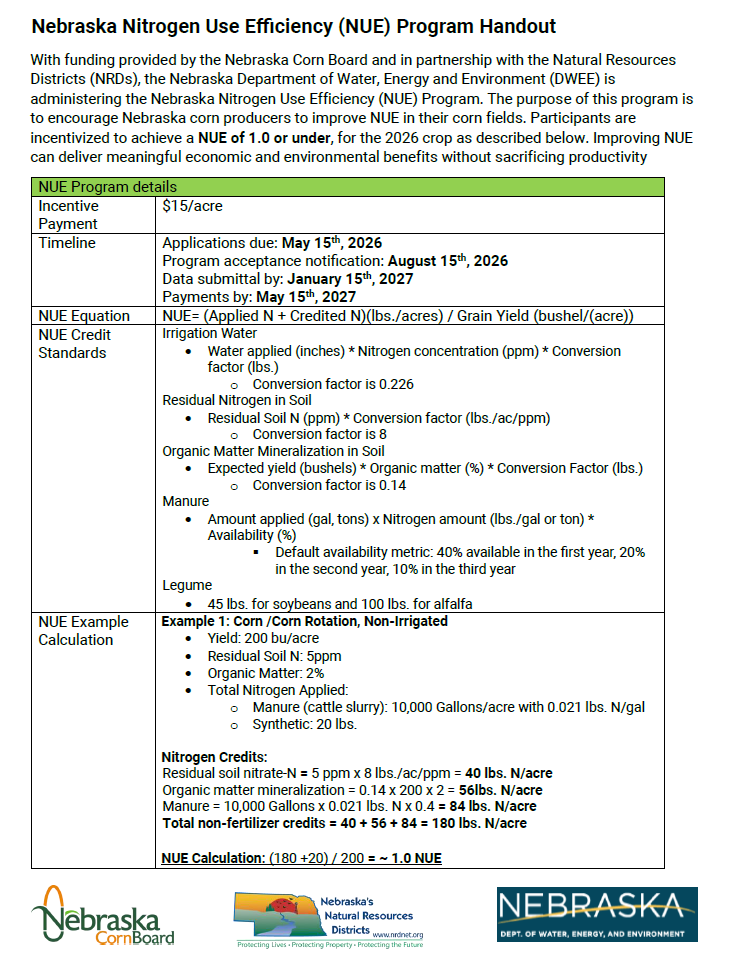
2026 Nebraska Nitrogen Use Efficiency (NUE) Program: With funding provided by the Nebraska Corn Board and in partnership with the Natural Resources Districts (NRDs), the Nebraska Department of Water, Energy and Environment (DWEE) is administering the Nebraska Nitrogen Use Efficiency (NUE) Program. The purpose of this program is to encourage Nebraska corn producers to improve NUE in their corn fields. Participants are incentivized to achieve a NUE of 1.0 or under, for the 2026 crop as described below. Improving NUE can deliver meaningful economic and environmental benefits without sacrificing productivity.
Nitrogen Use Efficiency (NUE) measures how effectively a crop converts available nitrogen (N) into harvested grain yield, quantifying the relationship between N inputs and crop output. NUE accounts for total available N by including credits such as soil, water, legumes, and manure (lbs./acre) divided by grain yield (bu/acre).
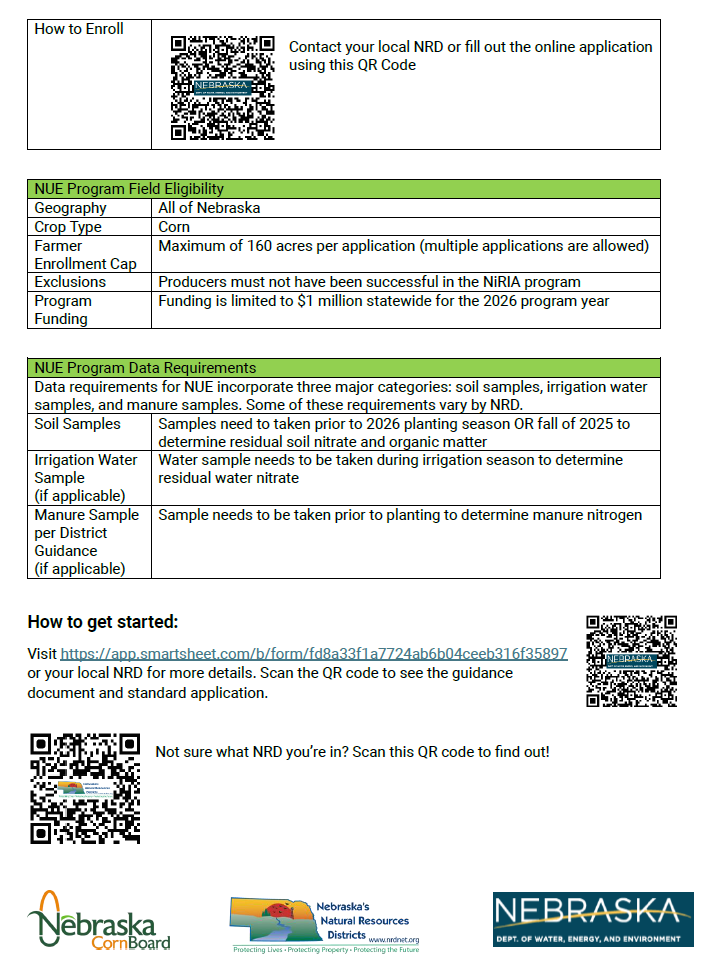
For the 2026 cropping season, applications are due May 15th, 2026, pending funding status, and will be subject to NRD approval. NRD will review and prioritize the applications based on available funding. Methods for application prioritization will be established by each NRD with applicants notified no later than August 15th, 2026, whether their application has been approved or denied. Full details at: https://dnr.nebraska.gov/nebraska-nitrogen-use-efficiency-nue-program.

JenResources 3-22-26
Happy Spring! And in saying that, it’s concerning seeing blooms on our apricot tree already and a tick from the pasture. It all seems so soon and we’re very dry. With that said, I would encourage on warm days without wind to water evergreen trees. We normally don’t recommend to water lawns in March but with as dry as the soil is, it may be helpful to water them once a week. Pushing a screwdriver into the ground will help measure the depth of soil moisture.
Wildfire Support: We were asked to share that Hot Meals USA needs help serving meals to hundreds of first responders and survivors of the Morrill and Cottonwood wildfires. They are also looking for drivers to deliver meals to Ogallala and donations for meals. Website: https://hotmealsusa.org
- Volunteer signup (please scroll down to the later dates listed): https://www.signupgenius.com/go/60B084DAEAA29A0FF2-62991726-feeding?useFullSite=true#/
The following article: https://go.unl.edu/fw06 shares a number of resources with direct links for those who want to donate hay or need hay, for monetary donations, and also for resources through the Rural Response Hotline (800) 464-0258. Nebraska Cattlemen https://www.nebraskacattlemen.org/disaster-relief-fund and Nebraska Farm Bureau https://www.nefb.org/disaster also have disaster relief funds. Extension Educator TL Meyer shares the following “livestock recovery and documentation after the wildfire”: https://go.unl.edu/6yiv.
National Soil Scientist Dr. Liz Haney to Lead Soil Health Masterclass in Kansas on March 26 from 10 a.m.-2 p.m. at the Worden Cornerstone Church near Baldwin City. This event is open to farmers, agronomists, crop consultants, conservation professionals and anyone interested in soil health and regenerative agriculture. Hosted by the Kansas Soil Health Alliance, this in-depth workshop will focus on biological soil testing approaches that evaluate soil as a living system rather than relying solely on conventional chemical extraction methods. Unlike traditional soil tests, these approaches measure microbial activity and plant-available nutrient pools that soil organisms are actively cycling. The result is a clearer understanding of how much fertility the soil is already providing. With fertilizer prices continuing to fluctuate and margins tightening, understanding soil function is becoming increasingly important for producers looking to improve efficiency while maintaining productivity. Lunch is included with registration. Please register here: https://bit.ly/Soil-Masterclass
Soil Health & Garden Workshop will be held on April 2nd from 11 a.m.-1 p.m. at the Project Grow Garden Space near 12th St. and Rd N in York. Lunch is included and there’s no charge, but registration is required to the Upper Big Blue NRD at 402-362-6601. On a first come, first serve basis they are doing in-person soil testing for the first 20 attendees. They will be testing for pH and heavy metals. Any soil samples submitted beyond the first 20 will only receive pH testing. Instructions on soil collection will be sent to registered attendees. This free community event is designed to educate and engage participants in understanding the importance of healthy soil for productive gardens and sustainable landscapes. Whether you’re a seasoned gardener or just getting started, you’ll gain practical knowledge and hands-on experience. Topics include: Understanding soil health fundamentals — including pH, structure, and fertility; Live demonstrations of soil testing techniques; rain simulator demonstration showing how different soil types respond to rainfall; Sustainable gardening practices you can apply at home or in community spaces; and Opportunities for community engagement and knowledge sharing.


Nitrogen Management in 2026
With the increasing nitrogen prices, there’s a great opportunity to take the Nitrogen Challenge by trying sensing-based technology on your farm this growing season to help with nitrogen management. How does it work?
- Apply a pre-plant base rate to your field between 50-100 lb N/ac.
- Apply any additional nitrogen the plant needs in season using a sensing based technology like Sentinel Ag.
For the pre-plant base rate, I know only 50-100 lb N/ac is a hard adjustment for many, but in order to use the sensing technology, you really need to have a base rate no more than 120 lb N/ac.
Then somewhere on half of your field, apply a strip of 30 lb N/ac less than your base rate and a strip right next to it of 60 lb N/ac greater than your base rate. Repeat these two strips on the other half of the field. For example, if your base rate is 100 lb N/ac, the low base rate would be 70 lb N/ac and right next to it would be a high strip of 160 lb N/ac. Make sure there’s a high/low paired strip on each side of your field.
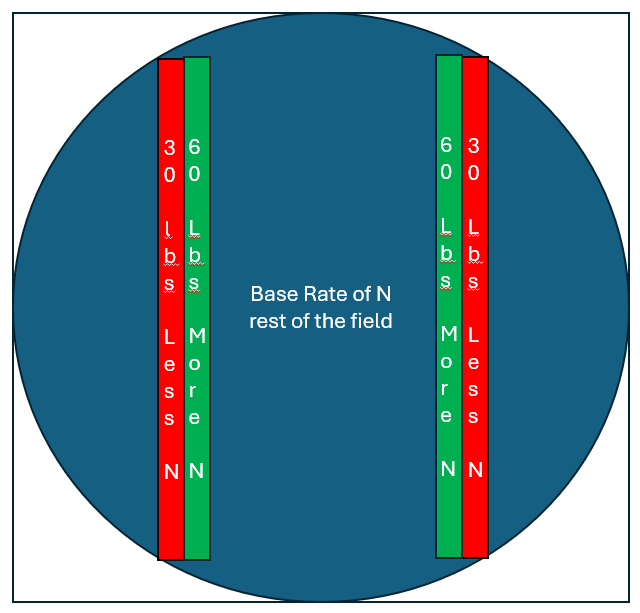
The next step is using a sensing technology like Sentinel Ag to monitor when your plants need any additional nitrogen in season. How do you get started? You can go to: https://www.sentinelag.tech/contact to contact Sentinel Ag and connect with a customer service provider.
From there it’s a matter of getting your field(s) into the system and imagery will be received each day during the growing season when cloud cover isn’t a hindrance. Our on-farm research growers since 2022 have saved on average 52 lb N/ac. We’ve had growers locally use Sentinel Ag who never applied additional nitrogen in the growing season. That usually only happens when there’s already high residual nitrate in the soil. However, it’s a great way to utilize that already existing nitrate and to avoid it leaching to the groundwater.
I also stress this as a nitrogen management tool beyond just reducing the amount of nitrogen applied. The satellite imagery has shown when terminated cover crops released their nutrients to the growing crop. We’ve also seen situations where growers added a 60 lb N/ac in-season rate at the correct timing during rapid growth phase and increase yields by 20 bu/ac. Those are things that we as agronomists can’t predict as we can’t predict mineralization for each field nor can we see the light spectrums that the sensors on the satellites can see that detect stress. It’s a beautiful thing how technology is allowing decades of research to become very practical and usable for growers!
So, for those frustrated by nitrogen prices, this is a great year to try in-season nitrogen management for yourself! And, for anyone using Sentinel Ag this year, we’re beginning peer mentoring groups. What does this mean? It can be scary and hard to try new technologies. Growers who have been using Sentinel Ag have volunteered to serve as peer mentors to other interested growers. We plan to help with understanding the imagery, fertigation, and just walk alongside each other to help with confidence in decisions and what we’re seeing. There’s much power in peer learning! If you’re interested in being a part of the Sentinel Ag Peer Mentoring Groups, please contact me at jrees2@unl.edu. We hope to get started by the end of March/beginning of April.
Richard Ferguson has retired after 40 years of service as a UNL Extension Soils Specialist and he will be greatly missed! His retirement celebration will be this Friday, March 20th from 2-4 p.m. at the Goodding Learning Center at UNL’s East campus. There’s also an online book for well-wishes at: https://go.unl.edu/ferguson-retire.

March 2026 Events
Ag Recognition Banquet: Kiwanis Club of Seward invites you to Celebrate Agriculture by attending the 58th Annual Ag Recognition Banquet! It will be held on Monday, March 23 at the Seward County Fairgrounds Ag Pavilion. 5:30 p.m. is the social with prime rib meal at 6:30 p.m. and program/awards at 7 p.m. Being recognized this year for Outstanding Farm Family is Havlat Farms and recognized for the Agribusiness Award is Baack Ag Services. Past award winners who wish to attend should contact Nick Bauer at 402-429-6119 or nick.bauer@fcsamerica.com. Tickets can be purchased and table sponsors can request tables at the following website: https://sewardkiwanis.org/events/ag-recognition-banquet.
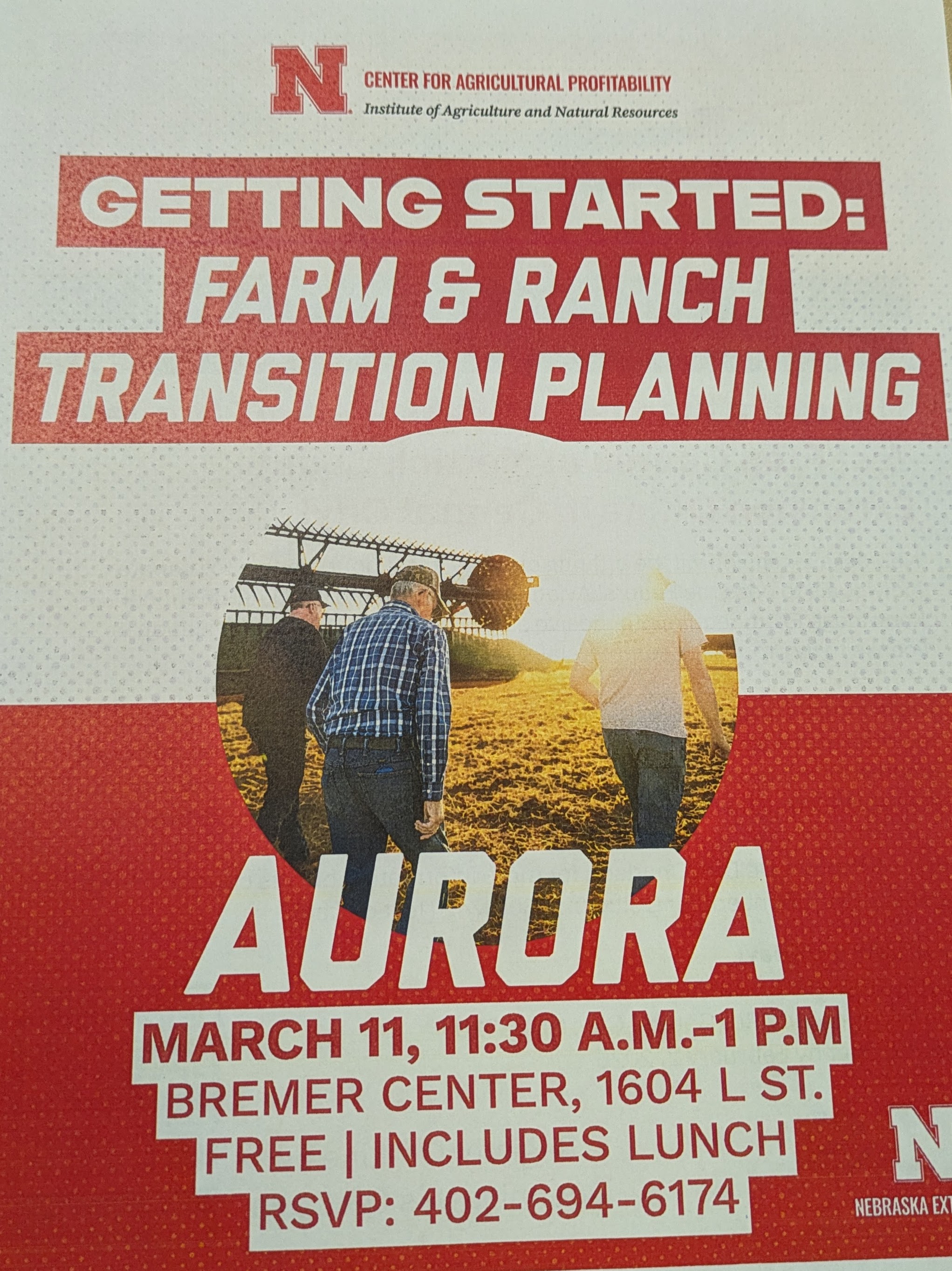
Getting Started Farm & Ranch Transition Planning will be held on March 11th from 11:30 a.m.-1 p.m. at the Bremer Center in Aurora. There is no charge and includes a free lunch. RSVP is request to 402-694-6174. Transition and estate planning is one of the most important topics we face in agriculture!
“Learning the Why Behind the Work” are webinars held each Monday in March at noon CST. The webinars are geared for women who help with chores, decisions, or cattle care but didn’t grow up in agriculture. All are welcome though. Each webinar has been recorded in case you missed one. For remaining webinars: March 9 is on breeding basics; Mar. 16 is on nutrition and body condition scoring; and Mar. 23 is on navigating resources. There is no cost but please go to https://go.unl.edu/hy85 to register and receive the zoom links.
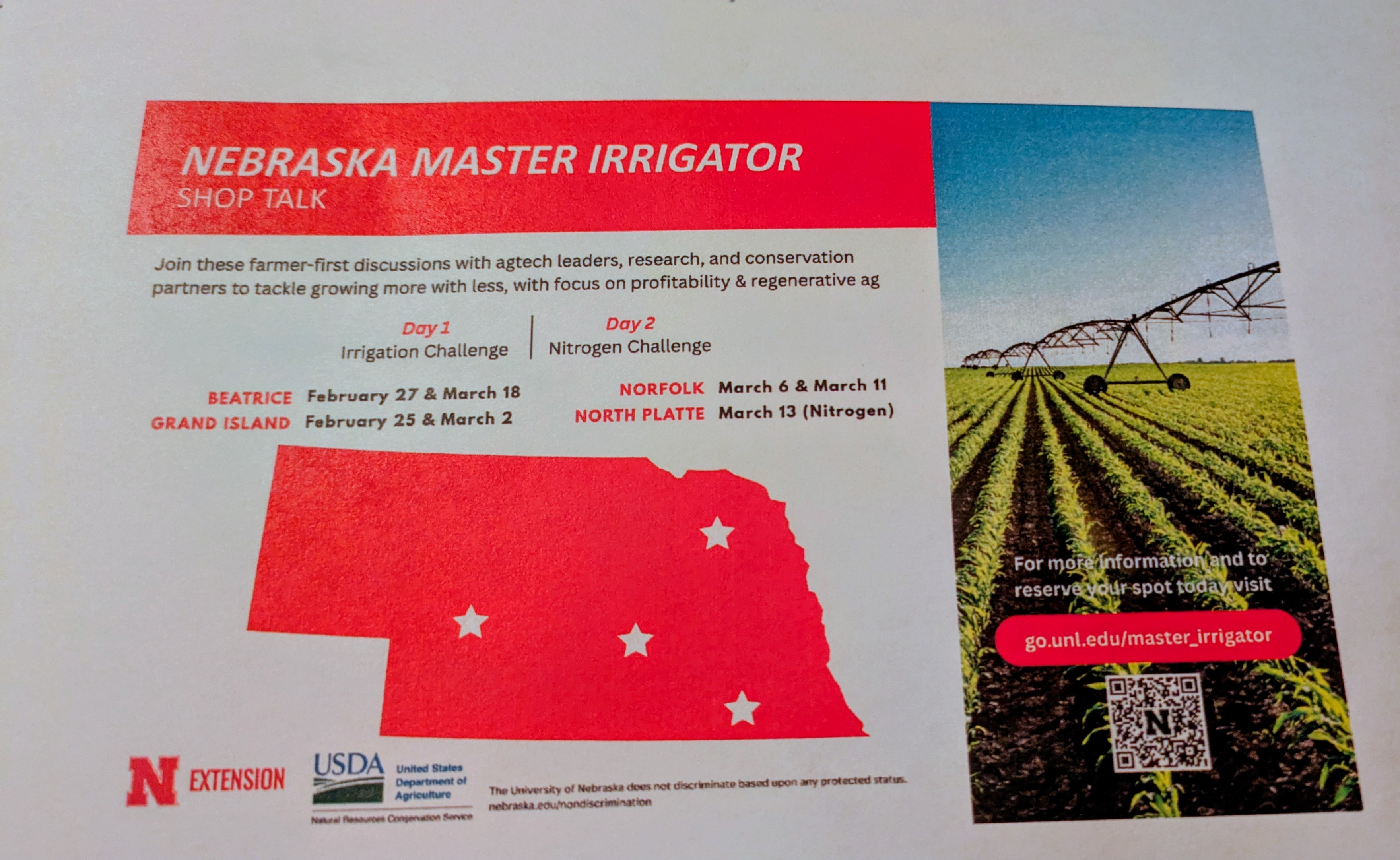
Master Irrigator Nitrogen discussions will be held at a variety of locations this month including March 11th in Norfolk, March 13th in North Platte, and March 18th in Beatrice. More info. at: https://go.unl.edu/master_irrigator.
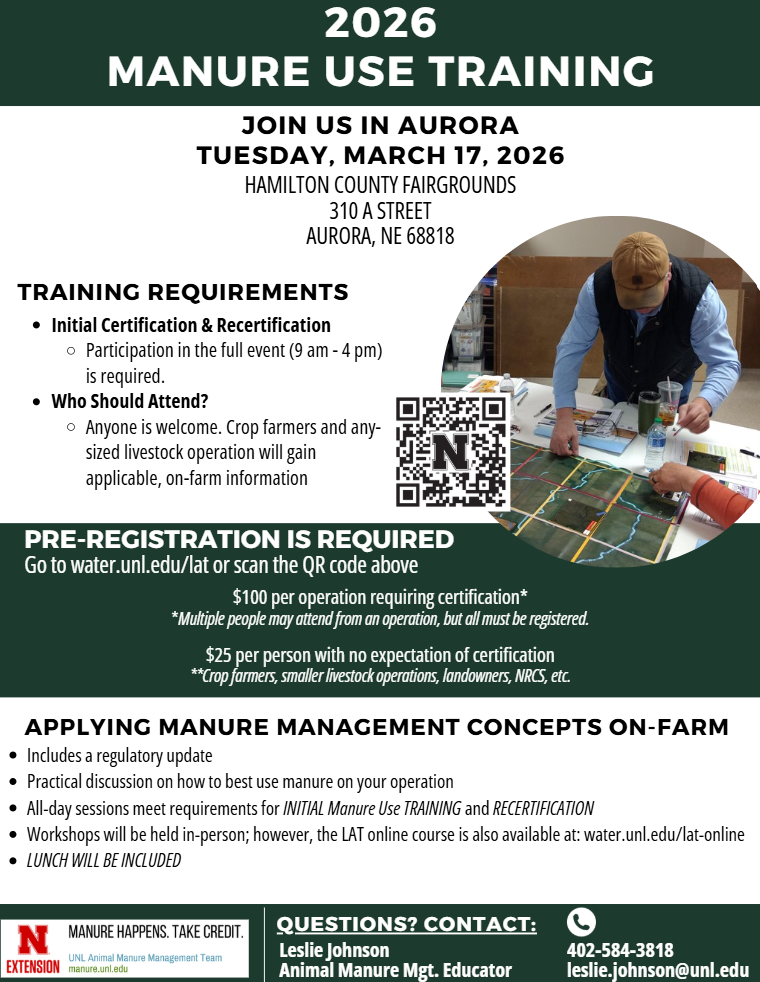
Manure Management on Crop Ground in Aurora March 17th: Turning manure nutrients into improved crop yields while protecting water and soil quality will be the focus. The day-long sessions, held from 9 a.m. to 4 p.m. local time, provide DWEE Land Application Training certification. Participants must attend the full program, which includes lunch, to earn certification. Sessions will cover regulatory updates and strategies for using manure effectively on cropland. While certification is available, anyone may attend, including crop farmers and smaller livestock operators seeking practical guidance for their operations.
Hands-on activities will help participants evaluate which fields are best suited for manure application. Each session will present a scenario in which attendees assess potential fields and determine whether manure use would be beneficial or if certain limitations make the site less desirable. Participants will then rank fields by priority based on factors such as nutrient value, transportation cost, soil health, water quality, neighbor proximity, and odor concerns. Regulations and record-keeping requirements for manure storage and application will also be covered. Registration is available at https://water.unl.edu/lat. The cost is $100 per operation requiring certification—typically larger livestock facilities—or $25 per person for attendees not seeking certification, including smaller livestock producers, crop farmers, NRCS staff, and landlords.
Crop-Livestock Integration Case Study
Happy March! We had a great Friday February conversation again. I think the power in that conversation was watching how ideas from previous years of conversations came to fruition with actual data including stocking rates and economics from several growers. The following is a case study where a grower who enjoys cattle wanted to find a way to raise his herd in the Utica, NE area where corn/soy/seed corn is plenty and pasture is limited. He thought outside the box, challenged the status quo and split a pivot into four quarters in 2024.
On one quarter he planted corn, the next quarter was a year of annual forages for strip grazing, the next was cereal rye for seed followed by winter stockpiled annual forages, and the final was soybeans. The pivot corners consist of pasture and one farmstead. The crops on each quarter are rotated clockwise each year. For example, the quarter that was strip-grazed annual forages in 2024 was planted to corn in 2025. Volunteer rye and vetch were grazed before corn was planted in that area and the cows were moved onto oats/peas he planted into the annual forage quarter. As they were dying out, he followed the cows with planting an annual forage summer mix that contained multi-species but was heavier on millets so he didn’t have to worry about removing cows during light frosts (he was avoiding the potential of prussic acid poisoning by using the millets instead of sorghum species). Now the cows are on the winter stockpiled forage that was also a muti-species mix but heavier on the sorghum species side. For a stocking rate, he figures 1 pair per acre (around 33 pairs if he stayed on this quarter system). This would also be a great system for stockers.
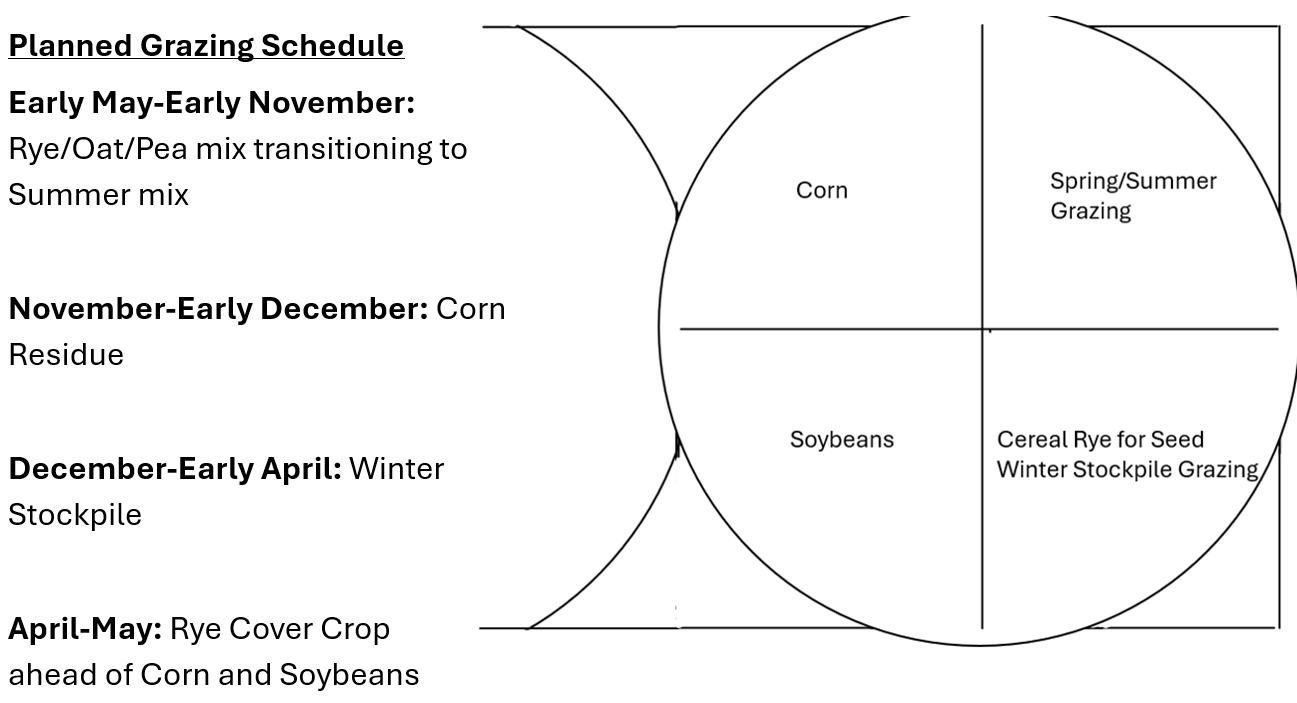
Splitting a pivot into quarters wouldn’t perhaps be the easiest set-up for most. His goals were to keep his cows on this one pivot for the entire year and to see what his stocking rate could be as he grew his herd. He also wanted to determine the economics and soil health of this system by the end of four years to see if he could scale it to other pivots on his farm. The beauty of this is that the system could be adapted to each producers’ goals and needs. Pivots could be split in half or converted entirely to suit the individual’s goals.
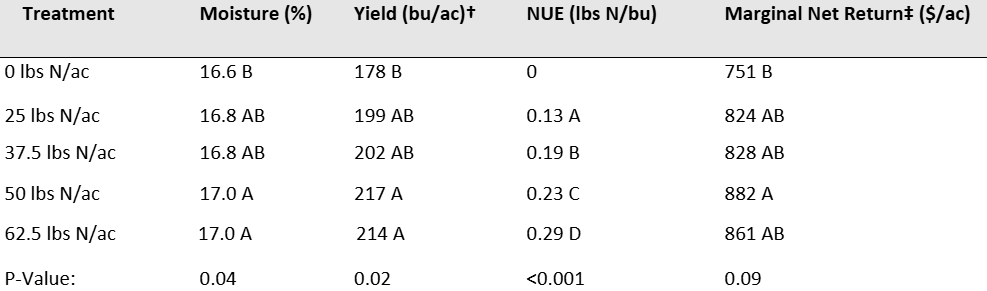
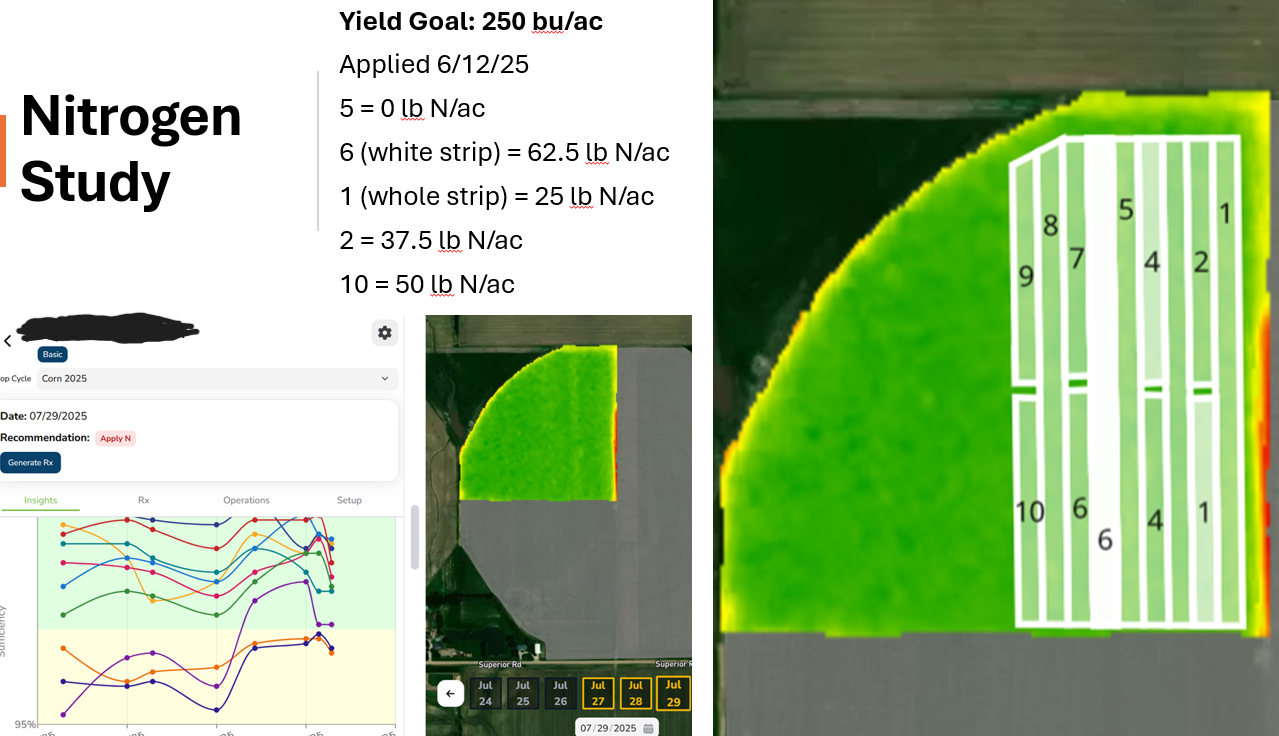
This grower also wanted to see how much nitrogen…and other nutrients over time…the annual forage grazing contributed to the succeeding corn crop. We’ve heard a potential of 100 lb/ac of nitrogen could be credited, so that was considered in addition to the residual soil nitrate and nitrate in irrigation water. He set up a side-dress on-farm research study where he applied starter fertilizer but no other nitrogen until V2-V3 corn. He had 4 reps including rates of 0, 25, 37.5, 50, and 62.5 lb N/ac applied. The goal was to apply these same rates to the same strips the next time he side-dressed. He then used Sentinel Ag to sense the timing of when he would need additional nitrogen. However at side-dress time, the Sentinel Ag imagery said he only needed nitrogen on the 0 lb and two of the 25 lb/ac strips. So, the grower decided to let it go and see what happened. His yields? While they were down like many in the area, he raised 217 bu/ac on 50 lb N/ac and 178 bu/ac on 0 lb N/ac! For the annual grazing with cow-calf pairs, his economics came to a profit of $683/ac (that was using $300/ac rent cost). Think about his corn and grazing economics for your own system. It’s exciting to me to see a case study like this where crops and livestock are integrated so well to show the benefits of diversity not only for the land and reduced inputs but economically!
And, it’s another example of how Sentinel Ag’s satellite imagery can be used to help with nitrogen management. With March pre-plant nitrogen applications, consider the nitrogen challenge: only apply 50-100 lb N/ac pre-plant and use Sentinel Ag to determine the remaining needs this growing season. Please contact me if you’re interested in more information.
Crop Ground to Annual Forage Grazing
Converting Crop Ground to Annual Forage Grazing: A handful of producers have been doing this in the area with more considering it for 2026. Why? With the high input costs and low commodity prices, producers are searching for alternatives. The economics of grazing covers is good compared to planting corn and soybeans. Pencil it out for your operation. Input costs for grazing annual forages include cover crop seed and seeding, land costs, potentially one herbicide application between rye and planting a summer cover crop, water and fence infrastructure, and irrigation for establishing covers on irrigated ground. Here’s a potential rotation to make this work: rye planted in the fall or oats planted in March. Strip graze the rye or oats in April-May. Plant a summer annual cover crop mix in June/early July. Strip-graze the summer mix in late July-October. Some people will move livestock off the crop ground between light frosts until a hard freeze if sorghum species are in the summer mix (to avoid any prussic acid poisoning). Then livestock can continue grazing any remaining forage after frost with minimal loss in quality. If cool season cereals like rye/wheat/oats were added to the summer mix, they will come on in the fall and add additional quality to the forage into the winter. Or, a cool season cereal can be planted in the fall after the summer annual forages are grazed off. There’s multiple options for doing this!
Those cash renting ground were often able to pay for the cash rent of irrigated or non-irrigated crop ground in 1 to 2 grazings. How to figure costs? UNL farm real estate reports share an average cost of $68/cow-calf pair/month to graze on pasture in Eastern and Central NE. Annual forages would have a higher quality, so that should be taken into consideration for the value received. If you would graze cattle for someone else, such as grazing custom cattle, you can expect to receive anywhere between $1.50-$2.50/1000 lbs of cow (standard animal unit)/day depending on one’s location. This is also the value you’re creating if you’re using your own cattle to graze the covers. If you own cattle and want to retain your calves and add weight after weaning, consider putting the calves on the forages for the highest value return and gains. Pencil it out for your operation. We converted half our crop acres this year to forages for custom grazing cows. And, the benefits are beyond a single year of economics. I’ve seen how strip-grazing plants with animals can improve ground through improving pH, improving water infiltration through better soil aggregation, increased soil microbial communities, and nutrient release. A risk for consideration is lack of rainfall on non-irrigated ground to establish covers and maintain growth. Producers will also share specific examples with their economics on this Friday’s Feb. 27th conversation from 10-noon at the 4-H Building in York.
Farmers Bridge Assistance (FBA) Program: This program provides $11 billion in one-time bridge payments to row crop producers in response to temporary trade market disruptions and increased production costs. The FBA enrollment period opens Feb. 23 and closes April 17, 2026. There will not be mailed prefilled applications anymore. Producers are encouraged to use/create a login.gov on farmers.gov to apply or they can still apply in person in the office. More info: https://www.fsa.usda.gov/news-events/news/02-20-2026/usda-announces-enrollment-period-farmer-bridge-payments?utm_campaign=022026fbaenrollment&utm_medium=email&utm_source=govdelivery.
Master Irrigator Program: Nebraska Extension invites farmers, agricultural professionals and conservation partners to participate in a local 2026 Nebraska Master Irrigator “Shop Talk” discussion. These will be two‑day, discussion‑based programs focused on tackling today’s most pressing irrigation and nitrogen management challenges. The first day of each location will focus on irrigation and the second day will focus on nitrogen. Registration and info at: https://go.unl.edu/master_irrigator. Walk-ins are welcome. Closest sessions include: Grand Island Extension Office on Feb. 25 & Mar. 2; Extension Office in Beatrice on Feb. 27 & Mar. 18.

Week of Feb. 15th Events
This beautiful weather resulting in a warm, dry winter, provides an important opportunity to be watering evergreen trees and lawns. Our horticulture educators have the following information to share. Now is the time to water trees and lawns to prevent desiccation, especially with warm temperatures in the extended forecast. If you want to prevent evergreens from turning ever-brown, take time over the winter to provide supplemental water. Any time air temperatures are above 40°F you can do a slow soak of water around your evergreen trees and shrubs (and even lawns). Allow enough time for the water to infiltrate before temperatures drop below freezing. For information about this and other winter tree care tips read more here: https://water.unl.edu/article/lawns-gardens-landscapes/tree-care-during-winter/.
Friday Conversations: This past week’s conversation on nutrient balance could’ve lasted much of the afternoon as it went two hours over the scheduled time. Will write on that topic next week. Friday Feb. 20th’s conversation will be on Cows, Compost, and Covers. Hear from growers who have converted crop ground to annual forages for grazing and the economics of that, especially compared to corn and soybeans this year. There’s still time to make that change for 2026. We’ll share options for different classes of cattle, including custom grazing if you don’t own/have enough cattle. I’ve heard some growers struggling with landlords/lenders to make that decision. If you are in that situation, please contact me and I’d be happy to talk with them and you. We need more diversity in our operations to spread risk and reduce pests! You’ll also hear how we’re using compost extracts on our farms to aid in biology and other benefits. You’ll also learn from the growers why they use various species of cover crops in their operations and what each species does for their soils and their system. If you’re interested, please join us from 10 a.m.-noon this Friday, Feb. 20th at the 4-H Building in York. RSVP to 402-362-5508 isn’t required, but is helpful to ensure I have enough handouts.
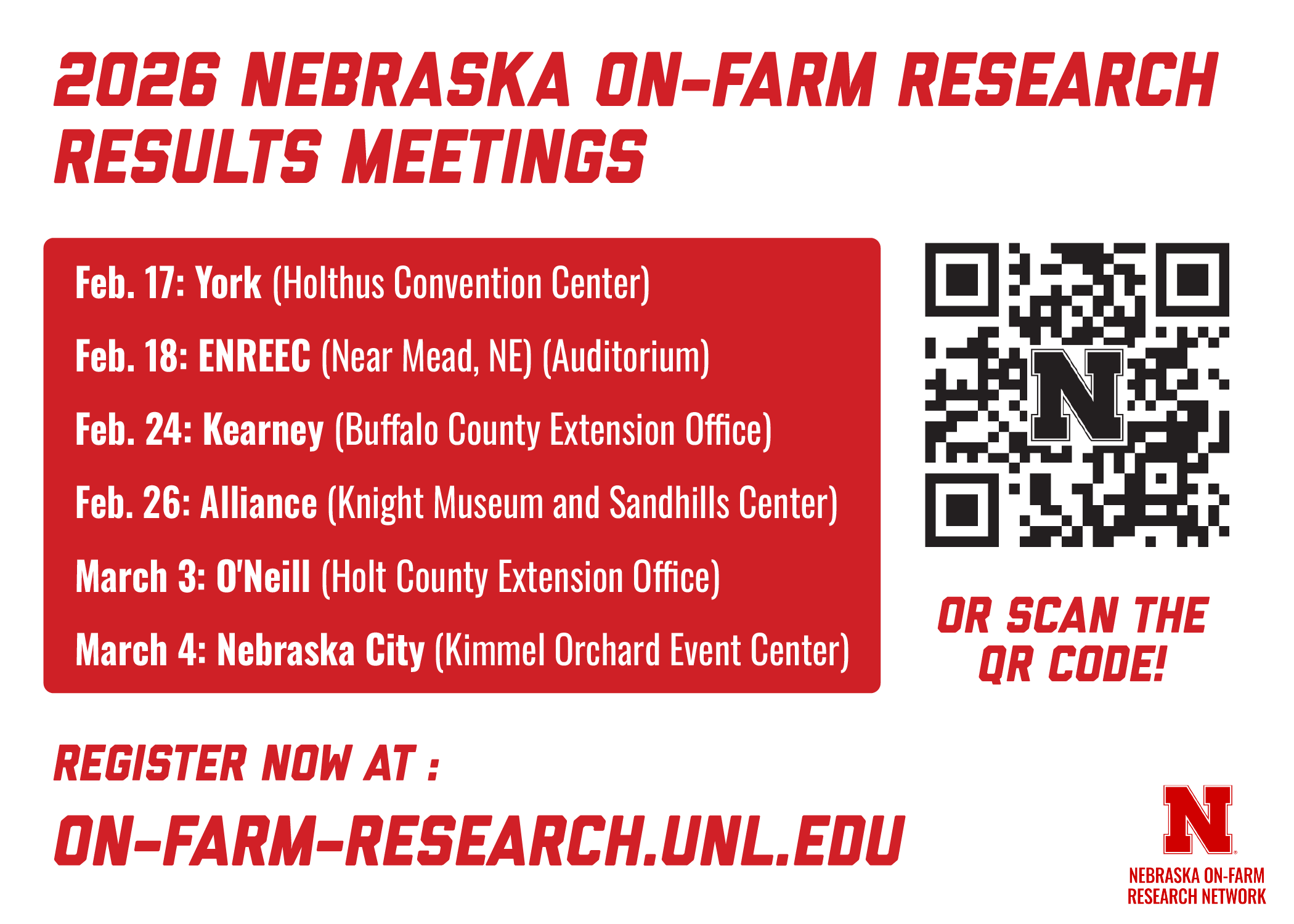
On-Farm Research Updates: There’s several on-farm research updates upcoming with the first being this Tuesday, Feb. 17th at the Holthus Convention Center followed by Feb. 18th at ENREEC near Mead. Program starts at 9 a.m. with registration at 8:30 a.m. If you’re looking to hear what other growers are trying on their farms and their results, it’s a great opportunity. More info.: https://on-farm-research.unl.edu/.
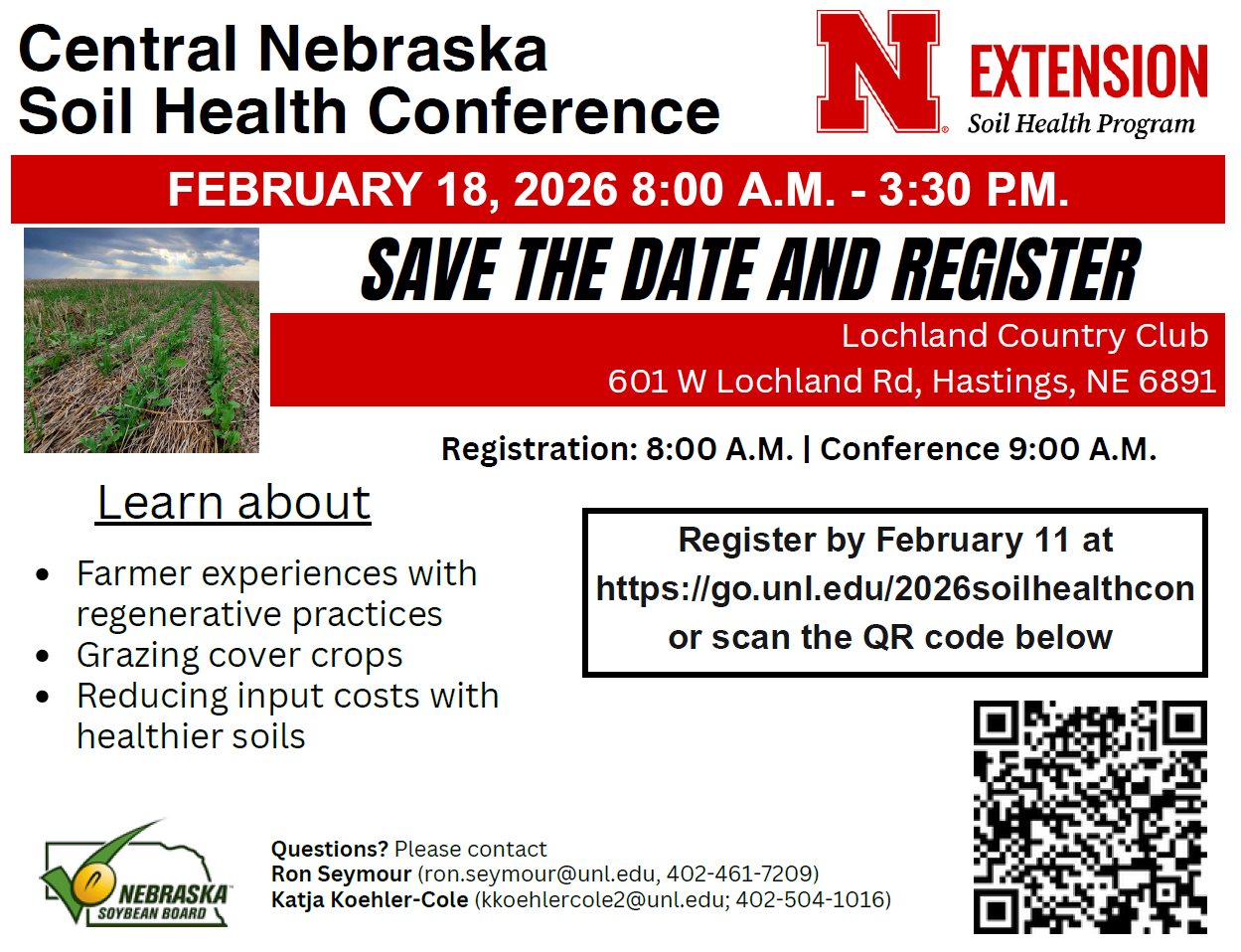
Central Nebraska Soil Health Conference will be held Feb. 18th in Hastings at the Lochland Country Club with program beginning at 9 a.m. and registration at 8 a.m. At that meeting, you will hear from some of our producers utilizing cover crops for grazing with the economics and how they are also reducing inputs in the corn the following year after that cover crop grazing year. You will also hear from growers who are reducing inputs in soybeans using soil health practices. The keynote speaker will share on biochar. More info. and RSVP: https://go.unl.edu/2026soilhealthcon.
York Co. Corn Grower Tour will be held Wed., Feb. 25. We’ll meet at the York Co. Extension Office at 9:40 a.m. First stop will be Timpte Manufacturing in David City. Lunch will be at La Carreta in Seward followed by tours at Hughes Brothers Inc. and Bottle Rocket Brewing Co., both in Seward. Please RSVP to the Extension Office at 402-362-5508 if you’re interested in attending.
Beginning a Soil Health Journey
This was the topic of last week’s Friday February conversation. $700 million has been designated by USDA for regenerative ag and soil health. USDA’s defintion: “Regenerative Agriculture is a conservation management approach that emphasizes natural resources through improved soil health, water management, and natural vitality for the productivity and prosperity of American agriculture and communities.” From the website at: https://www.nrcs.usda.gov/programs-initiatives/regenerative-pilot-program, participants work with their local NRCS office to determine a whole farm plan addressing soil, water, and nutrient concerns. A soil sample is required in the first year and last year of the program. I’m grateful there’s finally a program that helps farmers who are either beginning or more advanced. For those beginning, practices such as reduced tillage, cover crops, etc. can be implemented. Those more advanced have additional options such as soil amendments. The original application was due Jan. 15 to qualify for 2026; however, several NRCS staff have told me to contact your local NRCS to fill out an application if you’re interested.
Why does this matter? The soil is a big deal! The majority of food and feed is raised in the soil. Healthier soil can lead to healthier people and animals. There’s an increasing number of labs that are documenting the nutrition density of foods grown in conventional vs. regen/organic systems. As I continue to learn results from these labs, it’s sad to hear how much we’ve lost in food nutrition. It’s also important for us to steward the resources we’ve been given well.
The following are a few thoughts shared by the farmers from the conversation. The greatest obstacle to overcome is one’s mindset…all the reasons we tell ourselves that we can’t change in addition to the social implications (family and friends) of doing something differently. We are only given so much time and so many seasons to farm. If you’re thinking about any change, try it now!
Advice to begin: Focus on one or two fields and continue the practices (reduced tillage or cover crops) on them for several years. It takes at least three years to see changes based on their experiences and our on-farm research studies. Planting cover crops on this or that field without consistency each year leads to frustration as one may not see improvements over time.
- Cereal rye before soybeans is the easiest way to start. Before corn, we’d recommend planting winter wheat or winter barley in the fall or spring oats.
- Either plant your crop into dead brown covers or green growing ones; don’t plant into the in-between stage. If terminating pre-plant, use clethodim to allow more structure to the covers and follow label restrictions before planting corn.
- Money savings can occur through reduced herbicide, fungicide, and seed treatment costs. Also through reduced irrigation if reducing tillage, which improves soil structure.
- Challenges are markets for alternative crops or to be paid for raising crops with less inputs.
- Challenges are also economics. Choosing to continue using the same amount of inputs with reduced tillage and covers makes the economics challenging. Personally, I see how growers on this journey could reduce inputs more; however fear is a factor in addition to advisors uncomfortable with recommending less.
- Peer support is key. You don’t have to do this alone! If you’re interested in being connected to others, please reach out to me (jrees2@unl.edu). Another resource working to establish producer groups is the Nebraska Soil Health Coalition: https://www.nesoilhealth.org/. This Friday’s conversation (Feb. 13) is on nutrient balance from 10-Noon at the 4-H Bldg in York. The Central Nebraska Soil Health Conference is Feb. 18th at the Lochland Country Club in Hastings beginning at 9 a.m. (Reg. at 8 a.m.), RSVP: https://go.unl.edu/2026soilhealthcon.
February 2026 Events
Fridays in February are conversations held each Friday in February from 10 a.m.-Noon at the 4-H Building in York. Farmers and ag industry professionals share their experiences around various topics. I ask a few people to lead the conversation and the discussion ensues from there. These are very informal and they’ve spurred increasing changes to producer operations. Topics this year are focused on economics. Walk-ins are welcome, but RSVP is preferred to 402-362-5508 to ensure enough handouts for the discussions.
Fri. Feb. 6: Beginning Steps using Regen Ag Practices for Soil Health. With the $700M designated for soil health practices, this conversation will focus on practical steps to begin one’s soil health journey. Hear from farmers about the challenges, successes, and their recommendations regarding beginning one’s soil health journey.
Fri. Feb. 13: Understanding Nutrient Balance. For years, the focus has been on Nitrogen, Phosphorus and Potassium in ag, but too much of these nutrients create imbalances with other nutrients in the soil and plants. There’s an increasing number of ag professionals sharing how too much N contributes to increased disease and insects in the system due to plants lacking in availability of other critical nutrients. Hear from a few farmers and ag industry professionals about what nutrient balance looks like to them and how they go about it in fields.
Fri. Feb. 20: Producer Updates: Crops, Cows, Compost. This session is an update of last year’s conversations. Hear from the producers who made changes in their operations as a result of the conversations and the economics of these changes in their system. Some changes include: adding alternative crops in rotation, converting crop ground to annual forages for grazing, and using compost extracts on fields.
Fri. Feb. 27: Strengthening Nebraska’s Ag Economy. These conversations will share research-proven ways to reduce input costs without impacting yields. Information will be shared by producers and Extension educators who studied these topics via on-farm research. Come learn ways to reduce input costs on your farm this year and try some of these ideas for yourself!
Chemigation Training for the York area will be held on Thursday, Feb. 5th at 1 p.m. in the 4-H Building at the Fairgrounds in York. There are also chemigation trainings on Feb. 19th at 1 p.m. in Davenport at the Community Center, Feb. 19th at 1:30 p.m. at the Extension Office in Grand Island.
On-Farm Research Updates will be held Feb. 17th in York at the Holthus Convention Center, Feb. 18th at ENREEC near Mead, and Feb. 24 at the Extension Office in Kearney. The program at each location begins at 9 a.m. with registration at 8:30 a.m. Hear from the producers who conducted the research to learn what they tried and the results they found. No charge, but please RSVP at: https://on-farm-research.unl.edu/.
Central Nebraska Soil Health Conference will be held on Feb. 18th at the Lochland Country Club in Hastings. The conference will run from 9 a.m. to 3:30 p.m., with registration beginning at 8 a.m. Local growers will share information on converting crop ground for grazing, regenerative ag practices in raising soybean, and a producer panel. The keynote will share on biochar in ag. No fee, registration is requested for lunch count: https://go.unl.edu/kx80.
Pesticide App Regulations Part 2
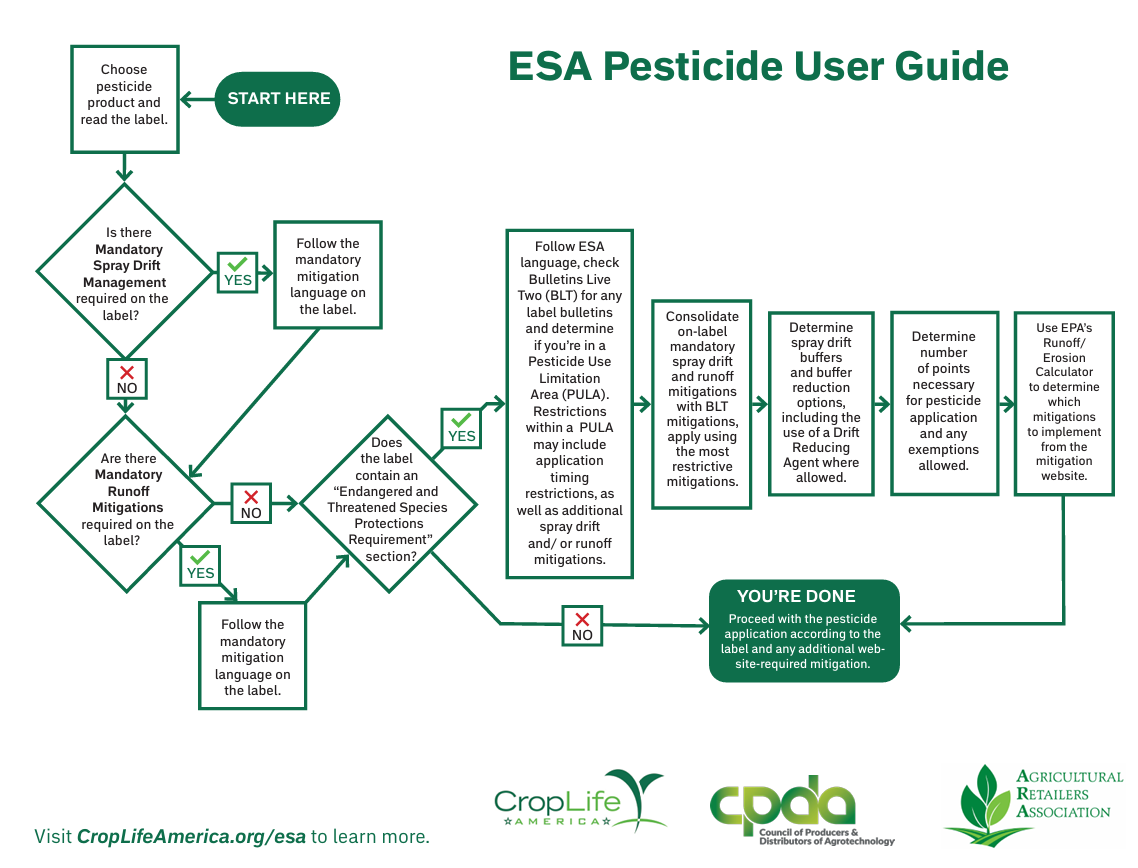
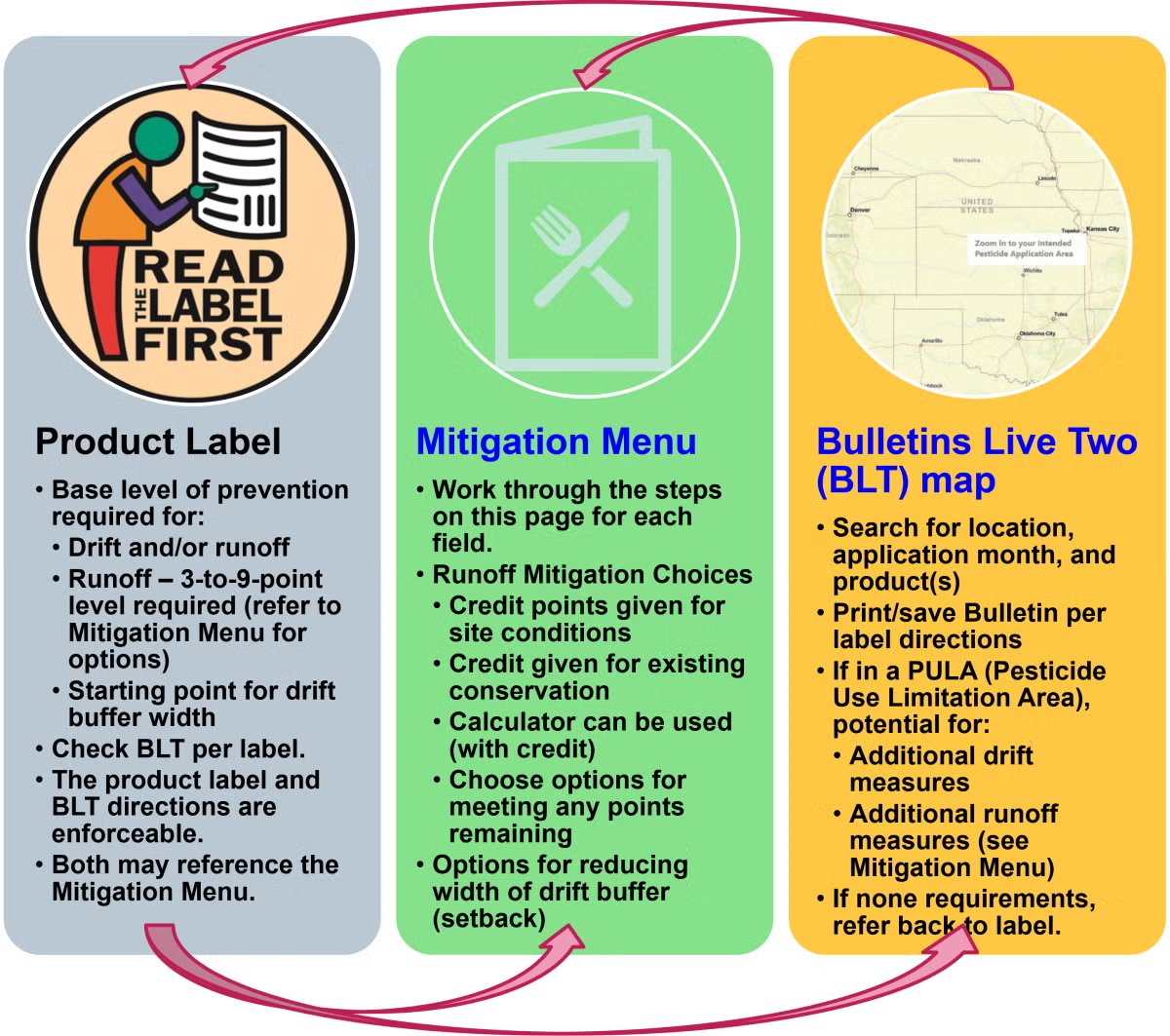
Last week I shared the background information on the Endangered Species Act (ESA) language. There’s easier to understand graphics I’ve included at jenreesources.com. The following are what growers need to do to comply with rules for 2026.
I know there’s a lot of concern about these new rules. IF compliance with ESA is needed for a specific product, the product label will state Endangered Species in bold letters (pictured below). The only way to know is to read the product label. Enlist One, Enlist Duo, and Liberty Ultra all have ESA language on them. Ultimately, if the product label says you need to comply with the Endangered Species Act, then you must go to Bulletins Live Two and print off bulletins for any field that product will be applied on in 2026. If it doesn’t specify ESA, then you don’t need to do this step.
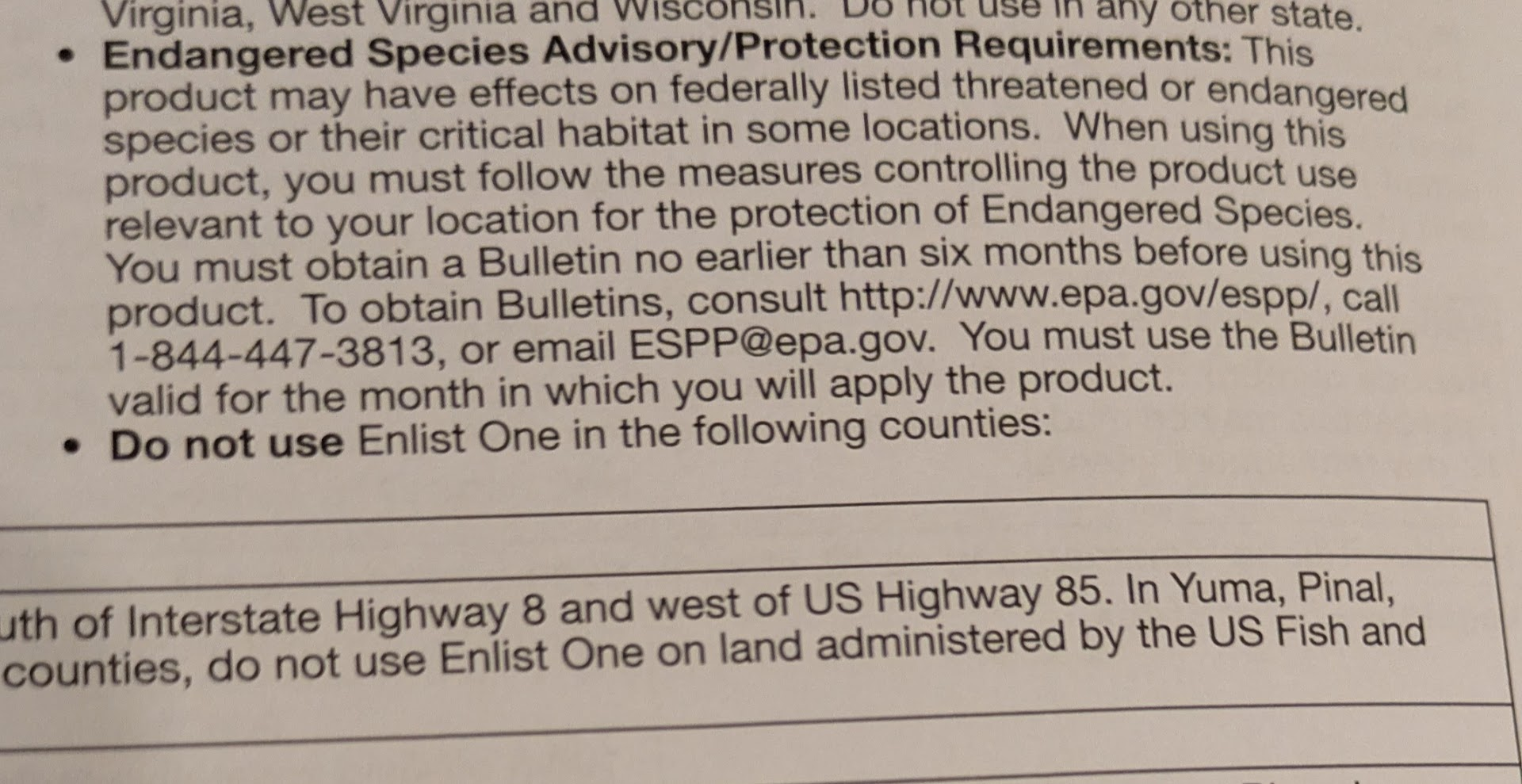
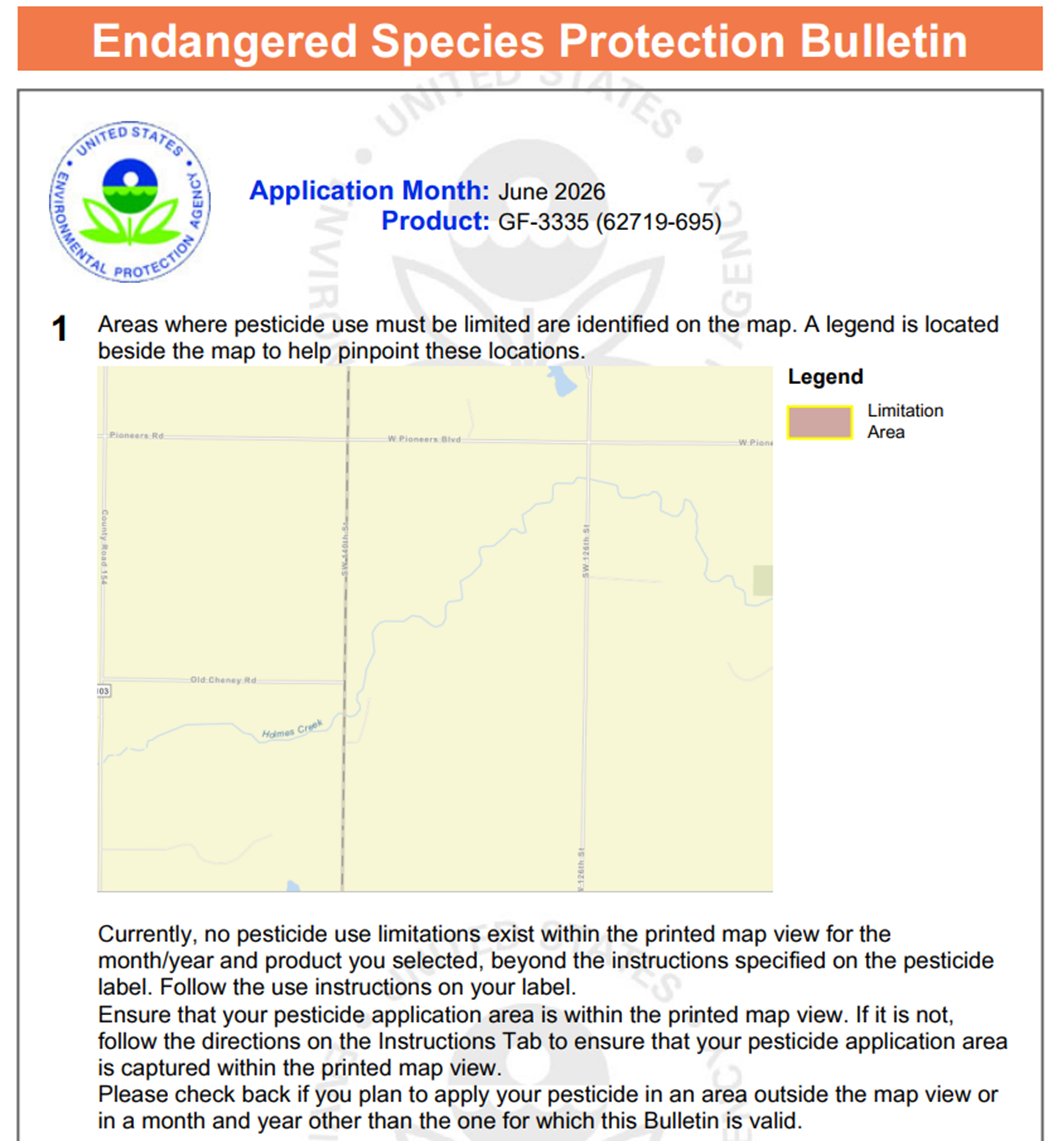
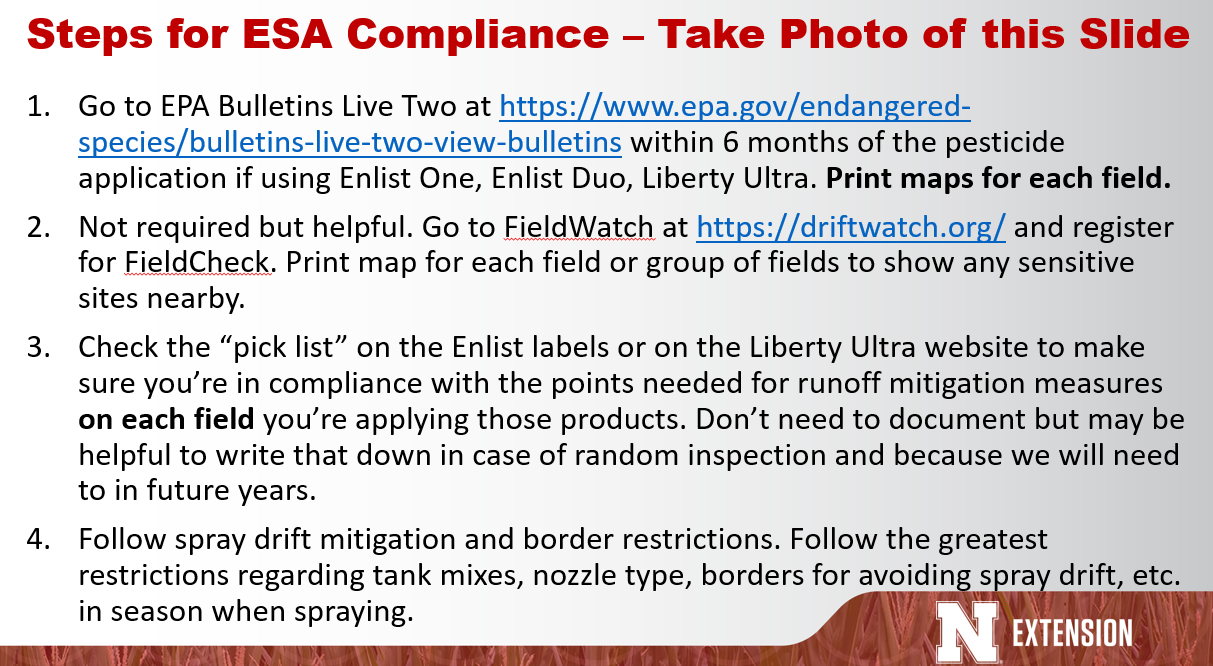
1-Go to EPA Bulletins Live Two at https://www.epa.gov/endangered-species/bulletins-live-two-view-bulletins within 6 months of the pesticide application if using Enlist One, Enlist Duo, Liberty Ultra or any product that specifies ESA language. When you get to the website, use the map or search feature to zoom in to your fields. Add the EPA registration number for the product you will be applying. It will then select the product. Select the month when the product will be applied. It will then show you a map of any Pesticide Use Limitation Area (PULA). If any exist, you must follow the specified restrictions. The map can then be downloaded and printed. Keep the map with your pesticide records. You need to print maps for each field you are using these products on. If you are applying these products in different months on the same field (ex. May and June), the bulletin needs to be printed for each of those months and kept with your records.
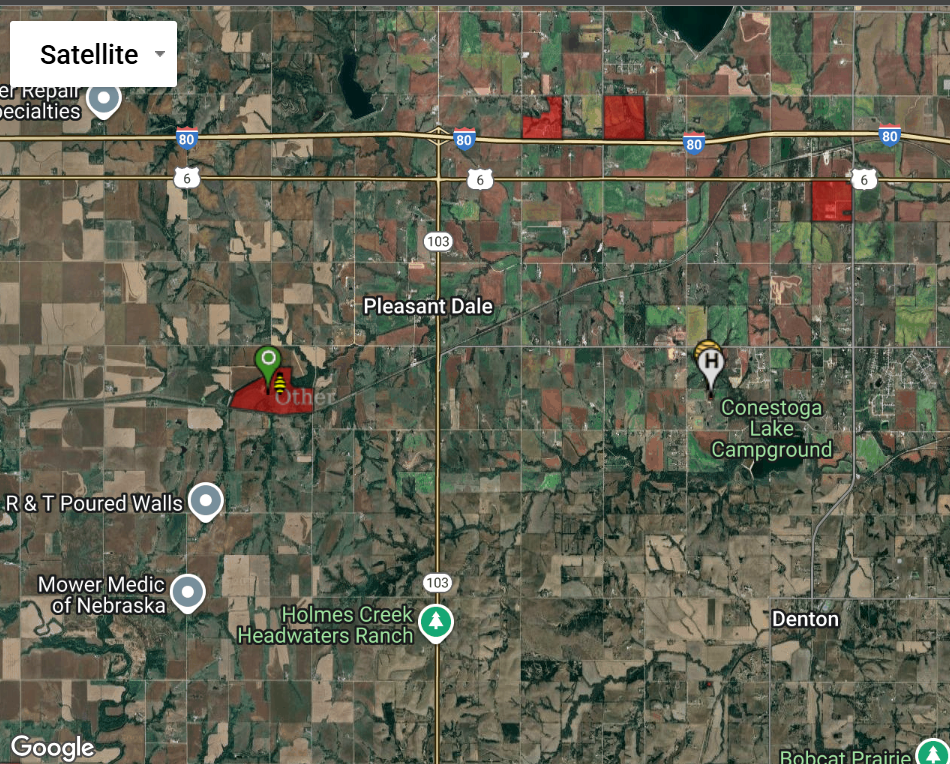
2-This step is not required. However, I’m unsure how we all comply with the sensitive site restrictions and buffers if we don’t do this step. Go to FieldWatch at https://driftwatch.org/ and register for FieldCheck if you’re not already registered. This is the old DriftWatch site where we as pesticide applicators can view any sensitive sites around our fields to avoid off-target movement to sensitive crops. You can select this field by field or if you have several fields in an area, you can draw an area on the map that encompasses all the fields. That’s what I did and then I’m going to label the fields on the map I printed. It provides a time stamp of when you check this site, so I’m just printing it and keeping it with our pesticide records.
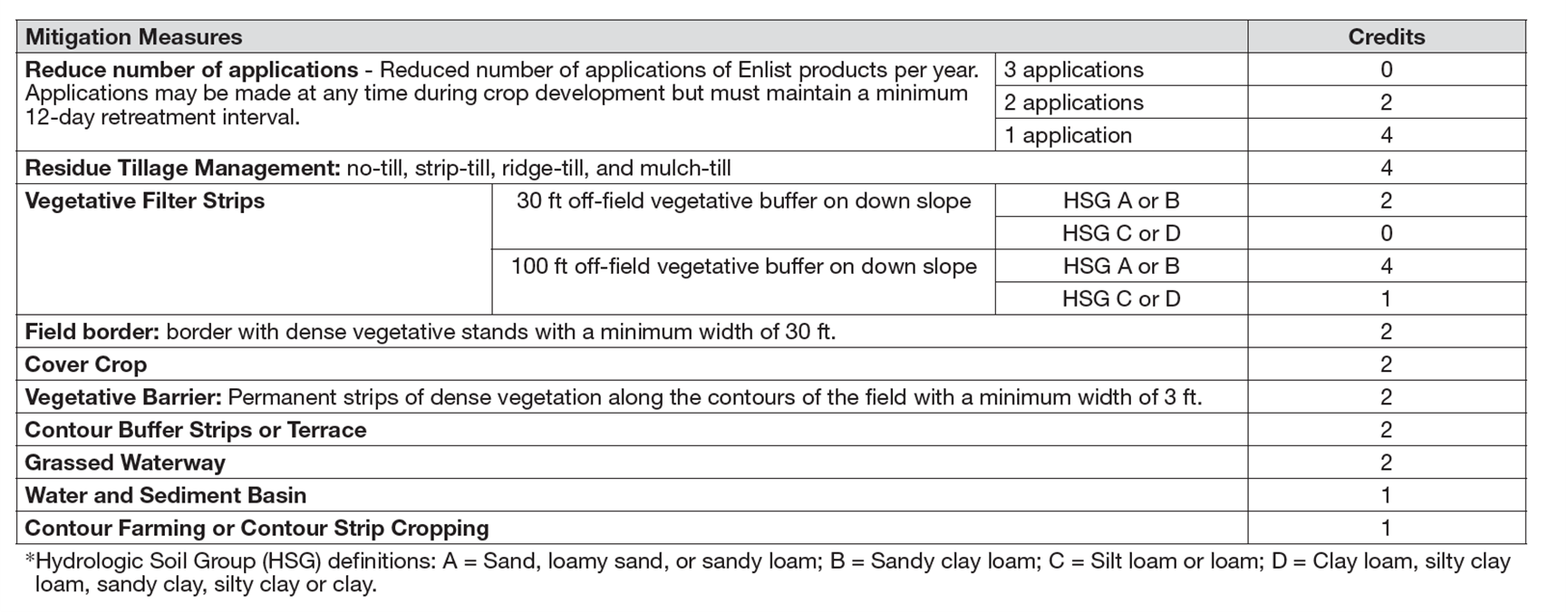
3-Check the “pick list” on the Enlist labels or on the Liberty Ultra website to make sure you’re in compliance with the points needed for runoff mitigation measures on each field you’re applying those products. You don’t need to document this for 2026, but I’d encourage us to write these down in our records as we will need to document this in future years. The number of points required and the mitigation measures from which to choose will vary depending on the specific label, so you must read the labels.
4-Spray drift mitigation and border restrictions also need to be followed. Follow the greatest restrictions regarding tank mixes, nozzle type, borders for avoiding spray drift, etc. in season when spraying.
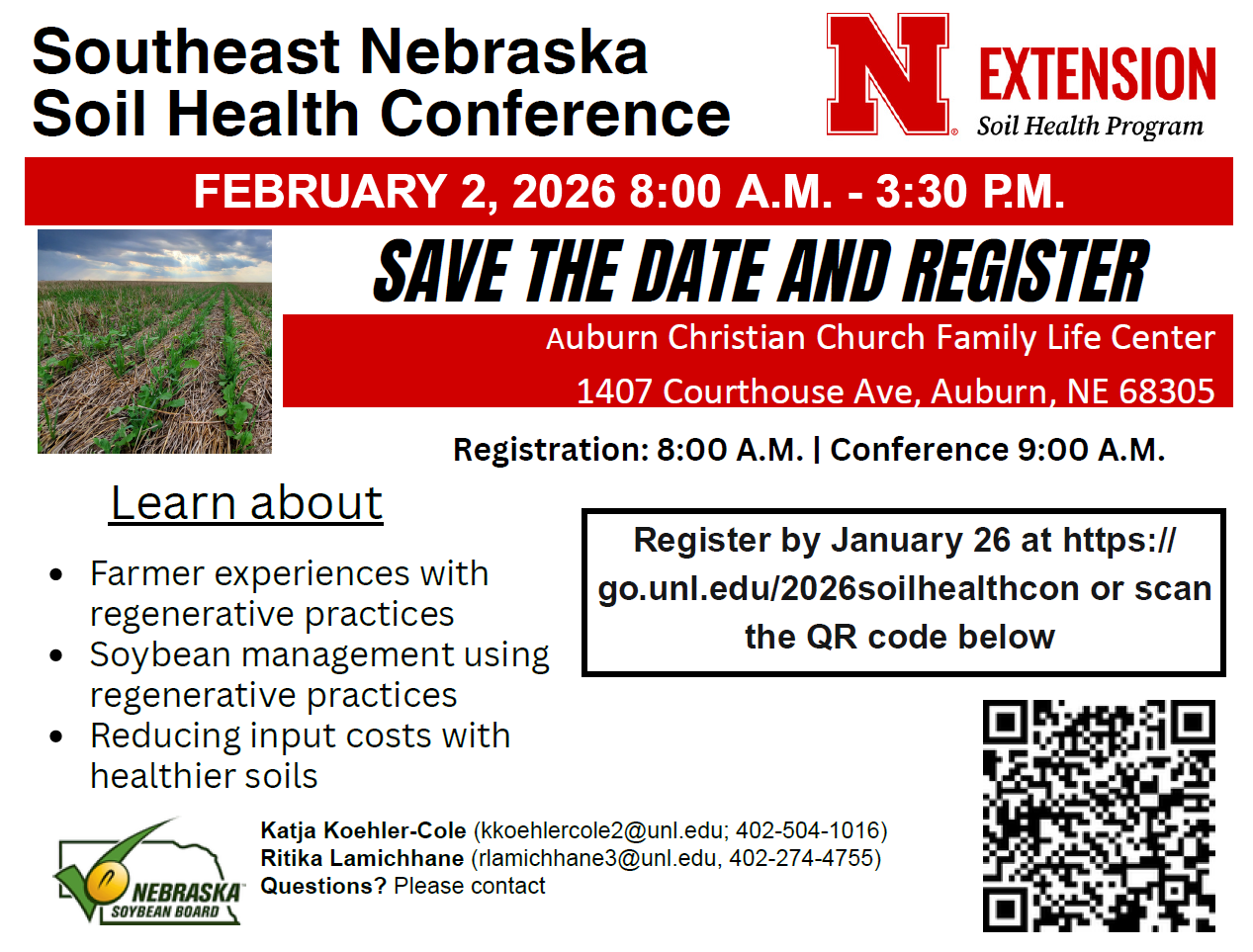
Upcoming Meetings: A quick note of upcoming meetings including the Nebraska Corn Clinic in Aurora on Jan. 28, Eastern NE Soil Health Conference in Auburn on Feb. 2, and my first Friday in February conversation on “Beginning your soil health journey” on Feb. 6th in York. Flyers are below or can be found at https://jenreesources.com/upcoming-events/.


 JenResources