Author Archives: JenBrhel
Connecting with Extension to Enhance the Land Grant Mission
My thoughts on the importance of connecting with Teaching and Research to ensure Extension’s and the Land Grant Institution’s future success, relevancy, and existence.

I had the opportunity to provide a seminar to the UNL Agronomy and Horticulture  Department last week which was truly an honor. As I thought about what to present, I kept thinking about the future of Extension and two major challenges I see Extension facing in the next 100 years…actually now.
Challenge of losing our research base.
Challenge of sharing our unbiased, research-based information in the places where customers are receiving information.
I continue to think about Extension’s Mission: We provide unbiased, research-based information to the people to ultimately improve their lives.
My thoughts kept centering around the fact that in order for me to achieve Extension’s Mission, I need to be more connected with the people on campus and research stations. I need to know about their research to share with our customers. For us to be the best Land Grant University System we can be in…
View original post 336 more words

10 Life Tips from Future Ag Leaders
This was a great conference to attend and present at! Great open, honest, thought-provoking discussions about agricultural issues while learning about different issues other States are facing. A summary of the final thoughts from the conference are presented by Dr. Lindsay Chichester, UNL Extension in the following blog post.

I spent three days this week with at the AgriFutures Conference, held in Kearney, Nebraska. Myself, along with persons from the Wyoming Department of Ag and the Nebraska College of Technical Agriculture (NCTA) had been planning this event for several months. In attendance were college students, producers, and industry representatives from Nebraska, Wyoming, Colorado, Utah, New Mexico, Kansas, and Canada! We had some great speakers and networking opportunities.
Before we adjourned on the last day we went around the room and shared “take away messages” from our time together. I think that many of the take away messages from the conference apply not only to agriculture, but to life in general.
The list I am sharing with you today is one generated by these agriculture enthusiasts and leaders – the people who grow and raise the food we all eat. And boy let me tell you, they are excited…
View original post 65 more words
Bothersome Boxelder Bugs
It’s the time of year for boxelder bugs! Great information from Elizabeth Killinger, UNL Extension Educator in the following post.

 Boxelder bugs gathered together on a home’s foundation.
Daylight Savings time is ending and it is time to ‘fall back’ once again. Fall brings about cooler temperatures, changing leaves, and boxelder bugs by the millions. Find out what you can do to help keep these pests from invading your home.
Depending on where you grew up, the boxelder bug can have many names. Some of the more common ones include; maple bug, democrat bug, populist bug, and politician bug. Regardless of what you call them, they are annoying to say the least. The boxelder bug gets one of its common names from its primary host plant, the female boxelder tree. They can also be found on ash, and maple, and occasionally feeding on strawberries, grasses and other plants. The adults are ½ inch long red with black coloration under their wings. This time of the year they begin to cover…
View original post 415 more words
Public Issues Leadership Development Experience
As President-elect of the Nebraska Agricultural Agents Association, I had the opportunity to participate in the Public Issues Leadership Development (PILD) Conference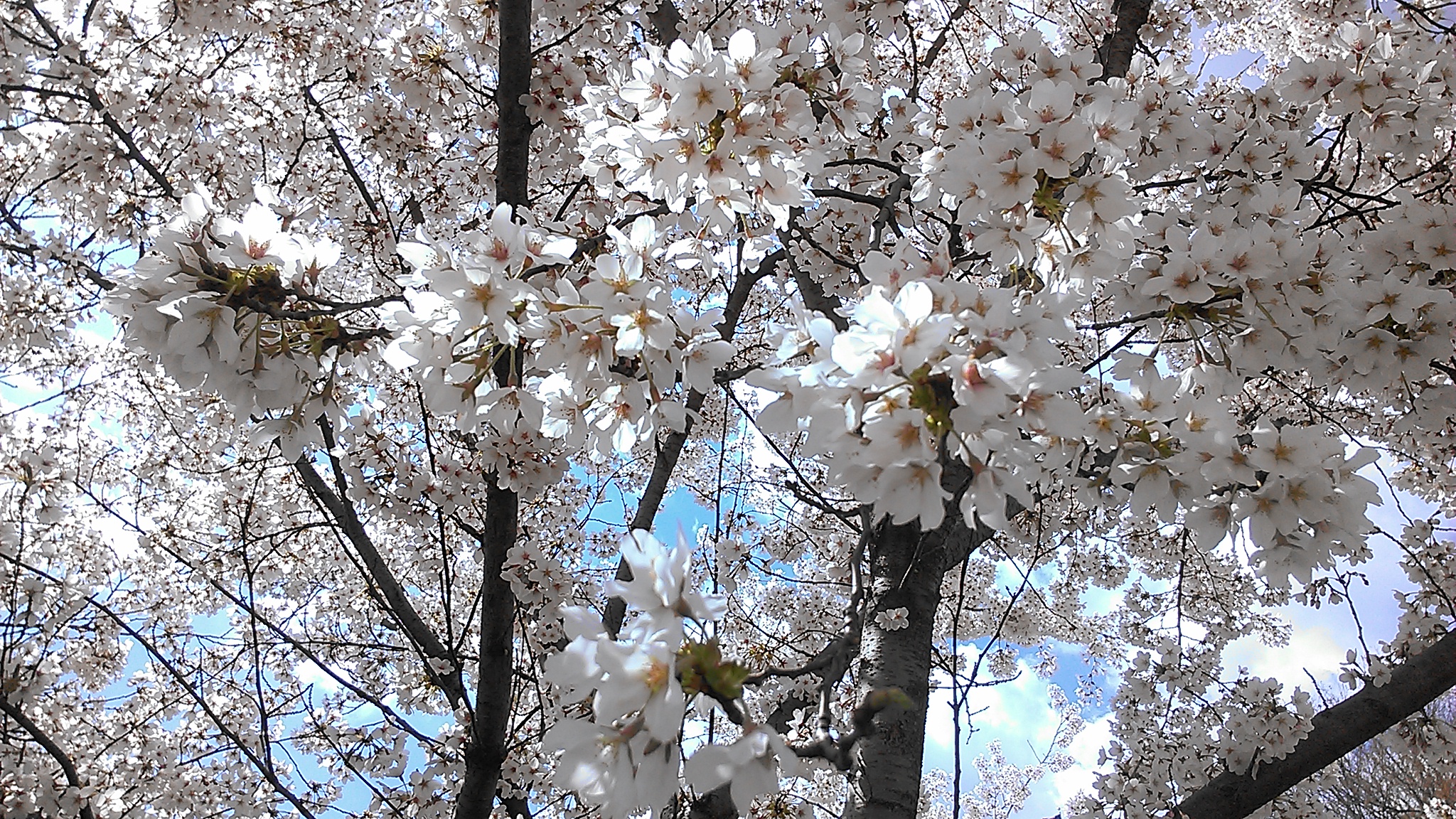 in April of 2014. The goal of PILD is professional development and public issues education. I never had the opportunity to visit D.C. that time of year before and the cherry blossoms were just opening when the group of us from Nebraska arrived. By the time we left they were in full bloom-just beautiful with an amazing fragrance! Our delegation was Monte Stauffer (representing 4-H), Patricia Jones (representing Food/Nutrition), Diane Vigna (representing community development), and myself along with our Dean and Director Dr. Chuck Hibberd.
For me, these conferences are about networking and people and I truly enjoyed seeing my Ag Extension colleagues from across the U.S. The conference was very much focused on celebrating 100 years of Cooperative Extension and the challenges/opportunities Extension faces in the next 100 years.
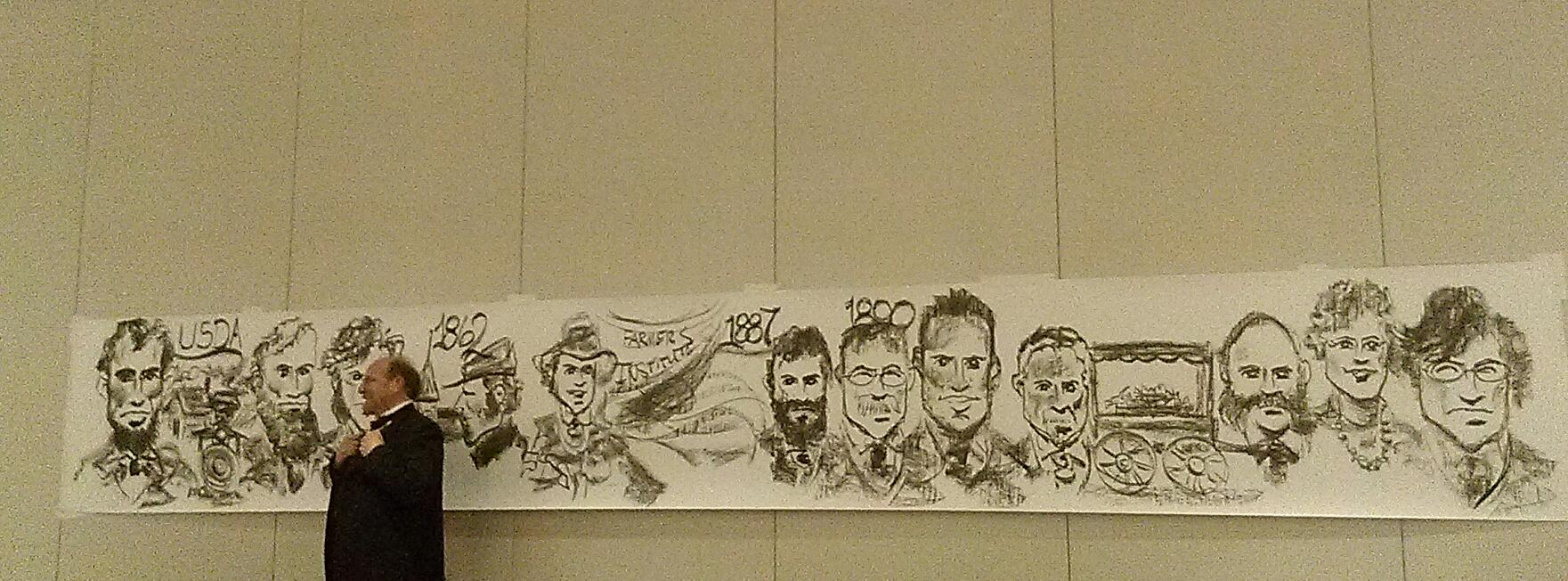
Presentation on the History of Cooperative Extension by a North Dakota State University alum where he does charcoal drawings as he speaks. I had seen this at an NACAA conference in the past; he is so talented!
Sessions included discussing how to determine public value of what we do and the debate continues to be how do we extrapolate information and who gets the credit. I think Nebraska is on track with much of what we do in this area as we’ve had many similar discussions here. There were also discussions about the relevance of Extension and the need to share information several ways; again, I think we have people in Nebraska leading the way in this effort. But it is critically important for ALL of Extension to be repackaging our information several ways to reach our customers where they view information.
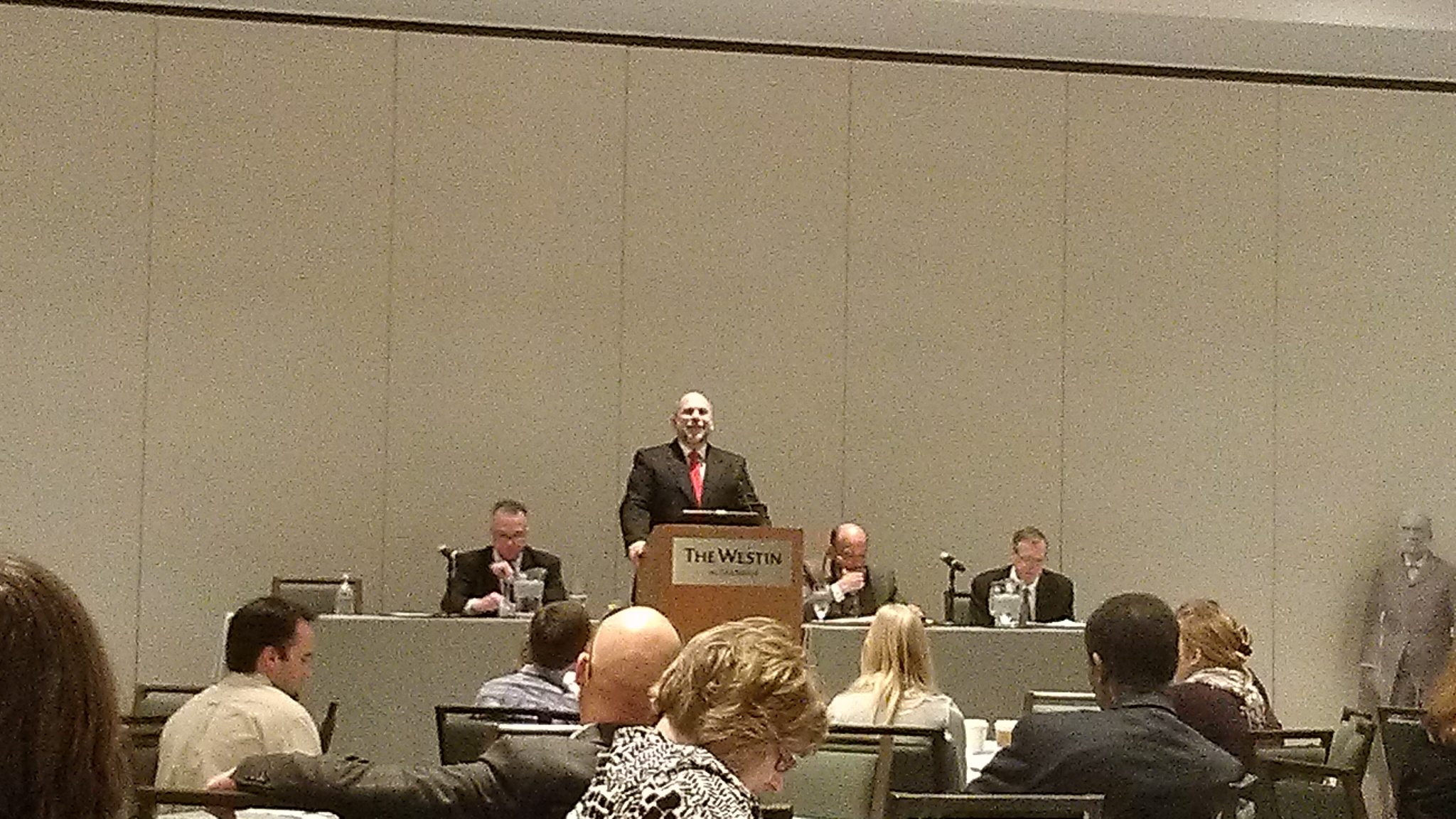
John Wilson presented on the Missouri River Flood in a panel discussion regarding controversial issues in Cooperative Extension. He did a great job as always! Additional controversial issues included fracking and the oil boom in other states.
We had the opportunity to interact with National Institute of Food and Agriculture program leaders to express the critical needs for the people we serve in hopes of influencing where research and extension initiatives should be focused in future grant releases. We also spent a large portion of time discussing different bills of importance to all of our States and determining the key messages we wished to share on the Hill with our Congressmen and Senators.

Wednesday was the highlight for me. On Wednesday, each State visits their Congressmen and Senators on the Hill. The Ag Section rep typically sets up the visits, so I was thankful for my experiences in organizing CWF trips! We began the morning at the Nebraska Breakfast and had the opportunity to visit with Senator Fischer immediately afterward. We had the amazing opportunity to meet with all of our representatives and/or their staffers that day: Congressman Smith, Senator Johanns, and then Monte and I split up so he visited Congressman Terry’s Office while I visited Congressman Fortenberry’s Office. In between we also had a Capitol tour and visited the Senate Gallery as Monte and Pat had never experienced that before. It was a wonderful day with great visits sharing the great things Extension has done and continues to do for the people of Nebraska! Our Senators and Congressmen also supported the Smith-Lever bill for recognizing 100 years of Cooperative Extension, so we were happy about that!

Lincoln Memorial during night tour of memorials and monuments the first evening-always neat to see.

We had an amazing seafood supper during one of the evenings with Dr. Hibberd who graciously paid for our meals.
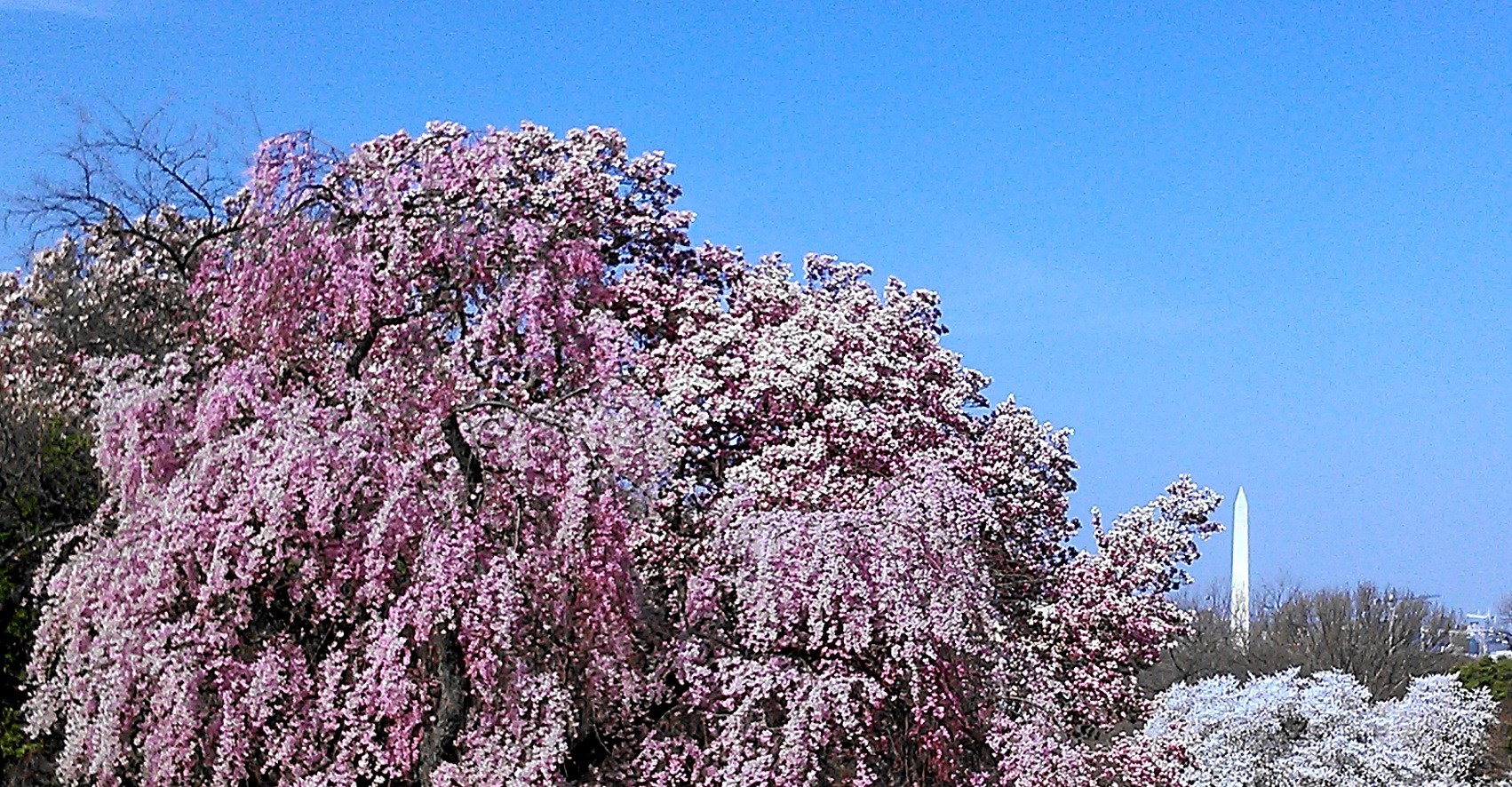
It was an honor to represent the Nebraska Ag Agents at the 2014 PILD Conference and I thank our Ag Section and Dr. Hibberd for paying my expenses for this trip! This photo is of cherry blossoms with the Washington Monument in the background.
Don’t Forget the Fruit
 Apple tree. Photo courtesy ext100.wsu.edu
You know the saying; the apple doesn’t fall far from the tree. Even though apple and other fall fruit harvest is nearing its end, that doesn’t mean that the work is over. Fall sanitation is a key part of fruit management. A little extra work now could ensure a successful growing season next year.
Make sure your fruit trees are ready for the winter to come. Start by making sure that your tree goes into winter with an adequate amount of moisture. The recommendation for trees is to have about 1” of supplemental water per week. This is about enough water to get the top 8” of the soil moist. Fruit trees do not require much fertilization, especially in the fall. As long as the fruit tree is planted in a healthy soil, it will not require fertilization. In the fall we want trees to…
View original post 525 more words
Farmers & Ranchers College 2014-15 Programming Year

The Farmers & Ranchers College was formed in January, 2000 with the purpose of providing high quality, dynamic, up to date educational workshops for area agricultural producers in south central Nebraska  through a collaborative effort between business, industry and higher education leaders. Furthermore, the Farmers & Ranchers College will provide the tools necessary so that agricultural producers will be able to respond positively to these changes using a profitable decision making process.
The Farmers and Ranchers College is a unique opportunity to educate agricultural producers in south central Nebraska. Approximately three hundred producers from fourteen counties and three states participated in the 2013-2014 Farmers & Ranchers College programs. Producers attending these workshops managed over 184,000 acres. Participants (21%) surveyed indicated an average of $11.00/acre of knowledge gained from participating for a potential impact of $2 million.
The thirteenth annual Partners in Progress- Beef Seminar featured a variety of industry…
View original post 266 more words
“Worm” Invasion (Millipedes)
It’s the time of year for milipedes (locals call them wireworms but they are not true wireworms) to migrate into homes and garages! Brandy VanDeWalle, Extension Educator, shares more information in this post.
During this time of year I receive calls about worm-like, dark brown to black creatures that are invading people’s houses or garages. Most likely these are millipedes. Millipedes are not harmful in the yard, but can be a nuisance with the first spell of cool temperatures in fall. Millipedes will  invade houses (sometimes in large numbers) to find warmth on concrete in and around garages and houses. At times, millipedes can become so abundant; they may constitute a “millipede invasion” entering homes and other buildings. Once they reach indoors, millipedes will die – no sprays are necessary.
Millipedes (sometimes called “wireworms” which are the larval stage of a beetle that feeds on plants in farm fields) have two pairs of legs per body segment. They are usually brown to black in color with an elongated body that is round. Millipedes have no poison claws or legs. Once disturbed, they usually…
View original post 212 more words

Dumping Discover
Dr. Lindsay Chichester’s latest post. Please know what you’re really supporting (check out her reference links) when you use your HSUS Discover Card.
Dear Discover Card,
I was shocked and saddened to hear that you had entered into a relationship with the HSUS (Humane Society of the United States) after six years together. I even called one of your customer service reps hoping they would tell me you had revoked your new relationship status (or at least change it to “it’s complicated”). The HSUS promotes itself as an animal cruelty prevention organization, and unfortunately many people donate to them believing they are helping animals in need. In actuality, in 2011 HSUS spent LESS than 1% to help shelter animals in need! If people made donations to their local animal shelters, the donations would be way more effective and helpful.
Discover Card, you should also be aware that the American Farm Bureau reports that approximately 97% of all farms and ranches in the U.S. are family owned, not factory farms as is suggested…
View original post 255 more words
Soybean Stem Borer

Are you noticing holes in your soybean stems? Holes where the petiole meets the main stem are the entry point where soybean stem borer (also known as Dectes stem borer) larvae tunnel into the main soybean stem. Originally eggs are laid in soybean leaf petioles in the upper canopy. The eggs hatch into larvae which burrow down the petiole then into the main soybean stem. Notice the soybean stem borer infected stem in the middle while the soybean stem to the right has a a non-infested area where the petiole dropped (it is naturally sealed over by the plant). Count how many plants out of 20 have this symptom to get an idea of percent infestation and repeat in several areas of the field. Fields with 50% or more infestation need to be harvested first and perhaps earlier to avoid lodging and yield loss associated with lodging.

Lodged soybeans can be another key for checking for stem borer around harvest time. Notice the stem in the middle of the photo that is lodged (fallen over instead of standing in the row).

Following the stem to the base, the stem easily breaks away from the plant. The stem itself will appear solid. The base of the plant where it breaks is also often sealed off. The stem borer will seal itself inside the base of the stem. In this case, there’s a small portion that hasn’t been sealed off yet.

Gently pulling apart the base of the stem reveals the soybean stem borer larva. The larva will spend the winter and eventually pupate here. Adult beetles will emerge in late June and there’s only one generation per year. For more information specific to life cycle and management, please see the following NebGuide.
We Will Never Forget 9/11/01

In September 2013, I had the opportunity to visit the US Flight 93 Memorial in Pennsylvania. The Memorial is mostly a grassy field but also has a series of signs to explain the events on 9/11/2001.

This sign shares the heroic efforts of those who fought back against the terrorists on the flight that day.

May we never forget the lives lost in these terrorist attacks.
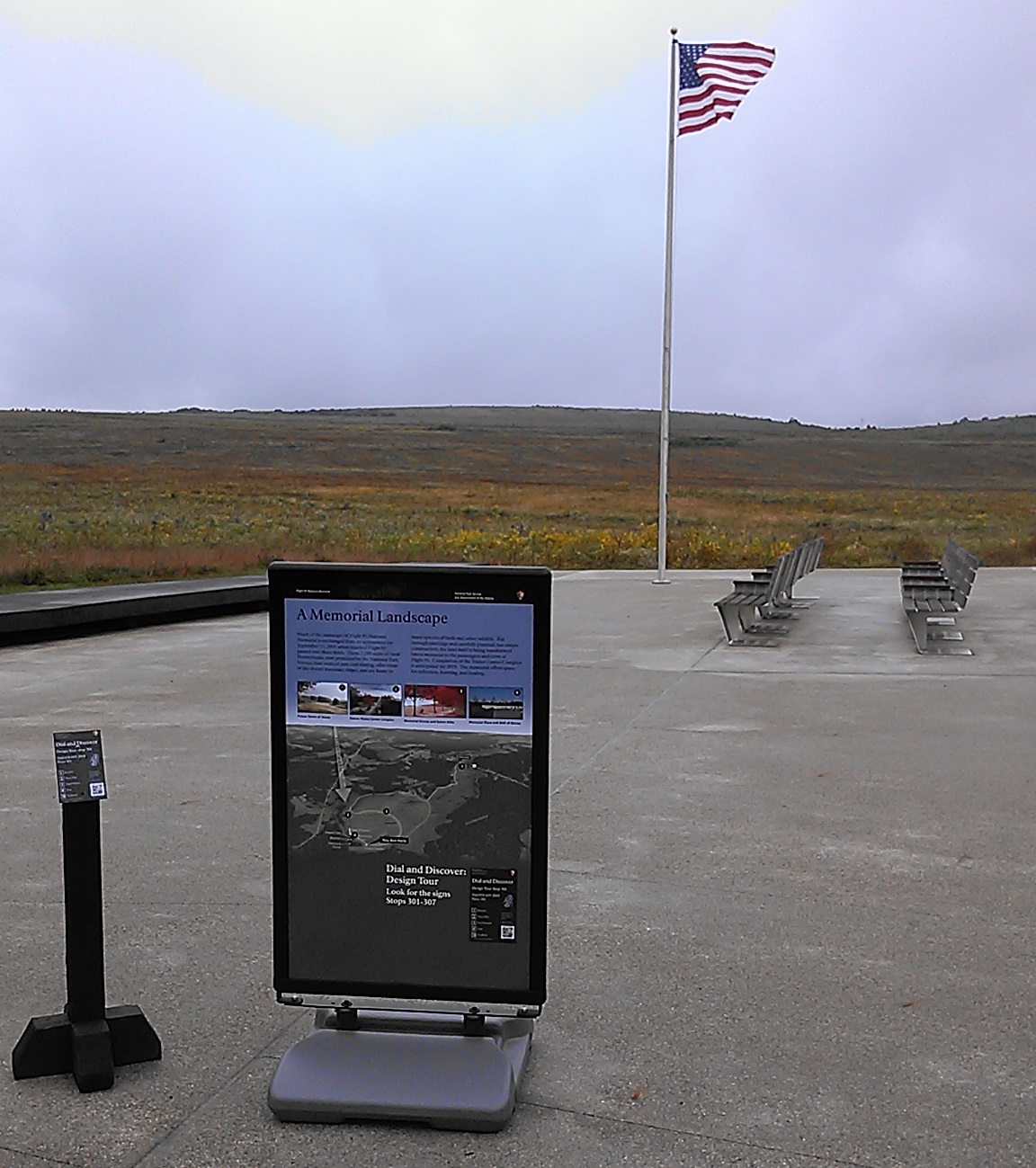
A quiet place to reflect. US 93 would have flown toward us as we view this photo on the left side of the photo.
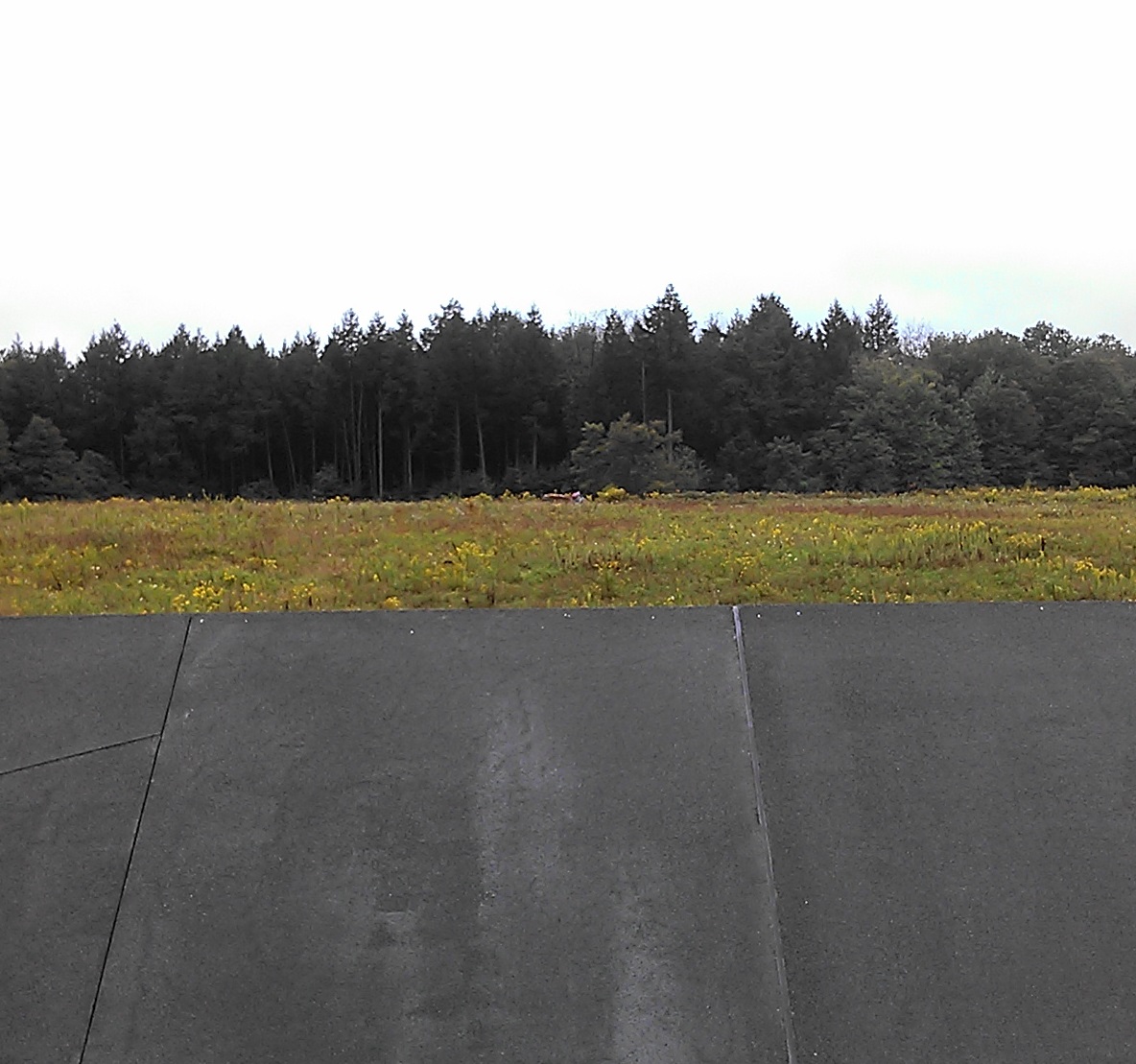
The grassy field where US Flight 93 went down. In the distance (center of photo), there is a memorial rock which marks the spot of the crash. Thirteen years later, we will never forget the innocent people, rescue workers, and all our men and women in uniform who lost their lives.


 JenResources