Category Archives: Event
Winter Meetings Week Jan. 12th
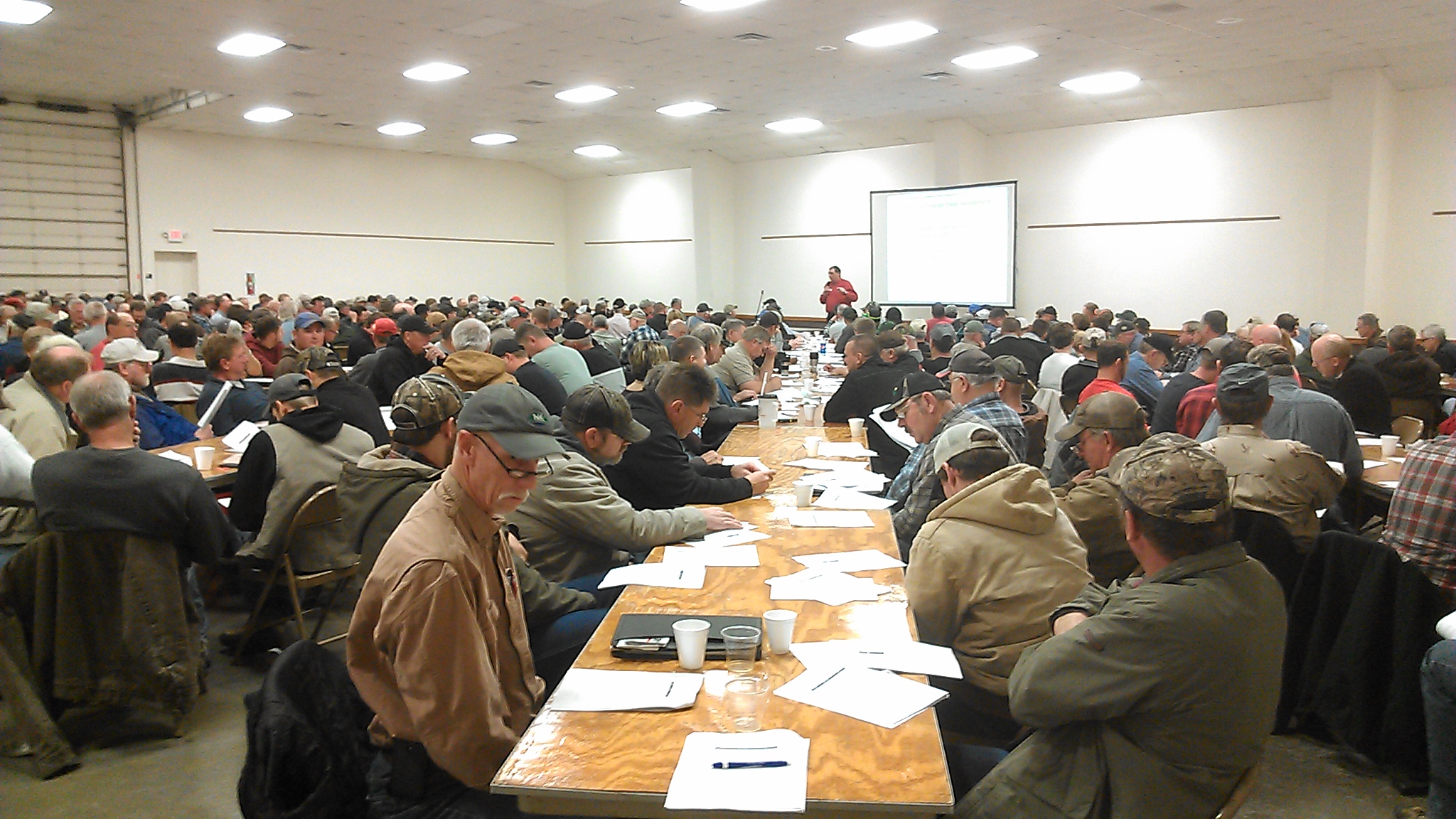
Well-attended Farm Bill informational meetings in December throughout the State.
Tis the season for winter programming! The following are a few upcoming meetings occurring this week. Winter program brochures were mailed a few weeks ago, so please check those for additional meetings. Looking forward to seeing you at upcoming meetings this winter! A reminder that if you plan to attend any of the upcoming Crop Production Clinics, that you need to register online by 3:00 p.m. the previous day of the clinic. Crop Production Clinics this week will be held in Kearney on Tuesday the 13th and at York on the 14th.
Farm & Ranch Business Succession & Estate Planning Workshops: This is a very important topic for farm families to consider! Two workshops will be held in our area; one in Blue Hill at the Community Center on January 13th and one in York at the Country Club on January 15th. The workshop will go from 9:00 a.m. to 2:30 p.m. There is no charge for the workshops, but you need to register by calling the Rural Response Hotline at 1-800-464-0258. Please register by January 10 for Blue Hill and January 12 for York.
The workshop is intended to be useful for established farm and ranch owners, for their successors, and for beginners. Topics include: the stages of succession planning, contribution & compensation, balancing the interests of on-farm and off-farm heirs; the importance of communication, setting goals, analyzing cash flow, and balancing intergenerational expectations and needs; beginning farmer loan and tax credit programs; the use of trusts, wills, life estate deeds and business entities (such as the limited liability company) in family estate and business succession planning; buy-sell agreements, asset protection, taxation (federal transfer taxes, Nebraska inheritance tax, basis adjustment), and essential estate documents. Presenters are Dave Goeller, Deputy Director, Northeast Center for Risk Management Education at UNL and Joe Hawbaker, Agricultural Law attorney from Omaha.
This workshop is made possible by the Nebraska Network for Beginning Farmers & Ranchers, the Farm and Ranch Project of Legal Aid of Nebraska, National Institute of Food and Agriculture, the Nebraska Department of Agriculture’s Farm Mediation, and the University of Nebraska Extension. More information can be found here.
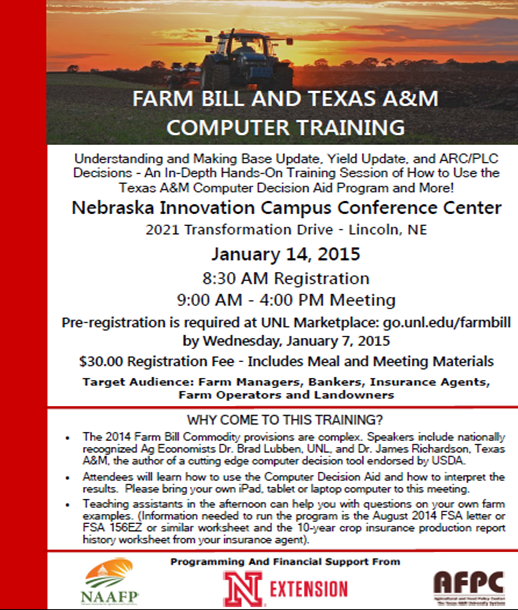
Farm Bill Education Training January 14th: For those of you that would like to learn more about the Texas A&M Agricultural Food Policy Center comprehensive Farm Bill Decision Aid computer program, a hands-on training will be held Wednesday, January 14, 2015 at the new Nebraska Innovation Campus Conference Center, 2021 Transformation Drive in Lincoln, Nebraska. Workshop presenters will be Dr. James Richardson, Ag. Economist from Texas A&M and Dr. Brad Lubben, UNL Extension Ag. Economist. Dr. Richardson is the author of new, cutting edge, computer decision tool, endorsed by USDA. Those attending will learn how to use the Texas A&M Computer Decision Aid, how to interpret the results and how managing risk is integrated into the model. Participants are encouraged to bring their own iPad, tablet or laptop computer. For information about the workshop go to: http://bit.ly/1wh96bm. Participants need to pre-register at http://go.unl.edu/farmbill. The workshop will be from 9:00 a.m. to 4:00 p.m. with morning registration and refreshments available starting at 8:15 a.m. at the new NIC auditorium. There is a $30.00 registration fee which includes the noon meal, refreshments and meeting materials. Web links to the meeting can also be purchased by contacting the Saline County Extension Office at (402) 821-2151. For additional information about the farm bill go to: http://farmbill.unl.edu.
Next Heuermann Lecture will be Jan. 13th at 7:00 p.m. at Nebraska Innovation Campus (2021 Transformation Drive in Lincoln, Nebraska) on the topic of “Genetically Modified Animals: the Facts, the Fear Mongering, and the Future”. Presenter will be: Alison Van Eenennaam, University of California – Davis, 2014 Borlaug CAST Communication Awardee. For more information, go to: http://heuermannlectures.unl.edu/. If you cannot make it to Lincoln, you can watch it live via video at the website link.
Farm Bill Computer Training
A great opportunity to determine the best decisions for your farm!!! Please click on the photo to enlarge.
Field Assessments to Improve Efficiency
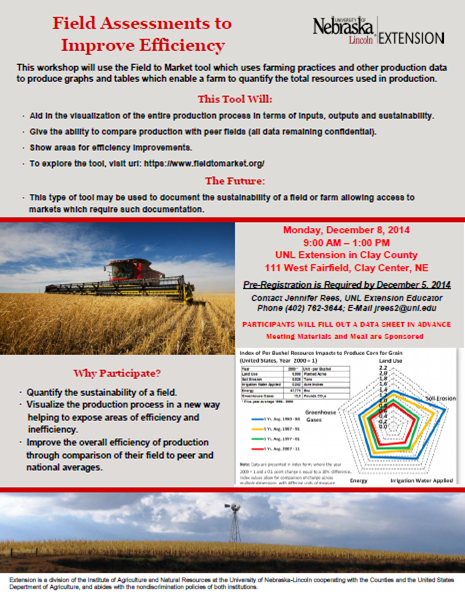
Field to Market Training: On December 8th from 9:00 a.m. to 1:00 p.m., I will be hosting a workshop at the Extension Office in Clay Center (Courthouse) for interested producers/crop consultants to learn more about a web-based tool called Field to Market (https://www.fieldtomarket.org/). Please RSVP to me at jrees2@unl.edu or (402) 762-3644 by Dec. 5th if interested. Field To Market® brings together a diverse group of grower organizations; agribusinesses; food, fiber, restaurant and retail companies; conservation groups; universities and agency partners to focus on promoting, defining and measuring the sustainability of food, fiber and fuel production. Sustainability in this effort is defined as meeting the needs of the present while improving the ability of future generations to meet their own needs by: increasing productivity to meet future food, fuel and fiber demands; improving the environment; improving human health; and improving the social and economic well-being of agricultural communities. The meetings will be hands on and producers will leave the room with their carbon & energy footprint and efficiency factor information on a field for 2014. If there is time, participants can enter records on a previous year. Using the tool, farmers evaluate how their decisions influence their sustainability outcomes; the food industry can access and share more accurate details about sustainable food and fiber production; and conservation groups understand what’s happening on the farm, while helping farmers understand questions and concerns about sustainability.

10 Life Tips from Future Ag Leaders
This was a great conference to attend and present at! Great open, honest, thought-provoking discussions about agricultural issues while learning about different issues other States are facing. A summary of the final thoughts from the conference are presented by Dr. Lindsay Chichester, UNL Extension in the following blog post.

I spent three days this week with at the AgriFutures Conference, held in Kearney, Nebraska. Myself, along with persons from the Wyoming Department of Ag and the Nebraska College of Technical Agriculture (NCTA) had been planning this event for several months. In attendance were college students, producers, and industry representatives from Nebraska, Wyoming, Colorado, Utah, New Mexico, Kansas, and Canada! We had some great speakers and networking opportunities.
Before we adjourned on the last day we went around the room and shared “take away messages” from our time together. I think that many of the take away messages from the conference apply not only to agriculture, but to life in general.
The list I am sharing with you today is one generated by these agriculture enthusiasts and leaders – the people who grow and raise the food we all eat. And boy let me tell you, they are excited…
View original post 65 more words
Public Issues Leadership Development Experience
As President-elect of the Nebraska Agricultural Agents Association, I had the opportunity to participate in the Public Issues Leadership Development (PILD) Conference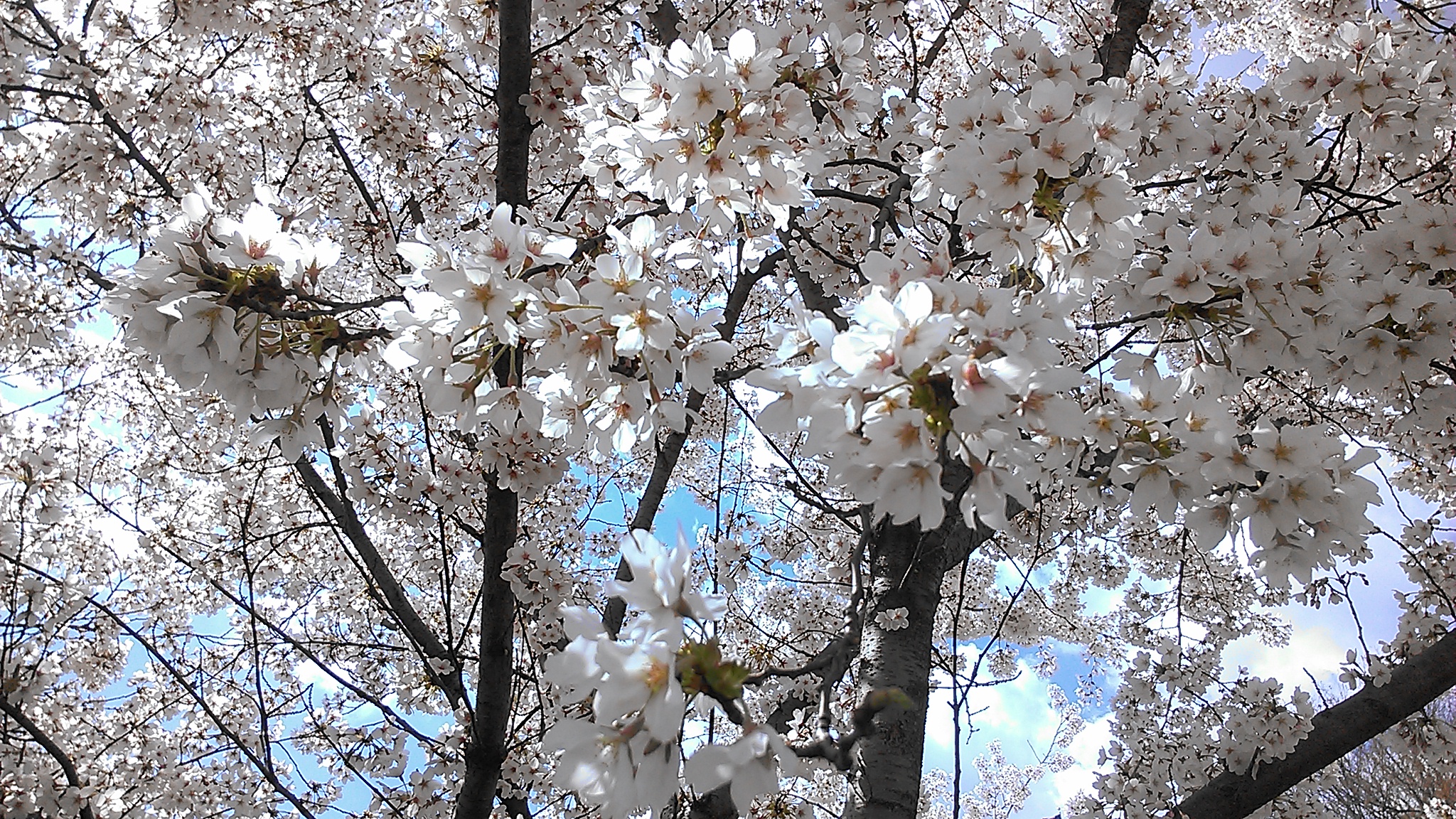 in April of 2014. The goal of PILD is professional development and public issues education. I never had the opportunity to visit D.C. that time of year before and the cherry blossoms were just opening when the group of us from Nebraska arrived. By the time we left they were in full bloom-just beautiful with an amazing fragrance! Our delegation was Monte Stauffer (representing 4-H), Patricia Jones (representing Food/Nutrition), Diane Vigna (representing community development), and myself along with our Dean and Director Dr. Chuck Hibberd.
For me, these conferences are about networking and people and I truly enjoyed seeing my Ag Extension colleagues from across the U.S. The conference was very much focused on celebrating 100 years of Cooperative Extension and the challenges/opportunities Extension faces in the next 100 years.
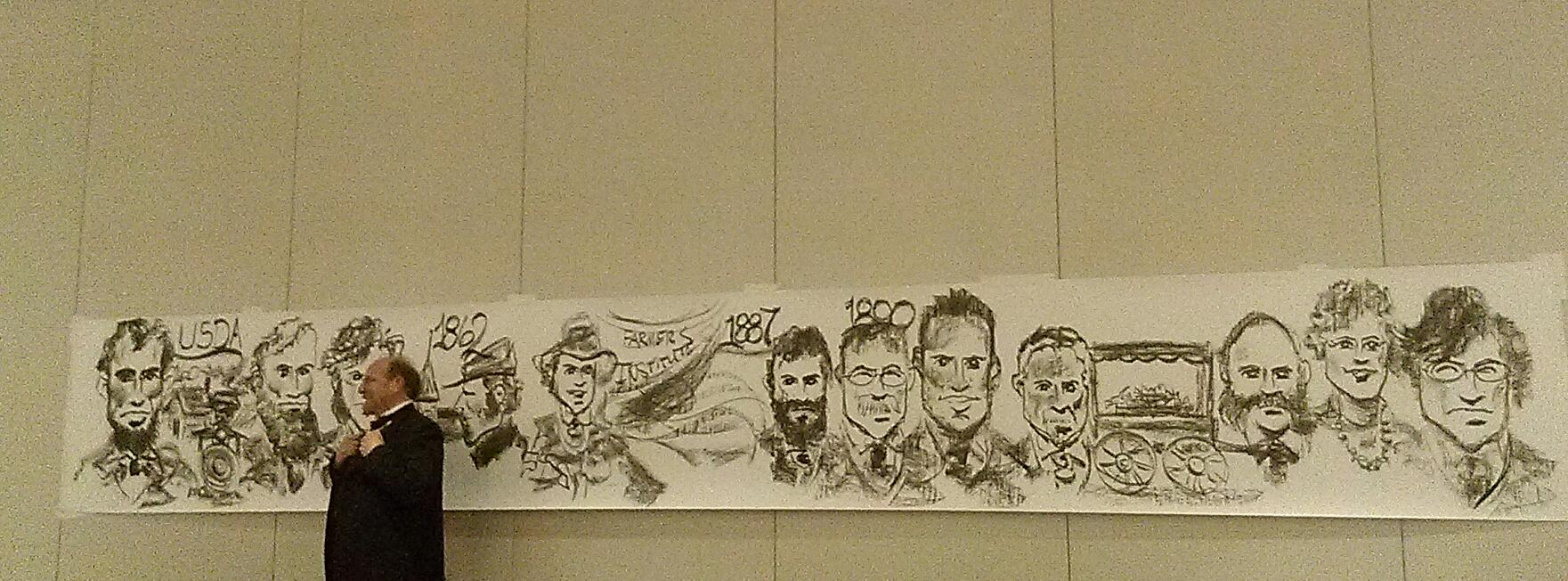
Presentation on the History of Cooperative Extension by a North Dakota State University alum where he does charcoal drawings as he speaks. I had seen this at an NACAA conference in the past; he is so talented!
Sessions included discussing how to determine public value of what we do and the debate continues to be how do we extrapolate information and who gets the credit. I think Nebraska is on track with much of what we do in this area as we’ve had many similar discussions here. There were also discussions about the relevance of Extension and the need to share information several ways; again, I think we have people in Nebraska leading the way in this effort. But it is critically important for ALL of Extension to be repackaging our information several ways to reach our customers where they view information.
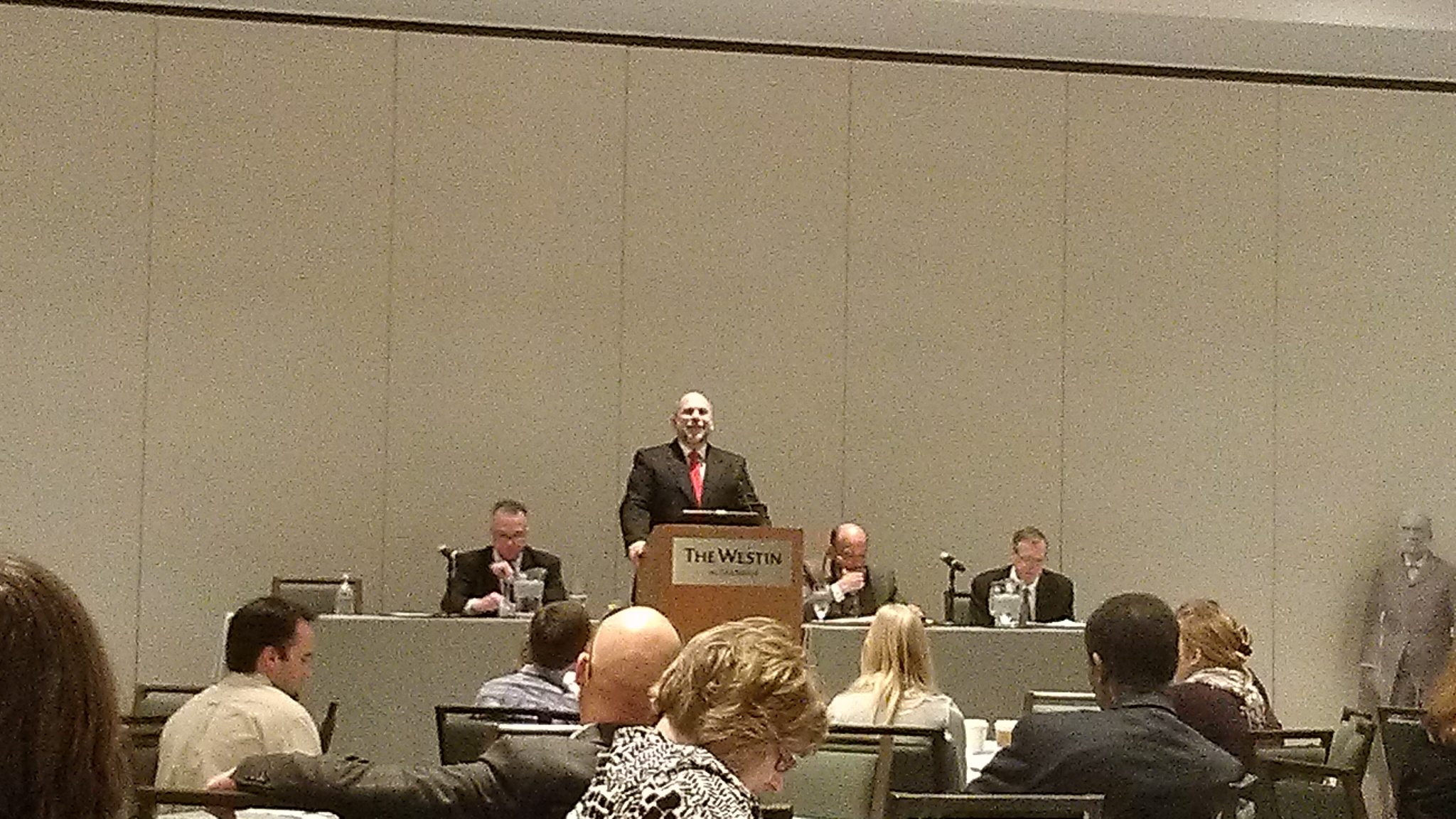
John Wilson presented on the Missouri River Flood in a panel discussion regarding controversial issues in Cooperative Extension. He did a great job as always! Additional controversial issues included fracking and the oil boom in other states.
We had the opportunity to interact with National Institute of Food and Agriculture program leaders to express the critical needs for the people we serve in hopes of influencing where research and extension initiatives should be focused in future grant releases. We also spent a large portion of time discussing different bills of importance to all of our States and determining the key messages we wished to share on the Hill with our Congressmen and Senators.

Wednesday was the highlight for me. On Wednesday, each State visits their Congressmen and Senators on the Hill. The Ag Section rep typically sets up the visits, so I was thankful for my experiences in organizing CWF trips! We began the morning at the Nebraska Breakfast and had the opportunity to visit with Senator Fischer immediately afterward. We had the amazing opportunity to meet with all of our representatives and/or their staffers that day: Congressman Smith, Senator Johanns, and then Monte and I split up so he visited Congressman Terry’s Office while I visited Congressman Fortenberry’s Office. In between we also had a Capitol tour and visited the Senate Gallery as Monte and Pat had never experienced that before. It was a wonderful day with great visits sharing the great things Extension has done and continues to do for the people of Nebraska! Our Senators and Congressmen also supported the Smith-Lever bill for recognizing 100 years of Cooperative Extension, so we were happy about that!
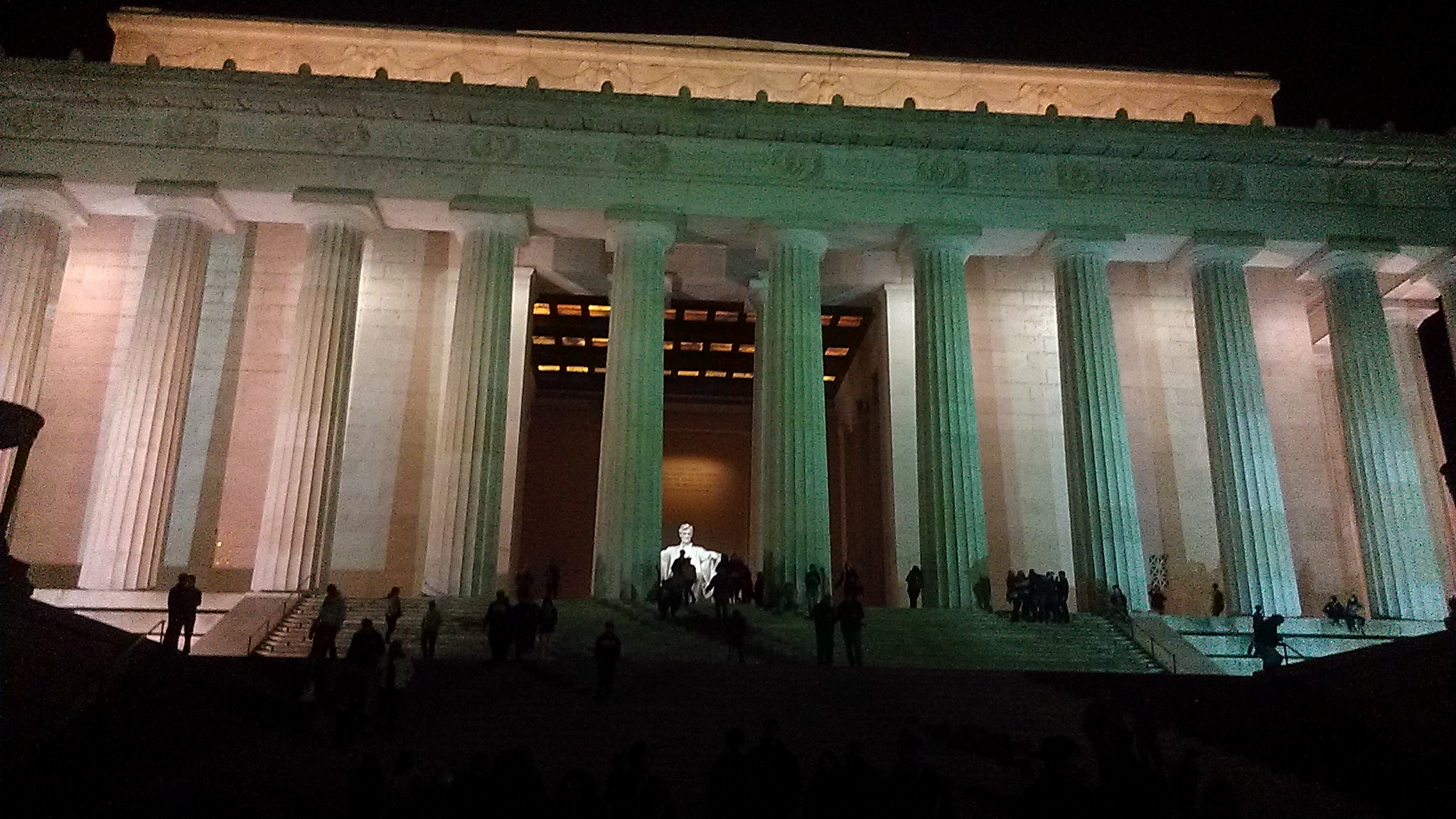
Lincoln Memorial during night tour of memorials and monuments the first evening-always neat to see.

We had an amazing seafood supper during one of the evenings with Dr. Hibberd who graciously paid for our meals.

It was an honor to represent the Nebraska Ag Agents at the 2014 PILD Conference and I thank our Ag Section and Dr. Hibberd for paying my expenses for this trip! This photo is of cherry blossoms with the Washington Monument in the background.
We Will Never Forget 9/11/01

In September 2013, I had the opportunity to visit the US Flight 93 Memorial in Pennsylvania. The Memorial is mostly a grassy field but also has a series of signs to explain the events on 9/11/2001.

This sign shares the heroic efforts of those who fought back against the terrorists on the flight that day.
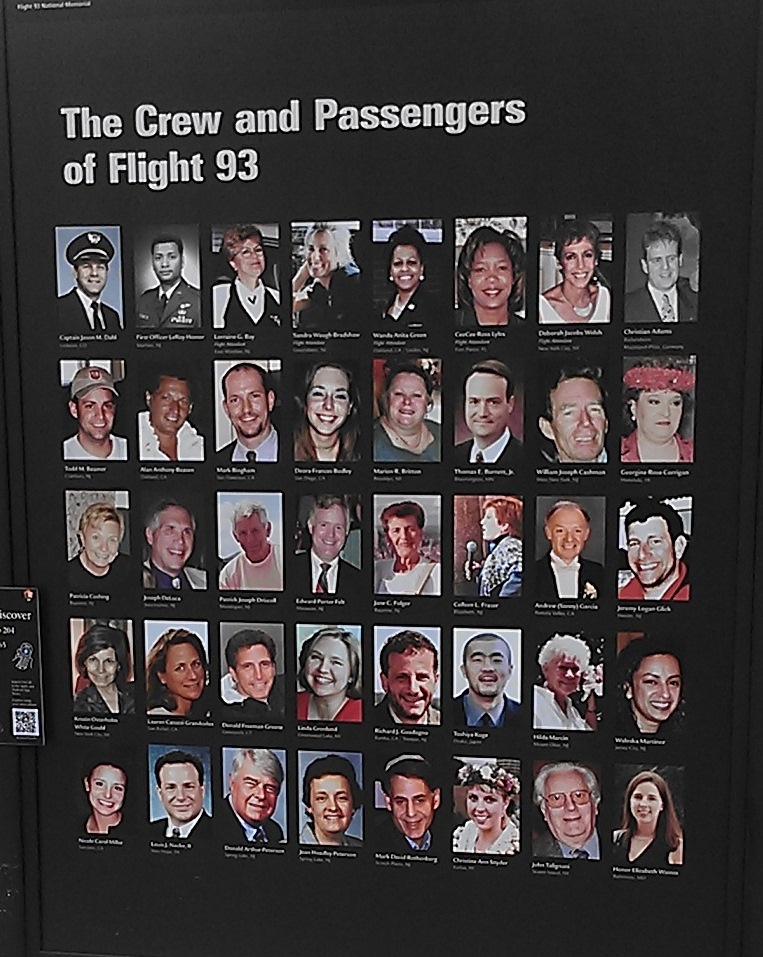
May we never forget the lives lost in these terrorist attacks.
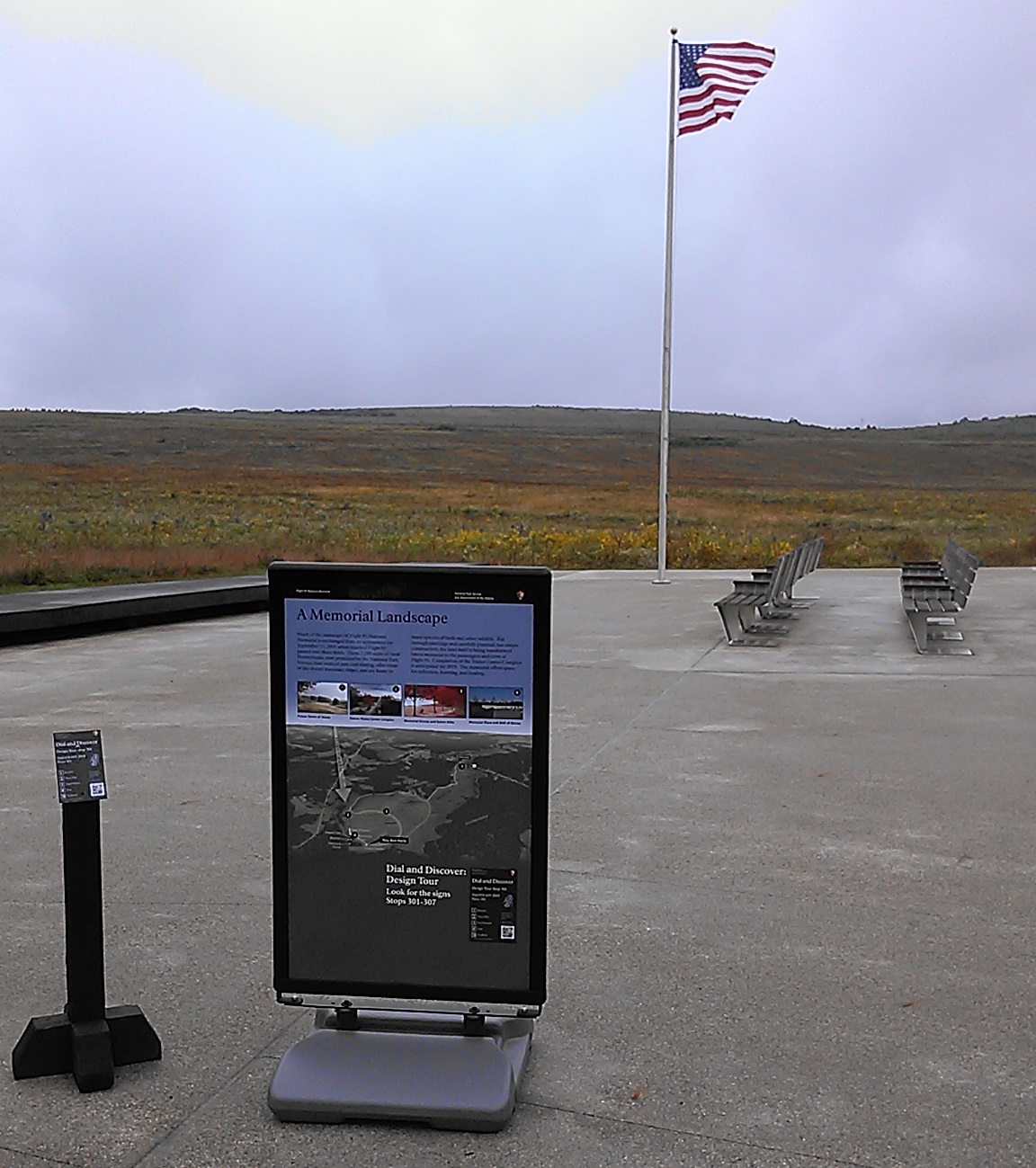
A quiet place to reflect. US 93 would have flown toward us as we view this photo on the left side of the photo.
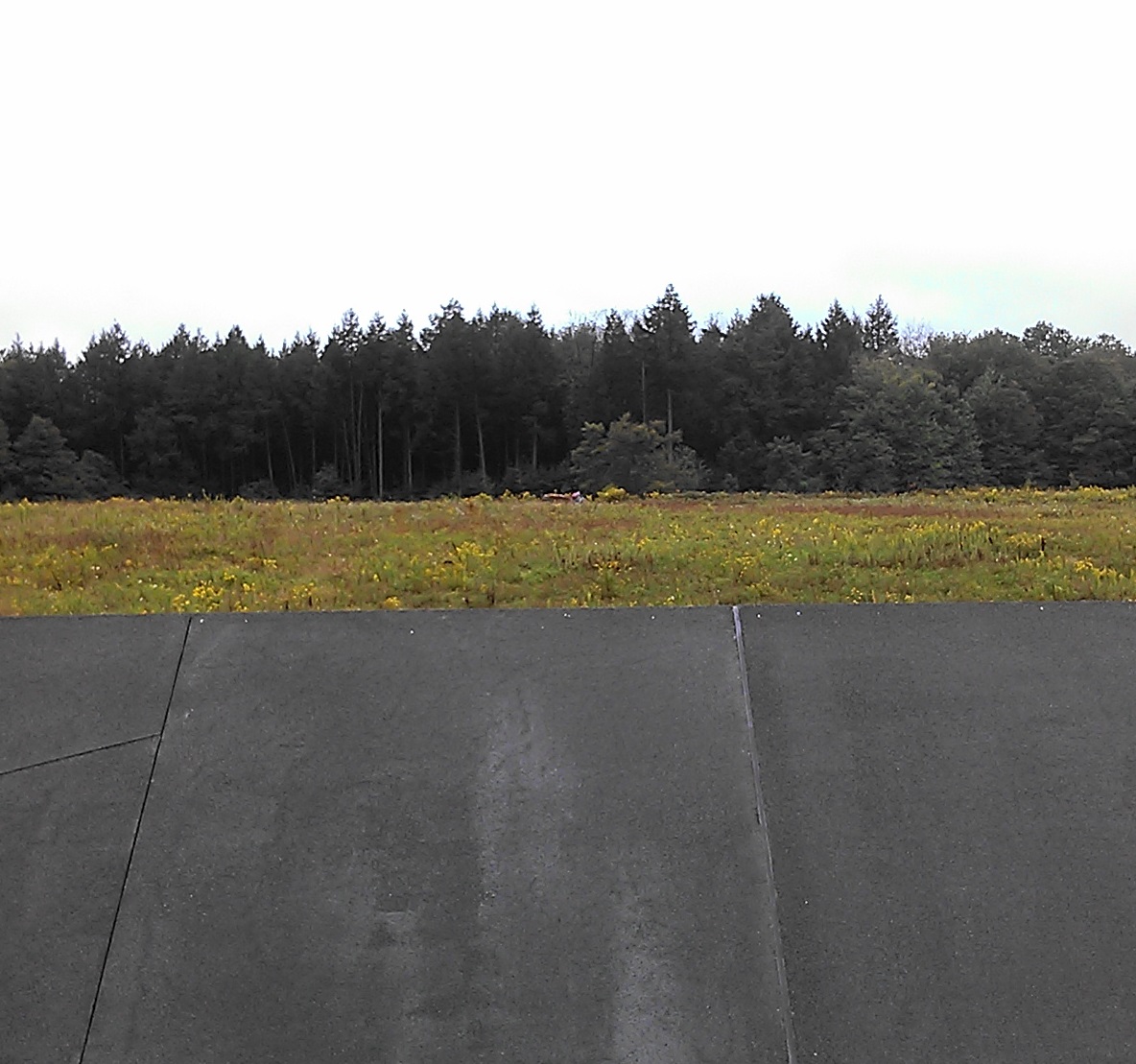
The grassy field where US Flight 93 went down. In the distance (center of photo), there is a memorial rock which marks the spot of the crash. Thirteen years later, we will never forget the innocent people, rescue workers, and all our men and women in uniform who lost their lives.
Alabama Agriculture-What I learned

At our first stop, this farming operation had fields where peanuts were strip cropped between rows of pecan trees (shown in background). The farming operation went from around 1500 to 900 pecan trees after the hurricanes in the 1980s. The pecan trees were around 80 years old.
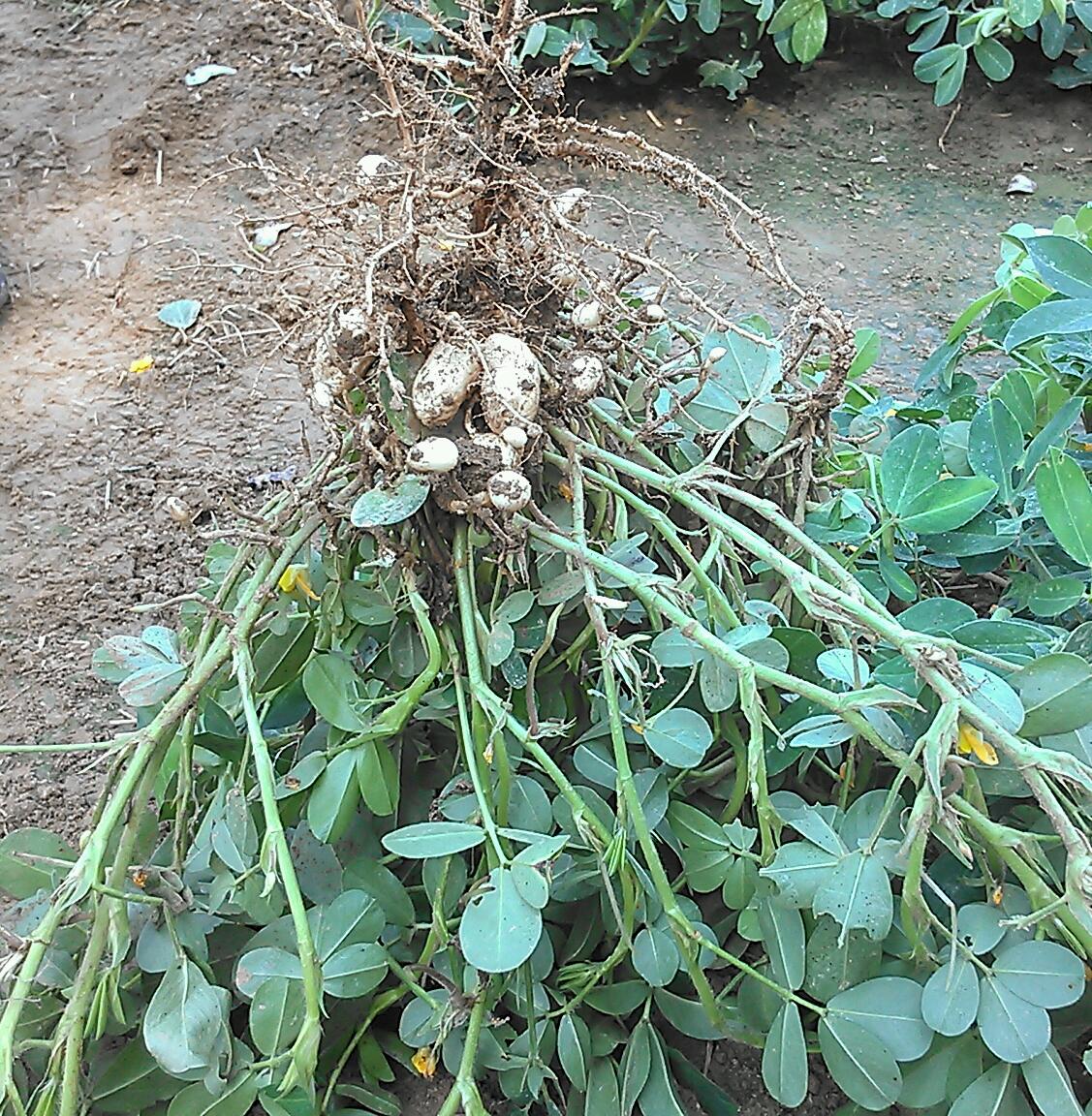
Peanut plant up close. The soils in this part of Alabama are highly acidic and peanuts like a pH between 5.8-6.8 and well-drained soil, so the producers add quite a bit of lime. Different maturities of peanuts are grown so they’re harvested anywhere from September to October.
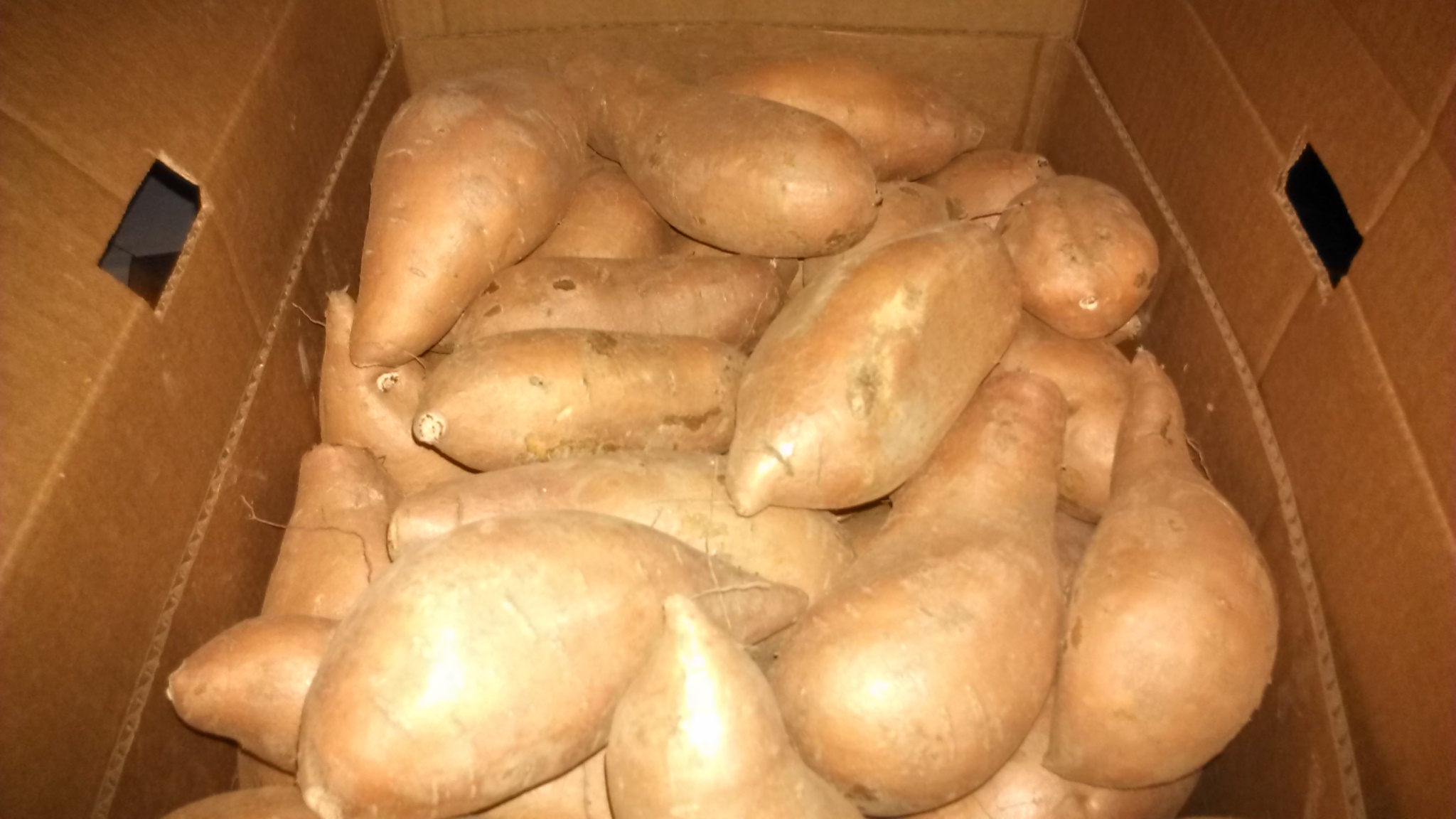
Sweet potatoes! I absolutely love to eat them 🙂 This farm had tried a variety of crops in the past and continues to grow cotton and peanuts as well for a rotation with the sweet potatoes. With low commodity prices for the other crops, sweet potatoes provided another source of income. They are planted mid-April and will be harvested early August this year. The smaller sweet potatoes will go to a canning facility. Potatoes have to be at least 2″ in diameter to be processed for sweet potato fries.

The nephew of the sweet potato farmer was interested in value-added herbs and greens. He put up this greenhouse 11 months ago and has been growing hydroponic greens and herbs for high end restaurants and supermarkets.

A cotton plant. Cotton is actually in the hibiscus family and can get 5-7 feet tall. Growth regulators are used to keep the cotton short so more energy goes into producing cotton instead of vegetative material like leaves and branches. While not easily seen on this picture, the “squares” are where each cotton blossom and seed will be produced.

Auburn Extension Specialist explaining how a cotton plant puts on a new node (where flowers and seed are produced) about every 3 days. He was also showing the shortened internode length due to adding growth regulators to the cotton. Cotton was often no-tilled into wheat. They have similar findings as we do here regarding the improved yields of crops following wheat in dryland. Although, interestingly, they receive on average 66″ of rain a year and Mobile, AL has surpassed Seattle as the rainiest city in the U.S.
Hail Damage Meetings
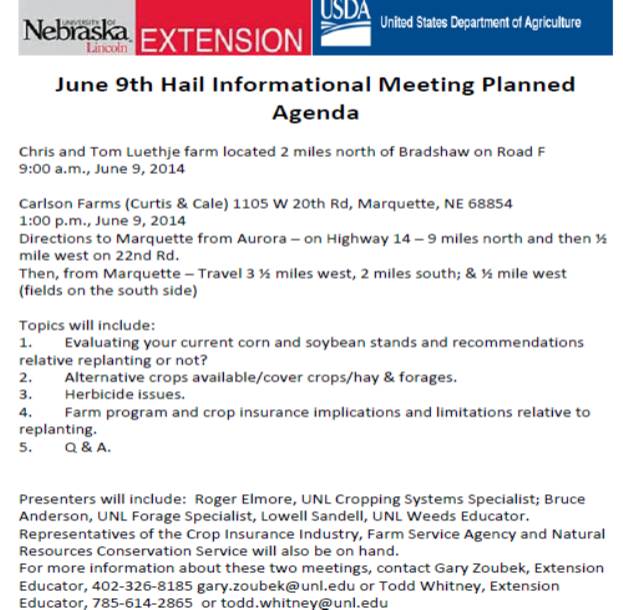
Hail Damage Meetings in York and Hamilton Counties. Please click on image to enlarge.
Edible Landscaping

There’s been increased interest in growing vegetables, flowers, and herbs together. Learn more about this in our Edible Landscaping workshop on May 8th at the Clay County Fairgrounds in Clay Center! Please RSVP by May 5th and hope to see you there!!!
Proper Tree Pruning
Special thanks to Dr. Scott Dewald for the wonderful evening of information he provided at our tree care workshop last week!

Scott Dewald explaining what to look for when considering pruning a tree. Scott shared that one should never prune more than 1/3 the height of a tree in one season. Pruning should also be done to obtain a main leader and overall structure. It’s also best not to prune limbs more than 2″ in diameter. If the limb needs to be pruned but it encompasses more than 1/3 of the limit of what should be removed in a season, one could “head” the limb by removing a portion of it one year and then complete the cut the following year. This will slow the growth of that limb.
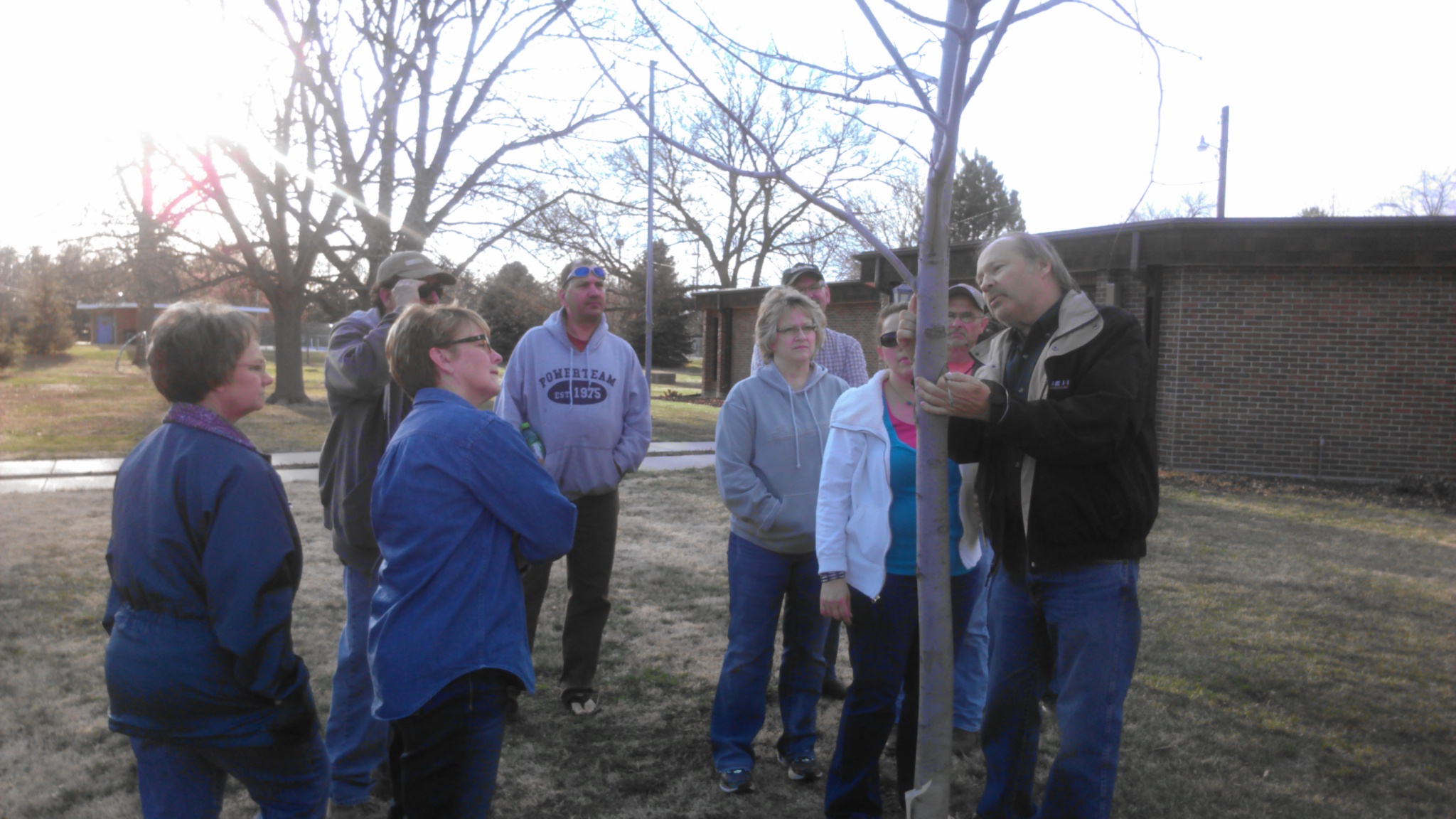
Pruning cuts should always be made at the “bark collar ridge” which produces a round cut and allows the tree to naturally heal. Scott shows attendees where the bark collar ridge is on this branch.
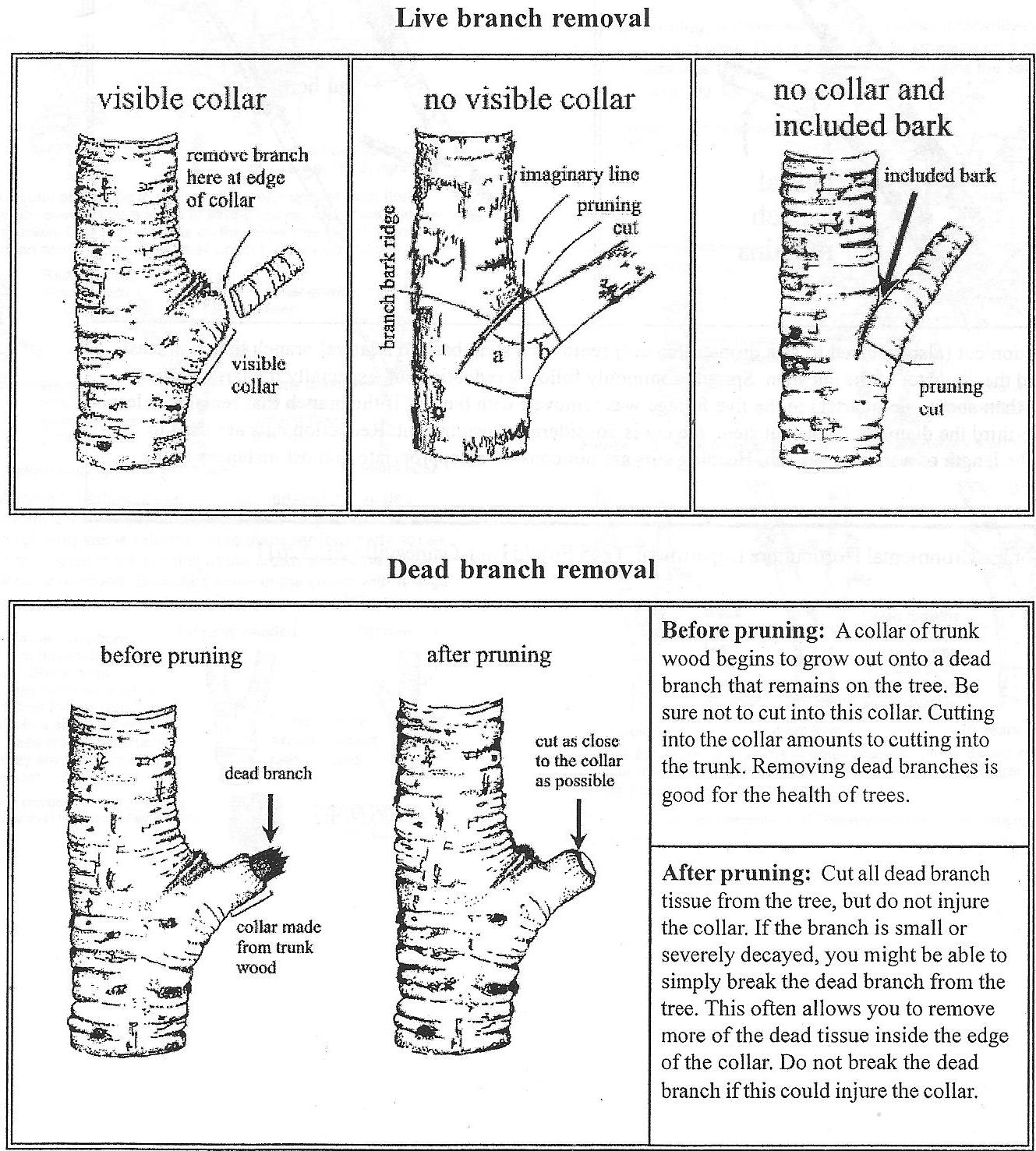
Pruning Fact Sheet ENH847 from University of Florida Extension written by Edward Gilman with good visuals of where proper pruning cuts should occur.
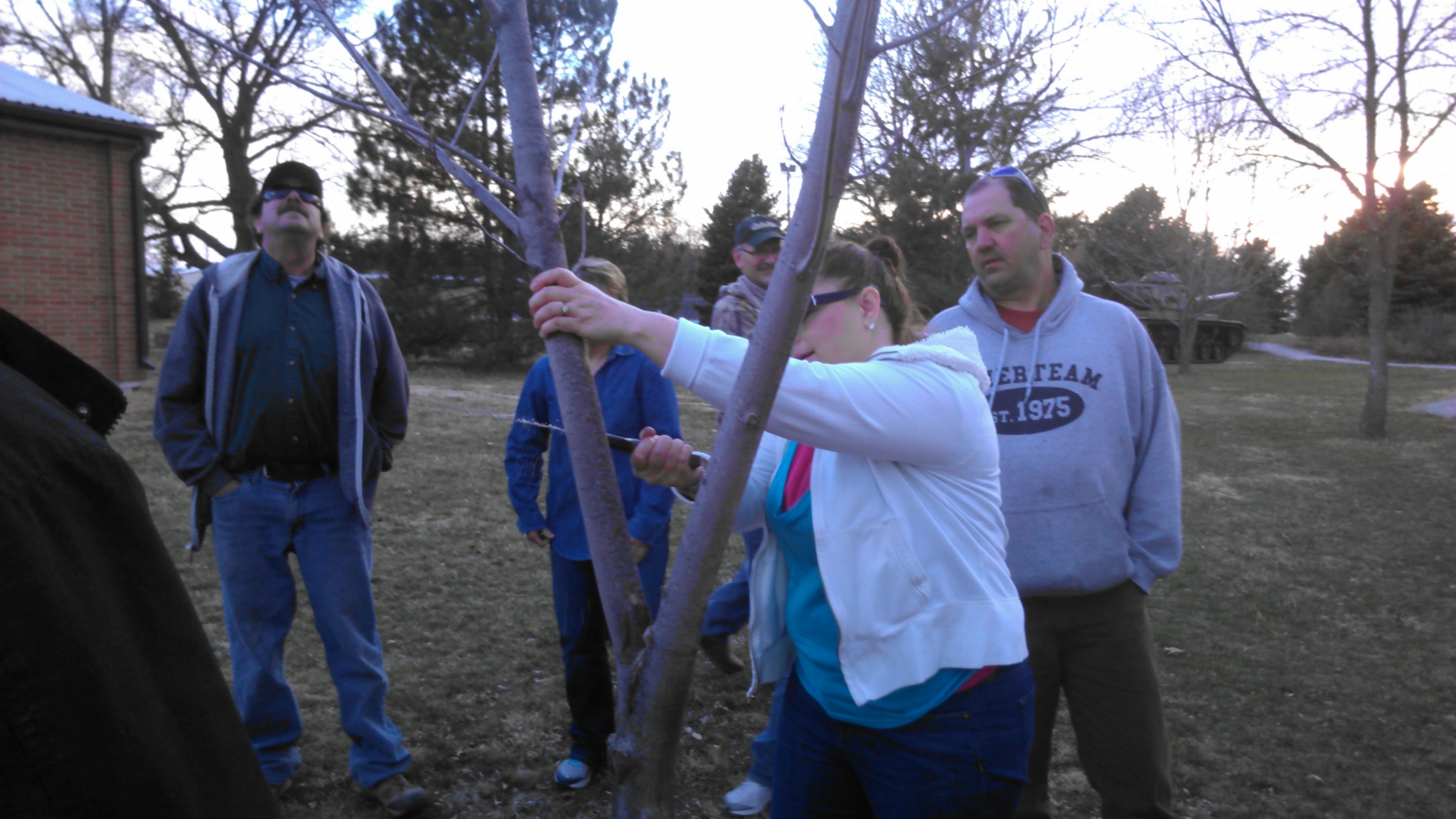
We learned that on large branches, it’s good to make a cut farther out to remove the weight first, and then go back and make the proper cut at the bark collar ridge. Improper pruning can result in further damage to the tree. Here we were trying to correct this tree for not having a main leader. Typically one would leave the southern-most branch according to Scott, but in this case, the northern-most branch was stronger. Scott said there was no need to stake the tree or try to get the northern-most branch to straighten out as it would naturally do this in time on its own.

After a large part of the branch weight has been removed, this attendee is now making the proper cut at the bark collar ridge.
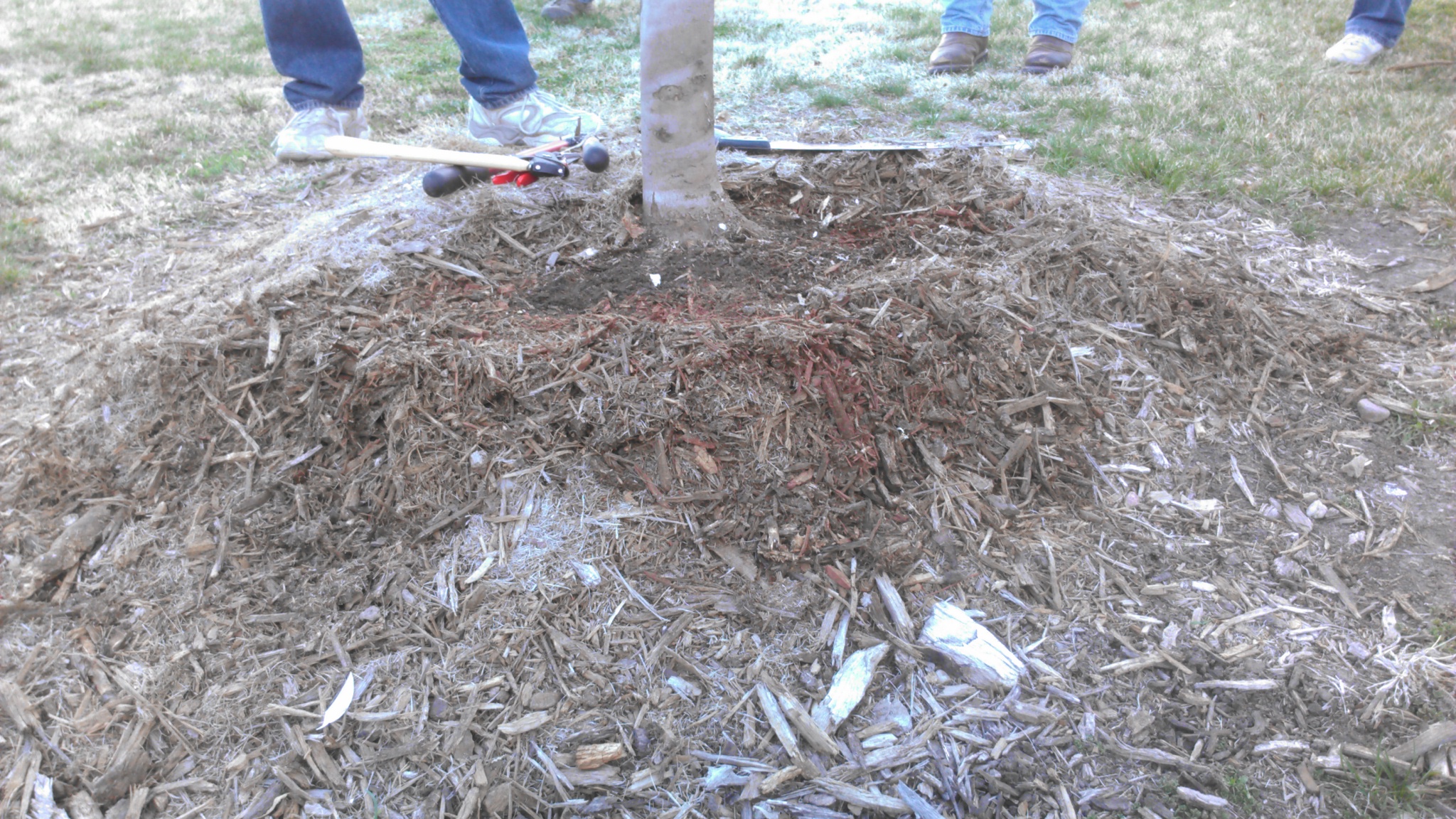
We also walked from tree to tree in the park looking at additional problems. I noticed how high the mulch was piled on some of the trees. Mulch should never be placed against the base of the tree as it can cause rot. But in this case, it was observed that the person who planted the tree did not dig a deep enough hole. What appeared to be a pile of mulch was the actual root ball and soil mounded up above ground.

This situation also most likely was a result of improper planting. In this case, the tree roots began wrapping around the base of the tree girdling it (like choking it).

This is the most common problem I see with tree calls. A huge enemy to trees are weed whackers! In this case, you can see extensive damage to the bark and the base of this tree. Depending on the damage and how well the tree can seal the wound will depend on if the tree will survive or not. Often, as in the case of this tree, the tree will be weakened with few leaves appearing on branches. It’s best to place mulch around trees in order to avoid having to use weed whackers on them-but again, don’t place the mulch up against the base of the tree!
This was a fun workshop for me with the right size of group and great hands-on demonstration where we also learned from pruning mistakes and how best to correct them. Thanks again Scott!


 JenResources