Blog Archives
April 1 Flowers-No Fooling!
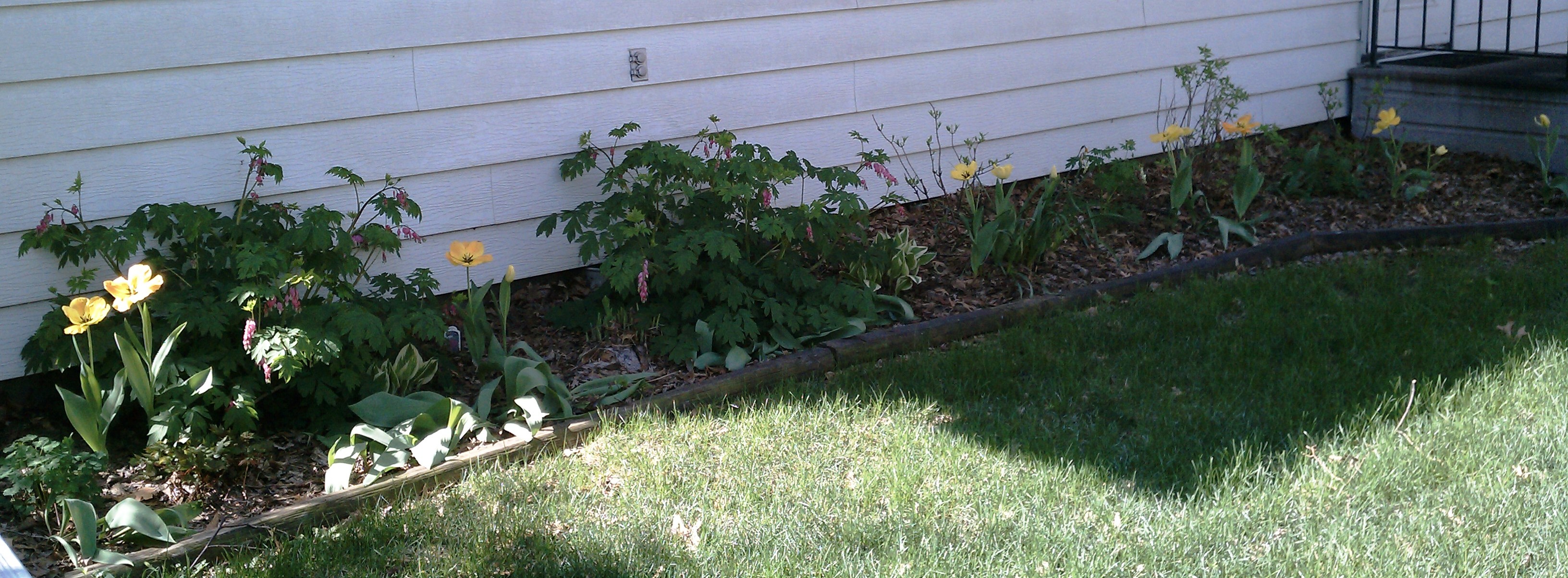
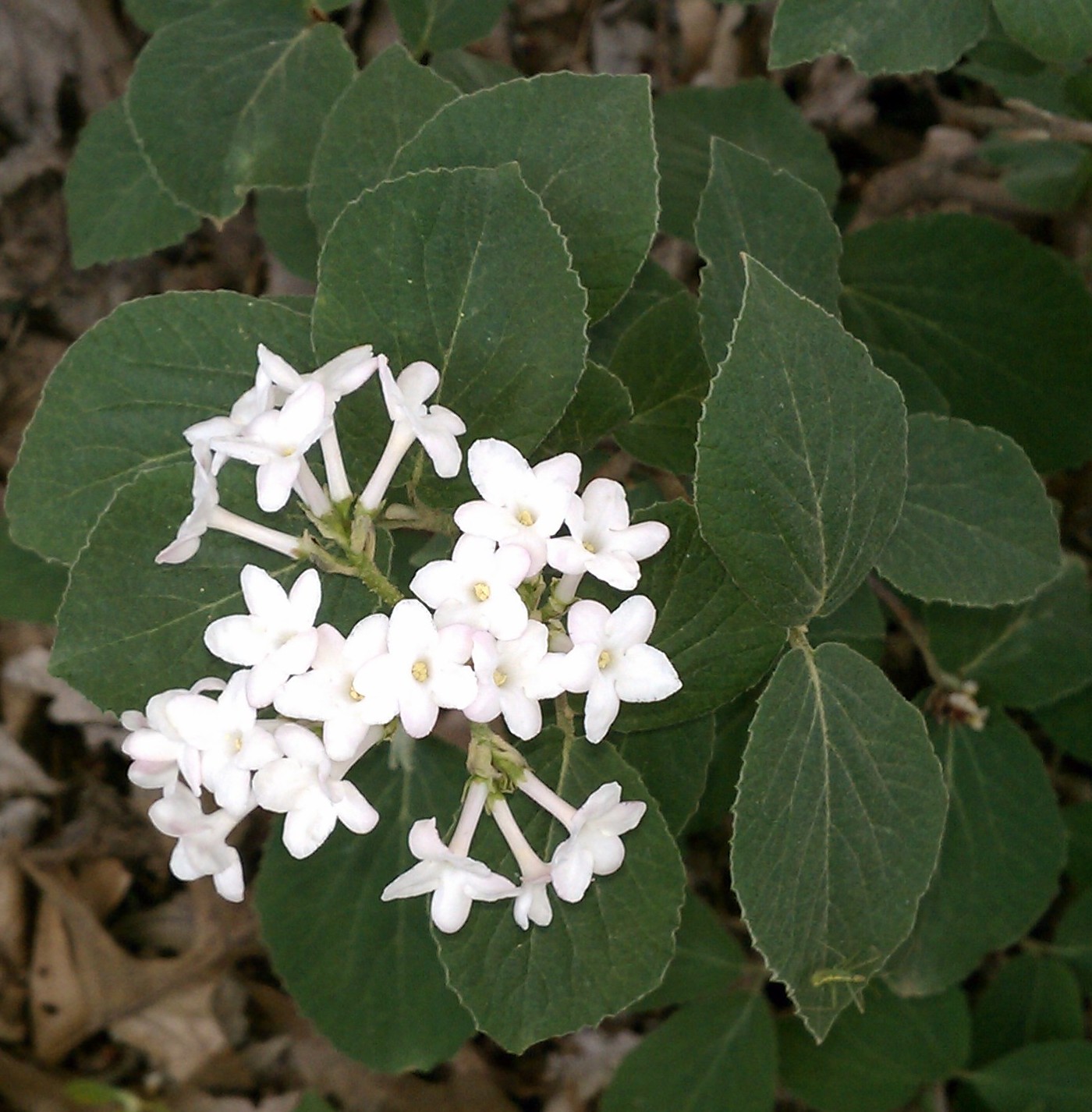
April 1st, while typically a day of pranks and jokes, has one obvious truth. Spring has arrived in full force with flowering plants at least 2-3 weeks earlier than normal. I couldn’t believe that my lilacs, which typically bloom around mid-May were blooming for the first time today! I planted many of the bulbs and shrubs last fall and have been rewarded with beauty, color, and lovely smells via God’s creation this spring; enjoy the pics!



Lawn, Garden, Spring
Well, this weekend I mowed my yard for the first time this spring-hard to believe for March! For two weeks I’ve been advising people to wait on fertilizing or applying crabgrass preventer on their lawns. It’s hard for me not to stop my vehicle everytime I see someone using a lawn spreader right now and ask them to wait! It’s too early to apply pre-emergent herbicides and fertilizer. Wait another month (till at least April 20) before the first fertilizer of 1 lb/1000 sq. ft is applied. At that same time, pre-emergence herbicides can also be applied. Wait to overseed Kentucky bluegrass lawns till April 1 and Fescue lawns till April 15. You can check out a calendar of recommendations for all things concerning your lawn at the following site: http://turf.unl.edu/lawncalendars.cfm. When overseeding winter-killed areas, core aerate or power rake the lawn prior to overseeding to encourage seed to soil contact for better germination. Also, don’t apply herbicides to areas where you have overseeded as this will affect the germination of new seedlings.
A timely meeting for lawn care has been scheduled and you can learn more by attending a Lawn Care for Home-Owners meeting Thursday, April 12 from 5:30-7:00 p.m. There is no charge and light refreshments will be provided. Learn about fertilizer labels and timing, calibrating your lawn spreader; irrigation timing for lawns; and calendars for lawn care maintenance. Please RSVP to the Clay County Extension Office at (402) 762-3644 or jrees2@unl.edu.
Garden: It’s been hard for me to resist the temptation to remove the winter mulch I had on my perennials and flower beds but in the event of frost which still is a good possibility, it may be good to leave it on awhile longer if new growth has not occurred. Kelly Feehan, UNL Extension Educator from Platte County advises if new growth is beginning to occur on your herbaceous perennials, to rake the leaves/mulch into a nearby pile. This allows the new growth to get acclimated to sunlight but allows 
I know some people have planted peas and potatoes. Check out the Vegetable Planting Guide that Gary Zoubek, UNL Extension Educator in York developed for suggested vegetable planting dates for our area: http://york.unl.edu/water-environment. Thursday, April 5th, Backyard Farmer returns for its 60th season on NET1 at 7:00 p.m.! Also, on Thursday, April 19th, we will have a workshop on Container Gardening Fun at the Clay County Fairgrounds from 5:30-7:00 p.m. More information to come! Please RSVP to jrees2@unl.edu or (402) 762-3644.
Waiting on Spring Tasks
The warm weather is creating the temptation to get outside and garden! But patience is a virtue and it’s only March! Here are some great tips from Elizabeth Killinger, UNL Extension Educator in Hall County about waiting on spring tasks.

The warm weather these past few days has gotten everyone ready to head outside and get their hands dirty. Just because it feels like spring, doesn’t mean we have to finish all of our spring to-dos now.
It may be tempting to completely remove all of the leaves and mulch from around tender perennials, but don’t give in. Strawberries, roses, chrysanthemums, and other tender plants can be protected from the fluctuating winter temperatures with winter mulch. If the mulch is removed too soon, new growth can form on the plant too early. This new growth is susceptible to damage caused by cold temperatures. Try and delay the removal of winter mulches as long as possible, but be sure it is removed before new growth begins. If the warm temperatures have caused new plant growth, rake the mulch to the side, but don’t remove it completely. If freezing temperatures are forecasted…
View original post 536 more words
Spring!
Happy Belated Spring! I meant to get this posted earlier this week but just didn’t get it done. I love living in Nebraska and  being able to observe God’s creation via the changes in seasons! Spring and Fall are probably my favorite, but there’s beauty in all of them. Everything is 2-3 weeks early this year so will be interesting to see if we end up with March going out like a lion or if we end up with an Easter freeze like we did a few years ago. While it wasn’t a bad winter, I always enjoy seeing new life and green in the springtime!
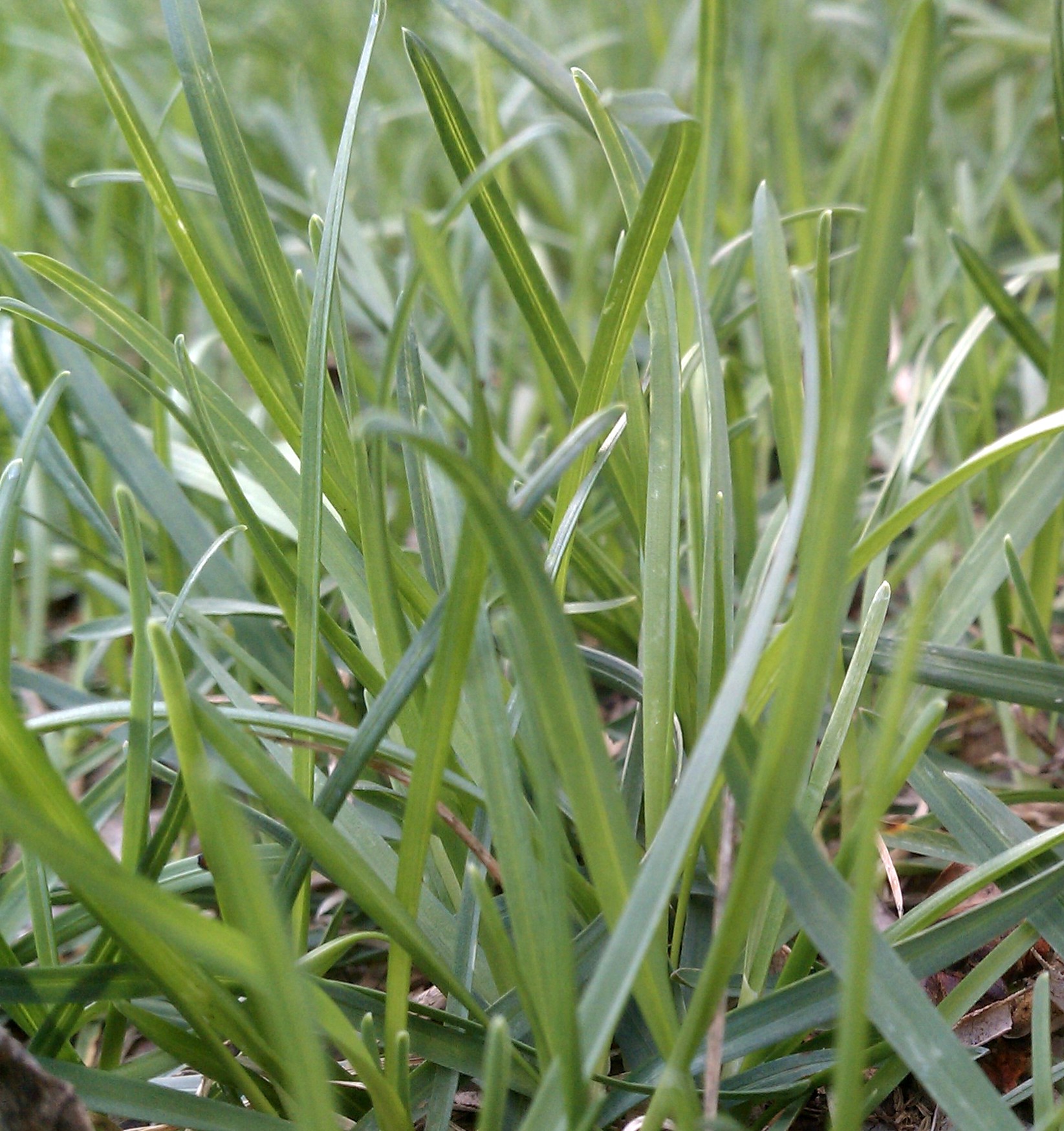
Grass greening up in front lawn. Sending this pic out to my husband who has seen grass very little in 9.5 months in Afghanistan! Will look forward to you helping me mow when you return! : )
My favorite tree is the magnolia and someday I hope to have one! I always enjoy going to UNL East Campus in the spring and seeing the magnolias in bloom. However, I was surprised how quickly they bloomed this year and that they were already loosing their blossoms!

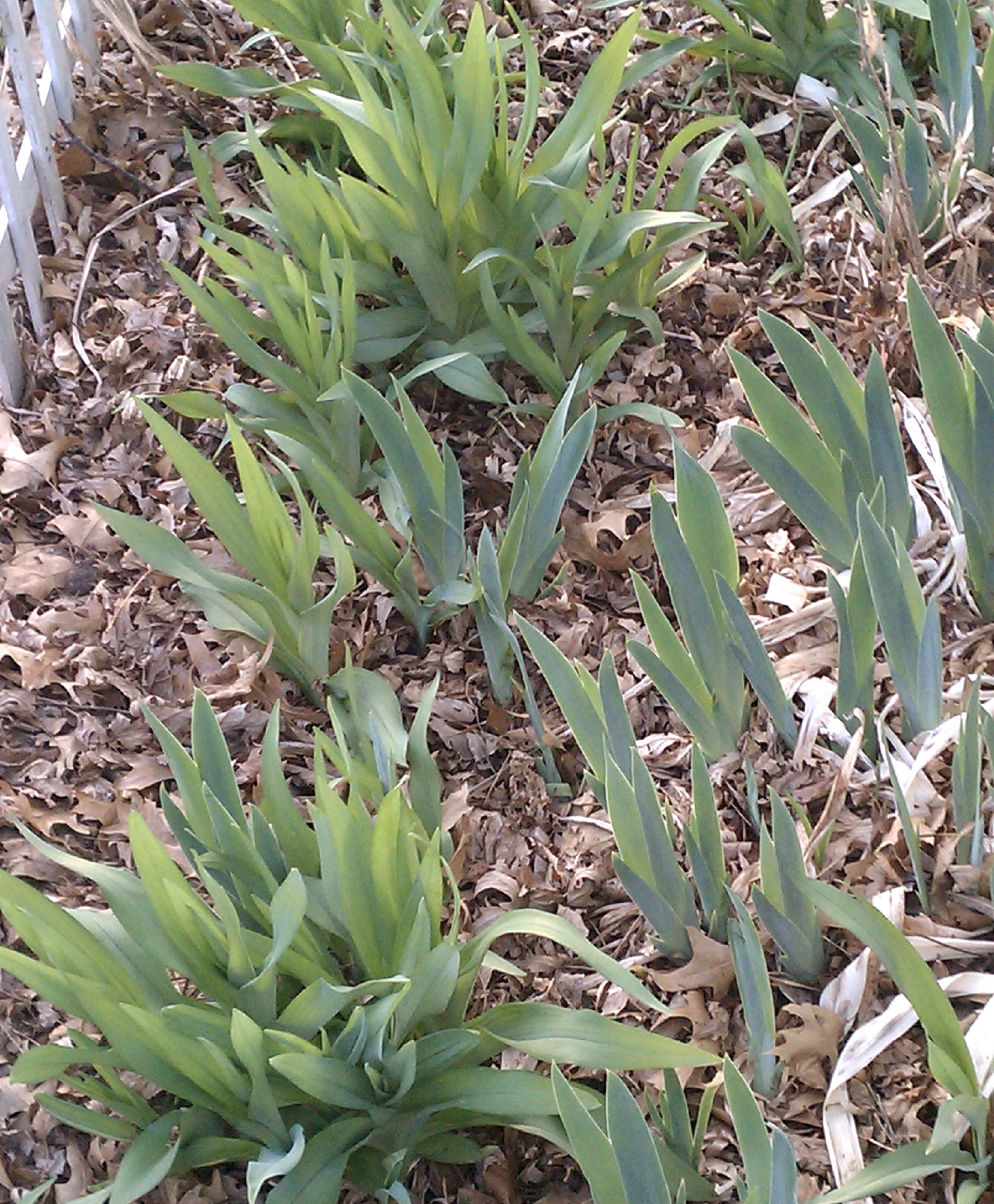
Through the leaf mulch even my iris and daylillies are emerging. I haven’t removed mulch yet in the event we end up with a cold snap. It’s still early, though tempting!
Great resources from UNL regarding horticulture and turf: http://byf.unl.edu/ and http://turf.unl.edu/.
Crop Science Investigation Camp
This is the first year we are doing a Crop Science Investigation (CSI) Big Red Camp for youth! We’d encourage any youth who enjoy plants, science, and agriculture who are 15-18 years old and who are interested in having fun learning about these topics to check this out! Big Red Camps are open to youth in any State. Please help spread the word!

Are you interested in science, agriculture, plants, crops, insects, or diseases? If so, join our team of detectives to solve crop-related problems in the Crop Science Investigation (CSI) Big Red Camp! Become a detective while participating in hands-on sessions to learn about and increase your knowledge of crops, science, and agricultural careers. Youth detectives will interact with agronomic professionals across Nebraska to solve experiments in: nutrient management; managing disease, insect and weed problems; water management; crop production, and much more! Do you have what it takes to become a CSI detective?
There are a variety of careers related to plant sciences such as: Agricultural Communicator; Agronomist; Cro p Consultant; Crop Insurance Adjuster; Educator; Co-op Manager; Farmer or Rancher; Farm Credit Banker; Field or Lab Researcher; Plant Breeder; Soil or Water Conservationist; Seed, Fertilizer, or Chemical Sales; or Technical Representative.
Scholarships are available in the amount of $300 to participants…
View original post 172 more words
Tree Problems
I’ve received several questions on trees. If you have silver maples or pin oaks that are looking a little yellow, most likely the yellowing
is due to iron chlorosis. Symptoms of iron chlorosis include leaves with green leaf veins while the leaf tissue is yellow-green. Iron chlorosis is common in several of the towns in Clay County due to higher pH soils (more basic soils) which makes the iron unavailable to the plants. Trees can be injected with iron sulfate in the base of the trunk with the amount injected dependent on the diameter of the tree. There’s also another method of soil injection with micronutrients that can also be used. I also have a list of tree care providers for the area for trunk injections; please contact the Extension Office if you’re interested in obtaining this list.
On evergreen trees, spruces losing their new growth or inside needles may be doing so due to two different fungal diseases or spidermites. If you are noticing this problem on your spruces, the time to prevent fungal diseases will be May next year with products such as Bravo, Daconil, or copper-sulfate based products. Spidermites can be managed with insecticidal soap. Ponderosa, Austrian, and Scotch pine trees with brown fungal bands on needles causing the needles to turn brown can be sprayed with a copper-sulfate based product now to help prevent further browning. If large branches of your trees have needles dying, the culprit may actually be the pine wood nematode which causes pine wilt disease in Scotch pines. There is no cure for that disease. To determine if pine wilt is the problem, cut a piece of dead/dying branch that is at least 1 inch in diameter and 4 inches long and send it to the UNL Plant and Pest Diagnostic Lab for diagnosis. Cedar trees are also showing Cercospora blight right now with needles turning brown. We used to think nothing would kill a cedar tree, yet many cedar windbreaks have needles turning brown and this fungal disease is killing needles due to restricted air flow and high humidity within our windbreaks. Restricted air flow is something you’d like with windbreaks but many of the trees in windbreaks were planted too close together many years ago and we’re starting to see more of a problem with various fungal diseases. Another option to spraying fungicides is to consider removing every other tree from the windbreaks to allow for more air circulation to cut back on fungal diseases.
If you’re unsure how to tell what kind of evergreen tree you have, cedar trees have needles like ropes. Spruce needles are single and when you roll them in your fingers, they have edges to them. Fir needles are also single and when you roll them in your fingers, they don’t roll easily like spruce needles because they are flat (flat fir). Pine needles are always in groups-of 2, 3, or 5. Austrian and Ponderosa pines have the very long needles; Austrians will always have long needles in groups of 2 but Ponderosa’s will have long needles in groups of 2 or 3 (If you ever see 3 needles, it’s a Ponderosa pine!). Scotch pines always have short needles in groups of 2. White pines have needles in groups of 5.
Ascochyta Leaf Blight
The strange weather has allowed for an uncommon turf disease to begin appearing in this area of the State. Ascochyta leaf blight typically is found in places like Colorado, but this year, it’s showing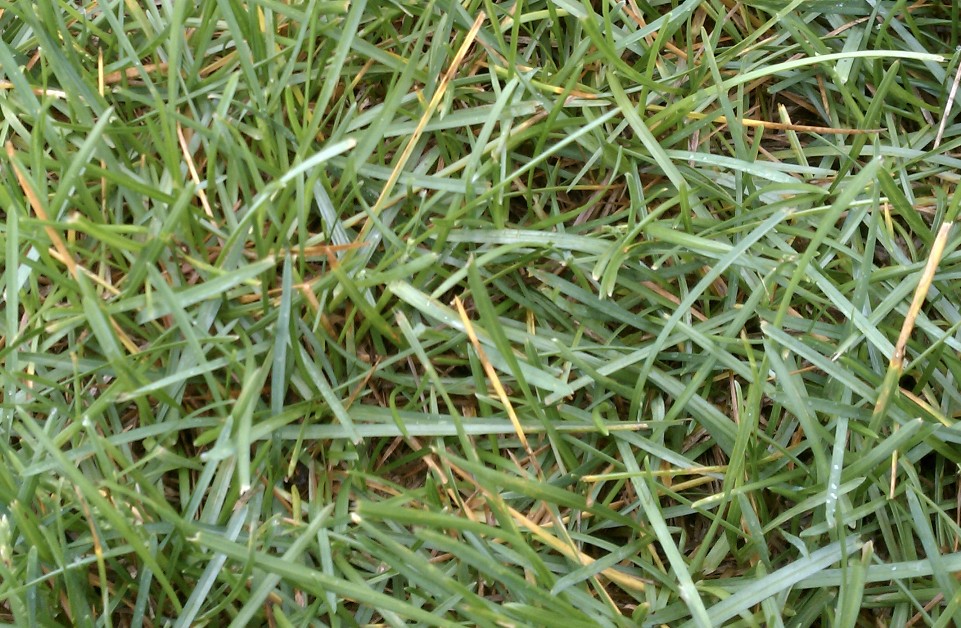 up in Clay and other areas of Nebraska. Typically the fungal pathogen is favored by hot, dry weather preceded by cool, wet weather-exactly what we’ve had up till this recent wet spell-which also favors the pathogen. Symptoms include the leaf blades turning straw colored or bleached and dying back from the tips. Eventually patches of turf may appear straw colored.
There’s nothing recommended for this disease except to manage your turf properly-mowing at proper height (we recommend 3″), fertilize at proper times, etc. For more information, check out this source: http://turf.unl.edu/pdfctarticles/AschochytaMay2011.pdf


 JenResources