Blog Archives
Waiting on Spring Tasks
The warm weather is creating the temptation to get outside and garden! But patience is a virtue and it’s only March! Here are some great tips from Elizabeth Killinger, UNL Extension Educator in Hall County about waiting on spring tasks.

The warm weather these past few days has gotten everyone ready to head outside and get their hands dirty. Just because it feels like spring, doesn’t mean we have to finish all of our spring to-dos now.
It may be tempting to completely remove all of the leaves and mulch from around tender perennials, but don’t give in. Strawberries, roses, chrysanthemums, and other tender plants can be protected from the fluctuating winter temperatures with winter mulch. If the mulch is removed too soon, new growth can form on the plant too early. This new growth is susceptible to damage caused by cold temperatures. Try and delay the removal of winter mulches as long as possible, but be sure it is removed before new growth begins. If the warm temperatures have caused new plant growth, rake the mulch to the side, but don’t remove it completely. If freezing temperatures are forecasted…
View original post 536 more words
Spring!
Happy Belated Spring! I meant to get this posted earlier this week but just didn’t get it done. I love living in Nebraska and  being able to observe God’s creation via the changes in seasons! Spring and Fall are probably my favorite, but there’s beauty in all of them. Everything is 2-3 weeks early this year so will be interesting to see if we end up with March going out like a lion or if we end up with an Easter freeze like we did a few years ago. While it wasn’t a bad winter, I always enjoy seeing new life and green in the springtime!
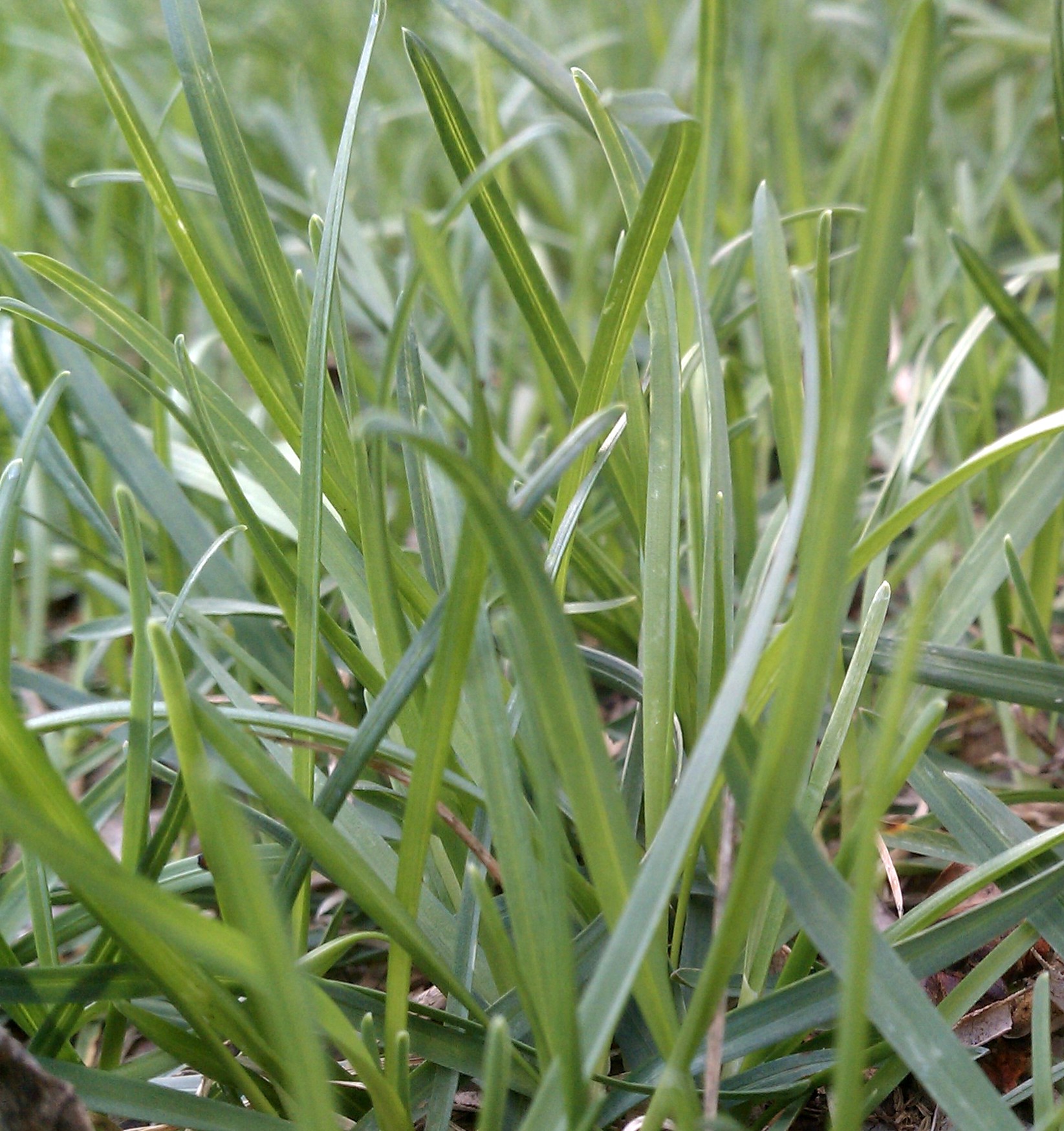
Grass greening up in front lawn. Sending this pic out to my husband who has seen grass very little in 9.5 months in Afghanistan! Will look forward to you helping me mow when you return! : )
My favorite tree is the magnolia and someday I hope to have one! I always enjoy going to UNL East Campus in the spring and seeing the magnolias in bloom. However, I was surprised how quickly they bloomed this year and that they were already loosing their blossoms!

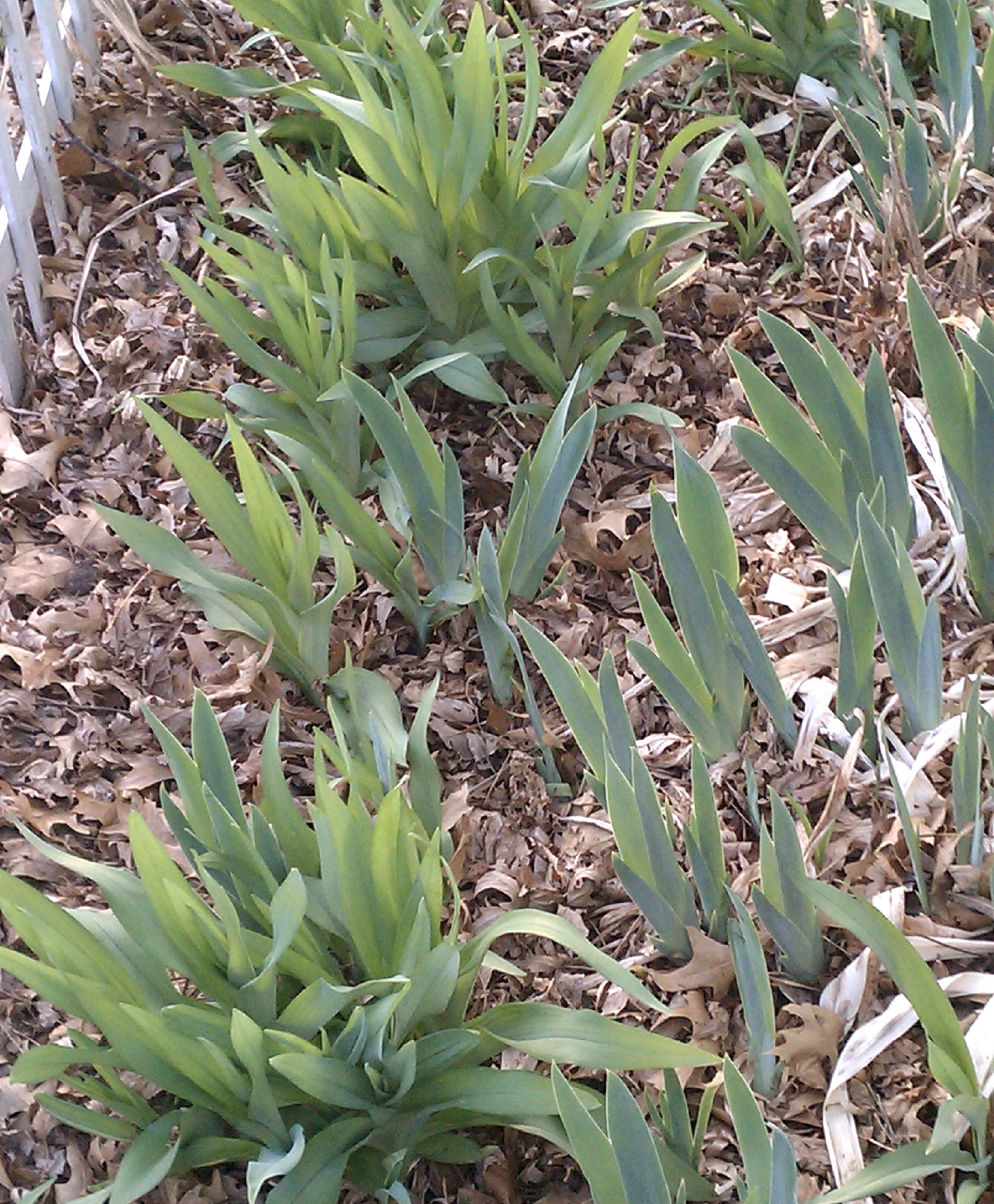
Through the leaf mulch even my iris and daylillies are emerging. I haven’t removed mulch yet in the event we end up with a cold snap. It’s still early, though tempting!
Great resources from UNL regarding horticulture and turf: http://byf.unl.edu/ and http://turf.unl.edu/.
Beauty after the Snow Storm
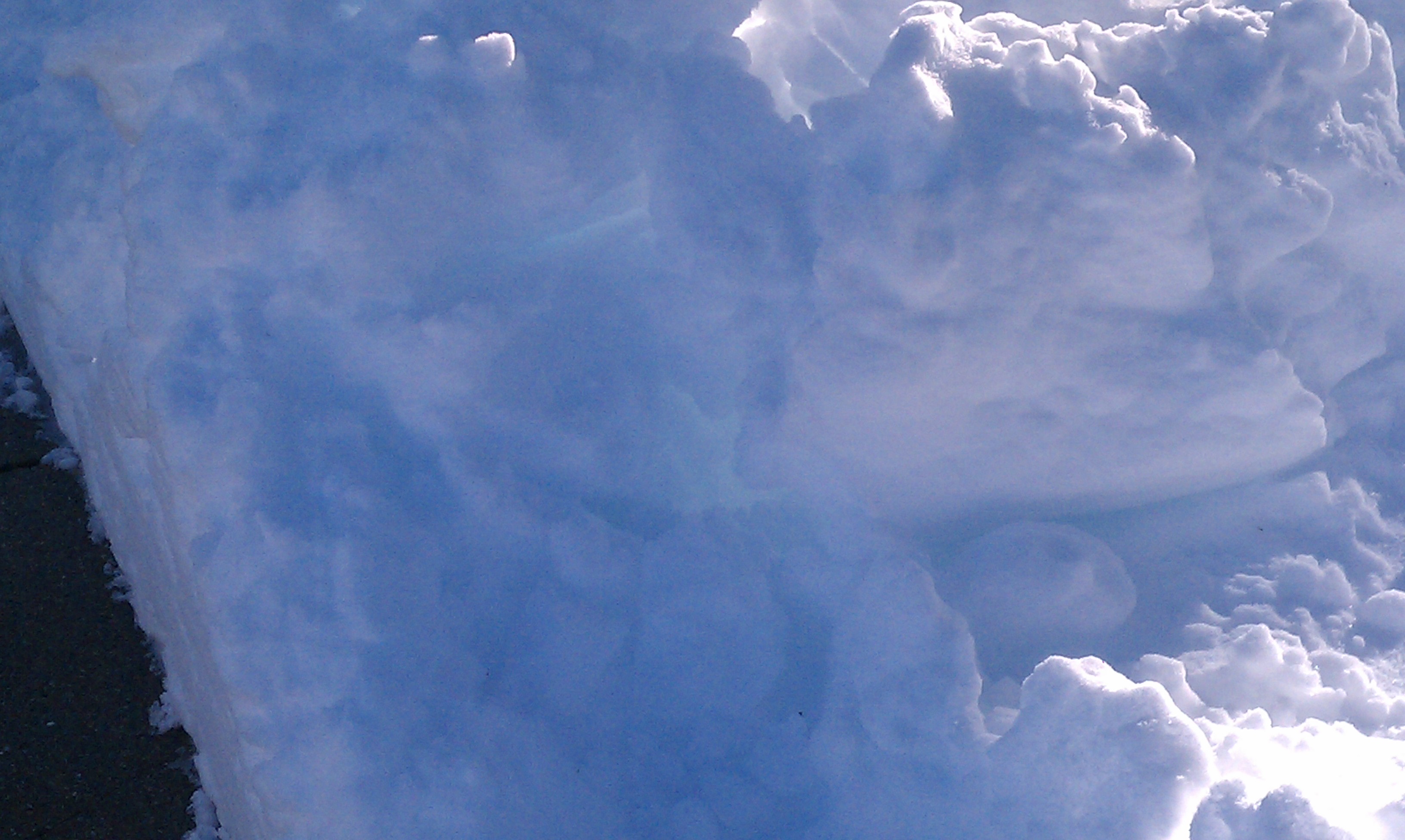
Here are some pics I took during our snowstorm last Saturday and the beauty in it with the sun shining on Sunday. While snow has started melting, cold temperatures are still keeping branches of trees and shrubs heavy. If you can, carefully take a broom and knock off the snow on bushes and shrubs to help prevent branch breakage but don’t remove the snow from around the shrubs. Elizabeth Killinger, UNL Extension Educator in Hall County and horticulture expert, speaks about winter tree care in this post.



Watering in Winter
Wow-what unbelievable weather we’ve had! The warm, dry weather has been great for our cattle producers but hopefully we get some spring rains to recharge our soil profile for the crops and pastures. Today feels more like winter!
With the warm weather last weekend, I spent some time watering shrubs and evergreen trees since I planted several shrubs this fall and it’s been dry. If feasible, it is fine to water during winter, particularly if you have fall-planted trees, shrubs, or perennials or evergreens in windy locations or along the south sides of homes. If established plants were well watered during summer and fall, most should be fine since they are dormant and temperatures are cool. If we do not get much winter moisture, early spring watering will be important.
Kelly Feehan, UNL Extension Educator, says that some precautions are needed when watering during winter. She says to only water when the soil is not frozen and when air temperatures are around 45 degrees Fahrenheit or higher. Water early enough in the day for water to soak into the soil so it does not pool and freeze around plants overnight. Ice forming on or around plant crowns can cause damage. If you decide to water, keep in mind plants are dormant and not using much, if any, water so while it is a good idea to moisten the soil six to eight inches deep, heavy or frequent watering is not needed.
The roots of plants are not as hardy as the above ground portions. If there is an open winter with little snow cover and temperatures turn quite cold, roots can be killed by cold temperatures. Cracks in soil allow colder air to penetrate and increase this risk. Moist soils do not develop cracks and remain warmer than dry soils. Ultimately, we’ll just have to see what the remainder of the winter and the spring will hold.
Protecting Shrubs/Trees from Rabbits
Hope you all had a wonderful Thanksgiving with family and friends! As I looked into my backyard this weekend, I realized I needed to protect the new shrubs I planted from rabbit damage this winter. Kelly Feehan, Extension Educator in Platte County shares some good information on how to do this. She says trees are at particular risk when they are young and the bark is thin. Feeding by rabbits on tree trunks can girdle and kill a tree; or stress a tree and increase susceptibility to insect borers, disease and decay. Ideally, place at least a two foot tall cylinder of one inch mesh poultry netting (chicken wire) or hardware cloth around tree trunks. A cylinder of black plastic drain tile, cut to length and slit down one side also works well.
Most multi-stemmed shrubs will survive having the majority of their stems removed. However, desirable bud, flower and/or fruit development may be harmed. While rabbits will nibble the tips of shrub stems growing through poultry netting or above snow, a two foot high cylinder still provides helpful protection.
Taste and odor repellants are another method used on landscape trees and shrubs. They can be effective if rabbit populations are not too high and when rabbits have another source of food to turn to. The effectiveness of any repellent will be reduced by time, wind and moisture. Repellants need to be reapplied according to label directions.
Taste repellents make plants less tasty for rabbits and are typically applied directly to plants. Examples are those containing capsaicin or hot pepper extract such as Get Away™ or Scoot™. Their effectiveness tends to be short-lived and requires reapplication. Odor repellents keep rabbits away from an area by fear or foul smell. They are typically applied to soil in the perimeter area and/or on plant foliage to repel rabbits. Check the label for proper application rate, method and site before applying any repellent. Most cannot be used on plants used for human consumption. A wide variety of active ingredients are used for odor repellants, including: ammonium or potassium salts of soaps (M-pede™; RoPel™), eggs (DeFence®), zinc dimethyldithiocarbamate (Earl May® Rabbit Scat), predator urine (Shake-Away™), or garlic (Sweeny’s® Deer & Rabbit Repellent ). Naphthalene is another ingredient in commercial repellents (Dr. T’s™, Enoz Skat™) but the alternative chemical, paradichlorobenzene (found in many moth balls) is illegal for use outdoors. Some concern also exists over the safety of napthalene products. There are no toxicants (poisons) registered for rabbits in Nebraska.
It is not recommended to provide an alternate source of food for rabbits to try and reduce damage to desirable plants. Providing other food, such as clover or alfalfa, may simply attract more rabbits and lead to increased damage. Rabbit numbers may be reduced by removing brush piles and tall weeds, particularly those located near new windbreaks. Mow to remove vegetation within three to four feet of recently planted trees and shrubs. Although rabbits eat most plants, especially when food is in short supply; a partial list of plants most often eaten by rabbits can be found in the Managing Rabbit Damage Nebguide available at local Extension offices or at http://www.ianrpubs.unl.edu/sendIt/g2019.pdf.
If a plant is killed by rabbit feeding, consider replacing it with a plant on this list. Keep this in mind though; rabbits do not read our lists!
Tree Problems
I’ve received several questions on trees. If you have silver maples or pin oaks that are looking a little yellow, most likely the yellowing
is due to iron chlorosis. Symptoms of iron chlorosis include leaves with green leaf veins while the leaf tissue is yellow-green. Iron chlorosis is common in several of the towns in Clay County due to higher pH soils (more basic soils) which makes the iron unavailable to the plants. Trees can be injected with iron sulfate in the base of the trunk with the amount injected dependent on the diameter of the tree. There’s also another method of soil injection with micronutrients that can also be used. I also have a list of tree care providers for the area for trunk injections; please contact the Extension Office if you’re interested in obtaining this list.
On evergreen trees, spruces losing their new growth or inside needles may be doing so due to two different fungal diseases or spidermites. If you are noticing this problem on your spruces, the time to prevent fungal diseases will be May next year with products such as Bravo, Daconil, or copper-sulfate based products. Spidermites can be managed with insecticidal soap. Ponderosa, Austrian, and Scotch pine trees with brown fungal bands on needles causing the needles to turn brown can be sprayed with a copper-sulfate based product now to help prevent further browning. If large branches of your trees have needles dying, the culprit may actually be the pine wood nematode which causes pine wilt disease in Scotch pines. There is no cure for that disease. To determine if pine wilt is the problem, cut a piece of dead/dying branch that is at least 1 inch in diameter and 4 inches long and send it to the UNL Plant and Pest Diagnostic Lab for diagnosis. Cedar trees are also showing Cercospora blight right now with needles turning brown. We used to think nothing would kill a cedar tree, yet many cedar windbreaks have needles turning brown and this fungal disease is killing needles due to restricted air flow and high humidity within our windbreaks. Restricted air flow is something you’d like with windbreaks but many of the trees in windbreaks were planted too close together many years ago and we’re starting to see more of a problem with various fungal diseases. Another option to spraying fungicides is to consider removing every other tree from the windbreaks to allow for more air circulation to cut back on fungal diseases.
If you’re unsure how to tell what kind of evergreen tree you have, cedar trees have needles like ropes. Spruce needles are single and when you roll them in your fingers, they have edges to them. Fir needles are also single and when you roll them in your fingers, they don’t roll easily like spruce needles because they are flat (flat fir). Pine needles are always in groups-of 2, 3, or 5. Austrian and Ponderosa pines have the very long needles; Austrians will always have long needles in groups of 2 but Ponderosa’s will have long needles in groups of 2 or 3 (If you ever see 3 needles, it’s a Ponderosa pine!). Scotch pines always have short needles in groups of 2. White pines have needles in groups of 5.


 JenResources