Category Archives: Event
Landlord Tenant Cash Lease Workshops
Cash rent questions are the top question I receive in the office and are difficult to answer directly. There’s no great formula or survey that can provide a magic number for every situation. The following post provides some thoughts regarding this.
One thing we do know is that developing farm cash leases that meet the needs of both landlord and tenant while maintaining a positive relationship will be the goal of a UNL Extension workshop series. The Landlord/Tenant Cash Lease workshops will be held in November and December at sites across the state. It is helpful if both the tenant and landlord can attend together.
Topics
UNL Extension educators will present on the following topics, providing information and common sense tips for landlords and tenants.
- Expectations from the lease, including goal setting for the rental property
- Lease communication, determining appropriate information sharing for both the tenant and landlord
- Tips for farm leases that include relatives
- Alternative cash lease arrangements, flexible provision considerations for your situation
- How the 2012 drought affects leases, irrigation systems, grain bin rental, and other topics related to leases will be discussed as time allows.
These free workshops are sponsored by the Nebraska Soybean Board and the North Central Risk Management Agency. A meal and handouts are included. Participation is limited. To register, contact the local UNL Extension office hosting the workshop.
For more information, contact Allan Vyhnalek, UNL extension educator in Platte County, at 402-563-4901 or avyhnalek@unl.edu.
Dates and Locations
- Dakota City — Nov. 5, 11 a.m. – 3 p.m., USDA Service Center, 402-987-2140
- Pender — Nov. 7, 11 a.m. – 3 p.m., Fire Hall, 402-385-6041
- Wayne — Nov. 7, 5:30 p.m. – 9 p.m., Fire Hall, 402-375-3310
- Curtis — Nov. 8, Noon – 3:30 p.m., NCTA Ag Industry Education Center, 402-367-4424
- McCook — Nov. 8, 5:30 – 9 p.m., Fairgrounds, 308-345-3390
- Imperial — Nov. 9, 11 a.m. – 3 p.m., Fairgrounds, 308-882-4731
- Fairmont — Nov. 13, 11 a.m. – 3 p.m., Legion Hall, 402-759-3712
- Fairbury — Nov. 13, 11 a.m. – 3 p.m., 4-H Building/Fairgrounds, 402-729-3487
- Blue Hill — Nov. 13, 5:30 – 9 p.m., Community Center, 402-746-3417
- Lexington — Nov. 14, 11 a.m. – 3 p.m., Extension Office, 308-324-5501
- North Platte — Nov. 14, 5:30 – 9 p.m., West Central Research, 308-532-2683
- Hastings — Nov. 15, 11 a.m. – 3 p.m., Fairgrounds, 308-461-7209
- Grand Island — Nov. 15, 5:30 – 9 p.m., Extension Office/College Park, 308-385-5088
- Humboldt — Nov. 27, 11 a.m. – 3 p.m., Ag Building/Fairgrounds, 402-852-2970
- Auburn — Nov. 27, 5:30 p.m. – 9 p.m., Nemaha Co. 4-H Building, 402-274-4755
- Hartington — Nov. 29, 11 a.m. – 3 p.m., City Auditorium, 402-254-6821
- Nebraska City — Nov. 29, 5:30 – 9 p.m., Kimmel Center, 402-267-2205
- Blair — Dec. 4, 11 a.m. – 3 p.m., City Office, 402-426-9455
- Tekamah — Dec. 4, 5:30 – 9 p.m., First National Bank Northeast, Nebraska meeting room, 402-374-2929
- Burwell — Dec. 5, 11 a.m. – 3 p.m., Legion Club, 308-346-4200
- Arcadia — Dec. 5, 5:30 – 9 p.m., Legion Club, 308-728-5071
- Bloomfield — Dec. 6, 11 a.m. – 3 p.m., Community Center, 402-288-5611
- O’Neill — Dec. 6, 5:30 – 9 p.m., Courthouse Annex, 402-336-2760
- Elba — Dec. 11, 11 a.m. – 3 p.m., Community Center, 402-745-1518
- Albion — Dec. 11, 5:30 – 9 p.m., Casey’s Community Building, Fairgrounds, 402-395-2158
- Neligh —Dec. 12, 11 a.m. – 3 p.m., Legion Hall, 402-887-5414
- Osceola — Dec. 13, 11 a.m. – 3 p.m., Fairgrounds, 402-747-2321
#UNL South Central #Ag Lab Field Day
We have a great field day coming up on August 22 at South Central Ag Lab near Clay Center. Check out the flyer below for more details and hope to see you there!

Field Days
Well, August has begun and so has the season for field days. Here are a few I hope you mark on your calendars and plan on 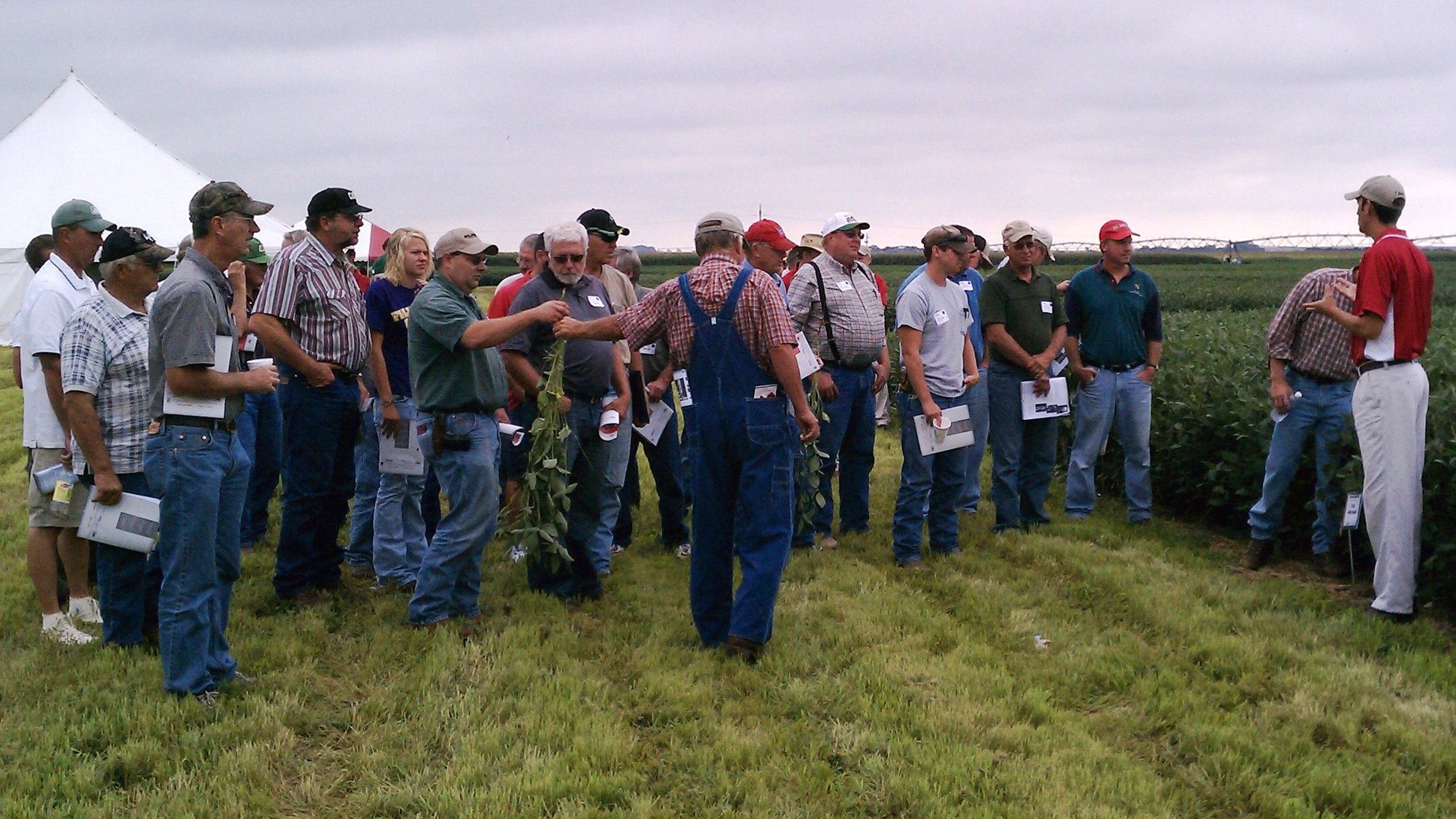 attending. Also a reminder, for all drought information from UNL Extension including crop, livestock, water, lawn, and garden, please check out http://droughtresources.unl.edu.
With the drought and a shortage of forages, if you are considering harvesting or grazing crops for forage, it is important to consider the herbicide restrictions applied to these fields. Check the labels of these herbicides to confirm that grazing restrictions or forage harvesting restrictions have been met before you turn livestock into the fields or cut the crop for hay or silage. Check out this link for more information.
Soybean Management Field Days Planned: Please mark the dates of the upcoming Soybean Management Field Days on your calendar. They are planned for August 14-17 with sessions planned for Lexington, O’Neill, Platte Center and David City. Registration for each of the Field Days starts at 9:00 a.m. with four one hour programs from 9:30 a.m. to 2:30 p.m. Topics include: Soybean Seed Treatments and Foliar Fungicides Growth Enhancement Interaction with Herbicides, Managing Land Leases and Soybean Marketing, Herbicide Carrier Rate Study and Quest for the Holy Grail in Soybean Production! Check out the sessions by going to http://ardc.unl.edu/soydays. The David City date and location is August 17th and it’s located from the Jct of 92 & Hwy 15, 1 mile east on 92 and ¾ mile north on county road.
South Central Ag Lab Field Day: Some of you have been asking about the next field day at South Central Ag Lab near Clay Center. Please mark your calendars for August 22 from 9:00 a.m.-2:00 p.m. with registration beginning at 8:30 a.m. Topics include: Weed control, timing, resistant weeds; Emerging diseases of corn and corn rootworm management options; Impacts of corn stover harvest on soil quality and greenhouse gas emissions; Variable rate nitrogen and irrigation management according to landscape variation; and Use of Soy-Water for managing soybean irrigation. There is no charge but please RSVP for a meal count by Friday, August 17 to (402) 762-4403. Hope to see you there!
York County Corn Grower Plot Tour: The York County Corn Growers Annual Plot tour will be held Thursday, August 23, 2012 from 5:30 – 7:30 p.m. This year’s cooperators are Ray and Ron Makovicka and the plot is located west of York on the Dwight Johnson farm. The plot is located ¾ miles north of Hwy 34 on Road I. Those attending will be able to check out the various corn varieties and visit with the seed company representatives. Supper will be served after the tour. Then there will be a report on 2012 practices, products used and irrigation update.
Also this year they have several different types of irrigation equipment in the field to monitor soil moisture and estimate crop ET. Systems in the field include: AquaCheck USA provided an AquaCheck soil moisture sensor system; Servitech provided the Profiler Watermark soil moisture sensor system; McCrometer provided an EnviroPro soil moisture sensor system; and AquaSpy provided AquaSpy soil moisture sensor system. Several of you have asked about wireless irrigation scheduling systems-here’s your chance to compare them all in one place!
County Fair-Special Time of Year
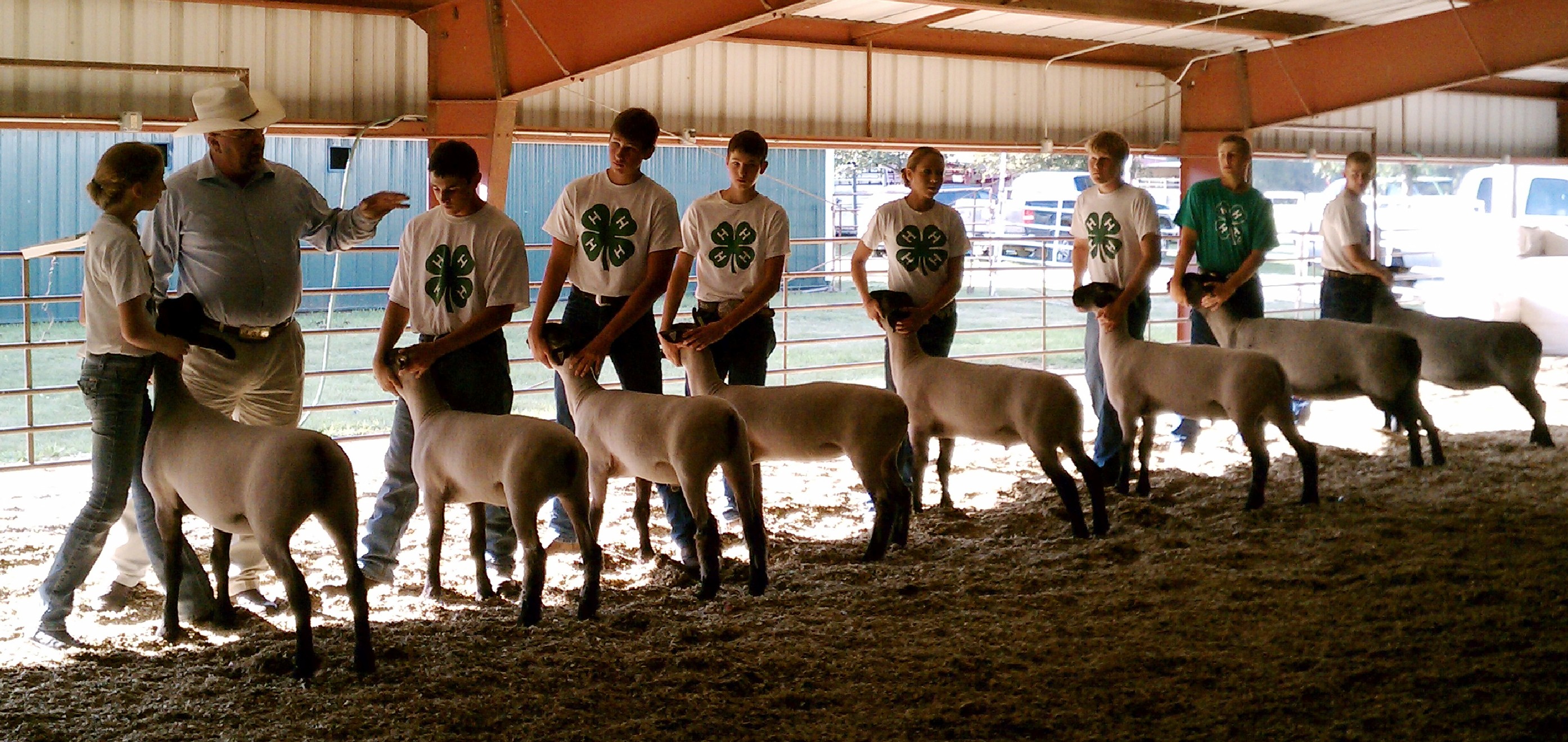
Fair time is a special time of year. It’s the one time in the year where people from all parts of the county come together for the youth. Yes, there’s healthy competition involved, but 4-H and FFA are building life skills in our youth. Families congratulate each other and are excited for a youth’s job well done. It’s the one time in the year where people from all parts of the county come together for the youth.
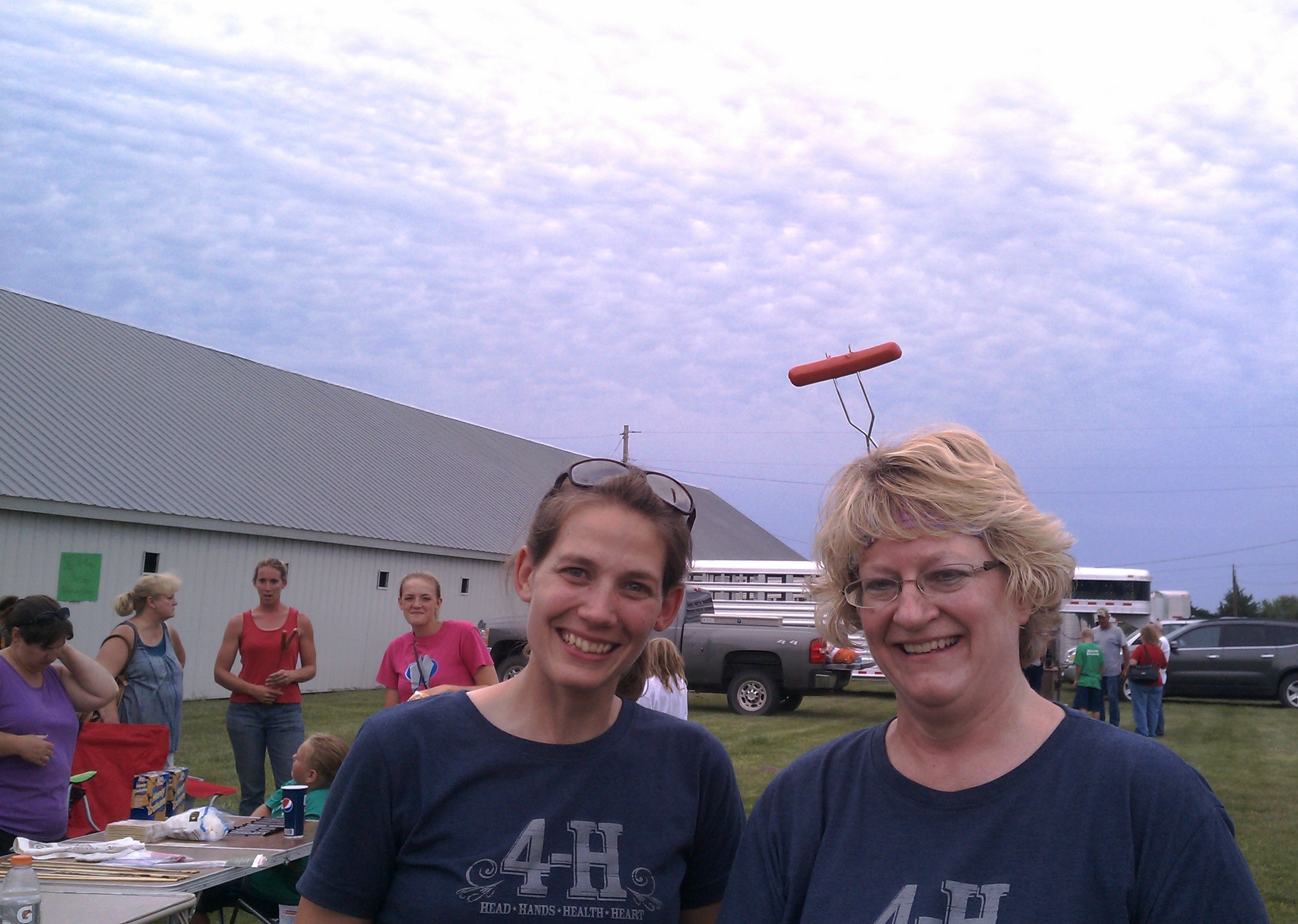
It’s always fun for me to watch the fairgrounds come alive Wednesday night as youth bring in their static exhibits and livestock entries. People are smiling and most youth-particularly the younger exhibitors-are excited. Many people, including me, checked the weather forecast throughout the fair in hopes of rain. This is the first fair in a long time that it didn’t rain Wednesday night or anytime during the fair. Thursday is a busy day with exhibits being judged, livestock being weighed in and the beginning of livestock shows. Something I always enjoy is family fun night on Thursday night. Clouds appeared and families enjoyed kiddie games, shelling popcorn, an obstacle course, and roasting hot dogs and marshmallows. Friday and Saturday continued with the remaining livestock shows and plenty of heat. Sunday brought a fun beef-fitting contest where youth of various ages and clubs worked together. It also brought smiles watching the young children tell their stories and show animals in the Rainbow Classic, watching all our top showmen compete in the Round Robin Showmanship Contest, and wonderful support from all our buyers at the Livestock Auction; we’re thankful for your support.
While probably most people are hot and tired by fair’s conclusion Sunday evening, it’s always a little saddening to me to watch the fairgrounds become empty so quickly again. Deanna and Holli in our office spend a great deal of time preparing for it as do all the youth, parents, grandparents, and 4-H leaders; thank you for all you do and the time you all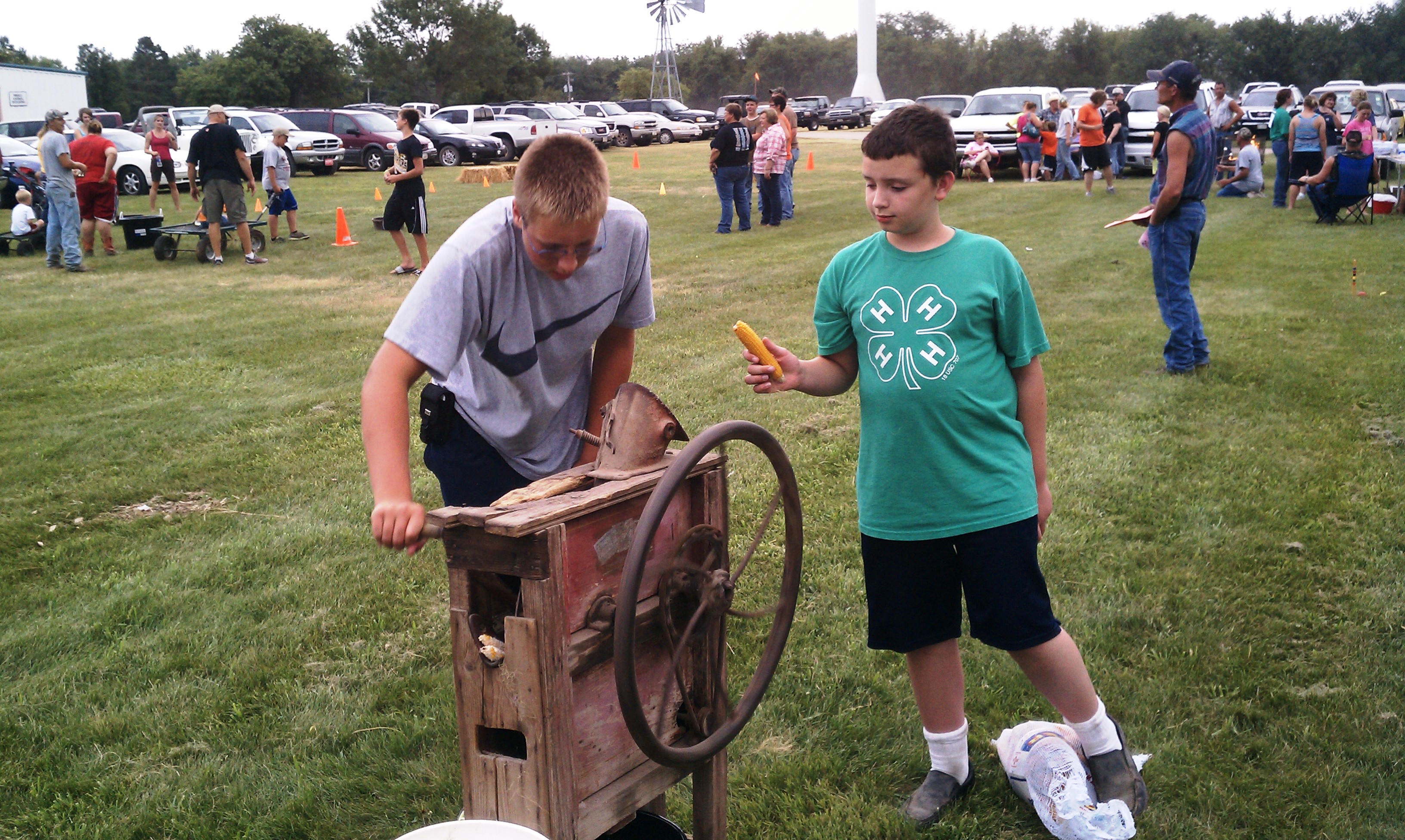 invest in our youth! Thank you to the Fairboard members who spend countless hours preparing the Fairgrounds and always take care of things during fair with a smile-no matter how often they have to plunge the toilets! Thank you to 4-H Council for your help on various committees, your work with the food stand and BBQ, and for all you do. Thank you to all our superintendents and to all our volunteers; without you our 4-H program and fair wouldn’t be possible. Thank you to Tory and the Clay Co. News for all your support and coverage of our fair. We have something so special in our county and I truly feel blessed to work in Clay County! We may not have big-time entertainment at the fair, but I love our fair. I love how the focus is on our 4-H and FFA youth and families; many other counties would love to have that. Our numbers and entries are similar to counties much larger than us and I appreciate the quality brought to the fair each year from our youth. Thank you to everyone for making the 2012 Clay County Fair a success!

Future of Rural America
Sunsets over rolling hills of green pastures and straight corn rows. Barely seeing above soybeans I was walking to remove  weeds. Attending a small school that provided an excellent education with opportunities to participate in a variety of activities to become more well-rounded. These are a few of numerous memories of growing up on the farm and in a rural community that I hold dear. While I enjoy hearing my grandparent’s stories of what life was like for them farming 60 years ago and even enjoy watching the Nebraska State Cornhusking Contests held each year, I also realize times have changed and don’t have a false sense of nostalgia about what rural means today. While technological advances allow our farmers to produce more food for more people with less inputs and less water than ever before, what hasn’t changed about rural communities is the hard work ethic, dedication, risk, determination, and reliance on Faith and family to get through each year.
Last week I had the opportunity to participate in the Rural Futures Conference held in Lincoln. For me, it was the best conference I’ve attended; the energy and enthusiasm from 450 people gathering from a variety of backgrounds all to discuss the future of rural America was refreshing to say the least. My favorite part of the conference was the first evening. The key note speaker Joel Sartore, a Nebraska native who is also a National Geographic photographer, challenged us to maintain a positive attitude and to look for the opportunities that were available in our small towns. For example, one town in Kansas was all about a certain sparrow where they would take people out on field trips to “listen”-they didn’t even get to “see” the sparrow-and people paid money for that! There was also a town in Oklahoma where all they had was rattlesnakes…so they made the most of that too and created a huge attraction around snake handling, pics with snakes, snake skinning, etc.
My favorite part of the conference occurred after that during the youth panel. A panel discussion with Caleb Pollard,  Executive Director of Valley Co. Economic Development in Ord, NE; Amanda Crook, Graduate Student; Anne Trumble, Executive Director of Emerging Terrain in Omaha; Jim McClurg, University of Nebraska Board of Regents; and University of Nebraska Med Center’s Bob Bartee answered questions moderated by Dr. Ronnie Green, IANR Vice Chancellor. The young people struck a chord with me-most likely cause we were of similar age. Some key take-away quotes:
- Vibrant organizations identify strong leadership.
- Failure can be a good thing as it can lead to the next innovation.
- To go some place and change the trajectory of history is exciting!
- We need to change the way we place young people into jobs….we don’t offer young people jobs; we offer them opportunities.
These young people were so excited about living in Nebraska! Some of them had spent time elsewhere before choosing to move back to Nebraska and eventually choosing to find a small town to raise their families or have the rural way of life. Another theme that emerged throughout the conference was the need to get young people involved in the local community such as youth representatives on city council, etc. even as early as when they’re in high school. Some people think small town communities in Nebraska are dead…but that’s not necessarily the case. It mostly depends on leadership-a strong leader will rally the town around an idea to grow it or create opportunities. That’s what’s happening in Ord, NE with Caleb Pollard. Another example comes from Fairfield Iowa. Sometimes it just takes the right person to ignite a spark and help the rest of the town see the possibilities. Nebraska has so much to offer!
Frans Johansson, author of The Medici Effect, was also a phenomenal speaker! He spoke about creating breakthrough innovations by thinking outside the box and working at intersections of different disciplines/cultures, etc. Key points I obtained from him include:
- New ideas are combinations of existing ideas.
- People who change the world try FAR more ideas.
- Diverse teams can unleash an explosion of new ideas.
- Find inspiration from fields/cultures other than our own.
- Look for the smallest executable step-essentially don’t eat the elephant in one bite.
- Stepping into intersections isn’t risky-it’s risky to do the same thing over and over again.
Maybe these aren’t earth-shattering new concepts, but good reminders for a task as large as creating a Rural Futures Institute…and frankly for anything in life.
There was much discussion about the role of a University/State/Community Colleges in trying to save rural communities…how is this done…how build partnerships and trust…how to provide incentives to faculty working in creative/innovative ways in a structured academic setting when it comes to promotion and tenure…and even if the University changed its incentives, how does that bode if a faculty member moved on to another University? How are incentives provided to teams and excellent team work? We are standing at the crossroads…maybe an intersection right now in academia which can shape the future of creatively rewarding innovative work while still maintaining needed structure in the promotion/tenure process. I remain positive that we’ll find a way to work through this!
There were discussions in small groups regarding the meaning of rural. What does it entail? Often we think of agriculture-and I would argue that’s a strong part of rural-but it’s also much more…health care, infrastructure, industry, schools, broadband, etc. Some were saying we need to use the term non-metro instead of rural in order to get away from the ag connotation. Yet others felt the discussion was too focused away from agriculture on other components of rural and missing ag as a key component. Needless to say, the entire conference provided interesting discussion, dialogue, and a chance to meet people from a variety of backgrounds. It truly provided an opportunity to look for intersections with which to create innovative ideas for the future.
There was also the reality that hit during focused group conversations that there are also problems that need to be addressed in rural communities that weren’t touched on at this point: poverty; crime; infrastructure; food deserts; building trust and interfacing with university, college, and other partners, etc. Overall it was a thought-provoking conference and has the feel that several small steps can be achieved in the coming year. I would encourage you to check out the Web page and follow the Facebook page. You can also check out the Twitter Conversation at #RFC2012. This conference was also not just focused on Nebraska as the focus was the Great Plains and people from numerous states attended. I’m looking forward to seeing the small executable steps that will occur in the future and am also looking forward to doing my part to maintain strong rural communities as I’d like to see the next generation enjoy the rural life and learn the values I did growing up!
Spring!
Happy Belated Spring! I meant to get this posted earlier this week but just didn’t get it done. I love living in Nebraska and  being able to observe God’s creation via the changes in seasons! Spring and Fall are probably my favorite, but there’s beauty in all of them. Everything is 2-3 weeks early this year so will be interesting to see if we end up with March going out like a lion or if we end up with an Easter freeze like we did a few years ago. While it wasn’t a bad winter, I always enjoy seeing new life and green in the springtime!
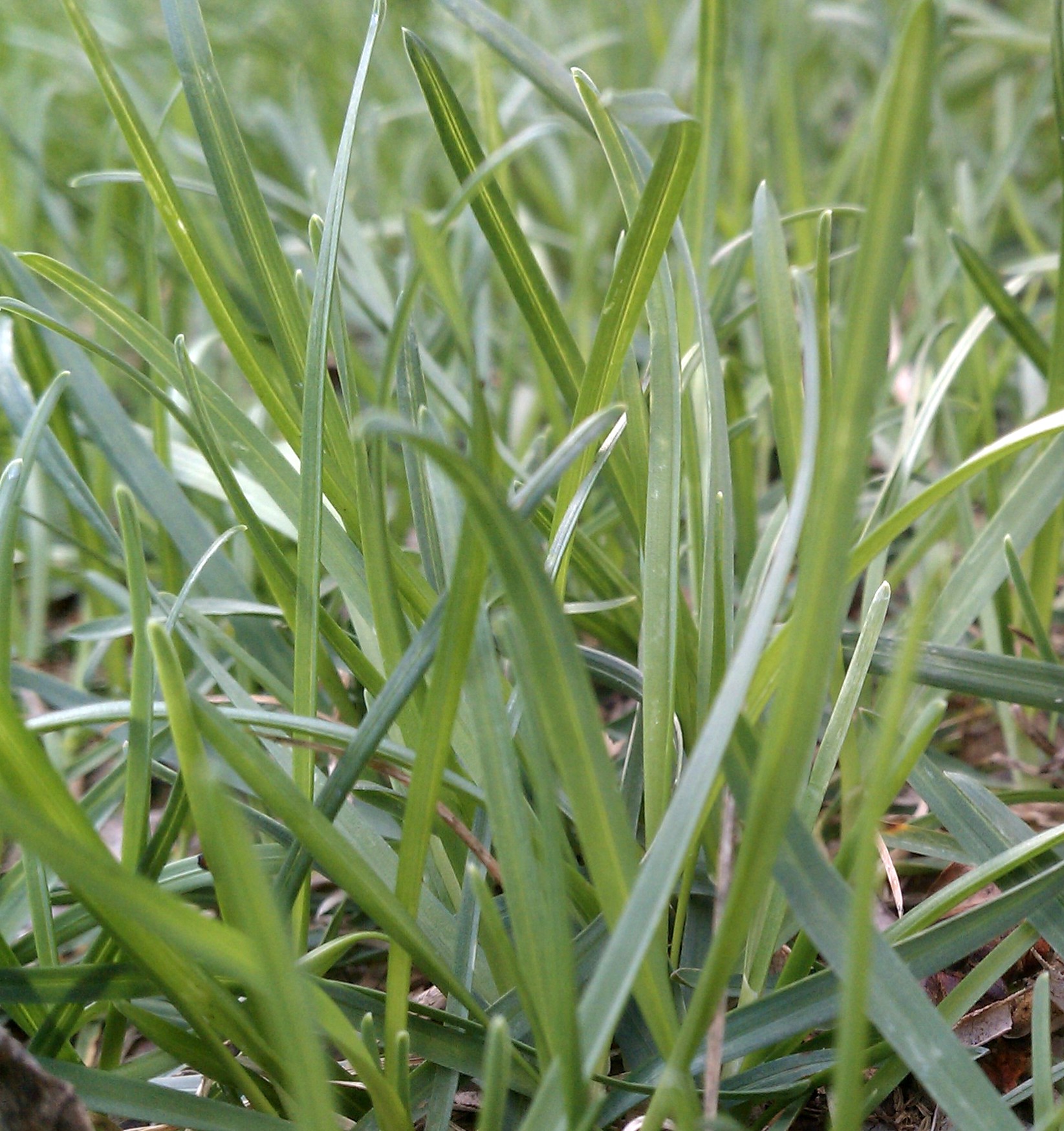
Grass greening up in front lawn. Sending this pic out to my husband who has seen grass very little in 9.5 months in Afghanistan! Will look forward to you helping me mow when you return! : )
My favorite tree is the magnolia and someday I hope to have one! I always enjoy going to UNL East Campus in the spring and seeing the magnolias in bloom. However, I was surprised how quickly they bloomed this year and that they were already loosing their blossoms!

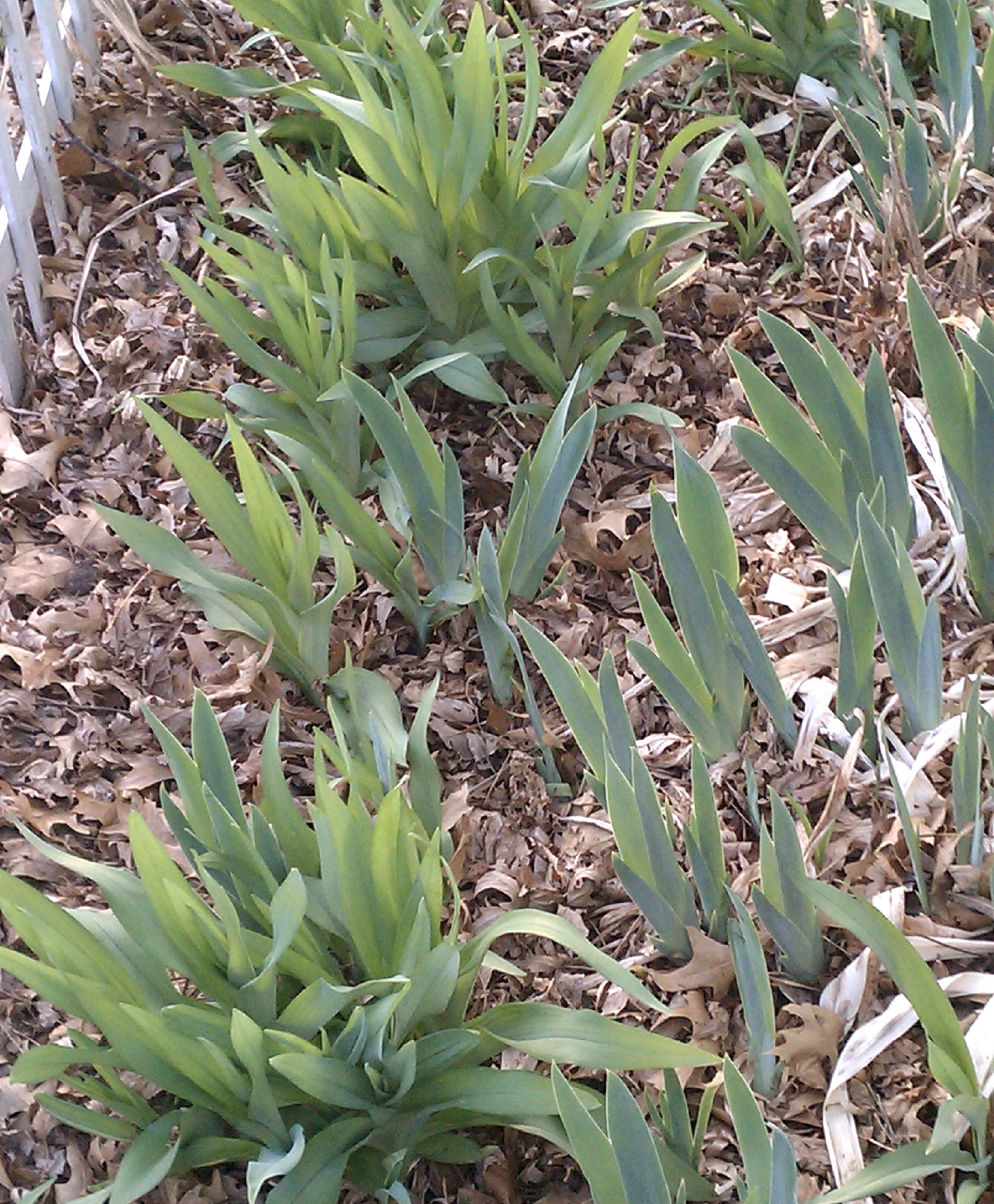
Through the leaf mulch even my iris and daylillies are emerging. I haven’t removed mulch yet in the event we end up with a cold snap. It’s still early, though tempting!
Great resources from UNL regarding horticulture and turf: http://byf.unl.edu/ and http://turf.unl.edu/.
Crop Science Investigation Camp
This is the first year we are doing a Crop Science Investigation (CSI) Big Red Camp for youth! We’d encourage any youth who enjoy plants, science, and agriculture who are 15-18 years old and who are interested in having fun learning about these topics to check this out! Big Red Camps are open to youth in any State. Please help spread the word!

Are you interested in science, agriculture, plants, crops, insects, or diseases? If so, join our team of detectives to solve crop-related problems in the Crop Science Investigation (CSI) Big Red Camp! Become a detective while participating in hands-on sessions to learn about and increase your knowledge of crops, science, and agricultural careers. Youth detectives will interact with agronomic professionals across Nebraska to solve experiments in: nutrient management; managing disease, insect and weed problems; water management; crop production, and much more! Do you have what it takes to become a CSI detective?
There are a variety of careers related to plant sciences such as: Agricultural Communicator; Agronomist; Cro p Consultant; Crop Insurance Adjuster; Educator; Co-op Manager; Farmer or Rancher; Farm Credit Banker; Field or Lab Researcher; Plant Breeder; Soil or Water Conservationist; Seed, Fertilizer, or Chemical Sales; or Technical Representative.
Scholarships are available in the amount of $300 to participants…
View original post 172 more words
Protecting #Nebraska #Ag & #Farm Transition
A few weeks ago I shared some thoughts with you regarding what I learned from an animal welfare conference. We have an opportunity to hear more in at a much closer location-Sutton Community Center in Sutton-on March 12th at 6:00 p.m. Dewey Lienemann, UNL Extension Educator will be presenting on “Protecting Nebraska Agriculture” following a meal sponsored by the Sutton Chamber of Commerce Ag Committee as well as area Cattlemen Associations, Breeders & Feeders, and Ag Producer groups. Anyone interested is invited to attend-and I would encourage anyone who possibly can to attend. This topic not only affects livestock producers, it affects crop producers, and consumers as well. It’s very important to understand how various interest groups are attacking animal agriculture and why and how we in rural America can share our stories. Please pre-register by contacting Tory Duncan at (402) 773-5576 or ccntory@gmail.com or Todd Mau at (402) 773-5224 or todd@toddstrailers.com.
Another opportunity for learning more about family farm transition is with the last Farmers/Ranchers College program this year. It will be March 15 in Friend at the San Carlos Community Room (next to the Pour House) with meal beginning at 6:00 p.m. (Registration at 5:30 p.m.) The program entitled “Discussing the Undiscussabull” will be presented by Elaine Froese from Manitoba, Canada. Froese’s expertise in helping families get unstuck is sought after across the country. She has worked with families in business for over 20 years and is now coaching the next generation. Elaine believes that change is an opportunity, not a threat…she has practical tools to help people discuss the “undiscussabull” to make their dreams come true. In order to save your spot and reserve a meal, registration is needed by calling the Fillmore County Extension office at (402) 759-3712. The Farmers & Ranchers College is sponsored by area agribusiness, commodity groups in collaboration with the University of Nebraska-Lincoln Extension.
Women in #ag #farm Transition
Last week I attended the Women in Ag Conference in Kearney. It’s always a great conference to see many friends and meet 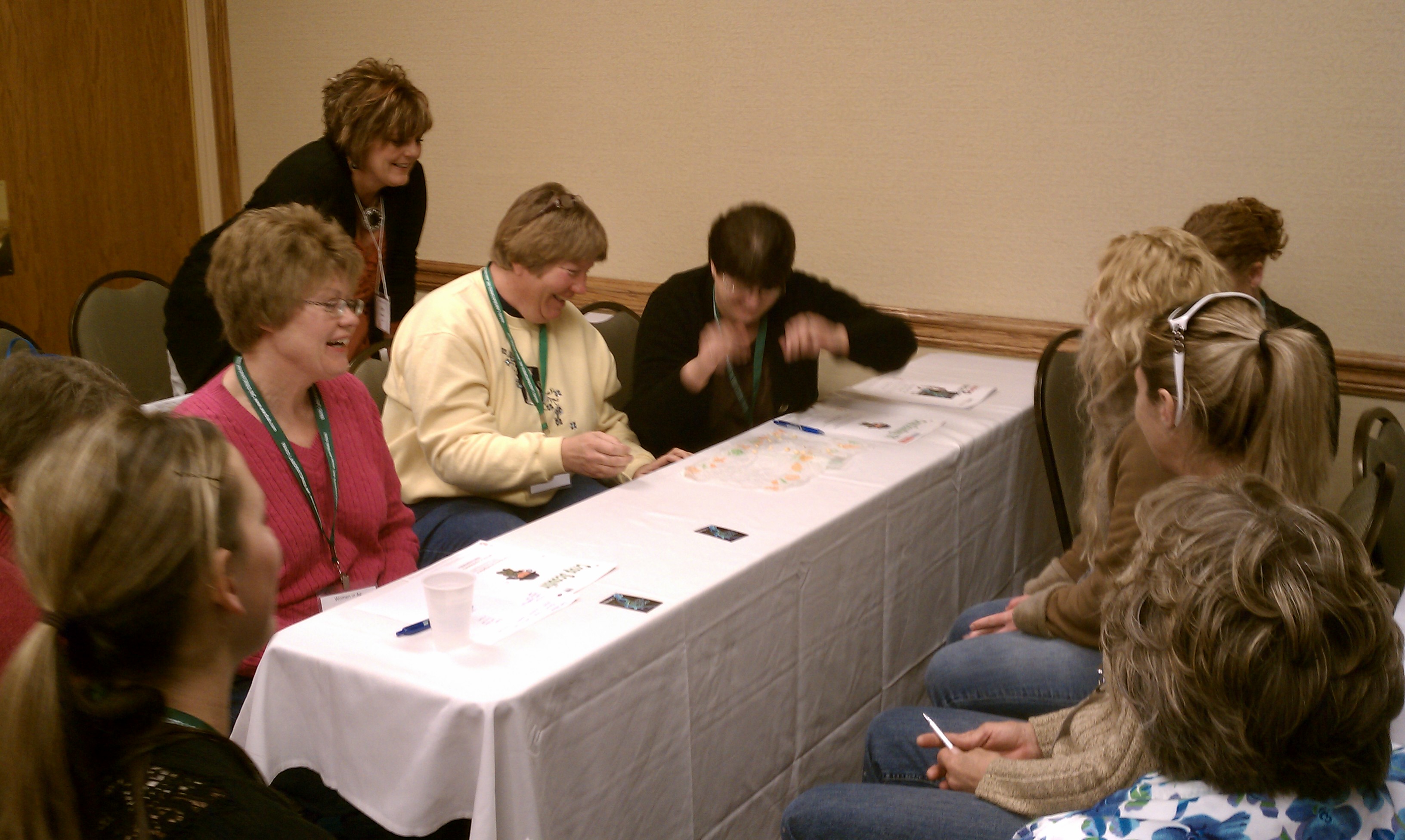 new ones who live and work in agriculture! I also enjoyed teaching a very engaged group of women the second day about crop science investigation. It was fun for me to see them dig into the hands-on activities!
The first session I attended was by Dave Specht from the UNL Ag Economics Dept. He does a great job of relating to the audience and talked about “Woman’s Influence-the Key to Generational Business Transitions”. Dave has a consulting business on the side and as part of that business he meets with families to develop a farm transitional plan based on the Continuity Quotient he developed. The Quotient contains 7 parts and I’ll share some key highlights via questions he raised that stuck out to me. Perhaps they’ll raise more questions for you as well.
1-Business/Estate Planning: The goal of the business/estate plan is to reduce the number of surprises to the farm and family members upon death of the farm owner. Is your plan coordinated with all the advisers in the operation and does it consider the perspectives of all the generations involved in the operation? Is it even documented and has it been communicated to the entire family before the owner passes away?
2-Communication: Are family members able to openly discuss the farm and what it means to them?
3-Leadership Development: No one is ever “ready to take ownership”; it is learned along the way. Opportunities for the next generation to make decisions need to be allowed. Often we hear of exit plans, but is there an “entrance plan”-a strategy to invite the next generation back to the farm?
4-I didn’t catch the name of this point but essentially Dave was saying that if the next generation is always asking his/her parents for a bailout, that it delays the trust that the person can someday operate the farm. How the next generation handles personal finances is important in showing he/she can someday run the operation.
5-Personal Resilience: How does the next generation handle challenges? Does the person retreat and avoid them or does the person look for ways to overcome them and use it as a growing experience? If the person retreats, he/she may not be wired for ownership in the future.
6-Retirement/Investment Planning: When will the older generation plan to retire? How much will the farm support (meaning how many people)? Where will retirement cash flow come from? The goal is to not rely on the next generation to generate your entire retirement income.
7-Key non-family employees: Sometimes the most valuable family business asset goes by a different name! Is the vision for the family farm communicated to these employees? How you talk about employees to next generation and how you talk to next generation about the employees is important in dictating future partnerships; someday the employees and next generation will be partners.
I would recommend checking out Dave’s Web site at http://www.davespecht.com for more information. He provides communication and consultation about farm transition and financial planning. Life is so short! Make sure you have a plan in place that follows the keys Dave provided above!
Cornhusker Economics Conference
The Cornhusker Economics Conference will focus on the ag outlook and management decisions for farmers and ranchers at  Clay Center on February 29th at the Clay County Activities Building at the Clay County Fairgrounds. The program will run from 10:00 a.m.-2:30 p.m. with registration beginning at 9:30 a.m. The conference will cover key topics affecting farm management and production decisions for 2012. It is offered by UNL Extension and the UNL Department of Agricultural Economics and is sponsored in part by funding from the Nebraska Soybean Board.
Dan O’Brien of Kansas State University will share his insight on grain and oilseed outlook and risk management decisions in today’s uncertain markets. While market volatility shows the need for sound hedging strategies, concerns about futures market performance and the recent MF Global bankruptcy affecting hedge margin accounts raise questions about the best path ahead for managing market risk. O’Brien will bring his experience and analysis of futures market performance to bear on the issues and discuss implications for producer decisions.
Shane Ellis, livestock marketing specialist at Iowa State University, will discuss the outlook for livestock markets and producer profitability. With outlook for meat demand and continued reductions in cattle supplies, the market fundamentals look strong, but must weigh against grain supplies and feed prices. Ellis will bring his expertise to the situation and provide guidance for producer marketing and production decisions in 2012.
The land market has also been moving in the past year and UNL Extension Educator Allan Vyhnalek will use his local knowledge and analysis to discuss land markets and leasing arrangements with implications for producer decisions. The closing session will feature a focus on agricultural policy and the direction for new farm programs. Brad Lubben, policy specialist, will discuss the policy outlook in Washington and the major policy developments that could affect agriculture in 2011. Then, Lubben will team with UNL Extension educators to discuss specific directions for the new farm bill and implications for farm programs, conservation programs, and risk management decisions.
There is a $25 registration fee to cover programming expenses for speakers, materials, and the noon meal. Please RSVP to Jenny Rees at the Clay County Extension Office at (402) 762-3644 or jrees2@unl.edu by Feb. 27 so we can obtain a meal count. Hope to see you at the excellent conference!


 JenResources