The Season for #ag & #horticulture Questions!
This past week was a blur of calls, questions, and visits to homes and fields but it was a great week and flew by staying very busy! I’ll touch on a few of the common questions I’ve received this week.
Trees: Some trees such as willows, hackberries, tops of maple trees, ash, and black walnut are just taking time leafing out. Some trees leafed out once already and dropped leaves. Things that may have caused this were the sudden flux of temperatures from very warm to cool and the strong winds we received. Some trees have also unfortunately had herbicide drift damage that caused leaves to drop. On those trees, watch for new buds as nearly every situation I’ve looked at thus far have new buds forming after about a week-10 days. With all these situations, give the trees a few weeks to leaf out again and if they’re still not doing it, feel free to give me a call. Trees are interesting plants as sometimes environmental impacts that happened 3-5 years ago will show up that much later-and sometimes environmental impacts show up right away!
Disease/Insect issues: This year has been a strange year all around but with our warm winter, I was concerned about an increase in diseases and insects. Thus far, we’re experiencing increases in both-so hang on-it may be a long growing season! Our high humidity, warm temps, and heavy dews have created perfect conditions for fungal diseases on our trees, ornamental plants, lawns (I’m currently fighting a bad case of powdery mildew-as a plant pathologist it is kind of pretty but I don’t like what it’s doing to my lawn!), and in our wheat and alfalfa crops and some pasture grasses. Fungicides may help in some of these situations, increasing airflow can also help as can more resistant varieties or hoping the weather will change. In the case of most ornamentals, we don’t usually recommend doing anything. The same goes for insects as insecticides can help in some situations. I’ve received several calls this past week of people afraid they had herbicide drift damage. While there were a few cases of that, many of the cases were actually fungal leaf spots on leaves. There are various fungicides and insecticide products available from home/garden centers, etc. Be sure to read and follow all label directions and only apply the product on places the label specifies it can be applied.
Crops Update: Later this week we may have a better idea on the extent of storm damage and if some fields will need to be 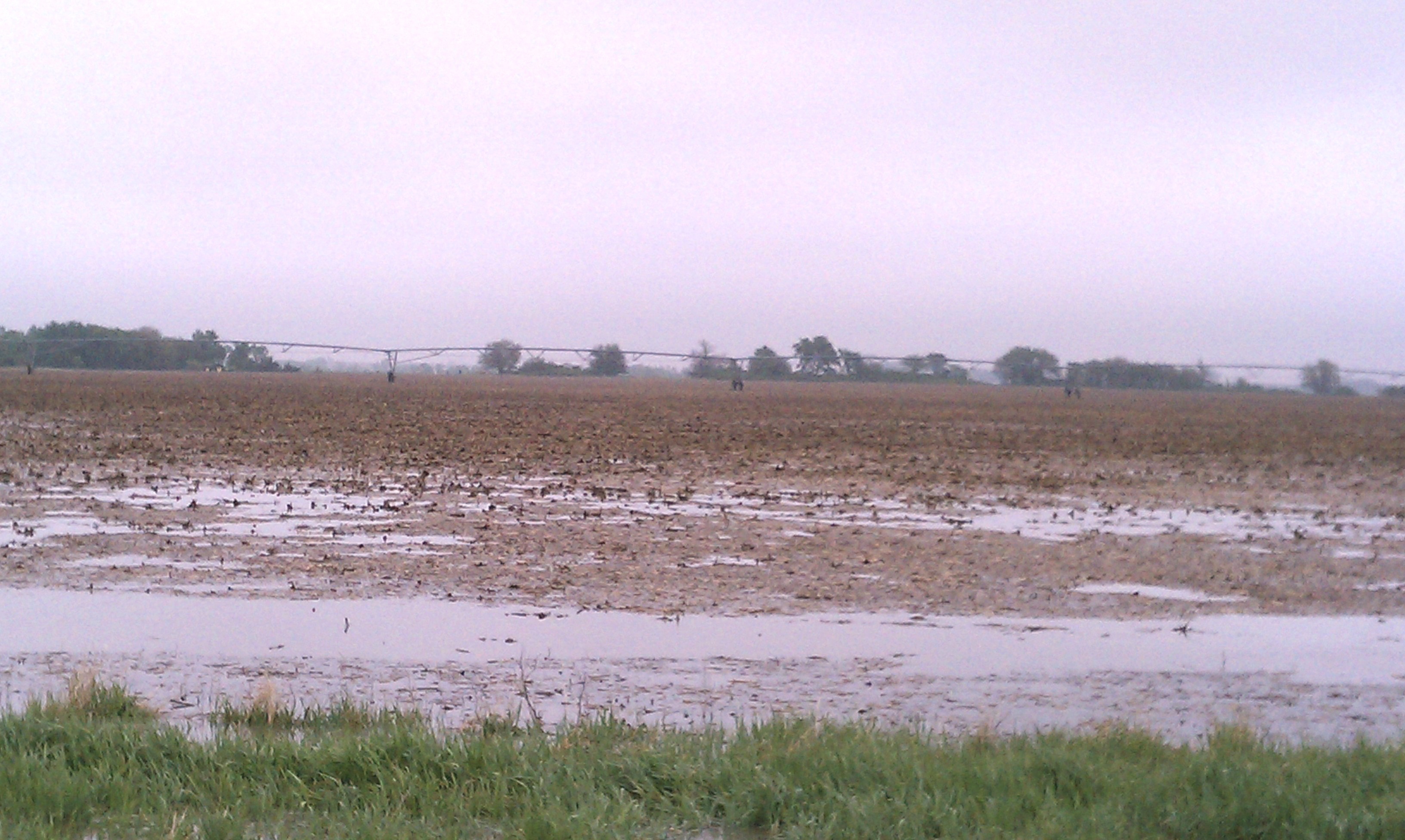 replanted after the storms from last week. Dr. Bob Nielsen from Purdue University reported that most agronomists believe young corn can survive up to about four days of ponding if temperatures are relatively cool (mid-60’s F or cooler); fewer days if temperatures are warm (mid-70’s F or warmer). Soil oxygen is depleted within about 48 hours of saturation and we know soil oxygen is important for the root system and all the plant’s life functions. So we’ll have to wait and see what happens.
Have also had a few calls regarding rye cover crops. When rye is killed out and decomposing, it releases toxins that can affect the germination of other cereal crops such as corn if it’s going to be planted into that rye cover crop. Thus we recommend at UNL that the producer kill the rye and then wait at least two weeks to prevent any major damage to the crop. I realize at this point with the rains to get in and kill that crop on top of waiting an additional two weeks, we’re getting close to the end of the month and will most likely be looking at reduced yields…and depending on maturity, you may need to consider different seed if you end up having to plant in June. If you have specific questions about this, please let me know and we can talk through some situations.
Stripe rust and powdery mildew have been obliterating mid-lower canopies of many wheat fields. I’ve received several calls on why wheat canopies are yellow-that’s the main reason but other factors such as the dry spell prior to these rains and/or deficiencies in nitrogen/sulfur or some viruses may also have been factors. Wheat in Nuckolls County last week was beginning to flower. Fungicides such as Prosaro, Folicur, or Proline are labeled for up to 50% flowering and cannot be applied after that. Remember the wheat head begins pollination in the middle-so if you’re seeing little yellow anthers at the top or bottom of that head, you’re towards the end of flowering. All those products have a 30 day pre-harvest interval-which has been the other main question-are we going to be harvesting in a month? I do believe we’ll be harvesting a month earlier than normal just because pretty much everything in wheat development is about a month ahead of schedule. I still feel the 30 day window for the fungicide application is worth it with the large amount of disease pressure we’ve seen. Wheat in Clay Co. and north still may have time for a fungicide application; those products mentioned above will help prevent Fusarium Head Blight (scab) as well as kill the fungi causing disease already present on your leaves. A list of all fungicide products, pre-harvest restrictions, and rates can be found here. Also check out my previous blog post with video on scouting for wheat diseases.
The other major disease appearing in wheat is barley yellow dwarf virus. This is a virus vectored by bird cherry oat aphids which we were seeing earlier this year. Unfortunately, this disease causes the flag leaves to turn bright yellow-purple causing yield loss (at least 80% of the yield comes from the flag leaf) as there’s nothing you can do once the virus manifests itself in those leaves. If you have a large incidence of barley yellow dwarf in your fields, you may wish to reconsider spraying a fungicide as the fungicide won’t kill the virus; however, it will help kill the fungi on the remainder of your leaves and potentially help protect some yield from the two leaves below the flag leaf.
Evergreen Tree Diseases
Somehow April flew by without me reminding you to apply fungicide sprays to Austrian and Ponderosa pines that have had  problems with Sphaeropsis tip blight in the past. I’ve also received several scotch pine samples in the office to diagnose for pine wilt nematode. While there is no cure for pine wilt, I recommend to take a 6” long, 1-2” diameter sample of a dead branch to your local Extension office for diagnosis before cutting down the tree. Pine wilt affects Austrian (long needles groups of 2) and Scotch pines (short needles in groups of 2) as they are non-native trees while the nematode is native. Since ponderosa pines (long needles in groups of 2 and 3) are native to Nebraska, they don’t seem to be affected by pine wilt nematode.
Pine wilt is caused by beetles carrying pine wood nematodes vomiting them into the water-carrying vessels of the tree (xylem). The tree senses the nematodes and essentially blocks water to those branches. Often you will observe a branch then perhaps a side of the tree and eventually complete death of the tree within 6-9 months. While I have diagnosed many samples of pine wilt, more often when I visit homeowners the tree problems are due to fungal diseases which occur on the needles. If you look closely at your needles and observe dark bands or rings on them followed by death of the needle either direction from the band, the tree problem is most likely due to a fungal needle blight like dothistroma in Austrian and Ponderosa pines or brown spot in Scotch pines. They can all be prevented by spraying a fungicide containing copper sulfate in the spring.
With everything about 3 weeks early this year, now is the time to spray Ponderosa and Austrian pines for needle blight and spruce trees that have had problems with needle cast or shoot blight where the new growth has died in the past. In early June spray for needle blight problems in Scotch pine and cercospora blight on cedars. If you have a windbreak of combinations of these trees and don’t want to spray twice, I recommend at least spraying in early June to catch all of them. Increasing air flow by cutting out some trees is another way to reduce fungal diseases on your trees.
Also watch trees for bagworms as you may be able to tank mix a fungicide/insecticide application in early June if needed. We would recommend picking the bags off trees and burning them, but that’s just not feasible in windbreak situations. To know when to spray, take a few of the bags off the tree, place them into a plastic ziplock bag, and place outside on the south side of your house. When the larvae emerge from the bags, check your trees to see if larvae can also be observed on them. Pyrethroid insecticides are recommended for managing bagworms because they cause an irritation that makes the larvae leave the bags and allow them to be exposed to the pesticide.
Great brochure! Evergreen Diseases
Drop #Soybean Seeding Rate & Save $
Increasing input costs are forcing producers to evaluate every decision they make. With soybean seed costs on the rise, producers in the Greater Quad County On-Farm Research group wondered if they could reduce their soybean populations while maintaining yield and saving money. On-farm research conducted in field scale, randomized, and replicated farmer plots and at the South Central Agricultural Laboratory near Clay Center from 2006-2008 proved producers could.
Since 2006, planting rates of 90,000, 120,000, 150,000, and 180,000 seeds per acre have been planted in 12 irrigated soybean fields on 30-inch rows. Prior to this research, most of these producers usually planted 160,000-180,000 seeds/acre. The 90,000 low rate was determined based on UNL research recommending not to replant a hailed soybean stand if at least 90,000 plants/acre remained in the field.
|
|||||||||||||||||||
In 2008, cooperating producers used these same rates to plant soybeans at five sites with 20 replications. Planting dates ranged from April 29 to June 3. In the end, there was little difference in percentage stand and yield among the four planting rates (see Table 1). The 120,000, 150,000, and 180,000 yields were statistically the same (only a 0.3-bushel difference between the 120,000 and 150,000 rates) and were significantly better than the 90,000 seed-per-acre plots; however, note that the 90,000 plot yielded only 1.7 bu/ac less than 150,000 plot. All data was statistically analyzed to determine the yield differences due to the various treatments.
The findings are similar to the 2006 and 2007 studies. In 2006, yield results ranged from 65.5 bu/ac at 90,000 to 67.4 bu/ac at 180,000. In 2007 yield results were 59.4, 59.6, 59.4, and 60.2 bu/ac for 90,000, 120,000, 150,000, and 150,000 respectively with no statistical difference.
Most likely, these results are indicative of soybean’s ability to compensate for reduced populations. Figure 1 shows increased plant branching at lower populations compared to less branching at higher populations. This was observed in all fields regardless of variety. Also observed in 2008, were two additional nodes/plant at the 90,000 population compared to the 180,000 population. Nodes are important as flowers, pods, and ultimately yield are produced from them.
A dryland field in Nuckolls County also showed interesting results. This field was hailed at the cotyledon stage, so planted populations of 100K, 130K, and 160K became average actual stands of 74,417; 89,417; and 97,917 plants per acre. August rains in 2006 helped deliver yields of 38.6, 40.6 and 42.7 bu/ac, respectively.
Figure 1a. Lower planted populations of 120,000 compensated for reduced plants by increased branching, flowering, and pod set, regardless of typical variety architecture.
|
Figure 1b. Fields with planted populations of 150,000 were observed having a more erect architecture with reduced branching compared to fields planted at rates of 120,000. |


Rates for Drilled Soybean:
In 2006, one drilled field in irrigated conditions in Fillmore County yielded 68.4 bu/ac, 66.6 bu/ac, and 67.2 bu/ac for planting rates of 150,000, 175,000, and 190,000 seeds per acre respectively. Another study in 2006 conducted by the Soybean Feed Grains and Profitability Project in a rain-fed field in Lancaster County showed a slight but significant yield advantage to drilling soybean at a rate of 152,500 seeds per acre compared to 115,000 seeds per acre. Yield for the higher seeding rate was 56.8 bu/ac compared to 56.0 bu/ac with the lower seeding rate. When using grain drills and reducing soybean populations, variable seed spacing and seed depth within a drilled row can be an issue for soybean emergence. This is why a population increase for drilled beans is often recommended.
Recommendation: Plant Soybeans at 120,000 Seeds/Acre
Based on three years of consistent research results, UNL specialists recommend reducing planting populations from an average of 160,000 seeds/acre to 120,000 seeds/acre in 30-inch rows. This reduction of 40,000 seeds per acre results in a savings of $10.66 to $18.57 per acre based on seed costs of $40-65 a bag. For three years producers were able to achieve a 90% stand and have not seen a statistical yield variance from 150,000 or even 180,000 seeds/acre. With soybean seed costs increasing, reducing soybean planting populations is another way producers can survive high input costs of crop production.
Plant #Soybeans Early for Increased Yields
While I got this posted in our CropWatch Web site, I didn’t get it on my blog till now! Hopefully this inspires many of you to get soybeans planted yet this week! 
Planters are rolling throughout the state and given the size of today’s equipment corn planting is rapidly progressing. Based on UNL research, we would encourage you to consider planting your soybeans as soon as possible—preferably before the end of April for the southern two-thirds of Nebraska and or the first week of May for the northern third of Nebraska. While evening temperatures have been low, consider the percent risk of frost for emerged plants not planted seeds. The above recommendation considers a 10% risk of frost 7-10 days after planting, the time when soybeans would most likely emerge.
Why plant early? Five years of UNL small plot and on-farm research has proven that early planted soybeans yield more than late planted beans—regardless of whether the spring has been cold and wet or warm and dry. Soybeans are a photoperiod-sensitive crop so the goal is to allow the plant to use the sun’s energy to accumulate as many nodes as possible as day length decreases after June 21. Nodes are important because that’s where pods, seeds, and ultimately yield are produced. The goal is to have the soybean canopy “green to the eye by the fourth of July!”. Thus the plants are absorbing all the sunlight possible not allowing any to be wasted by hitting the soil.
Table 1 shows how three years of on-farm research have resulted in an average of 3 bu/ac yield increase (with a range of 1-10 bu/ac depending on the year and the planting date range of early versus later planting). With today’s soybean prices, a 3 bu/ac yield increase adds up (see Table 2). We do recommend a fungicide/insecticide seed treatment to reduce the risk of damping off diseases and bean leaf beetles which tend to feed on early-planted soybeans.
Several previous CropWatch articles explain soybean planting date in more detail. Please see these for more information:
- For Increased Yields Plant Soybeans in Next Two Weeks
- Three Reasons Why Soybean Planting Date Matters
- Farm Research Shows Benefits of Planting Soybeans Early
- Risks and Caveats of Early Planting Soybeans
Table 1: Nebraska On-farm Research Early and Late Planted Soybean Yield Results (2008-2010)
|
Year |
Producer |
Date |
Reps |
Rainfed/ Irrigated |
Variety |
Row Spacing |
Yield (bu/acre) |
|
2008 |
SCAL Early |
Apr. 29 |
3 |
Irrigated |
Producers 286 |
30” |
67.2 |
|
2008 |
SCAL Late |
May 15 |
3 |
Irrigated |
Producers 286 |
30” |
65.8 |
|
2008 |
Seward Co. Early |
Apr. 30 |
3 |
Irrigated |
NC+ 2895 |
30” |
68.4 |
|
2008 |
Seward Co. Late |
May 19 |
3 |
Irrigated |
NC+ 2895 |
30” |
66.2 |
|
2008 |
York Co. Early |
Apr. 23 |
8 |
Irrigated |
Producers 286 |
30” |
66.9 |
|
2008 |
York co. Late |
May 14 |
8 |
Irrigated |
Producers 286 |
30” |
63.5 |
|
2008 |
Fillmore Co. Early |
Apr. 30 |
7 |
Irrigated |
Pioneer 93M11 |
30” |
81.0 |
|
2008 |
Fillmore Co. Late |
May 19 |
7 |
Irrigated |
Pioneer 93M11 |
30” |
77.5 |
|
2009 |
SCAL Early |
Apr. 27 |
4 |
Rainfed |
Pioneer 93M11 |
30” |
37.6+ |
|
2009 |
SCAL Late |
May 18 |
4 |
Rainfed |
Pioneer 93M11 |
30” |
37.2 |
|
2009 |
Saunders Co. Early |
May 3 |
6 |
Rainfed |
NC+ A63RR |
15” |
66.6 |
|
2009 |
Saunders Co. Late |
May 21 |
6 |
Rainfed |
NC+ A63RR |
15” |
65.1 |
|
2009 |
SCAL Early |
Apr. 27 |
4 |
Irrigated |
Pioneer 93M11 |
30” |
70.2 |
|
2009 |
SCAL Late |
May 18 |
4 |
Irrigated |
Pioneer 93M11 |
30” |
68.1 |
|
2009 |
Fillmore Co. Early |
Apr. 24 |
4 |
Irrigated |
Pioneer 93M11 |
30” |
69.5 |
|
2009 |
Fillmore Co. Late |
May 15 |
4 |
Irrigated |
Pioneer 93M11 |
30” |
68.4 |
|
2009 |
Seward Co. Early |
Apr. 24 |
4 |
Irrigated |
NC+ 2A63 |
30” |
73.2 |
|
2009 |
Seward Co. Late |
May 20 |
4 |
Irrigated |
NC+ 2A63 |
30” |
71.3 |
|
2009 |
York Co. Early |
Apr. 30 |
3 |
Irrigated |
NK 28B4 |
30” |
59.1 |
|
2009 |
York Co. Late |
May 15 |
3 |
Irrigated |
NK 28B4 |
30” |
58.6 |
|
2010 |
Saunders Co. Early |
Apr. 18 |
6 |
Rainfed |
Channel 2751 |
15” |
75.7 |
|
2010 |
Saunders Co. Late |
May 18 |
6 |
Rainfed |
Channel 2751 |
15” |
71.2 |
|
2010 |
Seward Co. Early |
Apr. 19 |
6 |
Irrigated |
Channel 3051RR |
30” |
72.0 |
|
2010 |
Seward Co. Late |
May 24 |
6 |
Irrigated |
Channel 3051RR |
30” |
62.3 |
|
|
Average Early |
|
|
|
|
|
70.0* |
|
|
Average Late |
|
|
|
|
|
67.1 |
*Statistically significant at 95% level.
+SCAL Rainfed was not included in the combined statistical analysis but Saunders Co. Rainfed was compared with irrigated yields from other locations.
Table 3: Economic Advantage to a 3 bu/ac Yield Increase Due to Early Soybean Planting Date
| Price of Soybeans | $ 7.00 | $ 8.00 | $ 9.00 | $ 10.00 | $ 11.00 | $ 12.00 | $ 13.00 | $ 14.00 |
| Economic Advantage | $ 21.00 | $ 24.00 | $ 27.00 | $ 30.00 | $ 33.00 | $ 36.00 | $ 39.00 | $ 42.00 |
Spring Miller Moths!
They’re everywhere! Finding ways to get inside homes, lining the sides of houses, and swarming around lights at night. The
For homeowners, if you have shrubs or bushy plants around your homes, you may notice more of these millers as they reside in these types of areas. There’s no chemical for controlling them. Some things you can do are change your outside lights from white to yellow and keep outside lighting to a minimum. Also caulking can help. Ultimately, they’re a short term nuisance and more information about their life cycle and management from Dr. Bob Wright, UNL Extension Entomologist, can be found at our UNL CropWatch Web site.
Lawn Care
I really appreciated Gary Zoubek presenting at our lawn care workshop last Thursday! I also appreciated all the questions and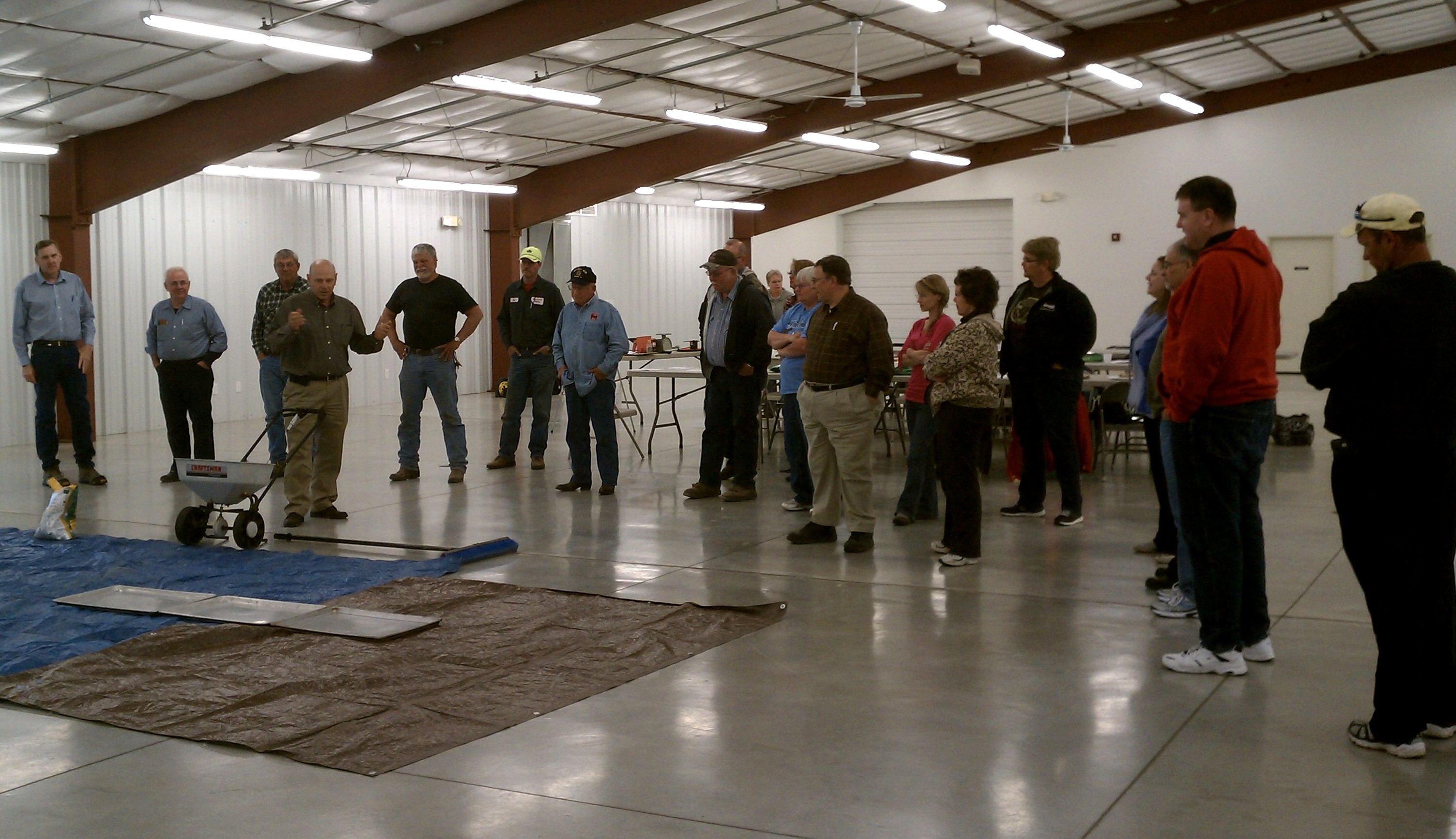 good discussion; hopefully everyone walked away learning at least one new idea or tip!
One common question was what to do with areas that were killed out by summer patch last summer. Summer patch is a fungal disease that is favored by applying nitrogen too early in the spring, by a compromised root system by too wet of soils in the spring, by stress from summer heat, and irrigating in the evenings. Last year I was receiving calls from all over the County regarding this disease. Eventually affected areas can refill, but in many cases, that just didn’t happen. Preventive fungicides right now are recommended to help prevent the fungus from causing damage to your lawn again this summer. 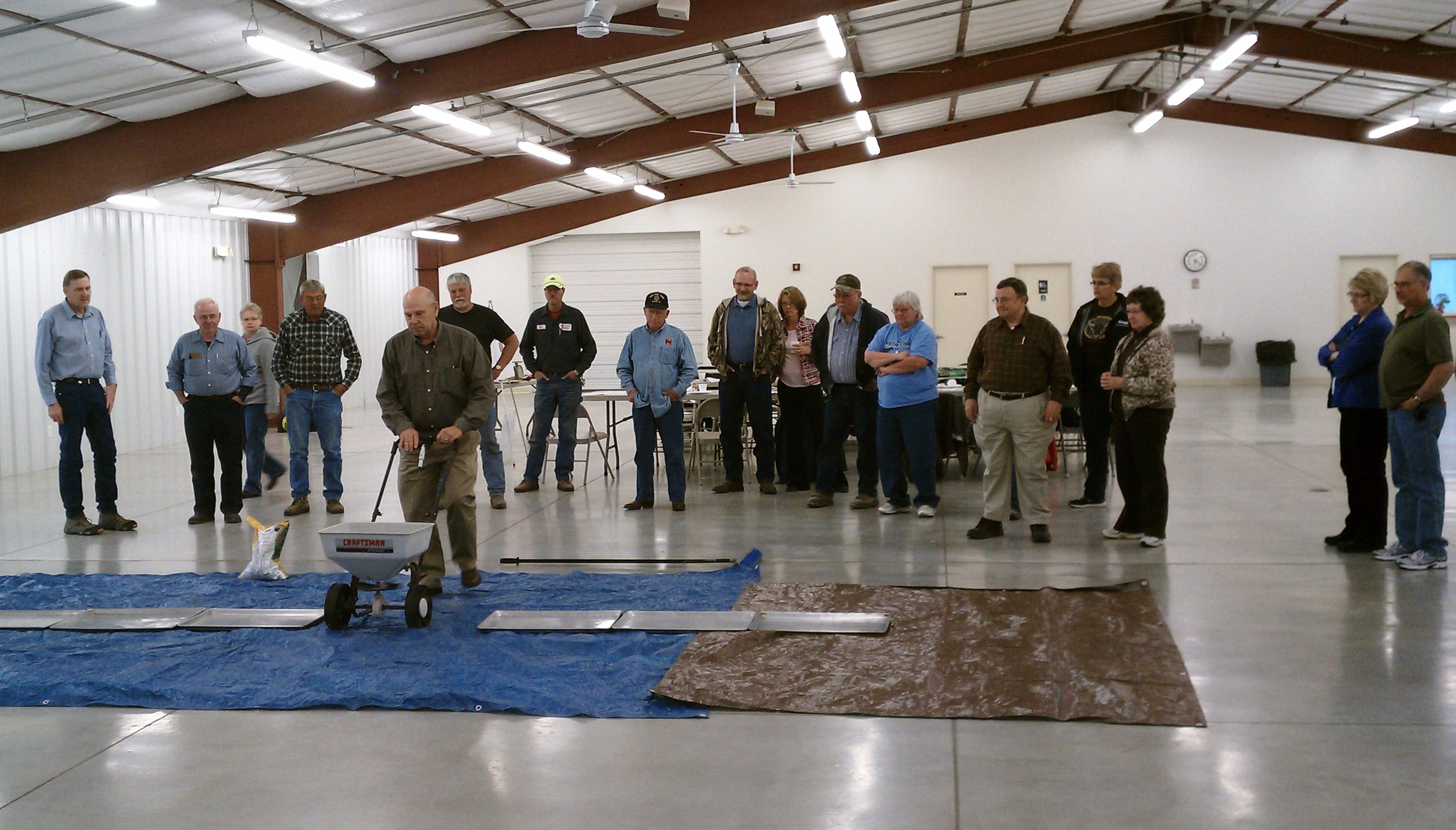
So besides a preventive fungicide what can you do? The best time to reseed is actually in the fall. One option is to keep these areas weed-free including of crabgrass so that doesn’t overtake these areas. Reseed with a disease resistant variety in the fall following the recommendations in this extension circular.
Your other option is to reseed/overseed right now with a disease resistant variety knowing that you may fight crabgrass this first year. Overseeding and reseeding are recommended to occur from now through May 1 for Kentucky bluegrass and from now to early June for tall fescue. You can determine the correct timing of all lawn practices by visiting the turf calendar Web site. Simply choose whether you have Kentucky bluegrass or fescue. Click on a lawn practice and scroll the circle on the calendar area to the current month to find the recommendation for that time.
Some other tips regarding lawn care: sharpening lawn mower blades is key to not shredding the grass which can invite pathogens that cause disease; mulch lawn clippings as often as possible as they contain nitrogen that can be released back into the soil; use a fertilizer product with the highest amount of a slow release nitrogen as possible (check fine print on the fertilizer bag); and sweep or use a leaf blower to send all clippings and granular pesticides back onto the lawn as leaving them on the sidewalk allows for them to be washed into the gutters and eventually lakes and streams. Right now, a silvery colored fungus called powdery mildew is visible in places in lawns that are shady or have minimal air movement. We don’t typically recommend a fungicide as this disease is more aesthetic than harmful.
Here’s wishing you a nice lawn this summer! Also a reminder of our free Container Gardening workshop to be held April 19th from 5:30-7:00 p.m. at the Clay County Fairgrounds. Elizabeth Killinger, UNL Extension Educator, will be presenting on container gardening for vegetables and flowers, creating a few container gardens for door prizes, and provide creative ideas for container gardening. Please RSVP at 402-762-3644 so we can have a meal count, hope to see you there, and invite your friends!
Weeds in #lawns & Management!
Happy April! The weather sure has been interesting! Since my last columns, UNL has come out with some altered 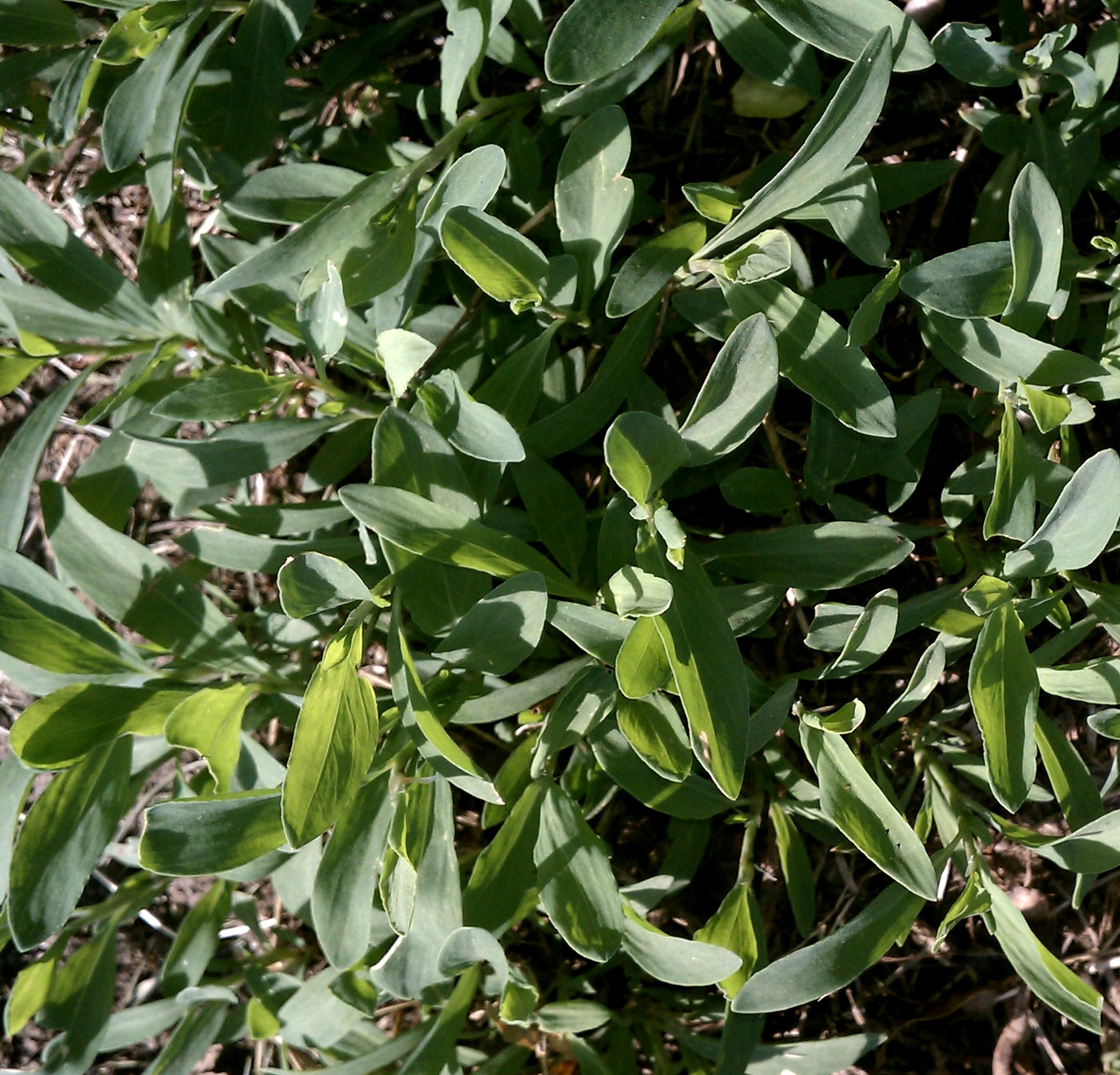 recommendations for turf. So letting you know that according to Zac Reicher, Professor of Turfgrass Science, he is recommending an application at 50% of the high label rate rate of crabgrass control now in the form of dithiopyr and then plan on making a sequential application at 50% of the high label rate in early to mid-June with a dithiopyr product. Crabgrass is already emerging and this product helps with grass that’s already emerged as well as controlling crabgrass pre-emerge.
Also information from Zac: Preemergence herbicide applications for broadleaves can start anytime now and assuming typical weather, sequential applications should be planned for in June. Almost all of the current preemergence herbicides (dithiopyr, pendiamethalin, prodiamine) are available as fertilizer/herbicide combinations, but cool-season grasses need little nitrogen in the early spring regardless if it is in March this year or late April in most years. Therefore, it is important to use a herbicide/fertilizer combination with as little nitrogen as possible to avoid a large growth flush and maximize long-term health of the plant. The problem is finding a product with little or no N. If you find a selection of products, do some quick math and calculate which product delivers the lowest amount of N/1000 sq ft, preferably 0.50 to 0.75 lbs N/1000 sq ft. Additionally, slow release N will extend the window of N release and minimize the potential growth spike after application. Slow release sources include sulfur- or polymer-coated urea, urea formaldehyde, methylenediurea, dimethylenetriurea, or natural organic nitrogen. These are listed on the label as “slowly water soluble” or “water insoluble”. Pay special attention to N sources followed by an asterisk and be sure read and follow the entire label of any product you apply. With the unusual weather this year and the increased need for sequential applications, each application usually applies about 50 to 75% of that which would be applied when using a single application. Applying two applications at lower rates will also reduce the nitrogen applied in each application, which is beneficial at this time of year.
The following sources explain more about the math calculations:
• Update: Warm soils and forecast are revising recommendations for preemergence herbicides
• Lawn Care Pro Series: Crabgrass and Other Summer Annual Grasses
• Do it yourself: Choosing preemergence herbicides
• Crabgrass Control in Homelawns
April 1 Flowers-No Fooling!
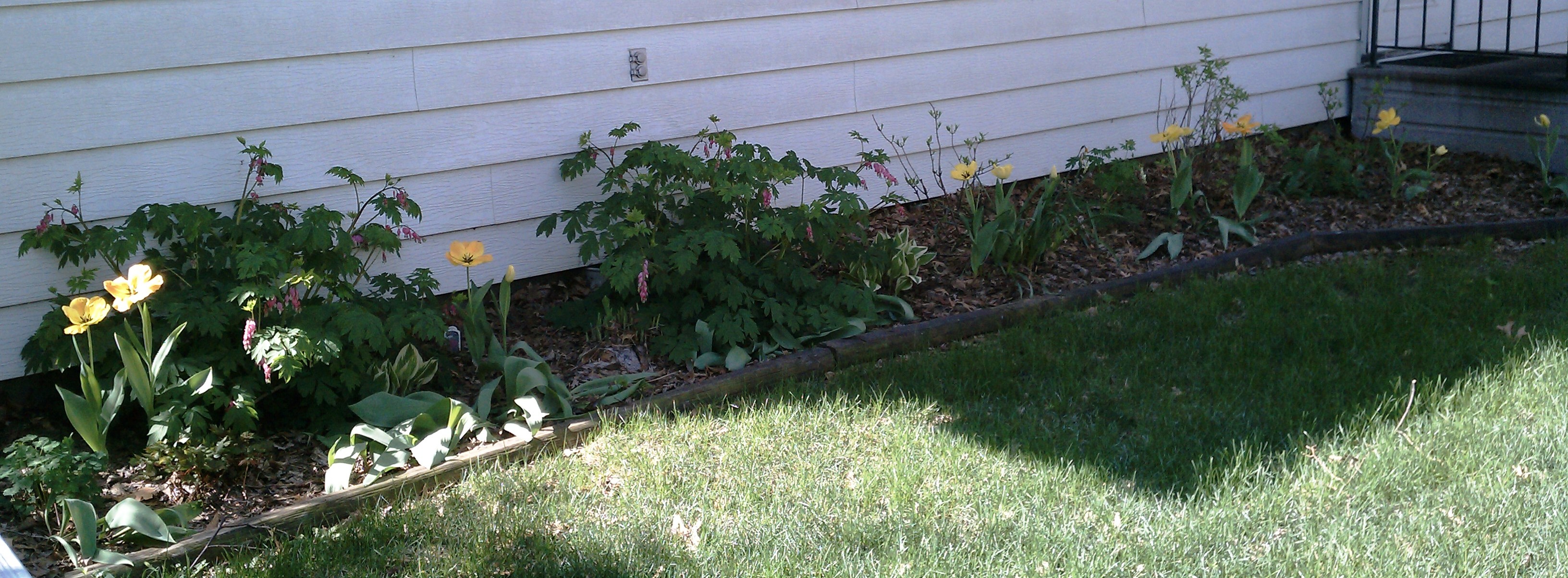
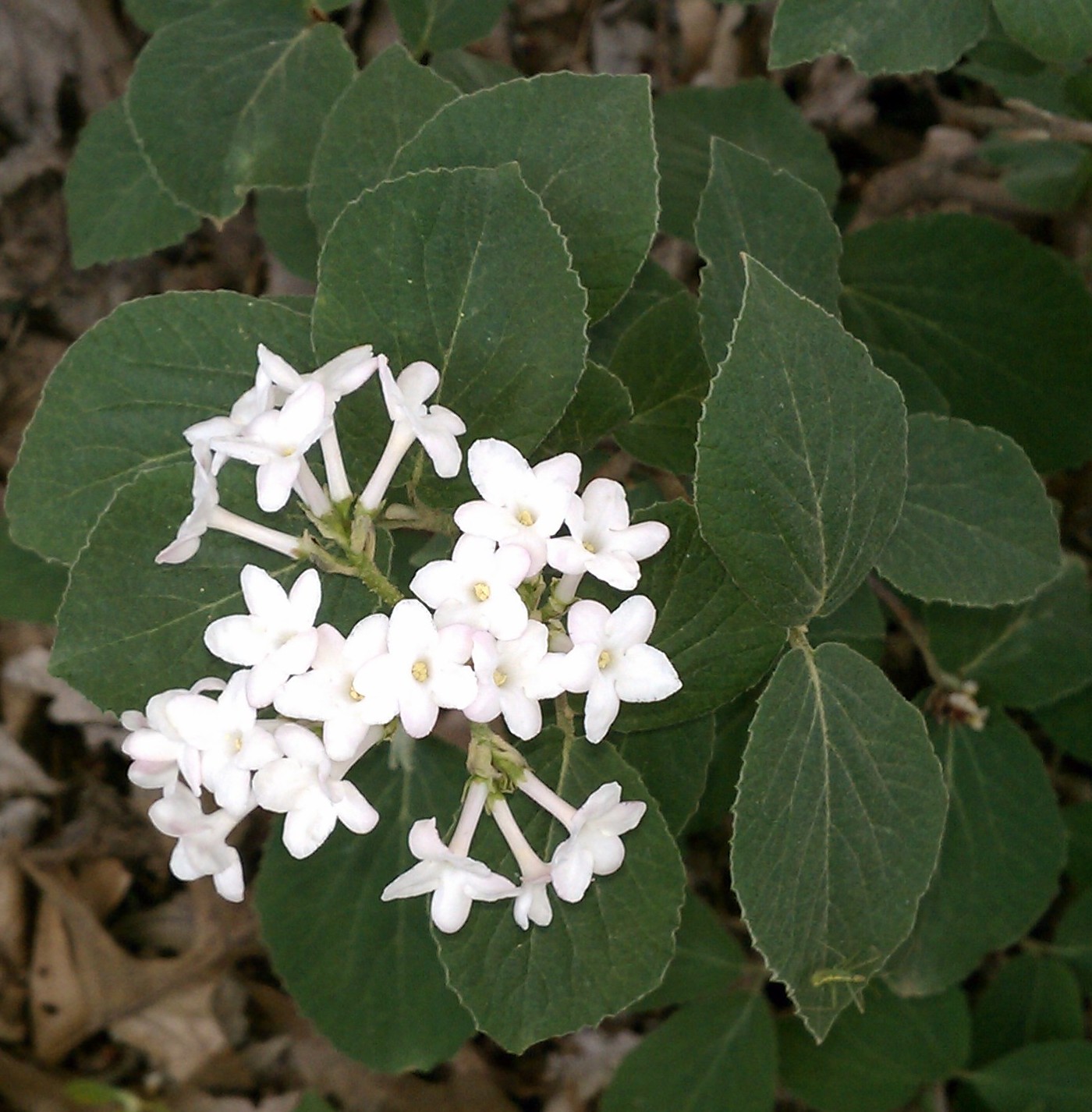
April 1st, while typically a day of pranks and jokes, has one obvious truth. Spring has arrived in full force with flowering plants at least 2-3 weeks earlier than normal. I couldn’t believe that my lilacs, which typically bloom around mid-May were blooming for the first time today! I planted many of the bulbs and shrubs last fall and have been rewarded with beauty, color, and lovely smells via God’s creation this spring; enjoy the pics!



Lawn, Garden, Spring
Well, this weekend I mowed my yard for the first time this spring-hard to believe for March! For two weeks I’ve been advising people to wait on fertilizing or applying crabgrass preventer on their lawns. It’s hard for me not to stop my vehicle everytime I see someone using a lawn spreader right now and ask them to wait! It’s too early to apply pre-emergent herbicides and fertilizer. Wait another month (till at least April 20) before the first fertilizer of 1 lb/1000 sq. ft is applied. At that same time, pre-emergence herbicides can also be applied. Wait to overseed Kentucky bluegrass lawns till April 1 and Fescue lawns till April 15. You can check out a calendar of recommendations for all things concerning your lawn at the following site: http://turf.unl.edu/lawncalendars.cfm. When overseeding winter-killed areas, core aerate or power rake the lawn prior to overseeding to encourage seed to soil contact for better germination. Also, don’t apply herbicides to areas where you have overseeded as this will affect the germination of new seedlings.
A timely meeting for lawn care has been scheduled and you can learn more by attending a Lawn Care for Home-Owners meeting Thursday, April 12 from 5:30-7:00 p.m. There is no charge and light refreshments will be provided. Learn about fertilizer labels and timing, calibrating your lawn spreader; irrigation timing for lawns; and calendars for lawn care maintenance. Please RSVP to the Clay County Extension Office at (402) 762-3644 or jrees2@unl.edu.
Garden: It’s been hard for me to resist the temptation to remove the winter mulch I had on my perennials and flower beds but in the event of frost which still is a good possibility, it may be good to leave it on awhile longer if new growth has not occurred. Kelly Feehan, UNL Extension Educator from Platte County advises if new growth is beginning to occur on your herbaceous perennials, to rake the leaves/mulch into a nearby pile. This allows the new growth to get acclimated to sunlight but allows 
I know some people have planted peas and potatoes. Check out the Vegetable Planting Guide that Gary Zoubek, UNL Extension Educator in York developed for suggested vegetable planting dates for our area: http://york.unl.edu/water-environment. Thursday, April 5th, Backyard Farmer returns for its 60th season on NET1 at 7:00 p.m.! Also, on Thursday, April 19th, we will have a workshop on Container Gardening Fun at the Clay County Fairgrounds from 5:30-7:00 p.m. More information to come! Please RSVP to jrees2@unl.edu or (402) 762-3644.


 JenResources