Blog Archives
Reflections on Gratitude
With the growing season ending and the transition to winter programming beginning, I’ve been reflecting on gratitude, and the gifts of time, health, relationships, and seasons.
My husband and I, along with many of you, were so grateful to finish this harvest season! In spite of disappointing yields, I heard several farmers say they were looking forward to gathering with family on Thanksgiving and counting their blessings. That’s a great attitude as we are truly so blessed!
Regarding seasons, I’m ironically finding much gratitude in the nights turning darker earlier to allow for rest on the farm. You don’t have to agree; I truly believe that’s a gift God gave to us in farming communities who go so hard most of the time. The beauty found in each season was recognized by a beautiful, warm day last Sunday and white snow against green evergreens this Sunday!
Many family and friends in my life are struggling with health concerns; most likely in yours too. It’s daily reminded me how easy it is to take health for granted and be grateful for the health I have. Health is more than just physical; it’s also mental, emotional and spiritual. Life is so short and not guaranteed! Relationships are so important and can be fragile. This led me to think about relationships in my life and the need to be intentional in giving time to others. It’s so easy to be “busy” but are we “busy about the right things”? I’ve written names of people to connect with and now need to be intentional in doing that. What about you? Are there people in your life who could benefit from the gift of intentional time spent catching up?
As I reflect on this year and walk alongside of people, it seems like there’s increasing divisiveness, uncertainty, fear, anxiety, depression, and stress. For encouragement, fear and anxiety can’t succeed in the midst of gratitude. Gratitude produces Joy! When we focus on gratitude and choose joy, there’s no room for worry, discontentment, or fear for the focus is no longer on ourselves.
If we chose to live with gratitude, how would it change us and our perspectives? Would we be less prone to complain and get discouraged when things go wrong? Would we be less likely to argue and more likely to extend kindness and grace to others? How would it impact the divisiveness we see in our country, our communities, our families?
So how do we choose to live with gratitude? A start can be to intentionally seek at least one thing each day for which to be thankful. At first it can be difficult and perhaps awkward. For some, it’s hard to even think of one thing. Perhaps a starting point can be gratitude for one’s home, bed, food, vehicle, job, friend or family member, etc.? Over time of practicing this, one’s perspective can change to even finding gratitude as things go wrong. I’m not good about this all the time, but it sure helps my mindset and increases my perspective when I choose gratitude even when things go wrong. Perhaps others can relate to this?
Ultimately, my hope is that we can experience more joy each day in the everyday moments as we intentionally seek to live with gratitude. And, that this joy can be extended via kindness, grace, compassion to others around us.
Reminder of several programs this week: Organic Conference Dec. 2 near Mead, Dr. Kohl at 1 p.m. at the Bruning Opera House on Dec. 3, and the Landlord/Tenant cash rent workshop at 10:30 a.m. at the Seward Co. Extension Office on Dec. 4.



The Gift of Time

I’ve been reflecting a lot recently, particularly about time. Time can seem like an eternity when one is in a difficult situation, waiting for an answer or waiting for healing for oneself or a loved one. Time can also seem to fly by when we are enjoying people and activities, when there’s a lot going on in life, or when we want to hold on to a moment or season in life.
I was also thinking about time being a gift. While often not thought of this way, not receiving answers or resolution of difficulties can be a gift in shaping character and perspective. I’ve seen this in my life, and although none of us desires difficulties, they can result in gratitude. On the flip side, receiving an answer, resolution, or additional time in the midst of an illness can also be a gift of time.
Time can also be a tangible gift given. Whether through times of money being tight or available, my memories of time spent with family and people are some of the most precious gifts I have. Years ago I drew my grandma’s name for Christmas. That year, I wrote her a short note sharing I wanted to give her the gift of time…time to connect about life and hear her stories growing up. We spent a few hours each Sunday afternoon talking and laughing on the phone. That gift lasted for several years until she passed away. The result was precious connection and memories that I will always cherish and a book that I was able to share with family at her funeral.
As we think about gifts this Christmas season, perhaps a gift to consider is that of time? It’s easy for all of us to feel strapped for time. I think many would desire to spend more time helping others or spend more intentional time for family, but don’t know how to fit it in.
In reviewing research on the gift of time, I found some interesting results. A 2013 article in Psychological Science shared that those who intentionally take time to help or spend with others had increased feelings of “time affluence” which alleviated feelings of “time famine”. The “time” in the different studies ranged from 5-30 min. per day of writing notes, volunteering, or intentionally visiting with someone. The other group studied who didn’t use their time to help others but instead were given “various tasks” or “free time” found they wasted time and felt “time famine”. So, they titled their journal article “Giving Time Gives You Time”.
Other journal articles found that when people gave time to others, daily stress appeared to be more buffered in their lives. They also had reduced effects of social isolation. Another article found those who gave of their time had lower blood pressure, arterial pressure, and lower depression. The individuals giving of their time also reported greater self-esteem.
So as we head into this Christmas season, perhaps a gift for each of us to consider giving is being more intentional with time-whether that’s with those closest to us or with others? Perhaps whatever that gift is becomes a goal to keep for the coming year? Wishing you and your family Christmas blessings as we celebrate the Ultimate gift we’ve been given in Jesus being born to die that we might live!
Winter Program Brochures have been mailed by several area counties or will be mailed after Christmas. Please RSVP to the county office where you’d like to attend the meeting being hosted.
This is my favorite Christmas song and this rendition is so beautifully done! Merry Christmas!
Gratitude
Grateful. The past few weeks I’ve just been thinking about gratitude for where we’re at this growing season, for the fact that we’ve all received some rain at some point this spring, and for the rain in the past 24 hours. It just totally changed the outlook for this growing season from the conversations I was having prior to the rains! And, grateful for some rest on rainy days like this!
While some have been frustrated at planting delays, we’re not late. I’m grateful for how quickly acres get planted and for how many finished up this past weekend, including our family. Smaller rains have helped with soil crusting, activating herbicide, and helping with grass establishment for the number of people who are trying to improve lawns and pastures. Grateful we’re not running pivots at the same time as planting like we were last year. Grateful for red and black cows on green grass! 😊 I find the color contrast so pretty. That site didn’t exist at this time last year. It’s just such a blessing to have green grass in pastures and lawns this year! The alfalfa, rye, and wheat have been tremendous too!
20 years ago, I began my Extension career in Clay and Webster Counties. The primary question I kept receiving was on common mullein control in pastures, which began my on-farm research journey. I still remember the tornado damage my first weekend on the job and I think of all the tornadoes, hailstorms, windstorms, flooding and drought we have dealt with since. While devastating, I’m grateful for all I’ve learned with each storm to hopefully help others the next time one occurs. There’s so much community in neighbors helping neighbors. There’s such resiliency and optimism to keep going and reliance upon one’s faith!
Reflecting, I think of how blessed I am to have served people in a lot of counties since then, for all the wonderful people I’ve met and learned from. My only regret has been being spread so thin to serve people the way I like. Grateful for this blog and media that help me share more broadly when I couldn’t always be physically present. Grateful for my mentors. Grateful for those who gave a young girl out of college a chance to prove herself looking at fields and working with them. Grateful for all the youth I’ve had an opportunity to work with through the years as well! The people of Clay County and that area will always hold a special place in my heart for how you accepted me and helped me in learning how to juggle the ag, 4-H program, and horticulture questions I received and for the grace given in the mistakes I made along the way.
I’ve always been fairly driven. Yet, I’m grateful for those, some still with us and others not, who instilled in me early on the importance of people in addition to my work tasks by making me stop to talk after a field visit or if I was in the area. While I still make mistakes, it changed my outlook early on how I approach work; everything we do ultimately impacts people and each interaction is important. I’m so blessed by all the friends who stop in when they see my truck, call/text/email me just to check in, and for the number of people who send me field updates. Grateful and blessed by all the farmers who’ve allowed me to walk alongside of them in their journeys through the years via on-farm research, who share ideas of things to try, and the farmers and ag industry professionals who invite me to look at problems when they occur-sometimes even fields without problems. Ultimately, I just feel so blessed that God has allowed me the opportunity to serve people and for the freedom I have to do so in my Extension career!
Heuermann Lecture: There may be interest for some to attend the next Heuermann Lecture on May 29 around Innovation in Ag Tech: Cultivating Tomorrow’s Farms, 3:00 p.m., Nebraska Innovation Campus, https://heuermannlectures.unl.edu/ . In the past, they’ve also been livestreamed and recorded. I can’t tell if it will be livestreamed, but check the website that day if you can’t attend in person, or to view the recording later.
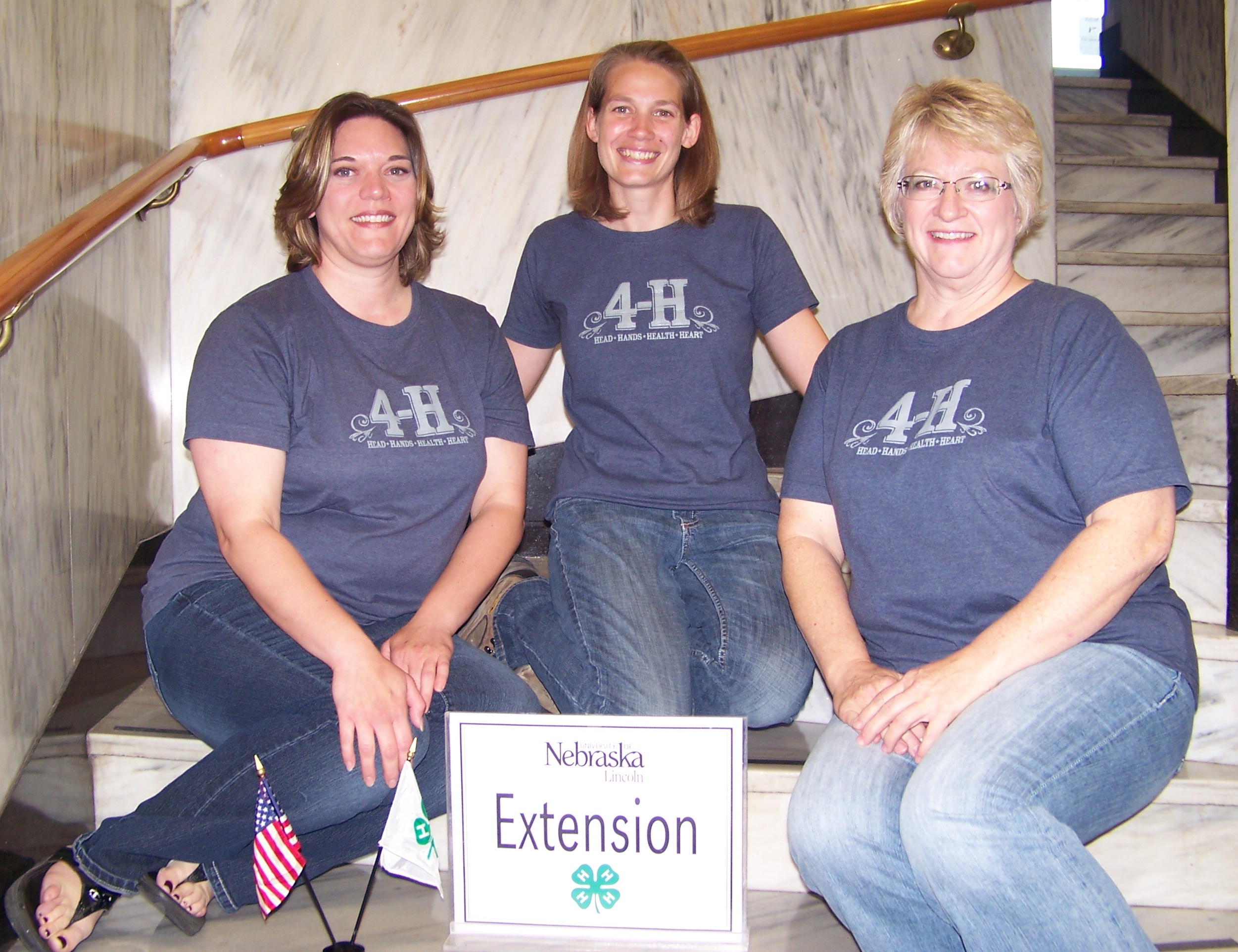

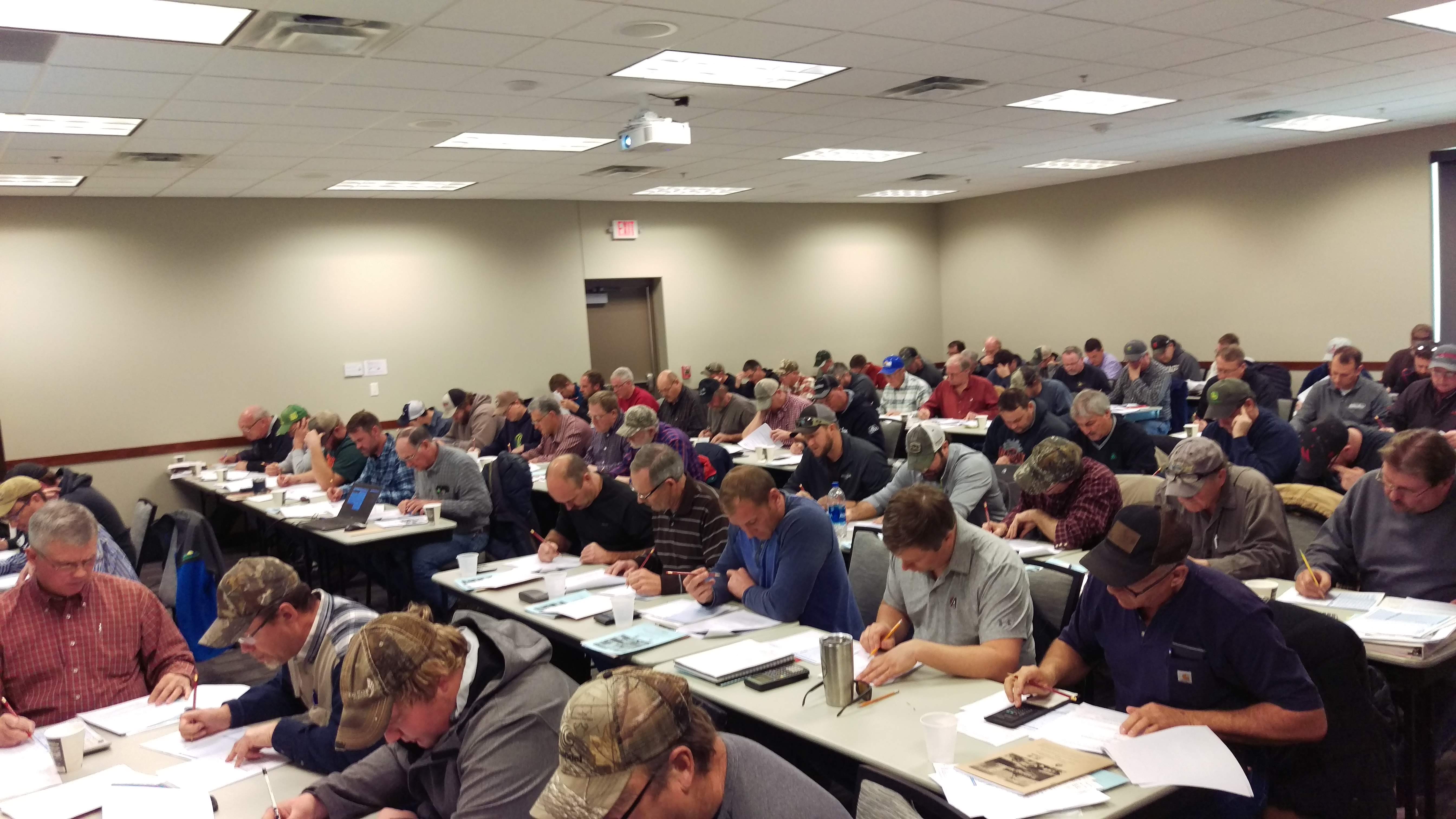

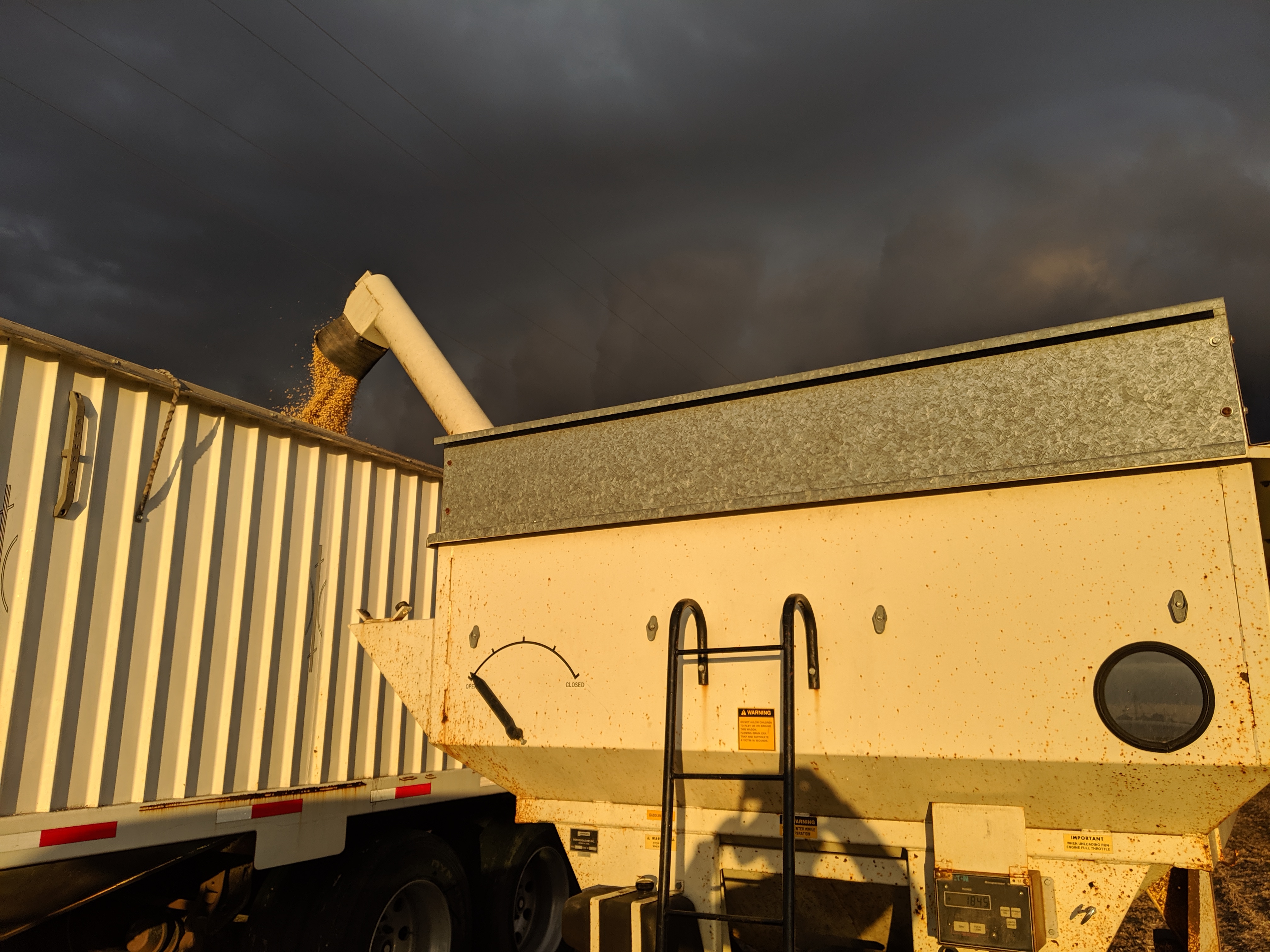

A few pics through the years (avoiding all the crop damage ones). Good memories (well other than the farmers may not have thought so about the chemigation test!) but there were farmers from several counties represented in that pic. Also, for clarity, I’m not planning on going anywhere. I’m just grateful to have served in Extension for 20 years thus far.
Rest, Rejuvenate, Rejoice
Christmas blessings to all! Wishing safety with the weather, quality time spent with family and friends, and special memories. With all the preparations, may we find ways to slow down and enjoy the time with others so we don’t miss it. Life is so short, not guaranteed, and time is precious!
Was reflecting on how blessed I’ve been with all the relationships in my life. One colleague shared a Christmas greeting wishing me “time to rest, rejuvenate, and rejoice in the season”. I really liked those three “R’s” so for this column, digging into them more with the help of a dictionary and some reflection.
Rest – “Cease work or movement in order to relax, refresh oneself, or recover strength”. I think of this past year with the work put in by many. The difficulty and challenges, the joy when some rain came – how many of us actually stood out in it a little while 😊, the incredible amount of learning, the character built in the midst of adversity. Even since harvest, I’ve heard from many how it’s been such a strange few months of going hard with the weather so nice. Many in various occupations have mentioned it doesn’t seem like the Christmas season with how nice the weather has been. There’s also much that people do to prepare for the end of the year and the Christmas season.
We all need rest; it may look different for each of us, but we all need times to relax and recover physically, mentally, emotionally, spiritually. So my hope is that we all may be intentional about finding rest in some way this Christmas through New Year season, and throughout the coming year!
Rejuvenate – “Given new energy or vigor, revitalized”. How many of us don’t want this?! And perhaps this comes as a result of resting? I think sometimes challenges and the stress at hand can provide new energy to tackle the challenge, which is helpful. But I’m mostly thinking of finding passion and interest to tackle a new goal or project. As we think about the new year, what is something you would like to try or do differently?
As I think of the farming community I serve, too many told me this past year that “farming is no longer fun”. I mentioned this in a talk this December – almost the entire room of people raised their hands in agreement. That’s just sad to me. The stress I see and feel from those I serve has been exponential in the past 5-7 years. If you resonate with that statement, may I ask us all to think about our “Why” before next growing season? Why do we do this?-and perhaps write it and place it somewhere to remind you during challenges next year. Why is farming no longer fun and what would make it fun for you again? Some examples from conversations with me included the need to try something different on a few acres, giving up some ground, spending more time with family, diversifying an enterprise, focusing on increasing the quality on one piece of ground, changing a crop enterprise, learning a new skill. Would encourage us all to set a goal around something that would rejuvenate us.
Rejoice – “Feel or show great joy or delight”. What we rejoice in or about can differ for us all. As I looked around my house, I realize many of my Christmas decorations have a “Joy” theme. As we think of Christmas, with my faith, I’m rejoicing in God’s rescue plan of humbling himself to be born as a baby who would live a perfect life, die, and rise again conquering sin and death so that in believing and receiving, we could have hope of eternal life with him! You may believe in something else that gives you joy and may have a different belief surrounding this time of year. Another way to rejoice is to think about gratitude. As we reflect this Christmas season of all we’ve been given and blessed with, of the people in our lives, of the people who have passed on who impacted our lives, may we all find reasons to rejoice!
So as my friend wished this for me, here’s wishing us all, “time to rest, rejuvenate, and rejoice in the season”!
It’s also Extension reporting season. If you would be so kind to share any comments on how the Extension work I did impacted you this past year, I’d appreciate it. Thanks!
Participants can vote at Slido.com with #4EXT
Thoughts for 2023 Season
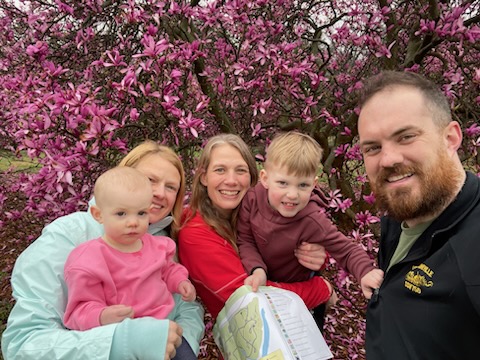
A week ago I was out east visiting family. Sunshiny daffodils were blooming in medians and we saw cherry blossoms and magnolias blooming at the National Arboretum in D.C. As I look in my backyard today, green leaves of tulips and daffodils are poking through. Rye, wheat, and lawns are greening up-the green this time of year is so stark in contrast to the brown. I’m so grateful to live in a place with seasons to see creation on display throughout the year!
March flew by and April is here. Another growing season will soon be upon us. I wasn’t mentally ready for another growing season. I’ve thought a lot about this and have heard this from others as well.
I knew I needed time in March to get my mind back into facing another one. I think of so many of you and there’s not been much break. Every spare moment of a ‘decent’ weather day this winter has been spent repairing/replacing pivots, buildings, bins, homes, or dealing with livestock.
I encourage us all to take some time to reflect on the blessings we’ve been given to work in agriculture, to be stewards of this land, and provide food for our families and the world. Reflecting on my purpose, “my why” for my Extension career and how blessed I am to get to serve many in this role, has reinvigorated my excitement for a new year. Perhaps reflect on “your why”? We have, we are, and will continue to face challenges as we aren’t in control of so much, especially the weather. But producers and those in ag careers are some of the most optimistic and resilient people I know. My hope is that we can all find some renewed joy and excitement for a new growing season!
Cover Crop Termination: For those who did plant small grains, the question of termination timing always comes up. The following are some thoughts to consider for planning. The temperature and year will determine how quickly a small grain will die.
- Termination timing considerations: https://jenreesources.com/2021/03/28/jenrees-3-28-21/.
- Photo gallery: https://jenreesources.com/2022/04/03/cover-crop-termination-including-planting-green/
- Can use only 20-22 oz/ac of Roundup Powermax (even when headed). Vetch + small grain: vetch will survive the Roundup application allowing it to produce more nitrogen. Can kill with post-app containing a Group 27 herbicide (like Callisto) later.
- Clethodim vs. glyphosate: clethodim provides a slower kill allowing the rye/wheat to stay greener longer for weed/erosion control. Benefit for farmers who need to terminate prior to corn or seed corn planting. Clethodim rates: most use 10-12 oz/ac. For corn, clethodim needs to be applied to the small grain to kill it at least 7 days prior to planting corn. For soybeans, can apply anytime after planting/emergence.
- When the small grain is greater than 12”, increase gallonage to 15-20 gal/ac for better coverage.
- When planting corn green into a small grain on subsurface drip irrigation (SDI), need the ability for higher capacity well to get moisture up to the seedbed. Potential yield loss otherwise.
- When planting soybeans green, the goal is often to off-set the PRE herbicide cost with the cover crop seed and application cost. A residual is necessary at some point either at time of termination or up to a week after termination when planting soybean green. Plan on 0.5-0.75″ irrigation/rainfall to get residual to the ground, especially on small grains taller than 12”.
- For those rolling small grains, roll twice if needed. And, plan on using a variety instead of VNS in future to help with evenness of maturity.
My key points for planting green include: plan on some form of nitrogen at planting if planting corn green into a small grain, have the pivot ready to go if need moisture for the seedbed, don’t use a PRE in soybean if can’t get seed vee closed, plan to water residual application as soon as label allows to get residual to ground, and if non-irrigated, consider seedbed moisture for termination timing. Have a Plan A, B, C.
Encouragement

For every difficult thing faced in life, because of my faith in God, I believe good can come. And, I’ve personally experienced good in my life. That doesn’t mean that being in the midst of difficulty isn’t hard or doesn’t stink-that’s just not real nor honest. I’ve thought about some good things we’re experiencing now in the midst of this virus. Families are spending more time together (even though that can also be challenging); technology allows people to stay connected and for distance teaching, meetings, worship services; there may be an increased appreciation of gathering together face to face when we’re allowed in larger groups again; there’s a surge of creativity and innovation in recreating/renovating business and in helping others; and, we may be tired of technology desiring more face to face interactions in the future!
This week I heard the term ‘physical distancing’. That sounds much better to me than ‘social distancing’. One good thing about technology is the ability to keep in touch. We can’t control many things that appear to be crashing around us, and we are all making choices as a result. One choice, in the midst of ‘physical distancing’ I’d encourage us to consider, is to continue being social in reaching out to family, friends, neighbors. That could be through various technologies or writing letters, sending gift boxes, etc. I believe we were created to live in community, not isolation. So please keep checking in with and reaching out to each other! There are also many resources for hope and help. No matter what you fear or face, you are never alone!-Jenny
#NebraskaStrong means having the strength to ask for help. Please keep talking and coming alongside each other!
- Nebraska Farm Hotline/Rural Response Hotline: 800-464-0258
- Nebraska Family Helpline: 888-866-8660
JenREES 2-24-19
Change. Sometimes it can motivate us to move forward and sometimes we can allow unwanted change to cripple us. The theme of the Women in Agriculture conference last week was “Taking Charge of Change”. There’s a number of changes we all face, especially for those involved with agriculture. Many are outside of our control yet we can control how we respond. We were challenged to write down 2-3 changes currently occurring in our lives and then what parts of those changes, if any, we had any control over. The first keynote speaker then built off of that in speaking on “Getting Clear on our Impact”. He was talking about life’s changes and our yearly goals. In clarifying impact around our goals, he mentioned three steps including: thinking long term, clarifying values/intentions, and optimizing for the starting line. The first two were pretty intuitive for me, but I wasn’t sure what he meant by the last one till explaining. In optimizing for the starting line, it’s about taking the first step. How many of us have made goals that have seemed too daunting to achieve such as fitness, nutrition, or other personal goals? He gave the example of a man who made the goal to run 5 miles every day for a year. Even though it’s measurable, it may not be achievable every day. He said the past three years, he made the goal each year to play his fiddle. He had been a fiddle player before having children but failed to even play once in spite of the goal. “Optimizing for the starting line” is about taking the first step. For the first man, it became simply putting on his running shoes. Once the shoes were on, it was the first step to any type of exercise. For himself, it was scheduling a time each day to only ‘pick up his fiddle’. Once he picked it up, it was the first step to begin playing again and he has been successful at playing since. The thought of this is so simple yet profound. It makes a lot of sense. In these cases, it can be change that’s positive by taking the first step, including in changing negative habits. It goes along the lines of other things we’ve heard such as “just making one’s bed” to complete one task, etc. For me, it will be to pick up a note card which is the first step to writing long-overdue thank yous and notes of encouragement. What first steps would allow you to achieve some of the goals you have in life or more positively help you deal with change occurring in your life right now?
Women’s Farmers & Ranchers College Program: Another opportunity for women in agriculture is upcoming on March 14. Michele Payn, founder of Cause Matter Corp., will be speaking to women on “Gate to Plate” at the next Farmers & Ranchers College. This informative and light-hearted program will start with registration at 6:00 p.m., a light meal and program to follow. The venue will be Lazy Horse Vineyard & Brewery near Ohiowa, NE or at 211 Road 20, Ohiowa, NE. This program is for women involved in agriculture to learn strategies for sharing their story of agriculture to today’s consumers. This program is free, however space is limited so please RSVP to 402-759-3712 or at go.unl.edu/farmersrancherscollege. Cause Matters Corp. focuses on addressing food myths, developing science communication, and connecting farm to food. In each of these core areas, Michele helps organizations clearly identify issues, understand their audience and grow solutions. Michele’s goal is to help you communicate “why your cause matters” – whether you’re a scientist, dietitian or in agribusiness. Michele’s resources and website can be found at http://causematters.com. For those of you on Twitter, Michele also founded the weekly #agchat conversation.
CropWatch and BeefWatch Podcasts: Dr. Roger Elmore, Extension Cropping Systems Specialist joins Michael Sindelar, Extension Educator, to talk about Corn Planting and Early Growth Stages in this month’s CropWatch podcast. You can listen to it at: https://cropwatch.unl.edu/2019/cw-podcast-corn-planting-and-early-growth-stages. The monthly BeefWatch newsletter now has entire articles available via podcast. You can click here to subscribe if you’re interested: https://beef.unl.edu/beefwatch-podcast?platform=hootsuite.
Grain Marketing Workshop in David City: Are you getting the most profit out of your grain? A free Nebraska Extension Grain Marketing Workshop will help you build your own marketing plan for next year’s crops. The workshop will be 10 a.m. to 3 p.m. Tuesday, March 5 in David City at the Hruska Memorial Public Library, 399 Fifth St. Austin Duerfeldt, Nebraska Extension ag economist and extension educator, will lead the morning session on how to develop a grain marketing plan. In the afternoon participants will get to test two scenarios using the Marketing in a New Era simulator. MINE is a commodity simulation game designed to help producers develop and improve their commodity marketing skills. Also speaking will be Eric Erickson, Risk Management Consultant at Thrive Ag LLC. The workshop, workshop materials and lunch are free. Seating is limited to the first 20 registrants and please RSVP to: Melissa Bartels at melissa.bartels@unl.edu.
JenREES 1-6-19
It feels like a long time since I wrote! Being burned out, I wasn’t ready to reflect on 2018 in my previous column. Perhaps some of you felt that way too? There were plenty of challenges for agriculture in 2018. Grateful for breaks. Grateful for a new year! Grateful for good new hires in Extension to help with the work load throughout the State! As I reflect on the past several years, thank you for your support as I’ve done my best to cover a lot of counties to the best of my ability. Grateful for the opportunity to serve Nebraskans via Extension and to enjoy this work! And while it comes at the expense of our farmers, I’m grateful for the continual opportunity to learn with every new crop/pest problem. I know a few of you have wished these problems didn’t have to happen to you so I could learn! Yet I do appreciate the phone calls to work through situations with our farmers and ag industry professionals. While each year presents unique challenges, I’m always inspired by the resiliency of our farmers and those in the ag community. Looking forward to serving you in 2019!
Short Survey: In Extension, we always need to prove that what we do in our work brings value to those of you we serve. Would you please consider completing this short survey for me to provide feedback, specifically regarding my email newsletter, news column, any specific way I helped you last year, and ways I can improve in my Extension role in 2019? All feedback is anonymous. Please go to the following direct link: https://app2.sli.do/event/q2p1sedv/polls or you can also go to https://www.sli.do/ and enter the code 7708. Thank you for considering this!
York Ag Expo: Reminder of the York Ag Expo this week! Hoping to see many people come out to view the exhibits and also come to the educational sessions. I try to train people to RSVP for all my educational events, but walk-ins are always welcome. Chemigation is on January 9th from 9 a.m.-Noon with Steve Melvin. Then come out and hear the latest on the Farm Bill, Crop Insurance decisions, and Farm Taxes from 1-4 p.m. from Brad Lubben, Cory Walters, and Austin Duerfeldt. On January 10th, I will present private pesticide training from 9 a.m.-Noon. Then come out for residue and manure management from 1-4 p.m. with Mary Drewnoski, Michael Sindelar, Tim Mundorf, and myself. From 4-5 p.m. will be the keynote speaker Chad E. Colby. Agribusiness after-hours from 5-6 p.m. Ag appreciation lunch both days and all exhibitors and sponsors can be found at: https://yorkchamber.org/event/ag-expo/. Hope to see you there!
RUP Dicamba Training: On the Nebraska Department of Ag website, you will now see the list of UNL face-to-face trainings, the link to the UNL online dicamba training, and a list of certified applicators who have completed dicamba training. I took the online course on Friday so I could better answer questions. This year, it allows you to take one of two tracks: presentations by Dr. Bob Klein or Dr. Greg Kruger. You are also welcome to take both for more information. There are instructions with screenshots on the online dicamba training webpage: https://pested.unl.edu/dicamba-training-instructions. Some reminders regarding this, the applicator’s name and applicator ID number need to be listed when registering for the online course. Last year we had some wives complete the registration for husbands and then the wives were listed as certified and not the husbands. This year anyone applying RUP dicamba must complete approved RUP dicamba training and must also be a certified licensed pesticide applicator. Regarding face to face trainings, I am not having a dicamba training during the York AgExpo, but there are many options available that can be viewed on the NDA website. For that training, you will need to bring your certified applicator number. If you are a new pesticide applicator who hasn’t received a number yet, you will put ‘pending’.
York-Hamilton Cattlemen’s Banquet: The York-Hamilton County Cattlemen are planning their 71ST Annual Cattlemen’s Banquet for Tuesday January 29, 2019 at the Holthus Convention Center in York. Dave Thorell of Loomis, NE will be the featured entertainment. Dave Thorell is a regionally known speaker, avid agriculture advocate, humorist, story teller and was the voice of Agriculture News for over forty years on KRVN Radio. Thorell was elected into the Nebraska Broadcaster Hall of Fame. The Cattlemen will also recognize Rich Pearson of Hordville and Allen Roehrs of Bradshaw as Honored Guests for the evening for their contributions to the area livestock industry and the Cattlemen’s Association. The evening starts at 6:30 with social time, a Prime Rib meal at 7:00 with entertainment and recognition of honored guests to follow. Cattlemen’s Banquet tickets are $25 per person. Sponsorships are also available that include two banquet tickets and recognition at the banquet for $150. Cattlemen’s Banquet tickets can be purchased from any of the York-Hamilton County Cattlemen’s Directors including Brian Blase of Hordville; Brock Ekhoff and Terry Ross of Aurora; Jeff Underwood of Exeter; Allen Klute and Mark Klute of Hampton; David McDonald of Phillips, Jeff Meradith, Kim Regier and Josh Chrisman of York; Kim Siebert of Henderson, plus the Extension Offices in York County and Hamilton County.
Ag Reflections from 2014
Happy New Year! Wishing all of you and your families a wonderful 2015! As I look back at 2014, there are several ag-related observations that I noted throughout the year.
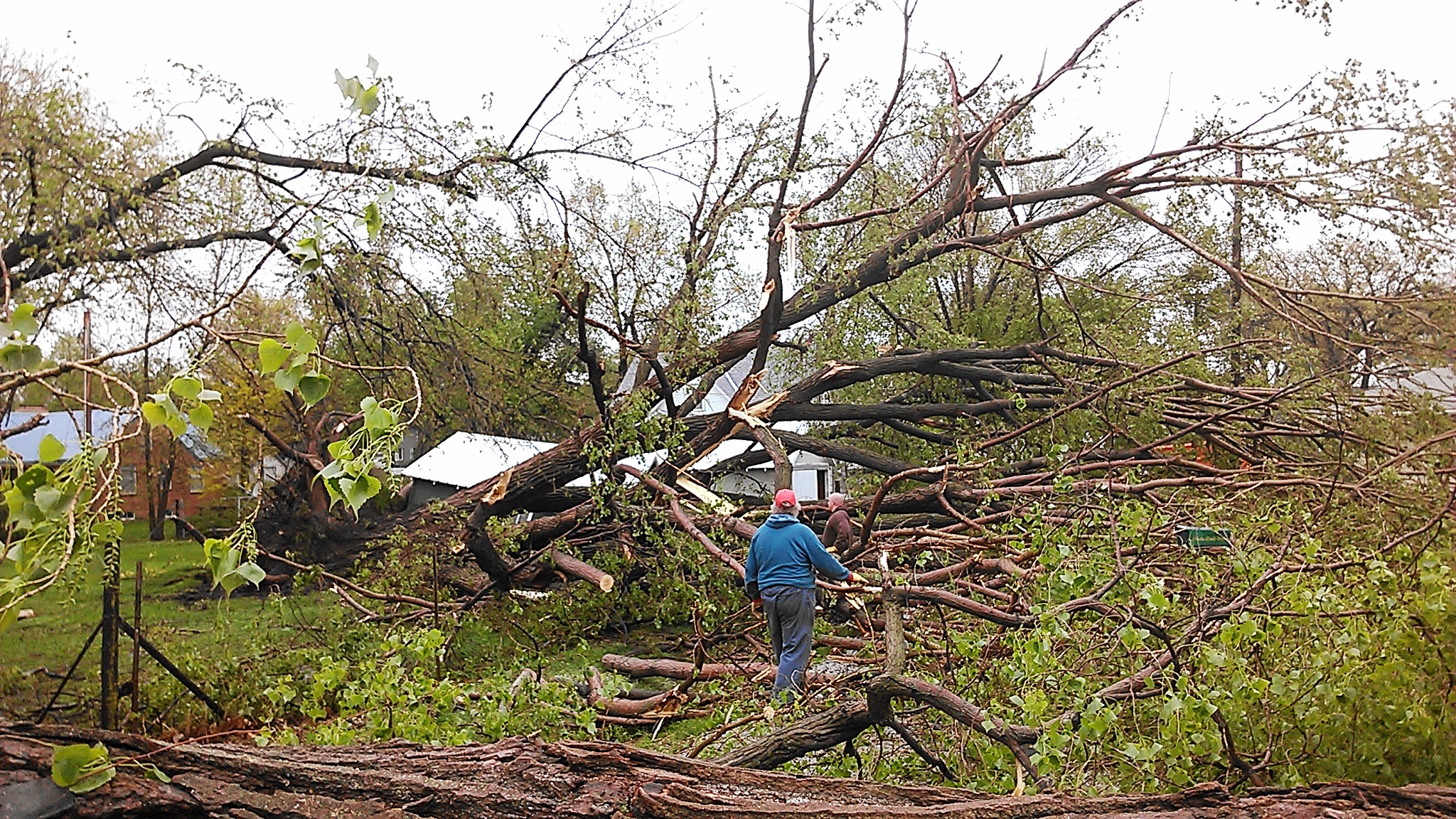
Cleanup after the tornado in Sutton on Mother’s Day 2014.
The first observation continues to be the way communities and people in this County/area pull together in difficult times. Whether after tornadoes/wind storms or helping other farm families who had an injured family member or had lost a family member, it’s just a blessing to see the way people pull together to help each other in time of need. It was also a blessing for many who were unable to harvest in 2013 due to the August 1st storm, to harvest fields in 2014, and for many in the area to experience really good irrigated and dryland yields this year.
The dry winter of 2013/14 allowed for very mellow ground during planting time. Often seeding depth ended up ½-1” deeper than intended. The dry winter also didn’t allow for good residue decomposition leading to problems during planting and ensuing stand emergence. Cutting off residue and high rains in May led to unintended consequences of replant situations when residue was moved off of farmers’ fields onto neighboring fields, suffocating emerged plants in portions of fields. I’m not sure what the solution is for the future other than it really needs to be something worked out with neighboring farmers, but perhaps mentioning it here opens an opportunity for future conversations.
Cover crops have been incorporated into more operations in recent years, yet the ultimate goal for using them remains important in determining what species/crops are used in the fields. We also realized the importance of determining amount grazed prior to turning cattle into fields (whether for grazing cover crops or crop residue), as high winds in winter 2013/14 in overgrazed fields led to soil blowing throughout the winter.
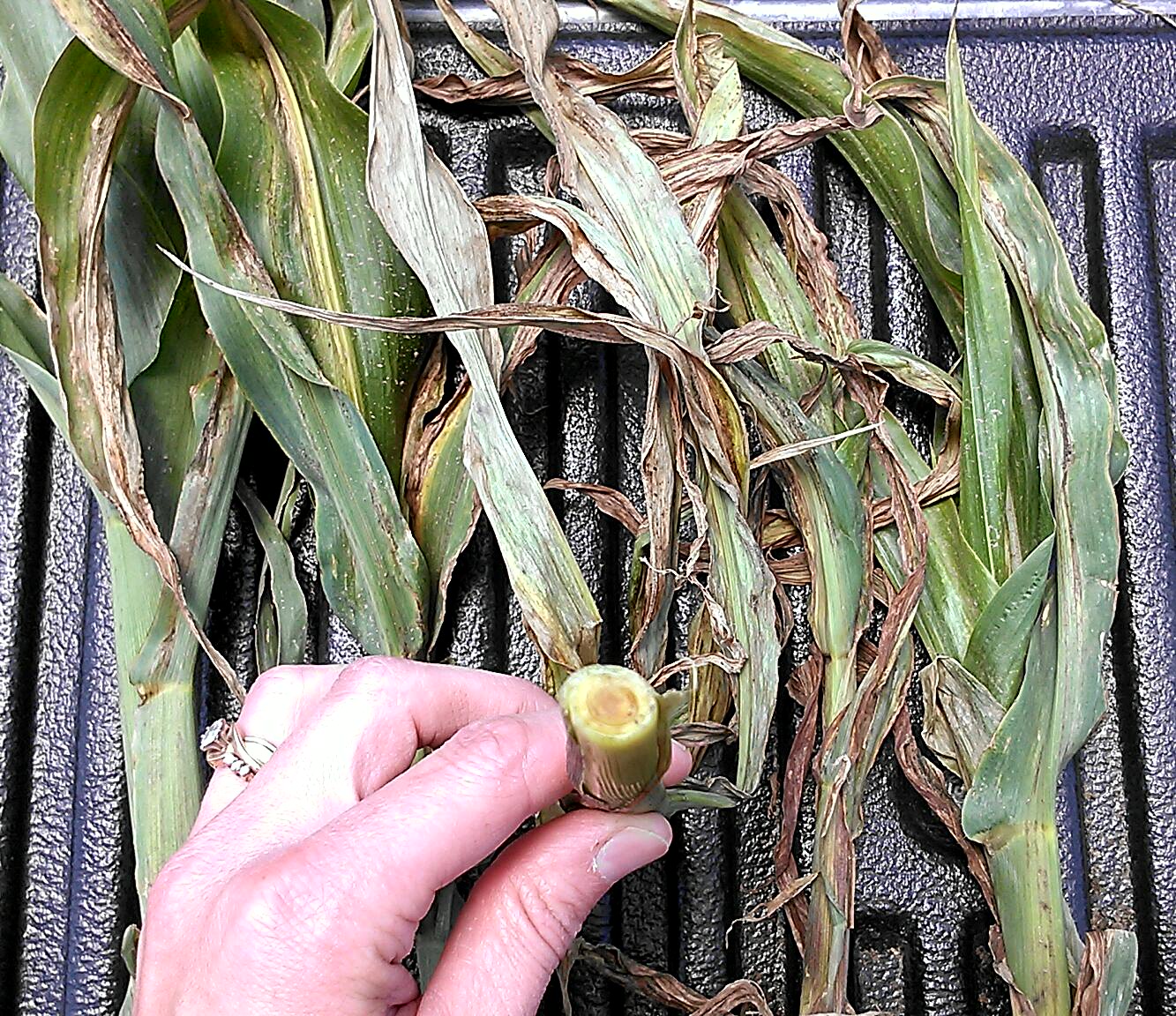
Systemic Goss’ wilt showed up in some fields that were hail and/or frost damaged by V6.
The May frost showed us emerged soybeans at the cotyledon stage held up well to the frost compared to the corn. We also again watched Goss’ wilt show up systemically by 6 leaf corn that was injured early by frost or hail in fields where Goss’ wilt had been a problem in the past. We need more research/understanding of this disease. Wheat continues to show us its resiliency as it winterkilled in portions of fields, withstood drought-stress, and then made up yield in the last 4-6 weeks.
Perfect pollination conditions coupled with high solar radiation, low night-time temperatures, and timely rain events were keys to the bountiful corn crop we experienced this year. Soybeans were more of a mixed bag. In walking fields and in conversations with farmers, I think the disappointment in some irrigated yields could be attributed to early/over-irrigation, disease problems, and planting date. UNL on-farm research showed on average a 3 bu/ac yield increase when soybeans were planted in late April to first week of May (regardless if growing season was warm/dry or cold/wet like it was this year) and those I’ve talked to who achieved 80+ bu/ac in the area this year planted in that time-frame. I’m curious if there’s something to planting a 2.4-2.5 maturity early vs. a 3.0+ maturity early as some area producers are seeing strong yields from a shorter season hybrid planted early the past few years. So if you’ve also seen this and/or are interested, that will be an on-farm research project to try next year. Please let me know if you’re interested!
Here’s wishing you a healthy and prosperous 2015!
We Will Never Forget 9/11/01

In September 2013, I had the opportunity to visit the US Flight 93 Memorial in Pennsylvania. The Memorial is mostly a grassy field but also has a series of signs to explain the events on 9/11/2001.

This sign shares the heroic efforts of those who fought back against the terrorists on the flight that day.

May we never forget the lives lost in these terrorist attacks.
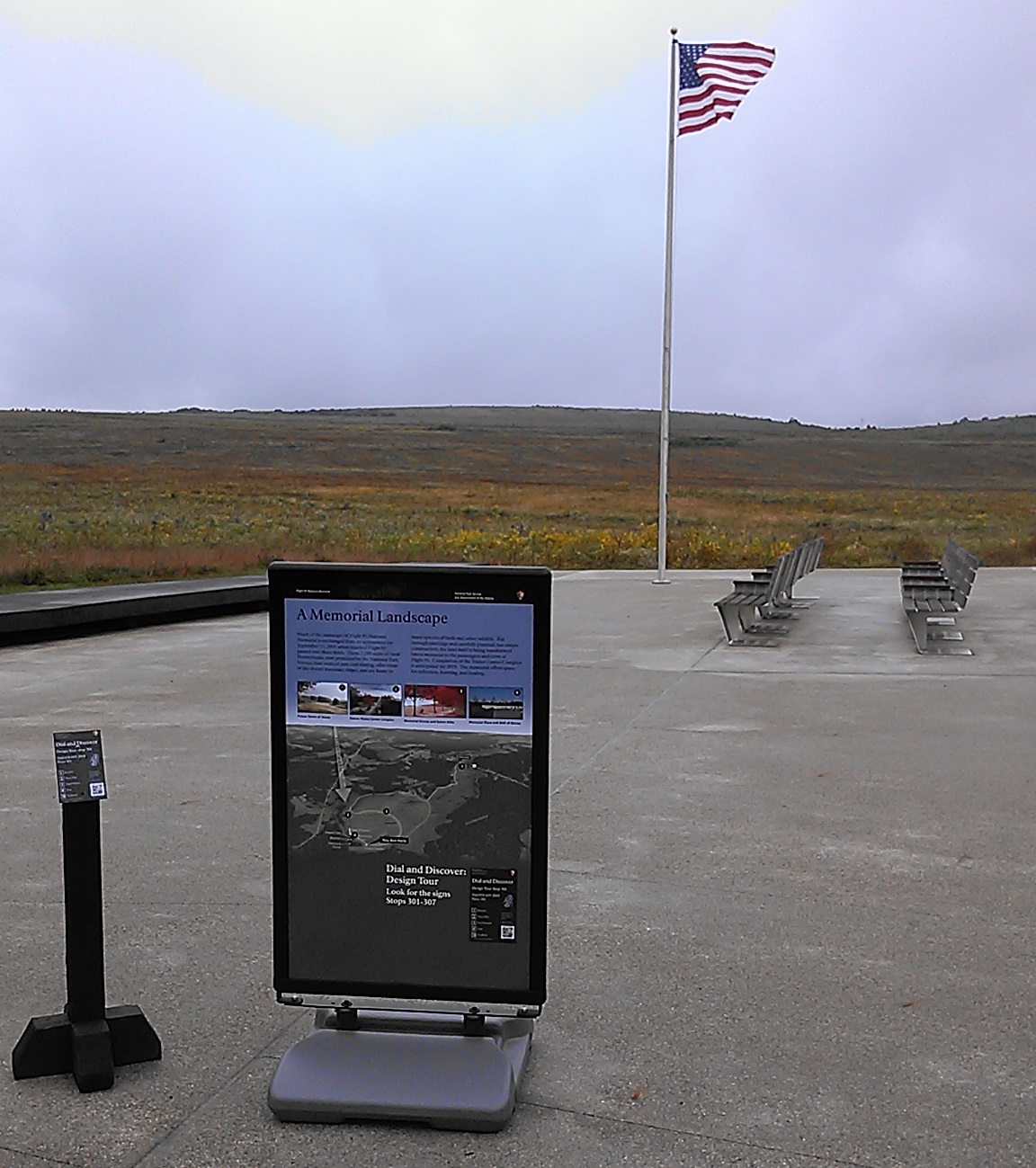
A quiet place to reflect. US 93 would have flown toward us as we view this photo on the left side of the photo.
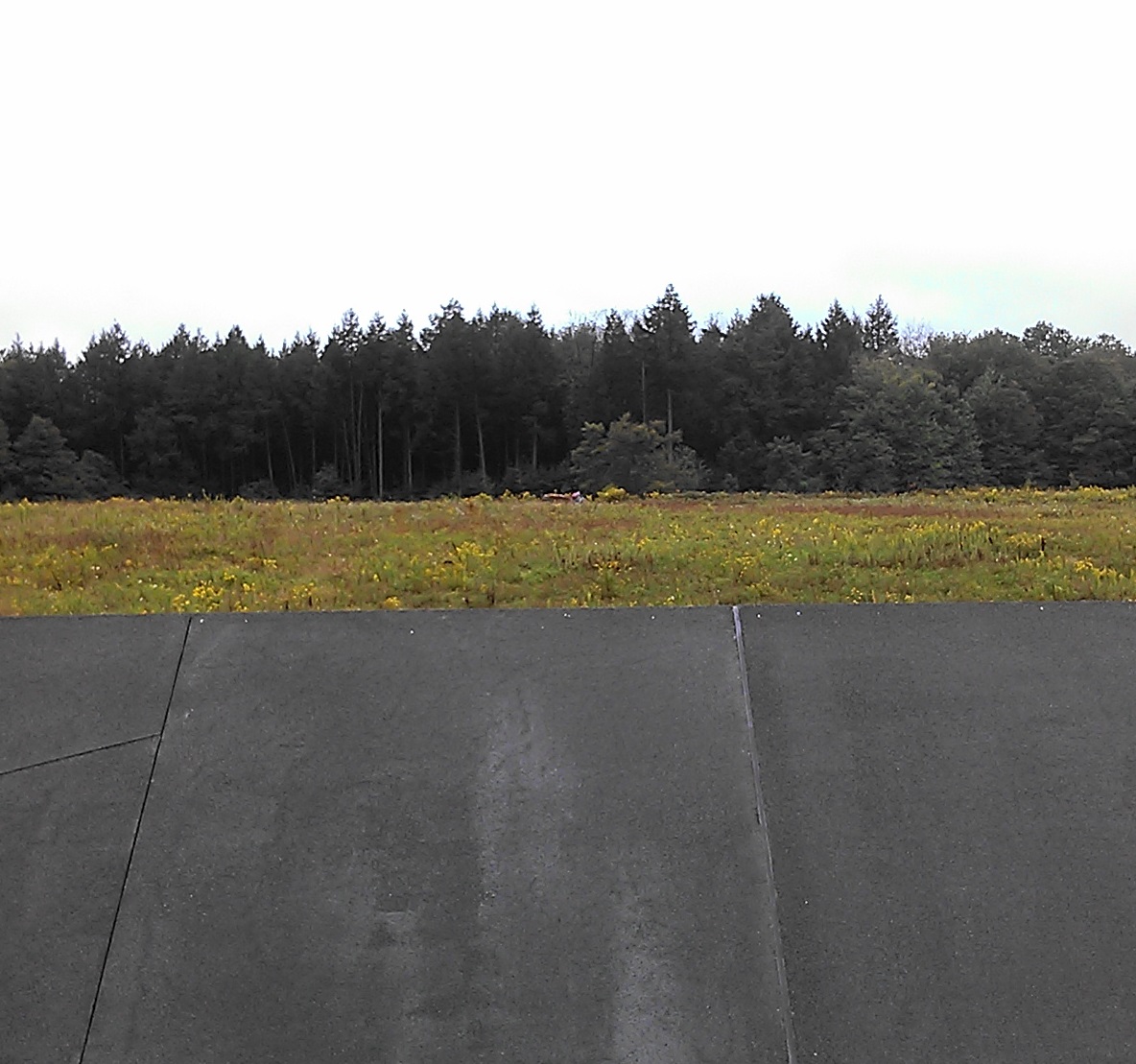
The grassy field where US Flight 93 went down. In the distance (center of photo), there is a memorial rock which marks the spot of the crash. Thirteen years later, we will never forget the innocent people, rescue workers, and all our men and women in uniform who lost their lives.


 JenResources